



As Georgia’s mild autumn gives way to cooler temperatures, taking proactive steps to winterize your home is essential for preventing costly repairs, improving energy efficiency, and ensuring a comfortable season ahead. From servicing your HVAC system and cleaning gutters to sealing drafts and protecting outdoor plumbing, this thorough pre-winter home maintenance checklist Georgia homeowners can’t skip helps address the unique challenges posed by the region’s fluctuating climate.
In this checklist, we’ll outline the key maintenance tasks every Georgia homeowner should complete before winter arrives, helping you safeguard your investment and enjoy peace of mind when the colder weather sets in.
The Home Maintenance Checklist Georgia Residents Can’t Skip
How Do You Prepare Your Heating System for Winter in Georgia?
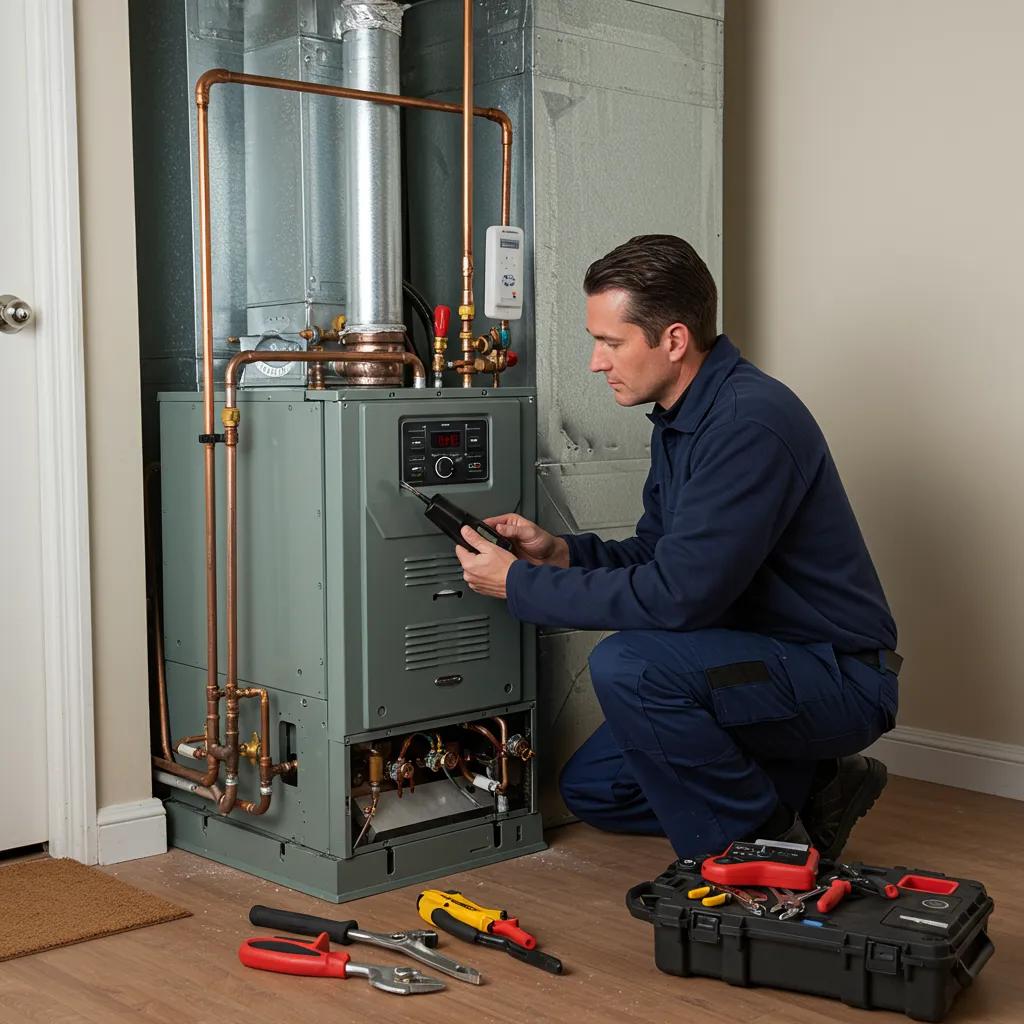
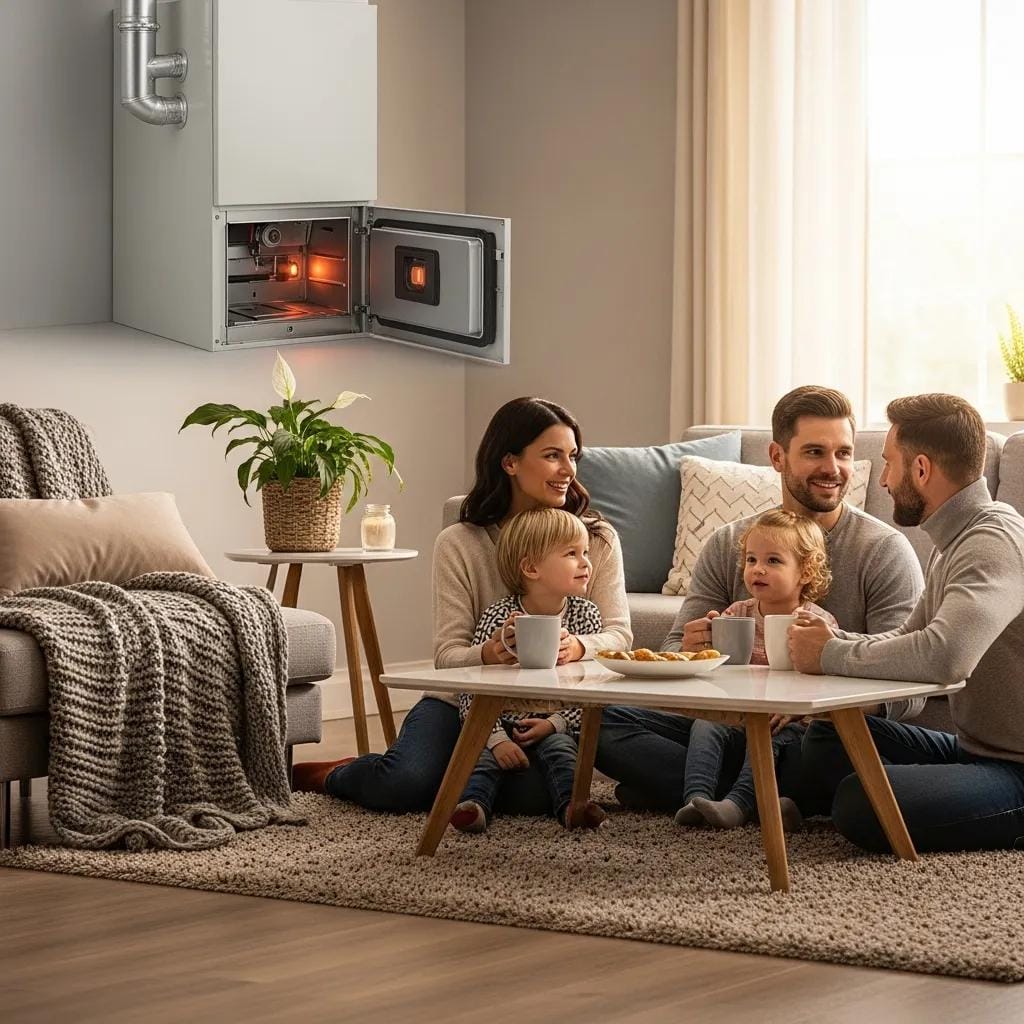
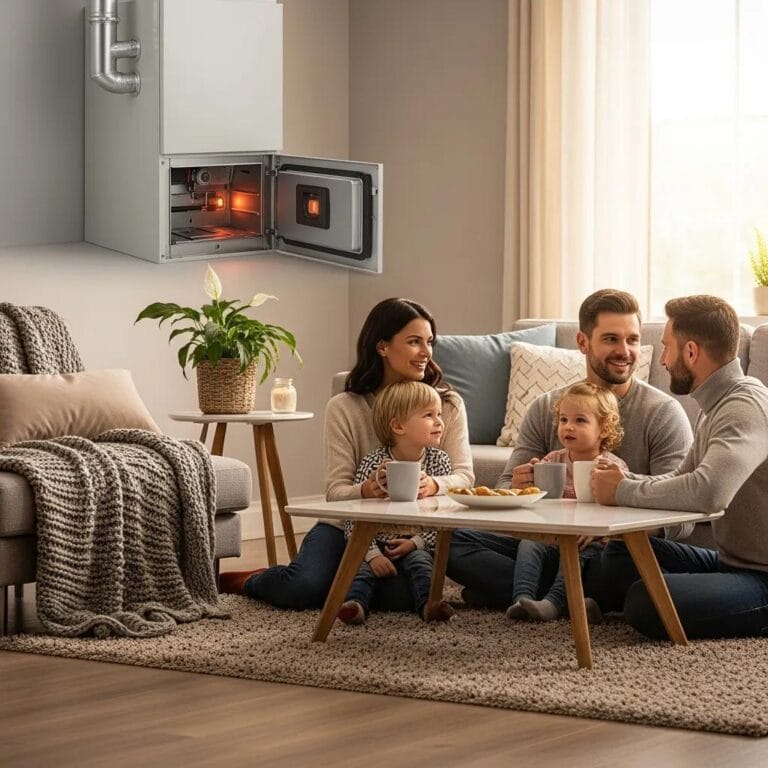
Preparing your heating system before winter arrives is one of the most important steps in a home maintenance checklist Georgia homeowners will appreciate. Even though winters in the state are relatively mild, cold snaps can place extra strain on furnaces and heat pumps. Proper preparation helps maintain efficiency, prevents mid-season breakdowns, and keeps your home comfortable when temperatures drop.
Start by replacing or cleaning HVAC air filters to ensure steady airflow and efficient operation. Check thermostat settings and replace batteries if needed to maintain accurate temperature control. If you have a heat pump, clear leaves and debris from around the outdoor unit to ensure proper airflow. During operation, listen for unusual noises or observe irregular heating cycles that could signal developing issues. Finally, schedule a professional inspection in the fall to test burners, ignition systems, and safety controls before winter begins.
What Are the Key Steps for Furnace Tune-Up and Inspection?
A professional furnace tune-up is an essential part of any home maintenance checklist Georgia. During an inspection, a technician checks critical components such as burners, ignition systems, and the heat exchanger to verify safe combustion and efficient operation. They also clean or replace filters, test airflow, and ensure the blower motor is operating correctly.
If you notice soot, burning odors, or irregular heating patterns, a tune-up should be scheduled immediately. Regular servicing helps prevent unexpected breakdowns, reduces energy waste, and extends the lifespan of your heating system. Even newer systems benefit from annual maintenance since small performance issues can quickly add up to higher utility bills.
How Should You Winterize Your Heat Pump Effectively?
Heat pumps require special attention before cold weather sets in. Begin by removing dirt and vegetation around the outdoor unit to maintain at least two feet of clearance. Make sure the unit sits level to prevent vibration and ensure even refrigerant distribution. Check that your thermostat is programmed correctly and that the system isn’t over-relying on emergency or auxiliary heat.
A professional technician can also test the defrost cycle and verify refrigerant levels, which are critical for efficiency in cooler temperatures. Keeping these elements in check ensures smooth performance throughout the season and helps your heat pump transition easily between heating and cooling as Georgia’s weather fluctuates.
How Can Thermostat Settings Optimize Winter Energy Savings?
Smart thermostat management plays a big role in lowering winter energy costs. Setting the temperature just a few degrees lower when you’re asleep or away can noticeably reduce energy consumption without sacrificing comfort. Avoid drastic temperature swings that can force your furnace or heat pump to overwork.
Programmable or smart thermostats can automatically adjust temperatures based on your schedule and habits. Over time, these adjustments lead to measurable savings while maintaining steady comfort levels. Pairing smart settings with consistent filter maintenance and timely system inspections completes an effective seasonal approach to winter energy efficiency.
By following these winter prep steps, Georgia homeowners can keep their heating systems running reliably while controlling energy costs throughout the colder months.mergency support and flexible financing, offer peace of mind for homeowners seeking regular professional upkeep and rapid response during winter breakdowns.
What Plumbing Tasks Are Essential to Prevent Frozen Pipes in Georgia?
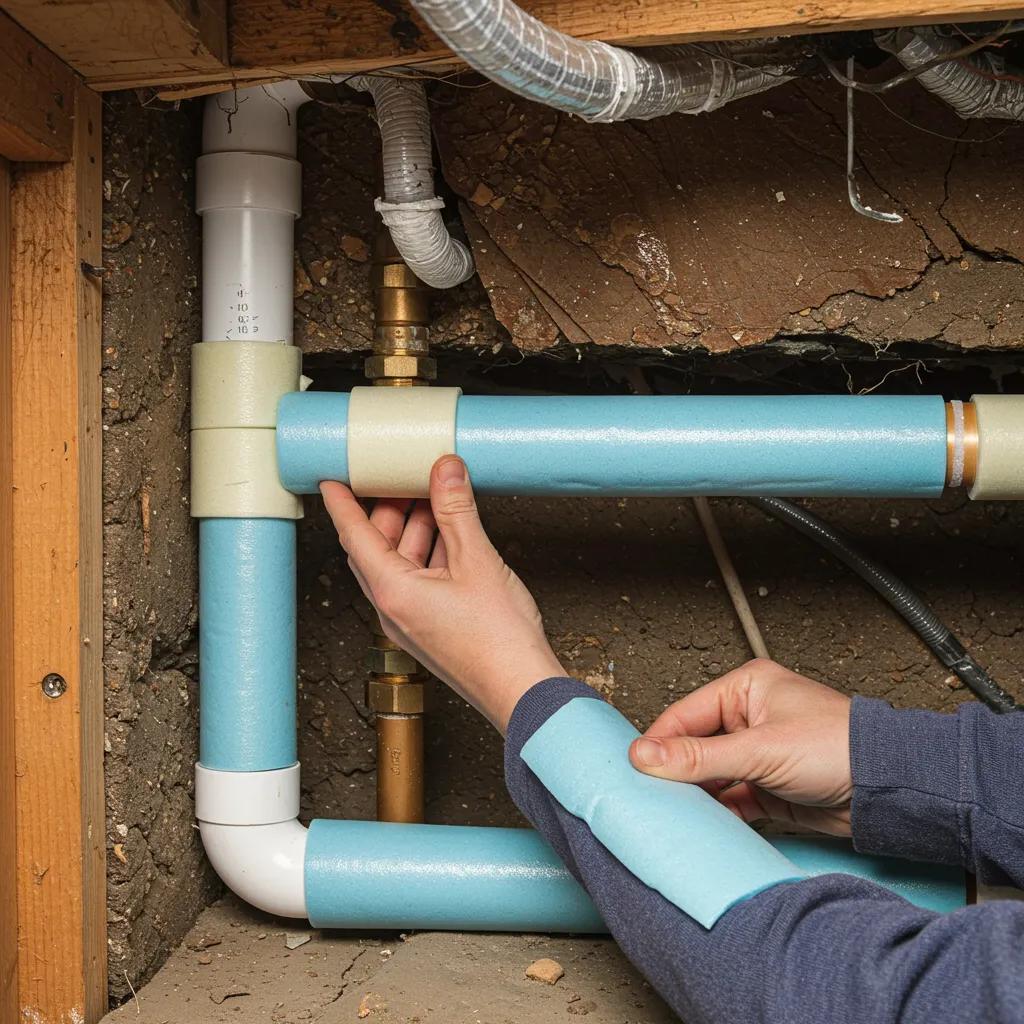
Even though Georgia winters are relatively mild, sudden cold snaps can still cause frozen or burst pipes if plumbing systems aren’t properly prepared. A good home maintenance checklist Georgia should always include winterizing your plumbing to prevent damage when temperatures dip unexpectedly. This means draining outdoor faucets, insulating exposed pipes, and inspecting the water heater before the colder months arrive.
Start by disconnecting garden hoses and draining outdoor faucets to eliminate trapped water that could freeze and expand. Insulate pipes in crawlspaces, garages, and along exterior walls using foam sleeves or higher R-value materials where temperatures tend to drop quickly. During freezing nights, keep indoor heat consistent and open cabinet doors under sinks to allow warm air to circulate around vulnerable pipes. For high-risk areas, pipe heating cables can offer an extra layer of protection.
How Do You Drain and Shut Off Outdoor Faucets Before Winter?
Outdoor faucets are one of the most common sources of freeze-related plumbing damage, but winterizing them is simple and effective. Locate the indoor shut-off valves connected to exterior spigots, typically found in basements, crawlspaces, or utility rooms. Turn the valve to the off position, open the outdoor faucet to release any remaining water, and leave it slightly open to relieve pressure. Installing insulated faucet covers adds another level of defense against freezing during cold nights.
If you find that a shut-off valve is corroded or won’t turn, avoid forcing it. Instead, isolate that line as best as possible and plan for professional maintenance before the next cold front. Preventive action in early fall can help you avoid expensive pipe repairs later.
What Are the Best Practices for Pipe Insulation and Freeze Prevention?
Insulating exposed plumbing is one of the simplest yet most effective ways to prevent frozen pipes in Georgia homes. Focus on areas where pipes run through unheated spaces such as crawlspaces, garages, or exterior walls. Use foam pipe insulation sleeves for easy-to-reach copper or PVC lines, and seal any small air leaks or drafts near those areas.
For pipes that face severe exposure, heat tape with an integrated thermostat can maintain a safe temperature and prevent freezing. Always follow the manufacturer’s instructions to avoid overheating or damage. Once insulation is installed, check it annually for wear and replace sections that have deteriorated or come loose. Consistent inspection ensures lasting protection throughout multiple winter seasons.
When Should You Schedule a Water Heater Check-Up?
Your water heater works hardest during the colder months, making fall the ideal time for an annual inspection. A routine check should include testing the pressure relief valve, flushing sediment buildup, and inspecting for leaks or corrosion. Sediment can reduce efficiency, extend heating times, and shorten the tank’s lifespan.
If you hear popping noises, notice discolored water, or experience inconsistent hot water, those are early signs of sediment accumulation or worn components. Addressing these issues before winter helps maintain efficiency and ensures reliable performance when you need it most. Including plumbing checks like these in your home maintenance checklist for Georgia keeps your systems running efficiently, reduces the risk of costly repairs, and ensures comfort and reliability through the coldest nights of the year.
Which Exterior Home Maintenance Tasks Protect Your Georgia Home in Winter?
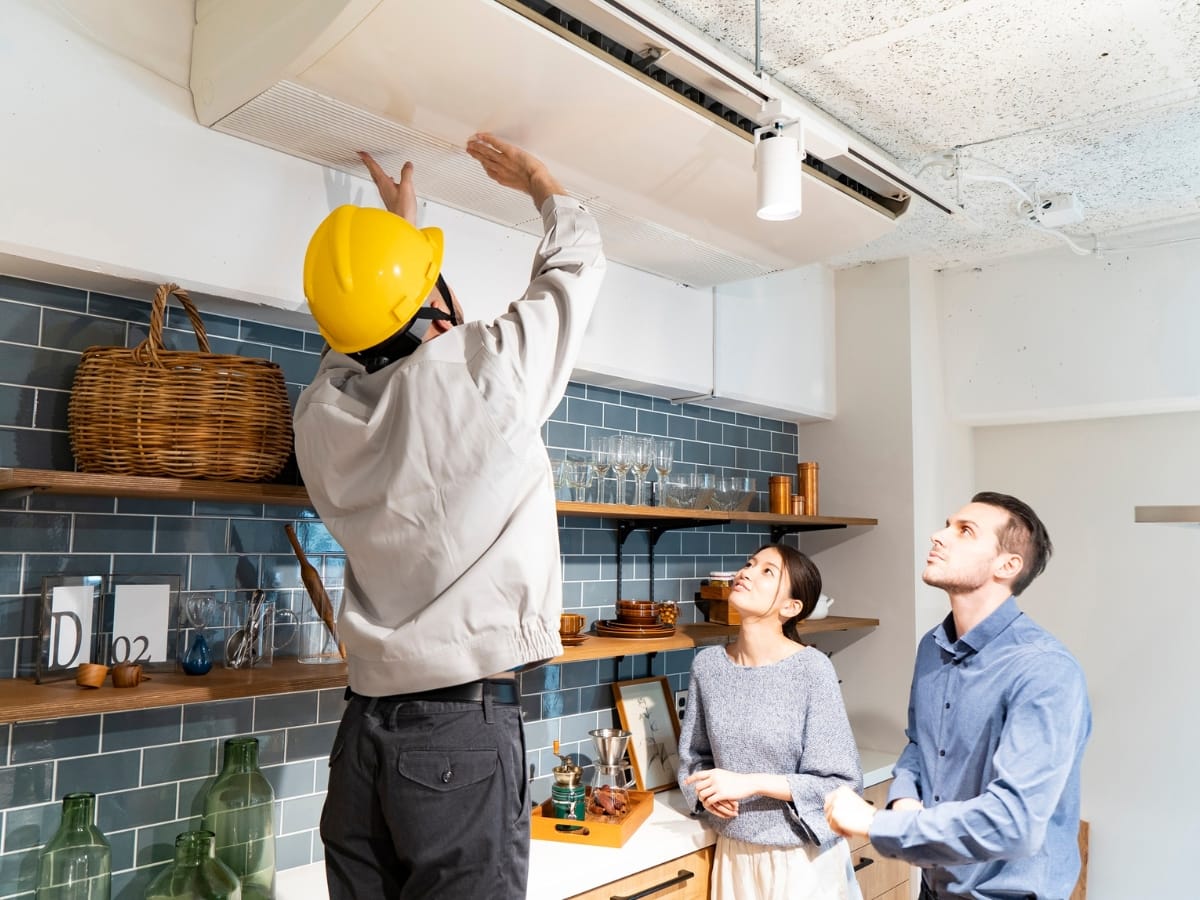
Preparing the exterior of your home before colder weather arrives is an essential part of any home maintenance checklist Georgia homeowners. Even though winters in the state are generally mild, freezing rain and occasional ice can still cause significant wear to roofs, gutters, and exterior structures. Focusing on drainage, roof condition, and nearby vegetation helps prevent water intrusion and costly damage during freeze-thaw cycles.
Start by cleaning gutters and inspecting downspouts to make sure water can drain freely away from your home’s foundation. Clogged gutters can lead to roof leaks and soil erosion around the perimeter of your house. Inspect the roof for missing shingles, cracked flashing, or gaps around chimneys that could let in water. Finally, trim trees and shrubs that hang over the roof or come into contact with exterior walls to prevent storm damage and debris buildup during winter weather.
Why Is Gutter Cleaning and Downspout Inspection Crucial Before Winter?
Gutters play a critical role in protecting your home’s foundation and roof. When leaves and debris clog gutters, rainwater and melting ice can overflow, causing moisture damage and encouraging mold growth. Cleaning gutters in late fall ensures that runoff moves freely through downspouts and away from the home. Check that downspouts are securely attached and that water is directed at least several feet from the foundation. If gutters appear sagging or detached, repairs should be made promptly to prevent water pooling along the roofline. Taking these preventive steps before temperatures drop keeps your home protected through Georgia’s unpredictable winter storms.
How Should You Inspect Your Roof and Chimney for Winter Safety?
Roof and chimney inspections should take place early in the fall, when weather is still stable. Look for loose or missing shingles, cracked flashing, or visible gaps around vents and chimneys. Inside the attic, inspect for signs of water staining or damp insulation, which may signal a leak. If your roof is steep or requires ladder access, it’s best to leave detailed inspections and repairs to a licensed roofing professional. Small maintenance tasks like resealing flashing or replacing a few shingles can prevent much larger leaks once winter precipitation begins.
When and How Do You Prune Trees and Shrubs for Winter Protection?
Tree and shrub maintenance is another key component of a thorough home maintenance checklist Georgia. Prune trees during their dormant season to remove weak or dead branches that could break under the weight of ice or high winds. Focus on clearing limbs that overhang roofs, fences, or power lines. Pruning not only prevents physical damage but also reduces debris buildup in gutters after storms. Large trees should be handled by certified arborists to ensure safe and proper trimming, particularly around utility lines or taller structures.
What Are Effective Ways to Seal Drafts Around Windows and Doors?
Air leaks around windows and doors can lead to noticeable energy loss during winter. Inspect the seals around frames and replace worn weatherstripping or cracked caulk. Door sweeps and foam gaskets can also reduce drafts and help maintain indoor temperatures. These small improvements offer quick comfort gains while lowering heating costs. Addressing air leaks before the first cold front arrives ensures that your home stays comfortable and energy efficient throughout the winter season.
How Can You Ensure Indoor Safety and Efficiency During Georgia Winters?
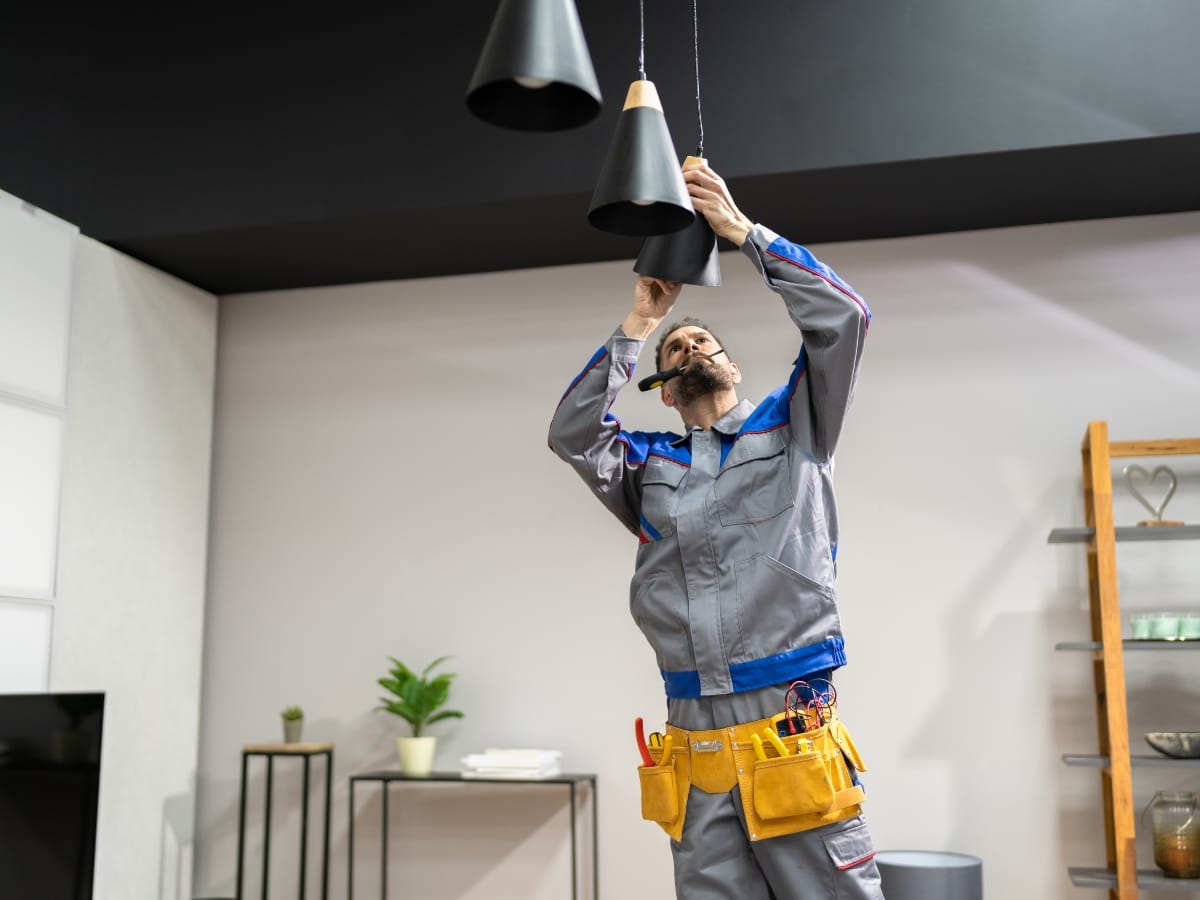
Maintaining indoor safety and efficiency during the colder months is an essential part of any home maintenance checklist Georgia homeowners. Even though winters are mild, short cold spells can still create safety and comfort challenges if systems aren’t properly maintained. Focusing on heating performance, indoor air quality, and emergency preparedness helps you avoid disruptions and reduce energy waste when temperatures drop.
Start by testing safety systems such as smoke and carbon monoxide detectors, inspecting filters for clean airflow, and checking that heating equipment runs smoothly. A small investment in regular checks can prevent larger problems later in the season. In addition, make sure your home is ready for short-term outages or storms by assembling a basic emergency kit. Together, these steps help keep your home warm, efficient, and secure all winter long.
How Often Should Smoke and Carbon Monoxide Detectors Be Tested?
Smoke and carbon monoxide detectors are your first line of defense during winter, when heating equipment operates more frequently. Each detector should be tested once a month using the built-in test button, and batteries should be replaced at least once a year. If your devices are older than 10 years, consider replacing them entirely since sensors lose accuracy over time.
When an alarm sounds, take it seriously. Evacuate immediately and contact local emergency services before reentering your home. Consistent testing ensures that detectors are working properly and that your household remains protected against hidden hazards.
What Should Be Included in a Winter Emergency Preparedness Kit?
Power outages and heating interruptions, while uncommon in Georgia, can still happen during severe weather. Having a winter emergency kit ready ensures you’re prepared for short-term disruptions. Stock it with flashlights, batteries, bottled water, nonperishable food, blankets, and a first-aid kit. A battery-powered radio and phone chargers can also help you stay informed and connected during outages.
Store your kit in a central, easy-to-reach location, and check its contents each fall to replace expired or missing items. Being prepared adds peace of mind and allows you to stay comfortable even during temporary power or heating losses.
How Can You Improve Indoor Air Quality During Winter Months?
Indoor air quality often declines during winter as homes are sealed to retain heat. To counter this, use higher-rated HVAC filters that trap more dust and allergens, and replace them regularly to maintain airflow. When the weather allows, open windows briefly to circulate fresh air and reduce indoor pollutants.
Managing humidity is another key factor in maintaining comfort and preventing mold. Use portable humidifiers if your air feels overly dry, but monitor moisture levels to avoid condensation on windows or walls. Cleaning vents, air registers, and ducts can further improve airflow and reduce dust buildup. Keeping these practices on your seasonal home maintenance checklist Georgia ensures that your indoor environment stays safe, efficient, and comfortable throughout the winter months.
When Should You Call Professionals for Winter Home Maintenance in Georgia?
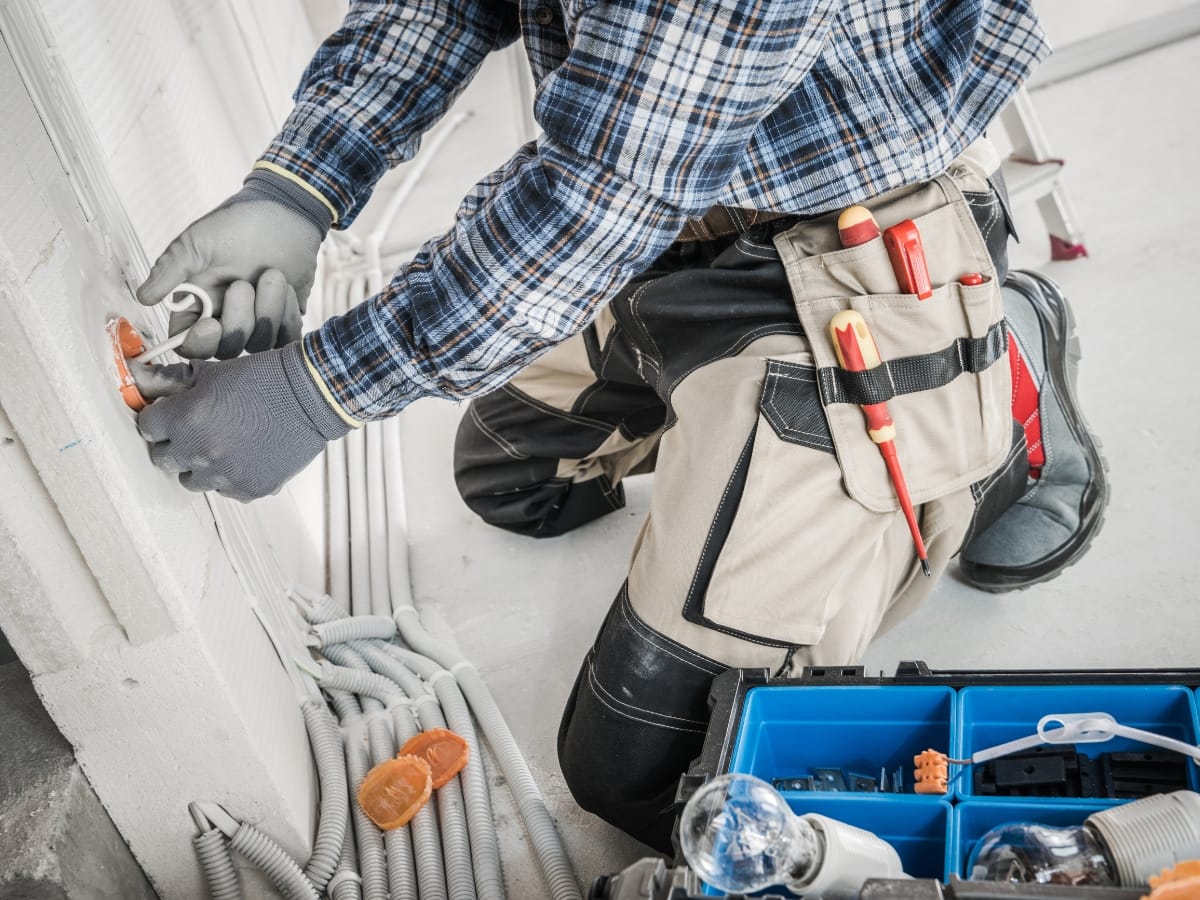
Some winter maintenance tasks are best left to professionals, especially when safety, system performance, or building codes are involved. A good home maintenance checklist Georgia should help you recognize when a job is beyond basic DIY and requires expert handling. Licensed technicians have the training, diagnostic tools, and safety equipment to address complex heating, plumbing, and electrical issues without risking damage or injury.
Homeowners can safely perform minor tasks like replacing filters, cleaning gutters, and adding weatherstripping. However, jobs involving combustion systems, gas lines, electrical wiring, or roofing should always be handled by certified professionals. These specialists can detect early warning signs, ensure code compliance, and maintain warranties that might be voided by unqualified repairs. Knowing when to make that call protects both your home and your budget in the long run.
Which Heating and Plumbing Tasks Require Expert Service?
Heating and plumbing systems often require professional attention because they involve gas, pressurized water, or electrical connections. Attempting to repair a furnace ignition, water heater, or frozen pipe without proper tools and training can lead to fires, flooding, or carbon monoxide leaks.
Professionals perform combustion safety tests, inspect heat exchangers, and verify that gas lines and valves are operating correctly. They can also manage refrigerant systems safely and repair frozen or ruptured pipes without causing additional water damage. Hiring an expert ensures that repairs meet safety standards and that your systems remain reliable throughout the winter.
What Are the Benefits of Scheduling Annual HVAC and Plumbing Tune-Ups?
Regular tune-ups for HVAC and plumbing systems keep them running efficiently and extend their lifespan. Annual inspections can identify worn components, small leaks, or buildup that reduce performance before they escalate into costly breakdowns. These preventative measures also lower energy use by improving airflow and combustion efficiency, which helps manage heating bills during Georgia’s colder months.
Documented service history can also be valuable for home resale or warranty protection. Buyers and insurers view well-maintained systems as a sign of responsible ownership, and many manufacturers require annual service to keep coverage valid. A structured maintenance plan ensures consistent care without the stress of remembering seasonal tasks.
How Do You Decide Between DIY and Professional Maintenance?
As a general rule, simple, low-risk tasks can be handled by homeowners, while anything involving combustion, electrical components, or structural work should be left to professionals. For example, homeowners can inspect filters monthly, insulate exposed pipes, or install faucet covers on outdoor spigots.
If airflow remains weak after replacing filters, or if a furnace makes unusual noises, call a technician for a full diagnostic. Similarly, if a frozen pipe or valve won’t thaw easily, professional plumbers can fix the issue safely and prevent water damage. Knowing your limits ensures the right balance between cost-effective DIY and expert intervention. Adding professional inspections and tune-ups to your home maintenance checklist for Georgia provides year-round protection, keeping your home safe, efficient, and ready for whatever winter brings.
Frequently Asked Questions
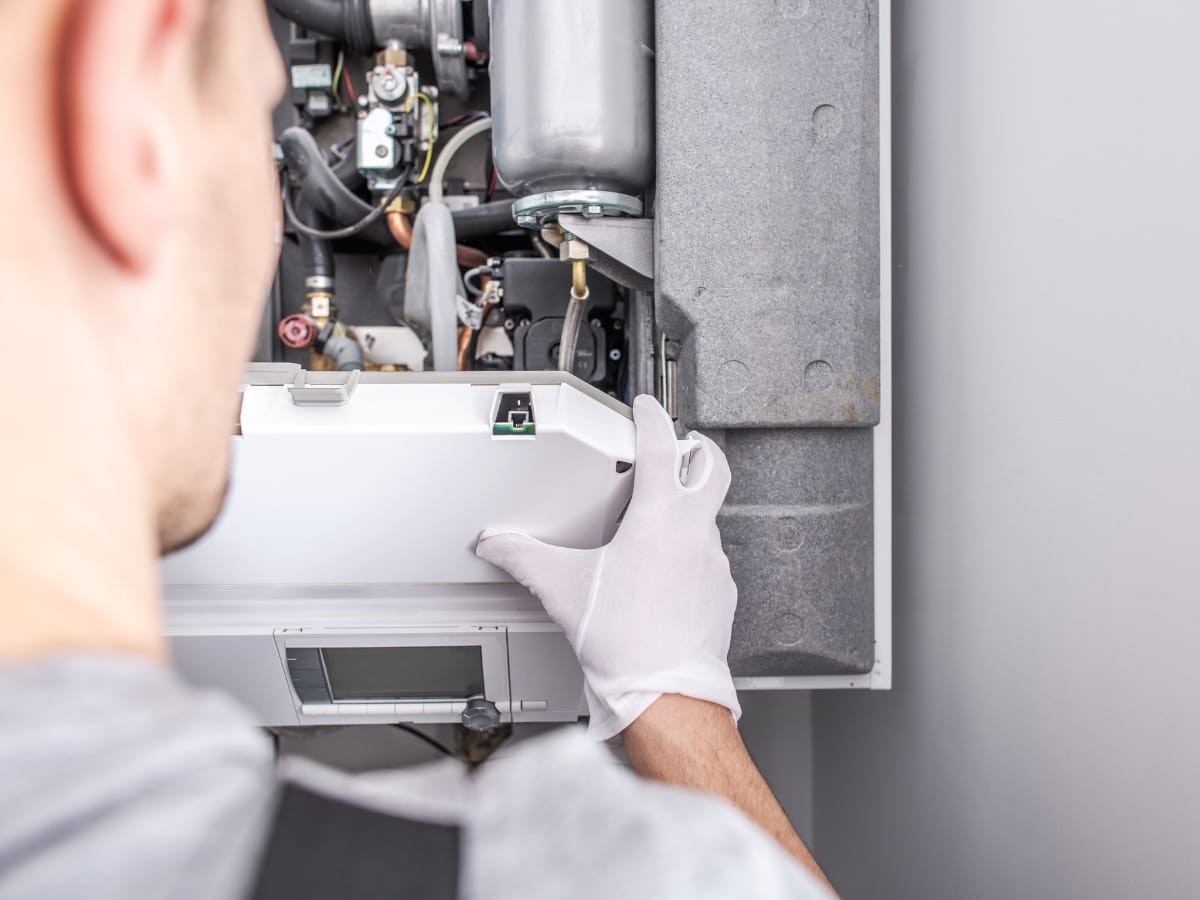
What are the signs that my heating system needs professional attention?
Signs that your heating system requires professional help include unusual noises such as banging or rattling, inconsistent heating throughout your home, and frequent cycling on and off. Additionally, if you notice an increase in energy bills without a change in usage, or if your thermostat fails to respond, these may indicate underlying issues. It’s crucial to address these symptoms promptly to avoid more significant problems and ensure your system operates safely and efficiently.
How can I prevent ice dams on my roof during winter?
Preventing ice dams involves ensuring proper insulation and ventilation in your attic. This helps maintain a consistent temperature on the roof, preventing snow from melting and refreezing at the eaves. Additionally, clearing gutters of debris allows for proper drainage, reducing the risk of water pooling. If ice dams do form, it’s best to consult a professional to safely remove them, as improper removal can damage your roof or lead to leaks.
What should I do if my pipes freeze despite winterization efforts?
If your pipes freeze, the first step is to turn off the water supply to prevent potential flooding. Then, apply gentle heat to the affected area using a hairdryer or heating pad, avoiding open flames. If the pipe remains frozen or if you suspect it has burst, contact a licensed plumber immediately. They can safely thaw the pipe and assess any damage, ensuring your plumbingsystem is restored without further complications.
How can I improve the energy efficiency of my home during winter?
Improving energyefficiency during winter can be achieved through several strategies. Start by sealing drafts around windows and doors with weatherstripping or caulk. Insulating your attic and walls can also help retain heat. Additionally, consider using programmable thermostats to optimize heating schedules and reduce energy consumption when you’re not home. Regular maintenance of your heating system, including filter changes and professional tune-ups, further enhances efficiency and comfort.
What are the benefits of using a professional service for winter home maintenance?
Using a professional service for winter home maintenance ensures that tasks are performed safely and effectively, reducing the risk of costly mistakes. Professionals have the expertise to identify potential issues that homeowners might overlook, such as hidden leaks or inefficient heating systems. Additionally, regular professional maintenance can extend the lifespan of your HVAC and plumbing systems, improve energyefficiency, and provide peace of mind knowing that your home is prepared for winter challenges.
How can I ensure my emergency preparedness kit is effective for winter?
To ensure your emergency preparedness kit is effective for winter, include essential items such as non-perishable food, bottled water, flashlights, batteries, and a first-aid kit. Additionally, consider adding blankets, a battery-powered radio, and a portable phone charger. Store the kit in an easily accessible location and review its contents regularly to replace expired items. Tailoring your kit to your family’s specific needs can enhance your readiness for winter emergencies.
Conclusion
Completing these essential home maintenance tasks before winter arrives is the key to protecting your Georgia home from the season’s harsh weather while keeping your family comfortable and your energy bills manageable. At inAir Heating & Air, we ensure your HVAC system is prepared for the increased demand with our professional winter HVAC tune-up services. Don’t wait for the first cold snap—call (770) 233-7777 or submit an HVAC request online today to schedule your service and enjoy a warm, worry-free winter.