



In Atlanta’s dynamic real estate market, staying ahead of home renovation trends is key to making strategic upgrades that boost both livability and resale value. As we look toward 2026, homeowners are prioritizing smart technology integration, sustainable materials, and flexible living spaces that cater to modern lifestyles.
In this guide, we’ll explore the top home renovation trends Atlanta homes can expect in the coming year—from energy-efficient retrofits and outdoor living expansions to wellness-focused primary suites—helping you invest in projects that deliver lasting appeal and a strong return on investment.
Home Renovation Trends Atlanta That Pay Off Long-Term
What Are The Top Home Renovation Trends In Atlanta For 2026?
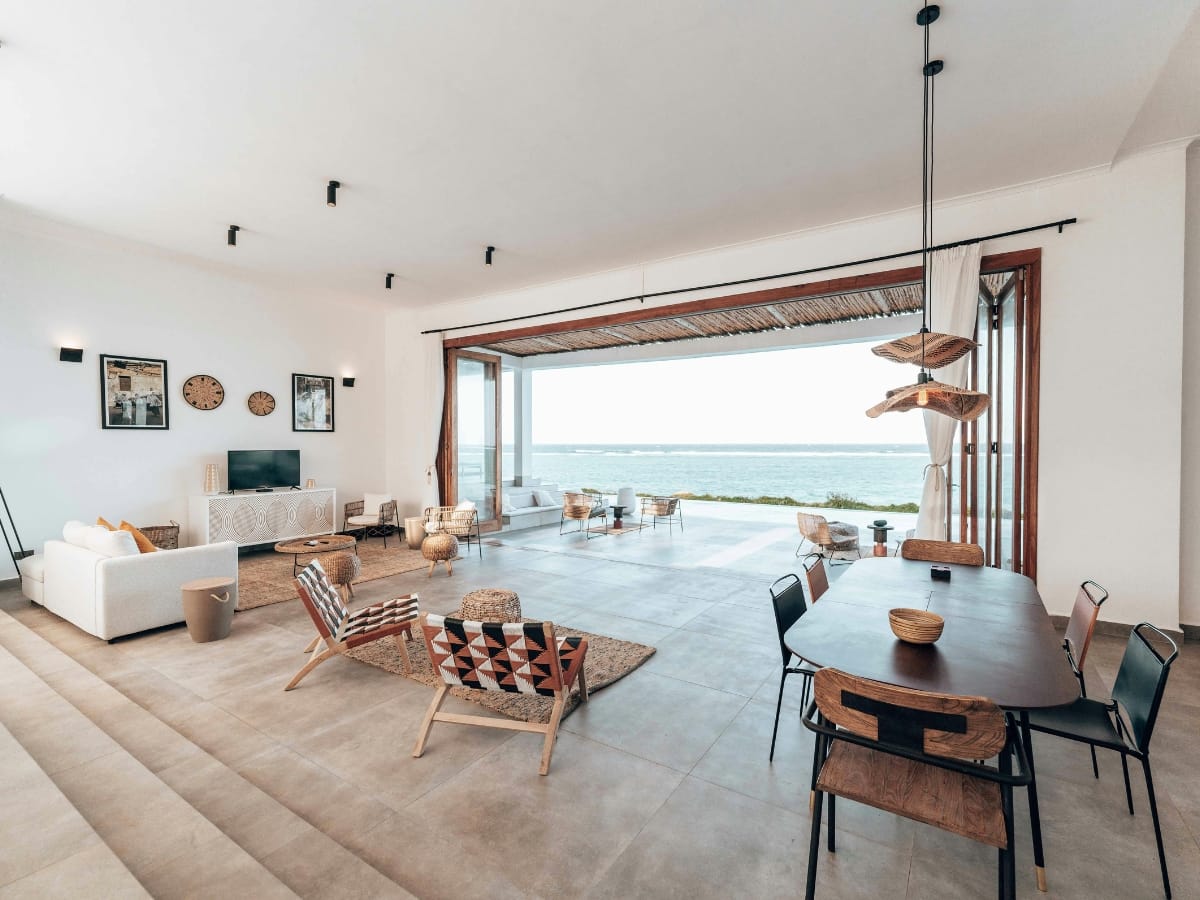
When you look at home renovation trends Atlanta homeowners are embracing in 2026, a clear pattern shows up. Buyers want homes that look fresh, feel comfortable in summer heat, and show proof of smart, efficient systems behind the walls. Projects that combine visible upgrades with behind-the-scenes improvements tend to perform best, because buyers notice both the finishes they can see and the lower energy bills they expect to pay.
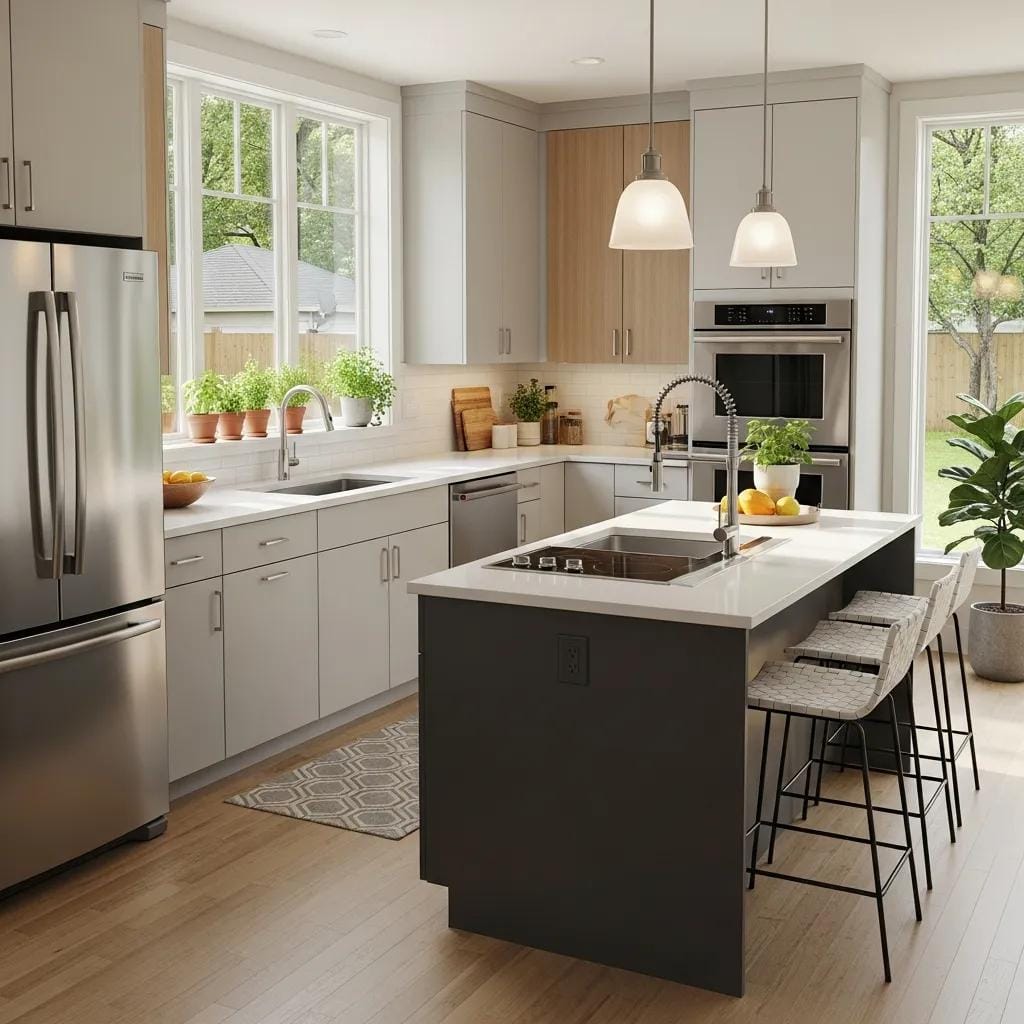
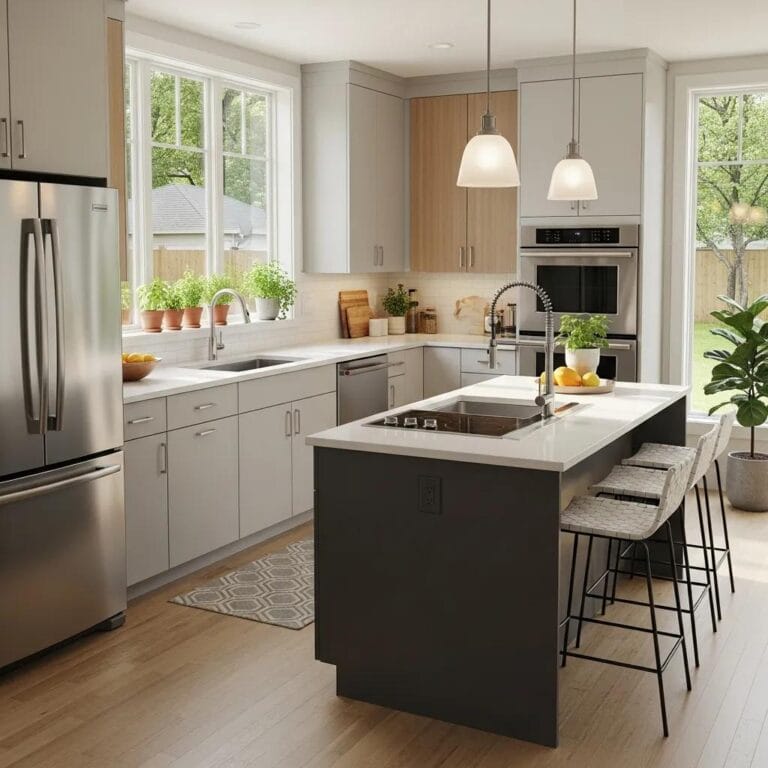
In the kitchen, most owners are focusing on minor to midrange remodels instead of full gut jobs. Refinishing or refacing cabinets, updating countertops, swapping in new fixtures, and adding a more efficient range or dishwasher can modernize the space without the cost of starting from scratch. In many Atlanta neighborhoods, a thoughtful kitchen refresh in the ten to twenty-five thousand dollar range can often recoup a majority of its cost at resale, especially when paired with a functional layout and good lighting.
Bathrooms are getting similar treatment. Popular projects include swapping tub and shower combos for walk-in showers, upgrading faucets and fixtures, and improving ventilation so humidity does not linger. These upgrades typically fall in the five to fifteen thousand dollar range and can return a solid portion of their cost, particularly in older homes where baths feel dated or cramped.
Mechanical systems are another major focus in home renovation trends Atlanta buyers pay attention to. High-efficiency air conditioners, heat pumps, and better ductwork matter in a city with long, hot summers. Replacing an older system with a more efficient unit often costs between six and eighteen thousand dollars, but buyers tend to value documented energy savings and newer equipment when comparing listings.
Which Kitchen And Bathroom Upgrades Deliver The Highest ROI In Atlanta?
Kitchens and bathrooms still carry the most weight when buyers walk through the door. That is why targeted, midrange updates often deliver better returns than very high-end overhauls. In the kitchen, durable surfaces, simple cabinet updates, and reliable, energy-efficient appliances usually appeal to a wide range of buyers. Instead of dramatic luxury features, many Atlanta homeowners are choosing neutral finishes and practical storage that photograph well and make daily cooking easier.
In bathrooms, buyers respond to clean lines, good lighting, and fixtures that feel current without being trendy. Walk in showers with clear glass, upgraded tile that is easy to maintain, and quiet, effective exhaust fans create a sense of comfort and care. Coordinating plumbing and HVAC work during these projects, such as adjusting venting or improving airflow, helps prevent future moisture problems and gives buyers confidence that the home has been updated thoughtfully, not just cosmetically.
How Do Outdoor Living Spaces And Curb Appeal Boost Property Value?
Outdoor living is another standout in home renovation trends Atlanta homeowners are leaning into. With so many warm months, a usable deck, patio, or covered seating area can feel like an extra room. Even modest projects, such as adding a well built deck in the five to twenty thousand dollar range or creating a simple paver patio with seating and lighting, can make a listing more competitive. These projects rarely recoup every dollar spent, but they often help homes sell faster and stand out online.
Curb appeal is the final piece that ties these trends together. Fresh landscaping, a new or upgraded garage door, and small siding or trim accents can dramatically improve first impressions. A quality garage door replacement, often in the one to three and a half thousand dollar range, is one of the highest recouping projects in many markets, and Atlanta is no exception. When exterior updates work together with updated kitchens, baths, and efficient systems, they create a complete story that satisfies both the eye and the practical concerns of today’s buyers.
How Do Energy‑Efficient HVAC Upgrades Increase Home Value in Atlanta?

Energy-efficient HVAC upgrades are one of the quieter drivers of value in a hot climate like Atlanta. When buyers walk through a home, they notice fresh paint and new countertops, but they also pay attention to the age and efficiency of the air conditioning system. In the context of home renovation trends Atlanta homeowners are following in 2026, modern HVAC ranks high because it affects comfort, monthly bills, and long-term maintenance.
Upgrading to high-efficiency central air, a modern heat pump, or improved ductwork can significantly lower cooling costs during long Atlanta summers. Lower utility bills are a concrete benefit that buyers understand, and clear documentation of equipment age, efficiency ratings, and recent service adds reassurance that they will not face an expensive surprise right after closing. Systems with better airflow and filtration also improve everyday comfort and can support healthier indoor air, which families increasingly look for when comparing homes.
There is also the potential for financial incentives. Many efficient systems qualify for federal 25C tax credits or local utility rebates, which reduce the net cost of the upgrade. When sellers can show both lower operating costs and available paperwork on recent improvements, those HVAC upgrades become a strong talking point that supports a higher asking price or faster offers.
What Are The Benefits Of High-Efficiency AC, Furnaces, And Heat Pumps?
High-efficiency air conditioners and heat pumps are particularly well suited to Atlanta’s climate, where cooling needs are higher than heating demands. Ratings such as SEER for cooling and HSPF or AFUE for heating give a quick snapshot of how well a unit converts energy into comfort. Higher ratings usually mean less wasted energy and lower monthly bills, which buyers see as an ongoing savings rather than a one-time perk.
For homeowners considering different home renovation trends Atlanta real estate agents recommend, pairing visible updates with behind-the-scenes improvements is often the most effective strategy. A kitchen refresh or new flooring will photograph well, but buyers are more confident when they see that the major systems have been addressed, too. A newer, high-efficiency HVAC system with a documented installation date and clear performance rating tells a simple story: the house has been cared for and is cheaper to run than older competing listings.
Improved indoor air quality is another advantage. Modern air handlers and filtration options can reduce dust, pollen, and other particles that circulate through the home. In a region where seasonal allergies are common, the promise of cleaner air can be just as persuasive as stylish finishes.
How Do Ductless Mini Splits And Indoor Air Quality Systems Enhance Comfort And Appeal?
Ductless mini splits solve a problem many Atlanta homes face: how to cool additions, basements, bonus rooms, or enclosed porches without tearing into existing walls and ceilings to extend ductwork. These systems provide zoned control, which means homeowners can cool specific rooms more intensely while dialing back others. Buyers often view this flexibility as a premium feature, since it lets them tailor comfort to their routines and avoid wasting energy in rarely used spaces.
Indoor air quality add-ons such as upgraded filters, ventilators, and whole-home dehumidifiers also add appeal. They help manage humidity, reduce musty odors, and keep the air feeling fresher during long stretches of heat and pollen. For households with children, older adults, or allergy concerns, these upgrades can become deciding factors when comparing similar homes.
Taken together, energy-efficient HVAC systems, smart zoning with ductless mini splits, and indoor air quality improvements fit neatly within the broader home renovation trends Atlanta buyers are rewarding. They may not be as visible as a new front door or a remodeled bath, but they shape how a home feels to live in every day and can quietly support both resale value and buyer confidence.
Why Is Smart Home Technology A Must-Have For Atlanta Renovations In 2026?
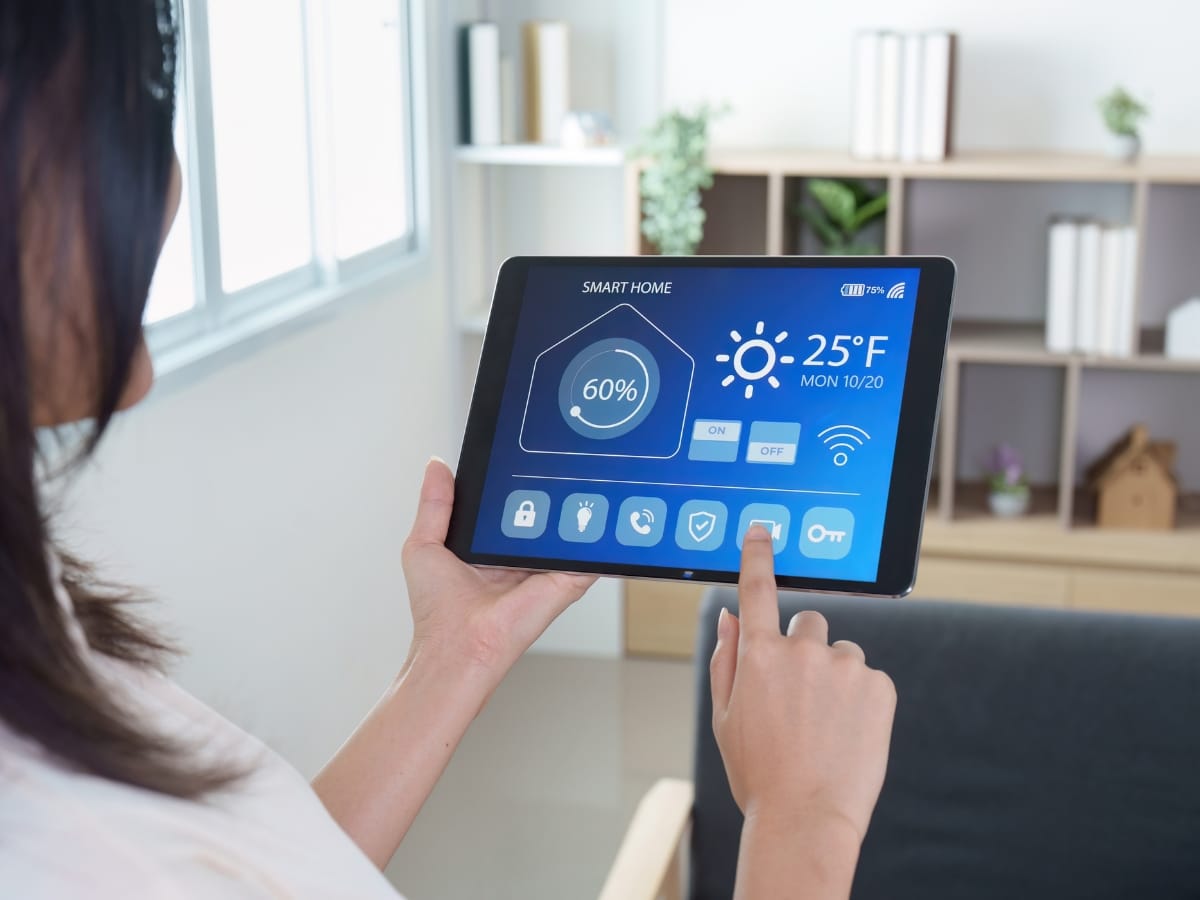
When you look at home renovation trends Atlanta homeowners are embracing in 2026, smart home technology is no longer a luxury add-on. It has become something buyers expect, especially in a city with hot summers and rising energy costs. Smart systems raise perceived value because they make homes more convenient to live in, easier to manage, and more transparent in how they use energy. A well-planned package of smart features suggests the property has been cared for and brought up to date, not just cosmetically refreshed.
Smart thermostats and zoning controls are often the starting point. They fine-tune heating and cooling so the system runs only when it is truly needed, which can trim monthly bills and create a more comfortable indoor environment. Because many of these devices show usage and savings data in an app, buyers can see that the home is not only attractive but also efficient and relatively inexpensive to operate. In a competitive market shaped by modern home renovation trends Atlanta buyers are paying attention to, that kind of proof can help a listing stand out and justify stronger offers.
How Do Smart Thermostats And Zoning Systems Improve Energy Management?
Smart thermostats improve energy management by learning how a household actually lives. Over time, they recognize when people are typically home, asleep, or away, then adjust temperatures automatically instead of relying on fixed schedules that do not match real life. This reduces wasted run time and avoids the common habit of overcooling or overheating a space just to feel comfortable at certain hours. Many models also provide reports on usage, costs, and suggested tweaks, which help owners make informed decisions about their settings.
Zoning systems take that idea a step further by dividing the home into separate areas that can be controlled independently. Instead of cooling every room to the same temperature, owners can focus comfort on bedrooms at night or living areas during the day, while allowing unused spaces to run warmer or cooler. That kind of targeted conditioning is especially useful in multi-story homes, additions, or finished basements where temperatures often vary. When smart thermostats and zoning are installed with proper attention to ductwork, dampers, and controls, they can meaningfully cut runtime and create a clear set of benefits that both current owners and future buyers can see and understand.
What Other Smart Home Features Complement HVAC Upgrades?
Once a home has efficient equipment and smart controls, other devices can build on that foundation and round out the overall upgrade. Smart vents, for example, can help balance airflow room by room when used carefully within a properly designed system. Whole home energy monitors allow owners to see which appliances and systems are driving usage, making it easier to spot waste and adjust habits. Combined with smart thermostats, these tools give a fuller picture of how the home consumes energy day to day.
Additional smart features also add appeal beyond pure efficiency. Connected lighting, security cameras, smart locks, and integrated sensors create a sense of safety and ease that many buyers now look for. Central hubs or platforms that let all of these devices communicate and be controlled from a single app make the technology feel approachable rather than overwhelming. When these elements are tied into a thoughtful renovation that already includes efficient HVAC and strong curb appeal, they align closely with the most in-demand home renovation trends Atlanta buyers are seeking in 2026: comfort, control, lower operating costs, and a feeling that the home is ready for the way people live now.
How Can Atlanta Homeowners Finance Value-Adding Renovations In 2026?

For many homeowners following current home renovation trends Atlanta is known for, the biggest question is not what to improve, but how to pay for it. In 2026, most value-adding projects are financed through a mix of personal loans, home equity products, contractor-backed financing, and incentives such as tax credits or utility rebates. The goal is to look at total cost after incentives, not just the price on the proposal, so you can decide which projects make the most sense right now and which can wait.
Personal loans and home equity lines of credit give you flexibility and can work well for whole-house updates or combined projects, such as pairing a minor kitchen refresh with a new high efficiency HVAC system. Contractor financing, when available, spreads the cost of specific projects over time and can be helpful if you want to move quickly on upgrades that match the strongest home renovation trends Atlanta buyers care about, like energy efficient systems or outdoor living improvements. Whatever route you choose, it is important to compare interest rates, repayment terms, and any promotional periods so the payment schedule fits comfortably into your budget.
Tax credits and rebates play a bigger role in Atlanta renovations than many people realize. Federal programs, including the 25C energy efficiency credit, can reduce the net cost of qualifying heat pumps, high efficiency air conditioners, and other energy saving equipment. Local utilities in Georgia may also offer rebates for certain installations or tune ups. To take full advantage, homeowners should keep detailed records of equipment specifications, model numbers, invoices, and installation dates, since these documents are often required when you file for credits or apply for rebates. Planning ahead around these programs can shift a project from “maybe in a few years” to “realistic this season.”
What Flexible Financing Solutions Does InAir Offer For HVAC And Plumbing Upgrades?
HVAC and plumbing improvements are some of the most impactful upgrades a homeowner can make, but they also represent a significant investment. inAir Heating & Air works with third-party lenders, including Synchrony Bank, to offer financing options that let homeowners spread the cost of new equipment, replacements, and major system upgrades over time. This type of financing typically involves a simple application and credit review, followed by a set of terms that outline interest rate, repayment period, and any required down payment.
During an in-home visit or consultation, technicians can walk through likely costs for different scenarios, such as replacing an aging air conditioner with a high-efficiency unit or upgrading to a modern heat pump and related ductwork. They can also help identify which portions of the project may qualify for tax credits or rebates so you can see both the upfront price and the expected net cost after incentives. For many families, combining reasonable monthly payments with long-term savings on energy bills is the most practical way to complete system upgrades that also support future resale value.
Which Federal And Local Tax Credits And Rebates Are Available For Energy-Efficient Upgrades?
As of mid-2026, federal energy efficiency provisions, including the 25C tax credit, allow homeowners to claim a portion of the cost of qualifying HVAC equipment and related improvements. These credits typically focus on systems that meet or exceed specific efficiency ratings, such as high SEER air conditioners, heat pumps, and certain advanced controls. On top of that, state agencies and Georgia utilities sometimes offer their own rebates for installing high-efficiency systems, heat pumps, or for completing performance-improving tune ups.
Because program details change, it is important to confirm current rules through official federal, state, and utility channels before you commit to a purchase. Check eligibility criteria, maximum credit amounts, and deadlines, then keep all paperwork tied to the project. When you line up financing, quotes, and incentives from the start, it becomes much easier to see how a planned HVAC or plumbing upgrade fits into your overall renovation strategy and how it supports the broader home renovation trends Atlanta buyers are rewarding, particularly around comfort, efficiency, and long-term operating costs.
Frequently Asked Questions About Home Renovation Trends In Atlanta
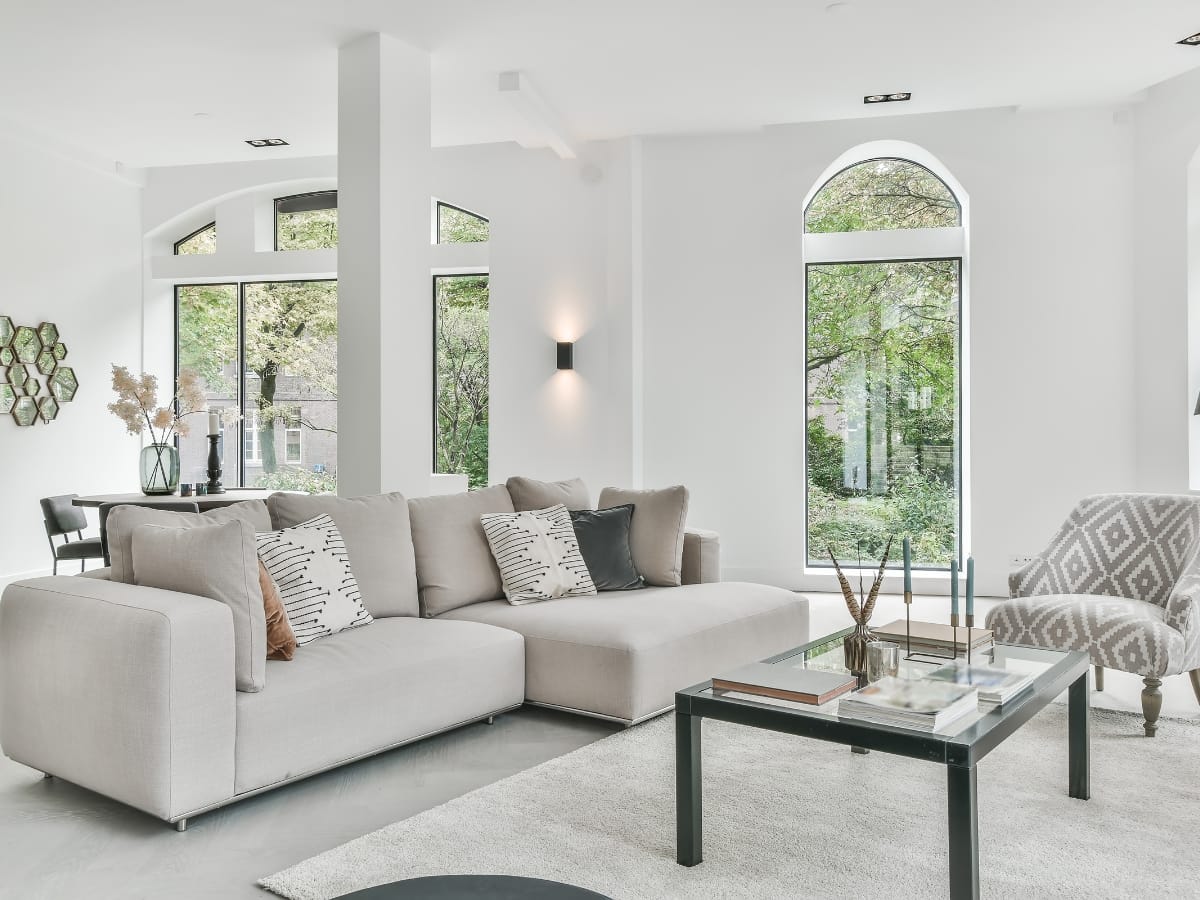
If you are trying to sort through all the home renovation trends Atlanta homeowners are following right now, it helps to start with a few practical questions. The answers below focus on cost, buyer preferences, financing, and incentives so you can plan upgrades that feel smart today and still make sense when you decide to sell.
What Are The Most Cost-Effective Home Renovation Projects In Atlanta?
In many neighborhoods, the projects that deliver the best balance of cost and return are minor kitchen remodels, bathroom refreshes, and garage door replacements. These updates improve how a home looks and functions without the higher price tag of a full gut renovation. A modest kitchen update that keeps the existing layout but upgrades finishes, lighting, and key appliances often recoups a strong share of its cost at resale. Garage door replacements are also consistently strong performers, since they transform curb appeal with a relatively small investment.
Because home renovation trends Atlanta buyers respond to change over time, it is helpful to think about “cost-effective” in more than one way. You want projects that photograph well for online listings, feel good to live with every day, and do not require constant upkeep. Durable surfaces, neutral finishes, and thoughtful lighting usually check all three boxes.
How Can Homeowners Ensure Their Renovations Meet Local Buyer Preferences?
The safest way to align with local tastes is to combine market research with on-the-ground advice. Look at recent listings and sales in your area to see which features show up again and again. Then talk with real estate professionals and experienced contractors who work daily with buyers in your part of the city. They can point out which home renovation trends Atlanta buyers are actively asking for and which ideas feel overdone.
In general, Atlanta shoppers place a high value on energy efficiency, comfortable outdoor living spaces, and modern but not overly trendy kitchens and bathrooms. Simple choices, such as better ventilation, upgraded HVAC, covered patios, and flexible family spaces, tend to appeal across many price points. When in doubt, lean toward timeless finishes and layouts instead of highly personalized designs that may not age well.
What Financing Options Are Available For Homeowners Looking To Renovate?
Most homeowners rely on some combination of personal loans, home equity lines of credit, and contractor-arranged financing. Personal loans can work well for smaller projects or when you prefer not to tap home equity. Home equity lines or loans are often used for larger renovations because they typically offer lower interest rates and longer repayment terms.
Contractor financing can be helpful when you want to move quickly on a specific project, such as an HVAC upgrade or a major system replacement. No matter which path you choose, it is important to compare interest rates, fees, and repayment schedules. Layer in federal tax credits and local utility rebates where possible, since these incentives can significantly reduce the true cost of energy-efficient upgrades.
How Do Energy-Efficient Upgrades Impact Home Insurance Rates?
Energy-efficient upgrades can sometimes have a positive effect on home insurance, largely because they reduce certain risks. Modern HVAC systems, improved ventilation, better insulation, and updated electrical work can all lower the chance of failures that lead to water damage, mold, or fire.
After you complete major upgrades, let your insurer know what has changed and ask whether any discounts apply. Some carriers offer better rates for homes with updated systems, and it can be worth getting quotes from more than one company. Even when premiums do not drop dramatically, newer, efficient systems usually reduce day-to-day operating costs, which still benefits your overall budget.
What Role Does Curb Appeal Play In Home Resale Value?
Curb appeal sets the tone before buyers even step inside. Fresh landscaping, clean walkways, updated lighting, and a newer garage door can make a home feel well cared for and move-in ready. These projects are often relatively affordable compared with full interior remodels, but they can shorten time on market and support stronger offers.
Because so many buyers start their search online, curb appeal also matters for listing photos. Simple improvements to the front of the property can help your home stand out in a crowded field of similar listings. Within the broader context of home renovation trends Atlanta buyers follow, curb appeal remains one of the most reliable ways to add perceived value without overspending.
Are There Specific Tax Incentives For Energy-Efficient Renovations In Atlanta?
Yes, many Atlanta homeowners can benefit from a mix of federal tax credits and local utility rebates tied to energy-efficient improvements. Federal programs, such as the 25C tax credit, may apply to qualifying heat pumps, high-efficiency air conditioners, and other approved upgrades. Local utilities sometimes offer rebates for installing efficient equipment or completing certain tune-ups.
Because program details can change, it is important to confirm current rules before you start a project. Check official federal and state resources, as well as your utility’s website, for eligibility criteria and application steps. Keep all invoices, equipment specifications, and installation documents so you are ready to claim any credits or rebates you qualify for. When you combine smart financing with available incentives, it becomes easier to pursue the home renovation trends Atlanta buyers care about while keeping long-term costs in check.
Conclusion
As you plan your Atlanta home renovation to maximize value in 2026, remember that comfort is the ultimate luxury. Integrating cutting-edge, energy-efficient HVAC systems and advanced indoor air quality solutions is one of the smartest upgrades you can make, appealing to future buyers and enhancing your daily life. At inAir Heating & Air, we are your partner in modernizing your home’s climate control with expert HVAC services. Ready to build value into your next renovation? Call (770) 233-7777 or submit an HVAC request online today for a consultation. Let’s ensure your upgraded home is as comfortable as it is valuable.