



When your furnace fails to ignite on a cold Atlanta morning, a malfunctioning pilot light is often the culprit—but before calling for emergency service, several troubleshooting steps can help you identify and potentially resolve the issue safely. From relighting a blown-out flame and cleaning a dirty thermocouple to checking for gas supply problems or drafts, understanding the basics of pilot light repair can restore warmth to your home quickly.
This guide provides Atlanta homeowners with a step-by-step approach to furnace pilot light troubleshooting, including when a simple fix suffices and when it’s time to call a licensed HVAC professional for expert repair.
Furnace Pilot Light Repair Done Right the First Time
Why Does My Furnace Pilot Light Keep Going Out in Atlanta?
When a furnace pilot light keeps going out, it is usually a sign that something is interrupting the flame or the furnace is not sensing it correctly. In Atlanta, this can be especially noticeable during colder stretches when the system cycles more often and small issues turn into recurring shutdowns.
While some causes are simple, others point to a problem that can affect reliability, comfort, and safety. If you are dealing with repeated outages, treating it as a pilot light repair issue instead of a one time relight can help you get to the real cause.
What Common Problems Cause A Pilot Light To Go Out?
One of the most common reasons is a dirty or failing thermocouple. This small safety sensor sits in the pilot flame and confirms that the burner can safely receive gas. If the thermocouple is coated with dust, soot, or oxidation, it may not read the heat correctly. When that happens, the furnace shuts off the gas as a safety measure, and the pilot goes out. A weak pilot flame can create the same effect because the sensor is not getting enough consistent heat.
Gas supply interruptions can also lead to repeated outages. This does not always mean a major utility problem. It can be as simple as a partially closed gas valve, low gas pressure, or a restriction somewhere in the line. Even minor fluctuations can prevent the pilot from staying steady, which then triggers the safety shutoff. This is another situation where pilot light repair is often needed because relighting alone does not fix the underlying issue.
Drafts are another frequent culprit, especially in older homes or utility rooms with poor sealing. A gust from a nearby door, a return vent pulling air too aggressively, or a dryer venting nearby can disrupt the flame. If you notice the pilot goes out more often on windy days or when certain appliances run, airflow is worth checking.
How To Troubleshoot Pilot Light Issues Safely
Start with basic safety. If you smell gas, do not attempt troubleshooting. Leave the area, avoid turning switches on or off, and follow your gas provider’s guidance. If there is no odor, turn the furnace to the off setting and allow a few minutes for any lingering gas to dissipate. Keep the area ventilated while you inspect what you can safely see.
Next, look at the pilot flame through the viewing window if your unit has one. A healthy flame is typically steady and mostly blue. If it looks weak, flickers heavily, or burns more yellow than blue, that can point to dirt buildup, airflow problems, or a supply issue. At this stage, many homeowners focus on pilot light repair steps like gently cleaning around the pilot assembly and thermocouple area, but it is important not to adjust gas components unless you are trained to do so.
If the pilot relights but will not stay on, or if it stays on but frequently drops out, it is time to consider a professional inspection. Thermocouple replacement, gas pressure testing, venting checks, and burner cleaning are common fixes, but they require the right tools and safety procedures. In other words, if this has become a repeat pattern, calling for pilot light repair is often the fastest way to restore stable heat and avoid a bigger shutdown later.
How Do I Safely Relight My Furnace Pilot Light?
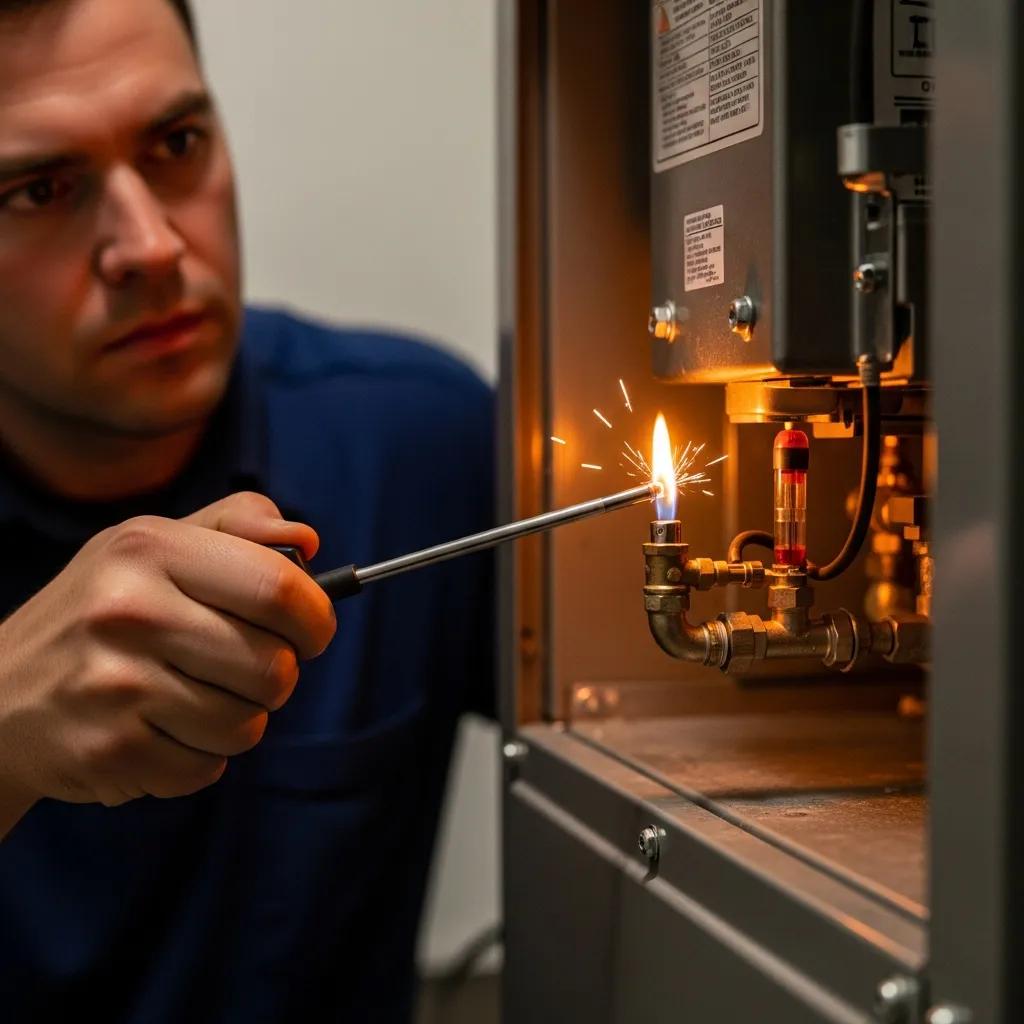
Relighting a furnace pilot light is usually manageable, but it needs to be done carefully. A pilot is tied directly to your gas supply, so the goal is to restore heat without rushing or skipping safety steps. If you are dealing with frequent outages, relighting may get you through the moment, but repeated shutdowns often point to a pilot light repair issue that should be addressed so you are not stuck doing this again in a few days.
What Safety Precautions Should You Take Before Relighting?
Before you do anything, pay attention to smell. If you notice a strong gas odor, do not try to relight the pilot. Leave the area and follow your gas provider’s safety guidance. If there is no odor, set the thermostat to off so the furnace does not try to cycle while you are working.
Next, turn the gas control knob on the furnace to the off position and wait at least five minutes. This pause matters because it allows any residual gas in the combustion area to dissipate. Keep the room ventilated and avoid open flames or sparks while you wait.
It is also smart to do a quick visual check around the furnace. Make sure the access panel is properly seated and that there are no obvious signs of soot, scorching, or damaged wiring near the burner area. Some homeowners like to check for gas leaks using soapy water on accessible connections, but do not take panels apart or loosen fittings. If you see bubbles forming on a connection, stop and call a licensed professional. That is not a DIY moment, and it falls squarely under pilot light repair and gas safety work.
What Are The Step By Step Instructions To Relight A Pilot Light?
Start by locating the pilot access opening and the gas control valve. Most furnaces have a knob with settings like off, pilot, and on. Turn the knob to pilot. If your unit has a reset button or you need to press the knob inward, be ready to hold it in place.
While holding the knob or reset button down, use a long lighter or fireplace match to ignite the pilot. You should see the flame catch within a few seconds. Keep holding the knob down for about thirty seconds after ignition. This gives the thermocouple time to heat up and confirm the flame is present. If you release too early, the safety sensor may shut the gas off, and the pilot will go out again.
After thirty seconds, slowly release the knob. The pilot should remain lit with a steady flame. If it immediately goes out, do not keep repeating attempts. Turn the knob back to off, wait another five minutes, and stop after one more careful attempt. When a pilot will not stay lit, the issue is often a dirty thermocouple, a weak pilot flame, or another problem that requires pilot light repair rather than repeated relighting.
If the pilot stays on, turn the knob to on, replace the access panel securely, and set the thermostat back to heat. Watch the furnace cycle once to confirm it lights normally and stays running. If the pilot goes out again later the same day, treat that as a sign that professional pilot light repair is likely needed.
What Do Different Pilot Light Colors Mean For My Furnace?
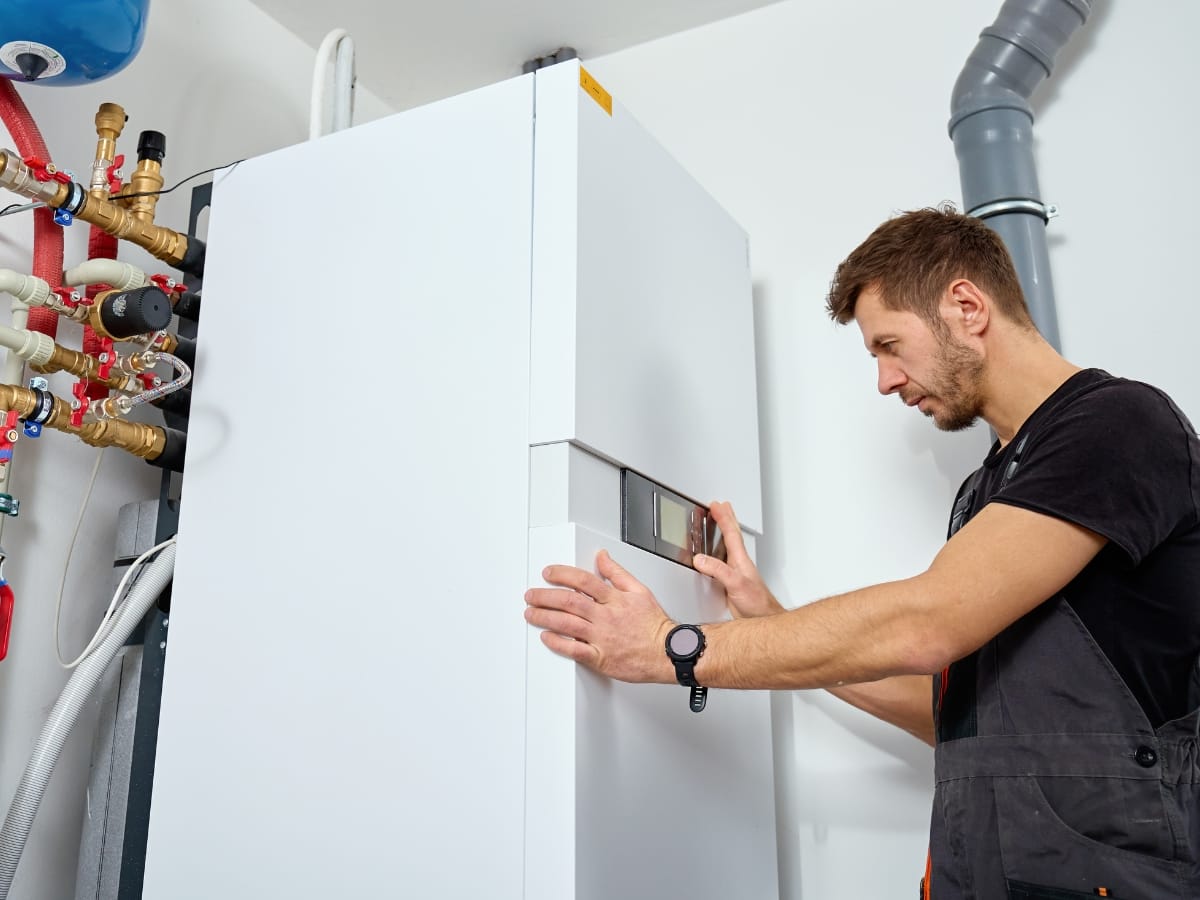
Your furnace pilot light can tell you a lot about how safely and efficiently the system is burning fuel. Most homeowners only notice the pilot when the heat stops working, but checking the flame color now and then is a simple way to spot problems early. If you are already dealing with frequent outages, pilot light repair may be the real fix, especially when flame color changes along with performance issues like uneven heat, strange smells, or soot around the burner area.
Why Is A Yellow Or Orange Pilot Light Dangerous?
A pilot flame that looks yellow or orange instead of mostly blue often points to poor combustion. In plain terms, the furnace is not getting the right mix of gas and oxygen, so it burns “dirty.” That can lead to soot buildup, reduced efficiency, and, more importantly, the risk of carbon monoxide. You do not need to diagnose the exact cause to take it seriously.
A yellow or orange pilot can be triggered by a dirty burner, clogged intake, poor ventilation, or debris in the pilot assembly. It can also happen if the furnace is not drafting properly through the flue. In some cases, the flame may flicker or lift away from the thermocouple, which can cause the pilot to go out and the system to shut down. That is one reason pilot light repair is not always just relighting the flame. Sometimes the problem is a condition that keeps the pilot from burning clean and steady.
If you notice a yellow or orange pilot light, the safest move is to shut the system down and avoid running it until it is inspected. If anyone in the home has symptoms like headaches, dizziness, or nausea while the heat is running, treat that as urgent and get fresh air right away. Pilot flame color is not something to ignore, because it can be an early warning sign of a combustion or venting problem.
How To Recognize A Healthy Blue Pilot Light?
A healthy pilot light is mostly blue, steady, and consistent. You may see a small yellow tip, but the main flame should be blue and should not be waving wildly, sputtering, or drifting away from the pilot assembly. When the flame is stable, it heats the thermocouple properly, which helps the furnace stay on during normal operation.
It also helps to pay attention to how the flame behaves, not just the color. A strong blue flame that holds its shape is a good sign. A weak flame, even if it is blue, can still cause trouble because it may not keep the thermocouple hot enough, leading to repeated shutdowns. If the pilot looks blue but keeps going out, pilot light repair may involve cleaning the pilot or burner, checking the thermocouple, or addressing airflow issues that are disrupting the flame.
As a general rule, treat pilot color changes as a maintenance signal, not just a cosmetic detail. If the flame is anything other than steady blue, or if it is blue but unreliable, it is worth getting the underlying cause corrected so your furnace runs safely and you are not relighting the pilot over and over again.
When to Call a Professional for Furnace Pilot Light Repair in Atlanta
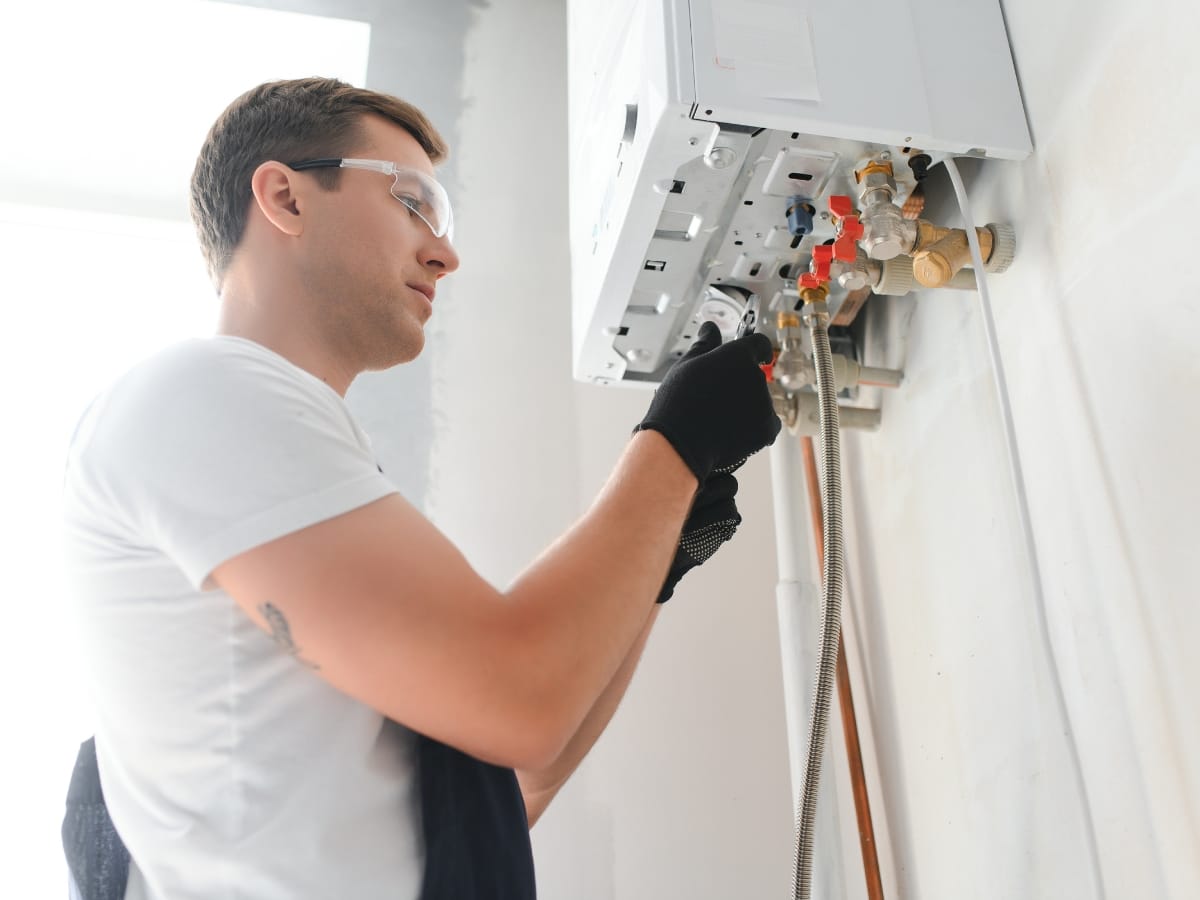
Most pilot light problems start small, but they can point to bigger issues that affect safety, comfort, and the life of your furnace. A one-time outage after a cold snap or a drafty day is one thing. Ongoing outages, changes in flame color, or anything that suggests a gas or combustion problem are when pilot light repair should move from DIY checks to a professional inspection. The goal is not just getting the flame back on, but making sure it stays on for the right reasons.
What Are Signs That Require Expert Intervention?
If the pilot light keeps going out after you have confirmed the gas valve is open and followed safe relighting steps, it is usually a sign that something is not working the way it should. A failing thermocouple is common, but it is not the only cause. Weak flame strength, a dirty pilot orifice, airflow problems, or venting issues can all create repeat shutdowns. When the pilot will not stay lit, the furnace is telling you it cannot run safely, so continuing to relight it over and over just delays the real fix.
A gas smell is always a stop-and-call situation. Even a faint odor near the furnace, gas line, or shutoff valve should be treated seriously. Shut the system off, avoid anything that could create a spark, and get help. The same applies if you see soot around the burner area or the pilot flame is yellow or orange instead of mostly blue. Those changes can point to combustion or ventilation problems that should be handled by someone trained to test and adjust the system.
Unusual noises are another clue that pilot light repair may not be the only issue. Rattling, booming, or popping can suggest delayed ignition, burner buildup, or mechanical wear. Those problems can worsen over time and may create safety concerns if they are ignored. If your furnace is cycling on and off frequently, heating inconsistently, or struggling to keep the home comfortable, it is worth having it evaluated before the system fails at the worst time.
What Can A Professional Check During Pilot Light Repair?
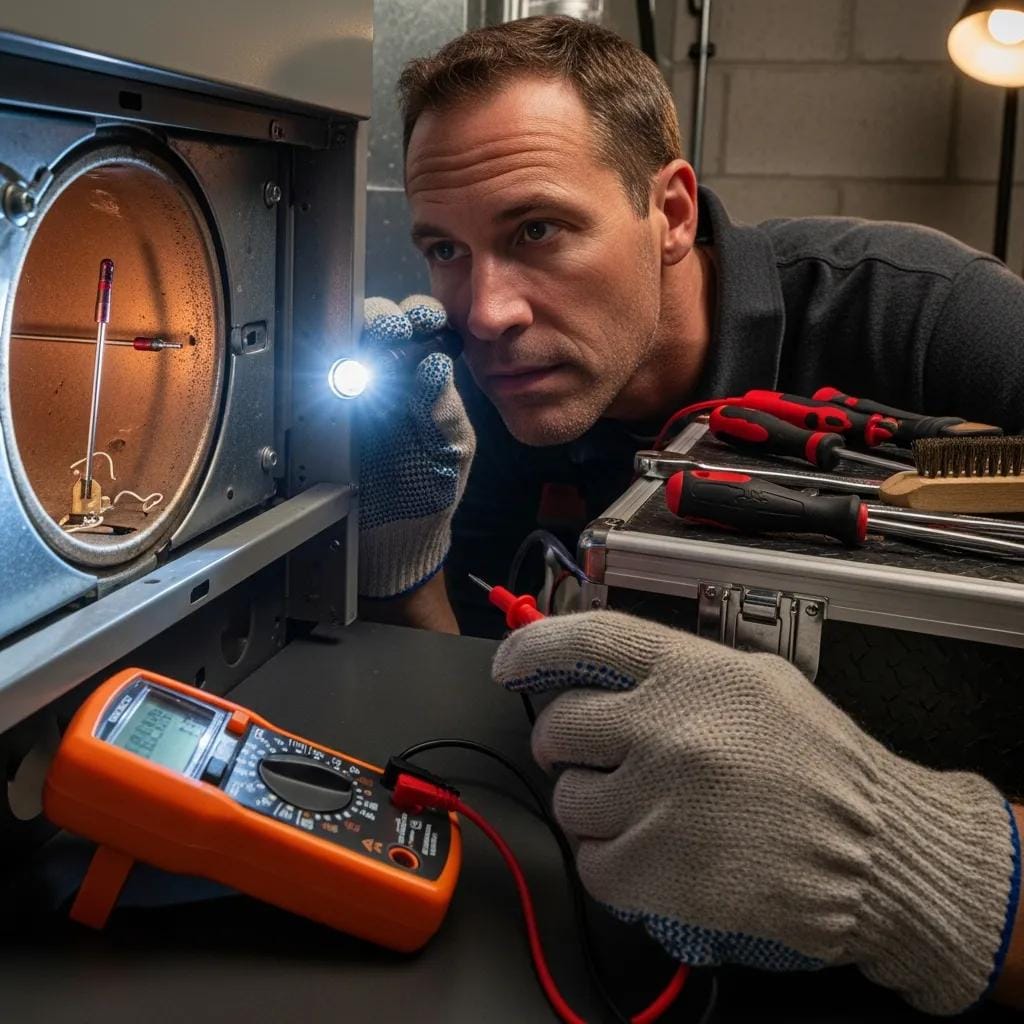
A technician typically looks beyond the pilot flame itself. They may clean the pilot assembly and burner, test the thermocouple output, check gas pressure, and confirm the draft and venting are working correctly. They can also inspect for airflow problems that cause flame disruption, including issues with return air, filter restriction, or placement near drafts. This matters because pilot light repair is often about restoring stable operation, not just replacing a part.
In some homes, pilot problems are tied to age or wear in the gas valve or related safety components. Those are not parts you want to guess on. Getting the system checked helps protect your furnace and reduces the chance of repeated outages that strain other components.
Common Causes Professionals Look For During Pilot Light Repair
Pilot light failures often come down to one of a few patterns. A dirty thermocouple can lose its ability to sense heat properly, which shuts off the gas. Gas supply issues can include a partially closed valve, pressure problems, or a restriction that weakens the flame. Drafts from doors, attic access points, or nearby vents can blow the pilot out or pull the flame away from the sensor. When those are corrected, pilot light repair tends to last instead of turning into a weekly annoyance.
If you are dealing with repeated outages, gas odors, soot, or strange furnace behavior, getting professional pilot light repair is the safer move, and it usually saves time compared to troubleshooting in circles.
(Frequently Asked Questions) FAQs About Furnace Pilot Light Repair
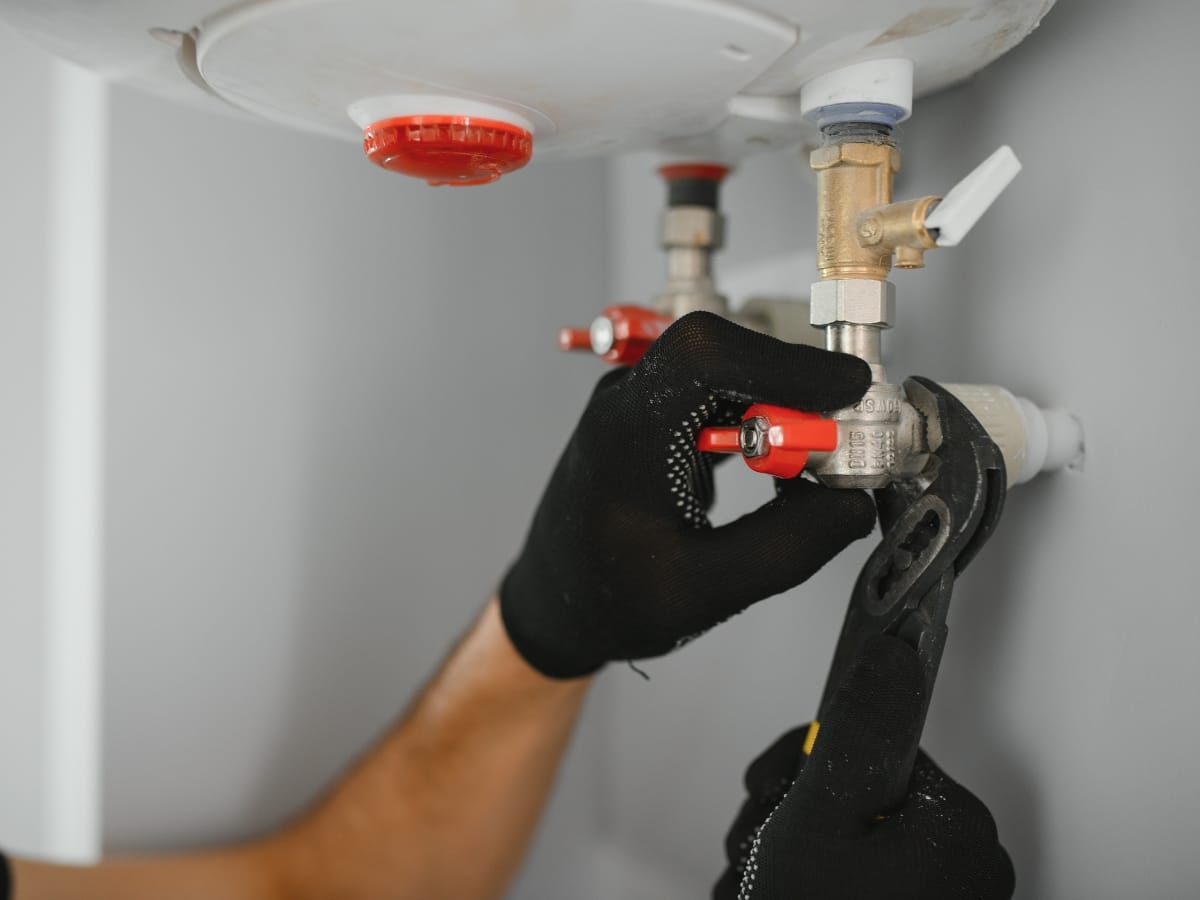
Furnace issues have a way of showing up at the worst time, and a pilot light that will not stay lit can quickly turn into a bigger headache. The good news is that many concerns around furnace pilot lights are predictable, which means the fix is often straightforward once you understand what is happening. These FAQs cover the most common questions homeowners ask about pilot light repair, including what is normal, what is not, and when it is time to bring in an expert.
Why Does My Pilot Light Keep Going Out?
If the pilot light goes out repeatedly, it usually points to a component that is not sensing flame correctly or a condition that is disrupting combustion. A worn thermocouple is one of the most common causes, since it is designed to detect heat and keep the gas valve open. If it cannot read the flame reliably, the system shuts off gas as a safety measure. Drafts can also be a factor, especially in older homes where airflow from doors, windows, or nearby vents can push the flame off the sensor. In some cases, the pilot assembly may be dirty, which affects how steady the flame burns and can lead to frequent outages that require pilot light repair.
Is It Safe To Relight A Furnace Pilot Light Myself?
In many homes, relighting a pilot light is safe if you follow the instructions on the unit and take basic precautions. Start by turning the gas control to the off position and waiting a few minutes so any lingering gas can clear. If you smell gas at any point, stop immediately and do not try to relight the furnace. Once you are confident it is safe, follow the relighting steps exactly as the manufacturer outlines. If the pilot will not stay lit after a careful attempt, that is usually a sign that pilot light repair involves more than just relighting, and you should avoid repeated tries.
What Does The Pilot Light Color Tell Me?
The flame color is one of the quickest ways to spot a potential problem. A healthy pilot light is typically steady and blue, sometimes with a small yellow tip. A yellow or orange flame can suggest incomplete combustion, which may be linked to airflow issues, burner buildup, or venting problems. That is not something to ignore. If you see a weak flame, flickering, or heavy yellowing, treat it as a reason to schedule pilot light repair sooner rather than later, since combustion issues can affect both performance and safety.
How Do I Know If The Thermocouple Is Bad?
A failing thermocouple often shows up as a pilot light that lights briefly, then goes out as soon as you release the control knob. That happens because the thermocouple is not sending a strong enough signal to keep the gas valve open. Sometimes the issue is simple buildup on the sensor, but it can also be wear over time. Because thermocouples are part of the furnace safety system, it is smart to have a professional confirm the cause instead of guessing, especially if the system has had repeat pilot light repair needs.
When Should I Call A Professional For Pilot Light Repair?
Call for help if the pilot light will not stay lit after you follow proper relighting steps, if you notice gas odors, or if the flame looks abnormal. You should also get the furnace checked if you see soot around the burner area, hear booming or popping at startup, or notice inconsistent heating. Those symptoms can point to ignition or venting problems that go beyond basic pilot troubleshooting. Professional pilot light repair is also a good idea if the furnace is older and outages have become more frequent, since small failures can stack up quickly.
How Can I Reduce Pilot Light Problems In The Future?
A little maintenance goes a long way with gas furnaces. Keeping the area around the furnace clear, changing filters on schedule, and addressing drafts near the unit can help stabilize the flame. Regular inspections also catch buildup and worn parts before they trigger shutdowns. If your home has ongoing pilot issues, consistent maintenance can reduce emergency calls and make pilot light repair less likely during peak heating season.
Conclusion
A furnace pilot light that won’t stay lit is more than an inconvenience—it’s a sign that your heating system needs professional attention. While simple fixes like checking the gas valve or cleaning the thermocouple can sometimes help, gas-related issues require the expertise of a licensed technician to ensure safety and proper function. For reliable pilot light repair and comprehensive furnace service in Atlanta, trust the certified HVAC professionals at inAir Heating & Air. Don’t risk your family’s safety or comfort this winter. Call (770) 233-7777 or submit an HVAC request online today for prompt, professional service. Let us restore your warmth and peace of mind.