



When your furnace fails to heat your Atlanta home during a chilly spell, understanding basic troubleshooting can help you quickly identify common, fixable issues before calling for service. From checking your thermostat settings and replacing a dirty air filter to resetting the circuit breaker and inspecting the pilot light or ignition system, many heating interruptions have simple solutions.
This furnace troubleshooting guide walks Atlanta homeowners through a logical, step-by-step diagnostic process to restore warmth efficiently and determine when it’s time to contact a professional HVAC technician.
Furnace Troubleshooting Checks You Can Do Today
What Initial Checks Can You Perform When Your Furnace Isn’t Heating?
When you are dealing with a furnace that is not producing heat, it is tempting to assume something major is broken. In reality, many heating issues come down to a few common, fixable problems. A solid furnace troubleshooting approach starts with simple checks that help you rule out basic causes before you spend time chasing a bigger issue. These quick steps are also useful because they can prevent unnecessary service calls when the fix is something like a setting, a tripped switch, or restricted airflow.
The goal is to confirm the furnace is receiving the right signals to turn on and that air can move through the system the way it should. Start with the thermostat, then move to airflow and the filter, since those two areas account for a lot of no-heat complaints.
How Do You Check And Adjust Your Thermostat Settings?
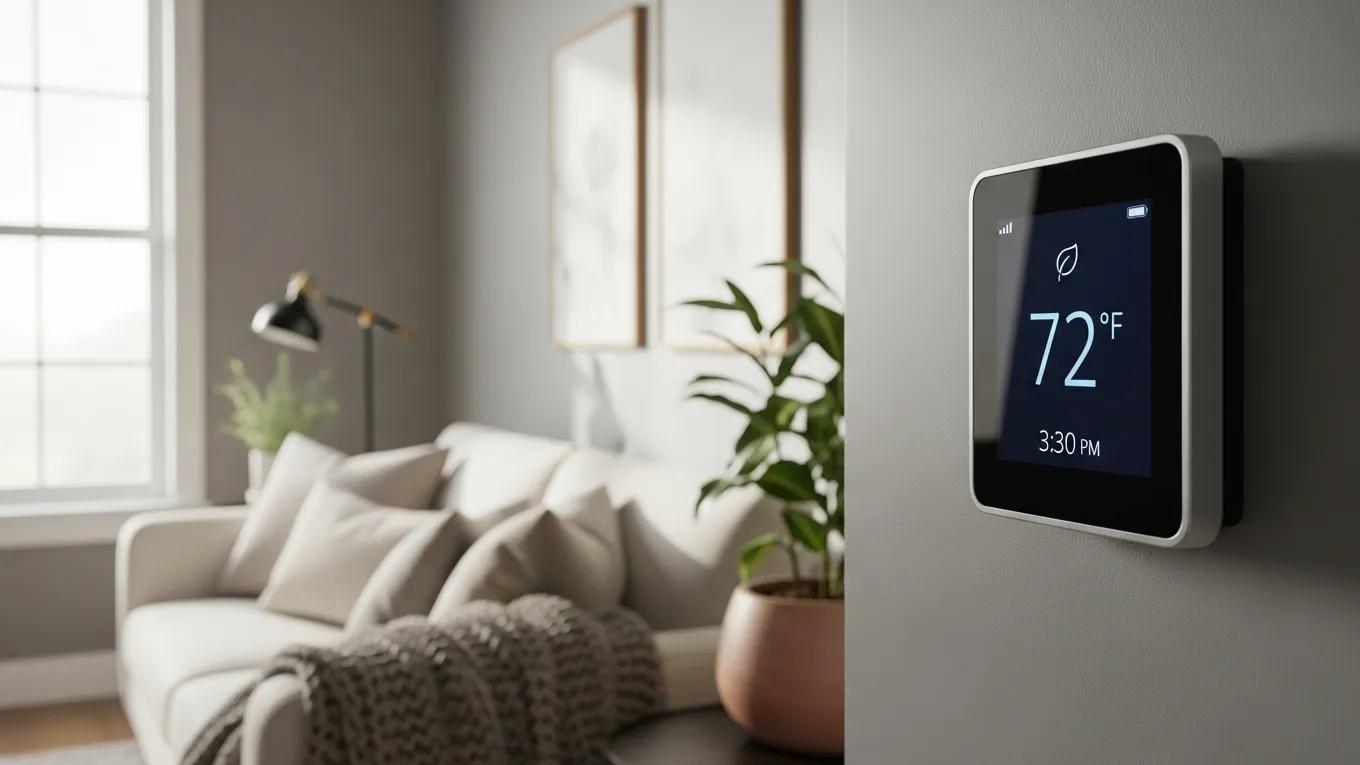
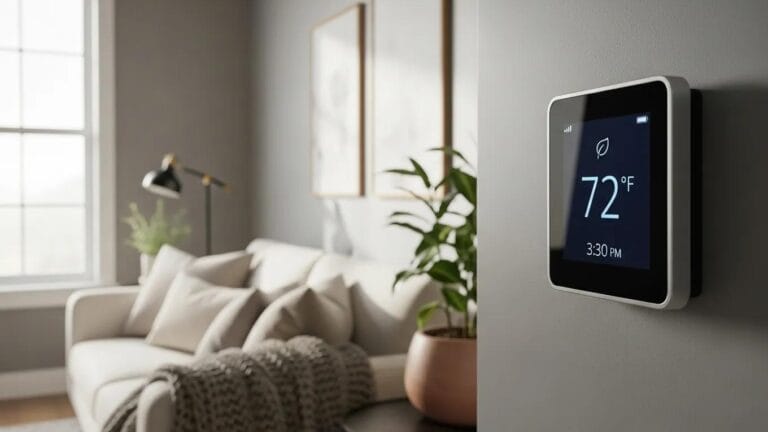
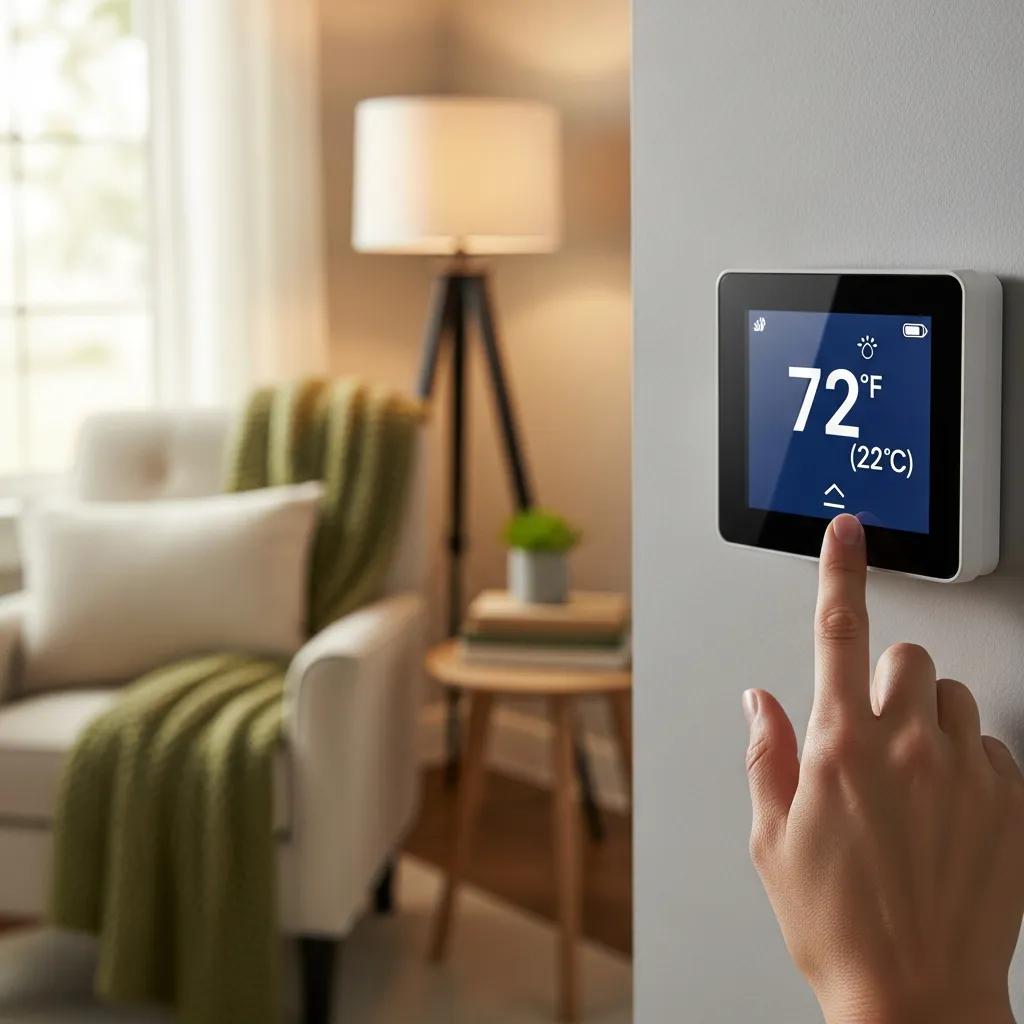
The thermostat is the command point for your heating system, so it is the first place to look during furnace troubleshooting. Make sure it is set to heat mode and that the fan setting is on auto, not on. Auto allows the furnace to control the blower, while on keeps the fan running constantly, which can confuse what is happening when you are testing for heat.
Next, raise the temperature a few degrees above the current room temperature and listen for a response. You may hear a click, or you may hear the furnace start up within a short period. If your thermostat uses batteries, replacing them is a smart step even if the display still works. Low batteries can cause inconsistent signals and lead to intermittent heating problems.
If you have a programmable thermostat, confirm the schedule is not overriding your manual setting. It is also worth checking that the thermostat is not set to a hold or vacation mode that prevents it from calling for heat the way you expect.
How To Inspect And Replace A Dirty Furnace Air Filter?
Airflow problems are another common cause of heating issues, and a dirty filter is one of the easiest fixes. During furnace troubleshooting, check the filter early because restricted airflow can cause the furnace to overheat and shut down as a safety measure. It can also reduce how much warm air reaches your rooms, which makes it feel like the furnace is not heating even when it is running.
Most filters are located behind a return grille, in a slot along the return duct, or near the blower compartment. Turn the system off before removing the filter, then slide it out and inspect it. If it looks gray, packed with dust, or clogged enough that you cannot see much light through it, it is time to replace it.
When installing the new filter, make sure the size matches and that the airflow arrow on the frame points in the correct direction, typically toward the furnace. Once the filter is replaced, turn the system back on and give it time to run. Many homeowners notice improvement quickly if the old filter was heavily clogged.
As a general habit, checking the filter regularly helps prevent repeat heating issues. In homes with pets or heavier dust, filters may need to be changed more often than in lighter-use households.
A Simple Starting Point For Furnace Troubleshooting
If your furnace is not heating, start with what is most likely to be wrong. Thermostat settings and a dirty filter are two of the easiest and most common culprits, and they are both things you can check in just a few minutes. This basic furnace troubleshooting routine gives you a clear foundation before moving on to more involved steps.
What Are The Most Common Causes Of A Furnace Blowing Cold Air?
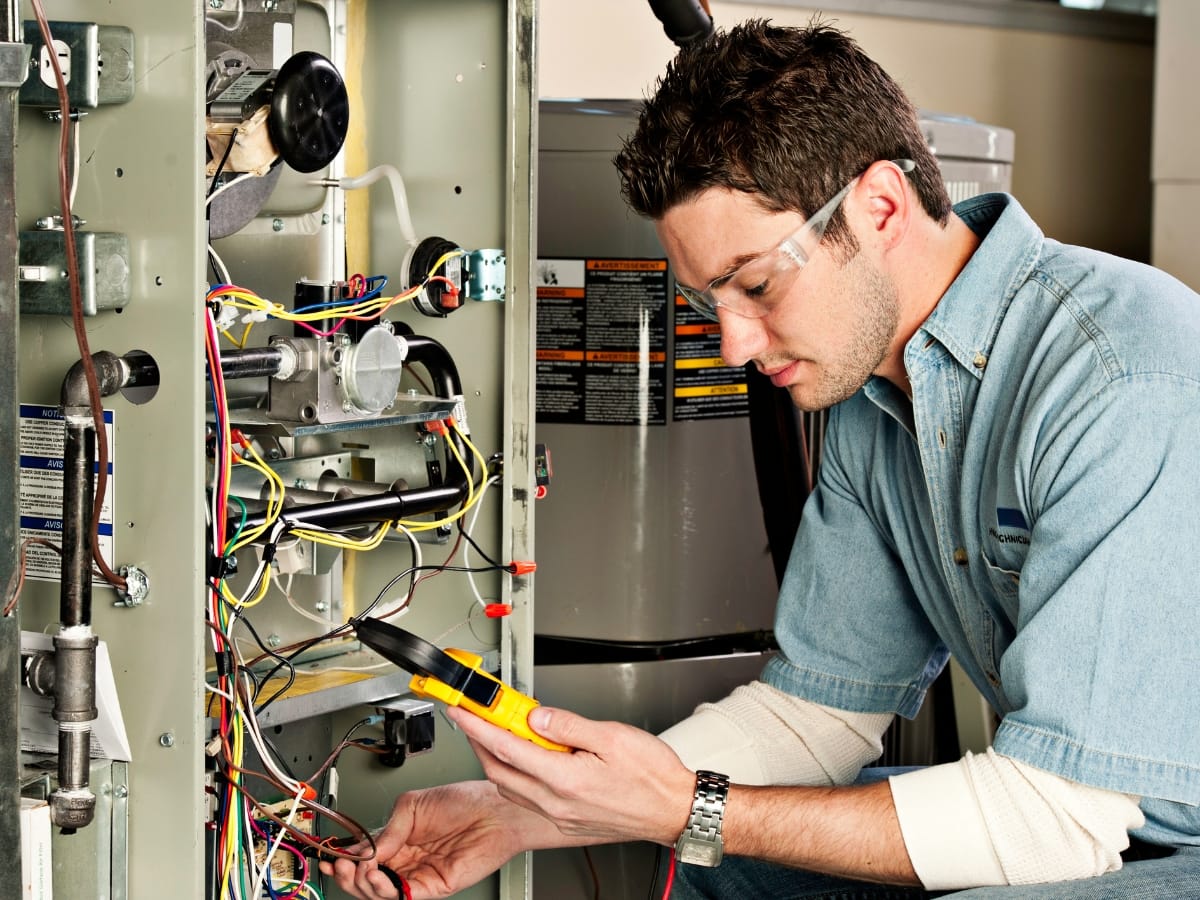
When a furnace is running but the air coming out of the vents feels cold, it usually points to a problem with airflow, ignition, or the way the system is being controlled. The good news is that many of the most common causes are straightforward, and a basic furnace troubleshooting process can help you narrow down what is happening before you assume the unit has failed.
One of the top culprits is a dirty air filter. When a filter is clogged, airflow drops, and the furnace can struggle to move enough air across the heat exchanger. That restriction can cause the system to overheat and shut off the burners, leaving the blower running and pushing cool air through the home. Thermostat settings can also create confusion. If the thermostat is set to fan on instead of auto, the blower may run constantly, even when the furnace is not actively heating. That can make it seem like the unit is blowing cold air when it is simply circulating air between heating cycles.
Ignition and fuel delivery issues are also common. If the pilot light is out on an older system or the electronic ignition fails on a newer one, the furnace may attempt to start but never light the burners. Gas supply interruptions can cause the same outcome. In these cases, the blower might still run, but without a heating cycle, the air will feel cool.
Why Is Your Furnace Overheating And Triggering The Limit Switch?
Overheating is a frequent reason a furnace blows cold air, and it often ties back to airflow. Furnaces are designed with safety controls, including a limit switch that shuts off the burners if the unit gets too hot. This protects the system from damage, but it can create a frustrating symptom: the burners turn off while the blower continues running, which pushes cooler air into the ducts.
A clogged filter is one of the most common triggers. Blocked or closed supply vents can also contribute. If too many vents are closed, the system cannot move air properly, and heat builds up inside the furnace cabinet. Dirty coils, blocked returns, or an undersized filter slot can create similar restrictions. In some cases, the issue is mechanical. A failing blower motor, a slipping belt in older setups, or a malfunctioning limit switch can create conditions where the system overheats or falsely detects overheating.
For furnace troubleshooting, start with the basics. Replace the filter if it is dirty and make sure vents are open and unobstructed. If the furnace continues to cycle off on safety, that is a sign the problem may be deeper than a simple airflow fix.
How Can A Faulty Blower Motor Affect Furnace Heating?
The blower motor is the part that pushes heated air through your ductwork. When it is not working correctly, the furnace may produce heat, but that heat does not circulate the way it should. You might notice weak airflow from vents, rooms that never warm up, or a furnace that seems to run longer without improving comfort. In some cases, the blower may not start at all, which can also contribute to overheating since heat builds up inside the unit instead of being carried away.
A failing blower motor may show warning signs such as unusual humming, squealing, rattling, or intermittent operation. Sometimes the motor is fine, but the capacitor is failing, which prevents the blower from starting consistently. Because the blower is tied closely to safe operation, blower problems can quickly turn into shutdowns that feel like cold air issues.
As part of furnace troubleshooting, pay attention to airflow strength and listen for changes in sound. If airflow is consistently weak or the blower is not running normally, maintenance or repair may be needed to restore proper heating and prevent repeat shutdowns.
How Can You Diagnose Electrical and Ignition Problems in Your Furnace?
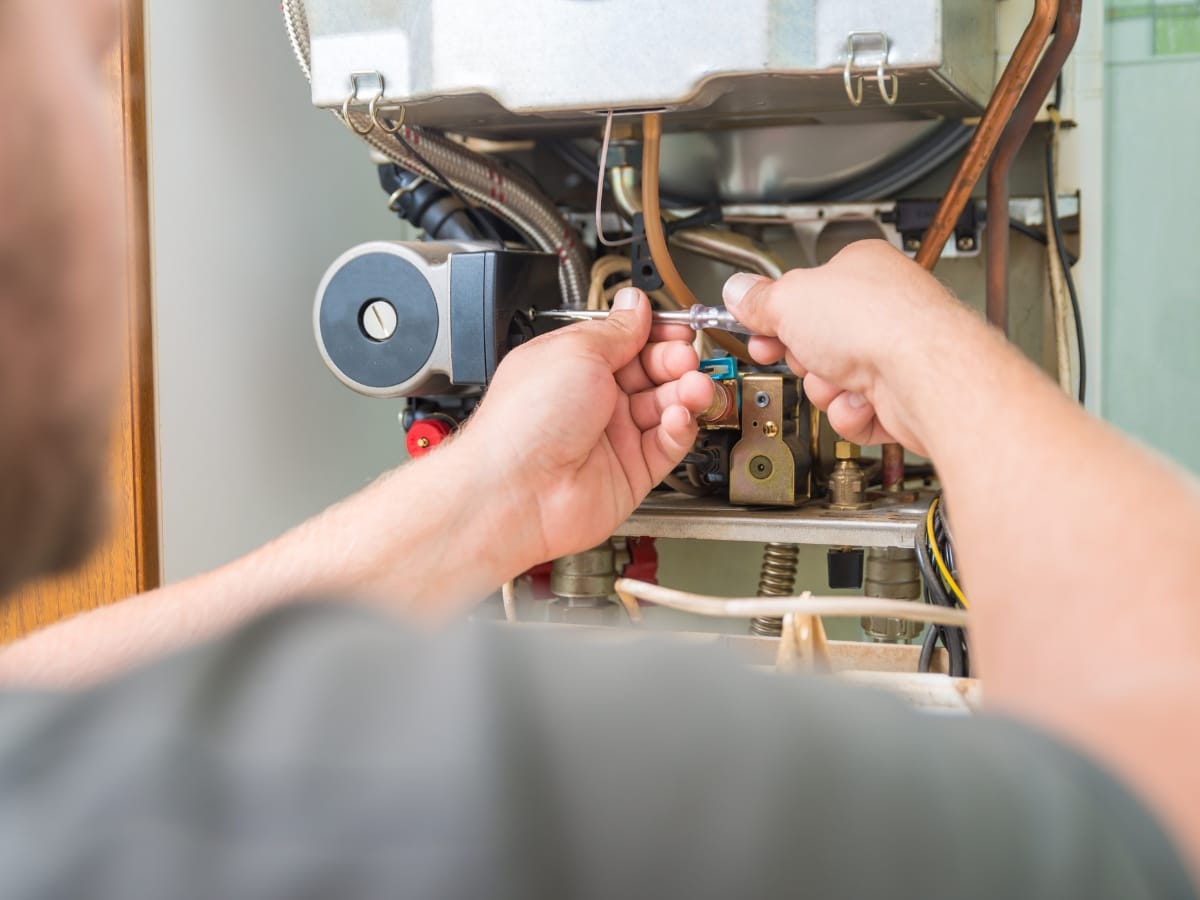
When a furnace will not heat at all, electrical and ignition issues are some of the most common causes. The system may be getting a call for heat, but something in the power supply, safety controls, or ignition sequence is preventing the burners from lighting. A careful furnace troubleshooting process can help you rule out the basics safely before you assume a major component has failed.
Modern furnaces also use control boards that run safety checks before each heating cycle. If the board does not sense the right conditions, it can stop the startup sequence. That is why checking power and ignition is useful. You are confirming whether the furnace can start normally, and if it cannot, you are narrowing down where the problem likely sits.
How To Verify Power Supply And Reset Circuit Breakers For Your Furnace
Start with the simplest question in furnace troubleshooting: is the furnace getting power? Check the thermostat first to confirm it is calling for heat, then move to the electrical supply. Locate your home’s breaker panel and look for a tripped breaker labeled for the furnace, air handler, or HVAC. If it is tripped, switch it fully off, then back on.
Next, check the furnace itself for a power switch. Many furnaces have a standard wall-style switch nearby, and it can be turned off accidentally during cleaning or storage. If the furnace has no signs of power, also look for a blown fuse on the furnace control board, but only if you are comfortable doing so and can do it safely with the power off.
If the breaker trips again shortly after you reset it, that points to a larger electrical issue, such as a short, failing motor, or a wiring problem. At that point, continuing to reset the breaker is not a good idea because repeated trips can signal a safety hazard. In that scenario, it is best to stop and have the system evaluated.
What Steps Should You Take To Check The Pilot Light Or Ignition System?
Once you know the furnace has power, the next step in furnace troubleshooting is determining whether it is lighting properly. Older furnaces may use a standing pilot light, while newer models typically use electronic ignition. If your furnace has a pilot light, check whether it is lit. If it is out, follow the manufacturer’s relighting instructions carefully. If it will not stay lit, a common reason is a failing thermocouple, which is the safety sensor that confirms the pilot flame is present. When a thermocouple is faulty or positioned incorrectly, it can shut off gas flow as a safety measure.
For furnaces with electronic ignition, you may hear clicking during startup or see the igniter glow. If the furnace tries to start but does not light, the issue could be the igniter, flame sensor, gas valve, or another safety switch preventing ignition. A dirty flame sensor is a common cause of ignition failure because the furnace may light briefly, then shut down when it does not sense flame. That often looks like short cycling, where the burners turn on and off quickly.
Any time you are dealing with gas ignition, safety comes first. If you smell gas or suspect a gas supply issue, do not continue troubleshooting. Shut the system off and follow local safety guidance.
Why Burner Cleanliness Matters For Reliable Ignition
Even when the ignition system is working, burners that are dirty or partially blocked can cause delayed ignition, uneven flame, or inefficient operation. That can lead to nuisance shutdowns and inconsistent heat. Keeping burners clean is part of good maintenance, but burner adjustments should be handled carefully since proper combustion involves more than just wiping surfaces. If your furnace shows signs of poor combustion, like persistent ignition problems or unusual flame behavior, that is a sign the system may need a professional inspection.
A solid furnace troubleshooting routine starts with power, then ignition, and then the condition of the burners. Those steps usually narrow the problem quickly and help you decide whether the fix is simple or requires deeper service.
When Should Atlanta Homeowners Call a Professional for Furnace Repair?
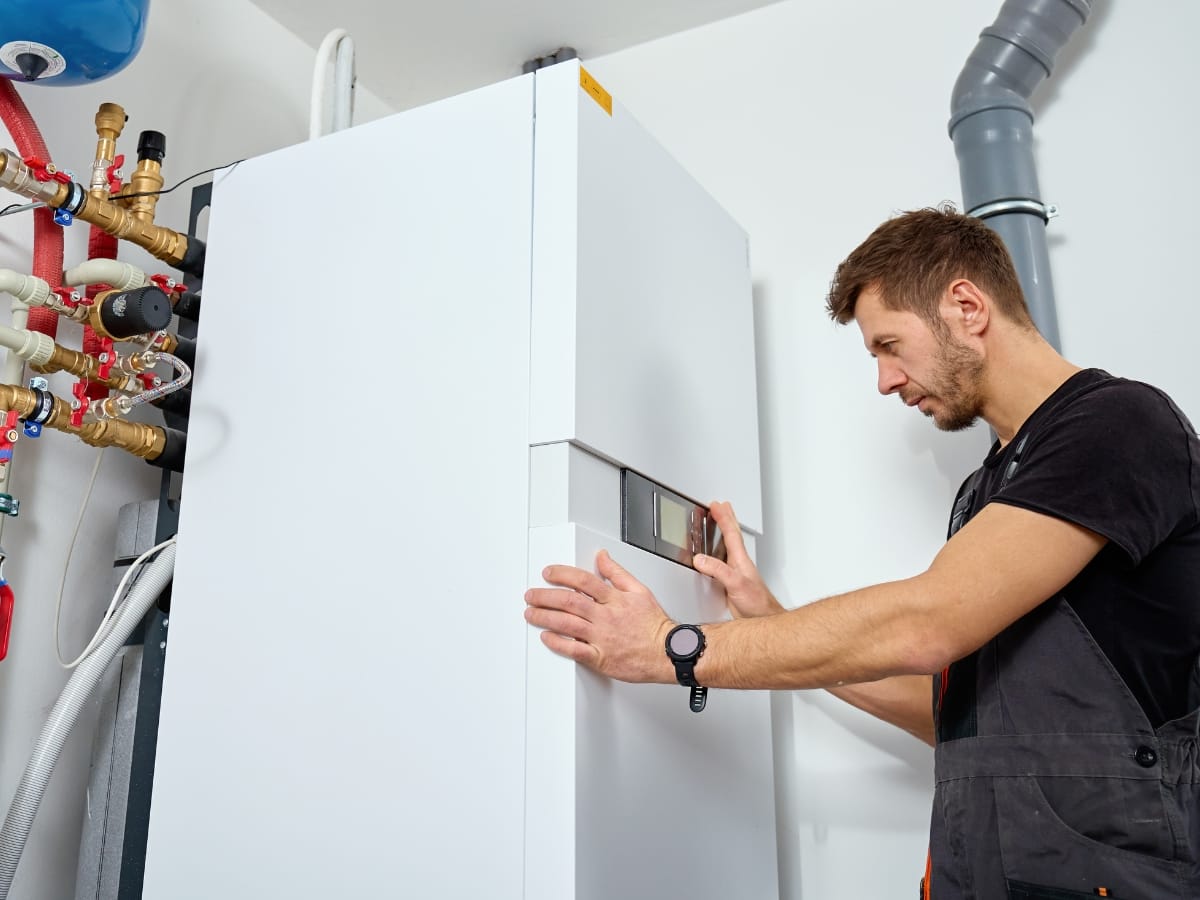
A lot of heating problems can be handled with basic furnace troubleshooting, especially when the issue is a thermostat setting, a clogged filter, or a tripped breaker. But there is a point where DIY checks stop being helpful and can even create more risk. In Atlanta, winter cold snaps may be shorter than in other regions, but a failed furnace can still make a home uncomfortable fast, and in some cases, unsafe. Knowing when to stop troubleshooting and bring in a professional can help prevent bigger damage and reduce downtime.
A good rule is this: if you have confirmed the thermostat is calling for heat, the filter is clean, the vents are open, and the furnace still cannot complete a normal heating cycle, it is time to move beyond basic furnace troubleshooting. The same applies if the furnace starts but shuts off repeatedly, which often signals a safety control is tripping for a reason.
What Are The Warning Signs That Require Emergency Furnace Service?
Some symptoms should be treated as urgent, not “wait and see.” One of the biggest is a gas odor. If you smell gas, turn the system off, leave the area, and follow local safety guidance. Do not continue troubleshooting. Another serious red flag is a burning smell that does not fade quickly. A brief dusty smell at the start of the season can be normal, but a strong or persistent burning odor can point to overheating, electrical issues, or a failing component.
Unusual noises are another sign that professional help is needed. Banging, grinding, squealing, or loud rattling can indicate mechanical failure, loose parts, or blower problems that can worsen if the system keeps running. Inconsistent heating can also be a warning sign, especially if the furnace is running, but some rooms stay cold, or airflow suddenly becomes weak. That can point to blower issues, duct restrictions, or overheating caused by poor airflow.
Finally, if your furnace is short-cycling, meaning it turns on and off frequently without warming the home, that is a sign that something is not operating correctly. It can be related to a dirty flame sensor, airflow restrictions, or control problems, and it often needs proper diagnosis to avoid repeat shutdowns.
How Much Does Furnace Repair Cost In Atlanta And What Should You Expect?
Furnace repair costs vary widely because the price depends on what failed and whether parts are needed. In Atlanta, many common repairs land in the $150 to $1,000 range, with the lower end typically tied to smaller fixes and the higher end tied to major parts or more involved labor. Emergency calls and after-hours service can cost more, especially during peak winter demand.
If you are comparing quotes, it helps to ask what is included in the diagnostic fee and whether that fee is applied toward the repair. It also helps to understand whether the issue is likely to be a one-time fix or a sign the furnace is nearing the end of its usable life. If repairs are becoming frequent, a professional can help you weigh repair versus replacement based on reliability, efficiency, and long-term cost.
The Bottom Line For Homeowners
Basic furnace troubleshooting is useful for ruling out simple causes, but safety and reliability come first. If you notice gas odors, persistent burning smells, loud mechanical noises, repeated shutdowns, or weak airflow that does not improve after a filter change, it is time to call a professional. Acting early often prevents small problems from turning into expensive repairs and helps keep your home consistently warm when you need it most.
Conclusion
While this troubleshooting guide can help you resolve simple furnace issues like a tripped breaker or a dirty filter, persistent problems often indicate a need for professional expertise. A malfunctioning furnace in Atlanta’s winter is more than an inconvenience—it’s a threat to your comfort and safety. For prompt, reliable HVAC repairs that restore your warmth, trust the certified technicians at inAir Heating & Air. Don’t spend another night in the cold. Call (770) 233-7777 or submit an HVAC request online today for immediate service. Let us get your heat back on quickly and correctly.