



Water damage often starts small and unnoticed. A slow leak behind a wall or under a sink can lead to mold, structural damage, and expensive repairs before there are any visible signs. Catching these problems early is one of the most effective ways to protect your home and avoid unnecessary costs.
Smart water leak detectors use advanced technology to monitor moisture levels, detect unusual water activity, and send alerts the moment a problem is identified. Some systems can even shut off the water supply automatically to help prevent major damage.
By integrating smart leak detection into your home, you can respond to issues faster, reduce the risk of long-term damage, and gain greater peace of mind about your plumbing system.
Smart Leak Detectors for Early Water Leak Alerts
How Do Smart Water Leak Detectors Work To Prevent Water Damage?
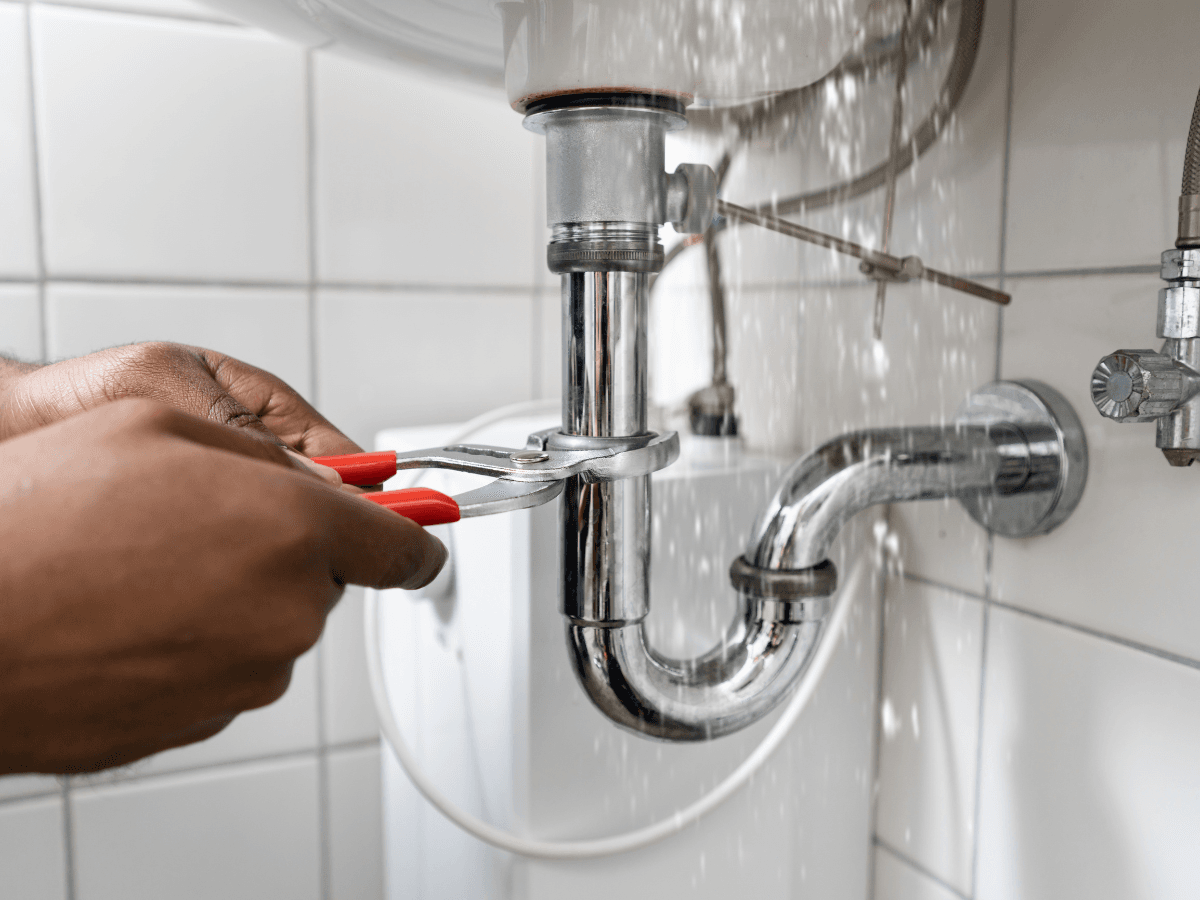
Smart leak detectors are designed to identify water leaks early, often before homeowners notice visible damage. These devices monitor areas where leaks commonly occur, such as beneath sinks, near water heaters, behind washing machines, or around appliances connected to plumbing lines.
Once moisture is detected, the system immediately sends an alert so the issue can be addressed before it turns into a larger repair problem. The main advantage of smart leak detectors is speed.
Small leaks can quietly damage flooring, drywall, cabinetry, and insulation over time, especially in hidden areas of the home. By detecting moisture at the earliest stage, these systems help reduce repair costs and limit long-term structural damage.
Many modern systems also monitor unusual water usage patterns. If the detector notices continuous water flow or unexpected activity while the home is unoccupied, it can flag the issue as a potential leak.
Some advanced models even connect to automatic shutoff valves that stop water flow entirely when a serious leak is detected.
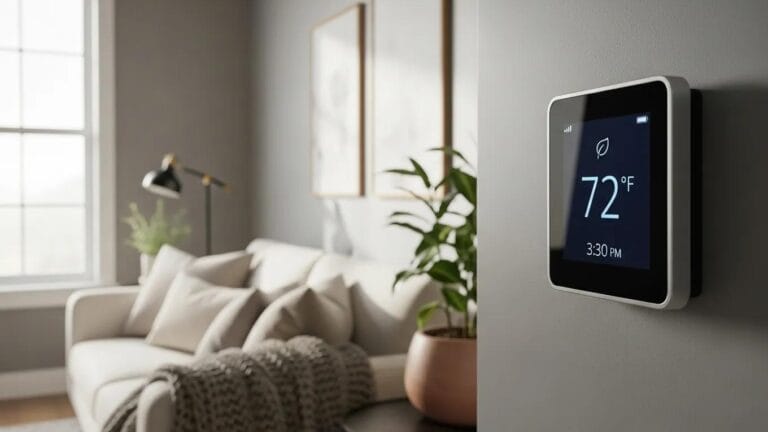
As smart home technology becomes more common, smart leak detectors are increasingly being integrated into broader home monitoring systems. This allows homeowners to manage leak alerts alongside security, energy, and climate controls from a single mobile app.
What Technologies Power Water Leak Sensors And Detection Systems?
Several sensing technologies are used in smart leak detectors, and each works differently depending on the type of system and level of monitoring required.
Capacitive sensors detect changes in electrical capacitance caused by the presence of water. These sensors are highly sensitive and can identify moisture quickly, making them useful for areas where even a small leak could cause damage.
Resistive sensors operate by measuring changes in electrical resistance when water connects two conductive points. These are commonly found in many residential leak detection devices because they are reliable and relatively affordable.
Some advanced systems also use ultrasonic technology. Ultrasonic sensors monitor water flow using sound waves, helping detect irregular movement inside plumbing systems without requiring direct contact with moisture. This approach is especially useful for identifying hidden leaks inside walls or underground piping.
The continued growth of connected home technology has pushed rapid improvements in water monitoring systems. Research into IoT-based monitoring continues to expand the capabilities of smart leak detectors, particularly in smart buildings and automated home management systems.
How Do Leak Detectors Alert Homeowners To Water Leaks?
One of the most important features of smart leak detectors is their ability to deliver immediate alerts. Traditional leaks often go unnoticed for hours or even days, especially in less frequently used areas of the home. Smart systems shorten that response time dramatically.
Most devices use multiple notification methods to ensure homeowners are aware of a problem quickly. Audible alarms provide an immediate warning for anyone nearby, while smartphone notifications allow homeowners to respond even when they are away from the property.
Many smart leak detectors also integrate directly with smart home ecosystems. This means homeowners can receive alerts through voice assistants, home automation apps, or centralized monitoring systems. In some cases, the system can trigger automated actions, such as shutting off the main water supply or activating connected security routines.
The flexibility of these alert systems makes smart leak detectors particularly valuable for vacation homes, rental properties, or households where leaks may otherwise go unnoticed for extended periods.
Why Early Leak Detection Matters
Water damage often becomes expensive not because of the original leak, but because of delayed discovery. A slow drip behind a wall or under a sink can eventually lead to mold growth, warped materials, damaged flooring, and weakened structural components.
Smart leak detectors help shift leak management from reactive to preventative. Instead of discovering damage after it spreads, homeowners can address problems while they are still small and manageable.
As these systems continue to evolve, smart leak detectors are becoming less of a luxury feature and more of a practical investment in home protection. Their ability to combine real-time monitoring, remote alerts, and automated responses makes them one of the most effective tools available for reducing the risk of water-related property damage.
What Are The Key Benefits Of Installing A Smart Home Water Monitor?
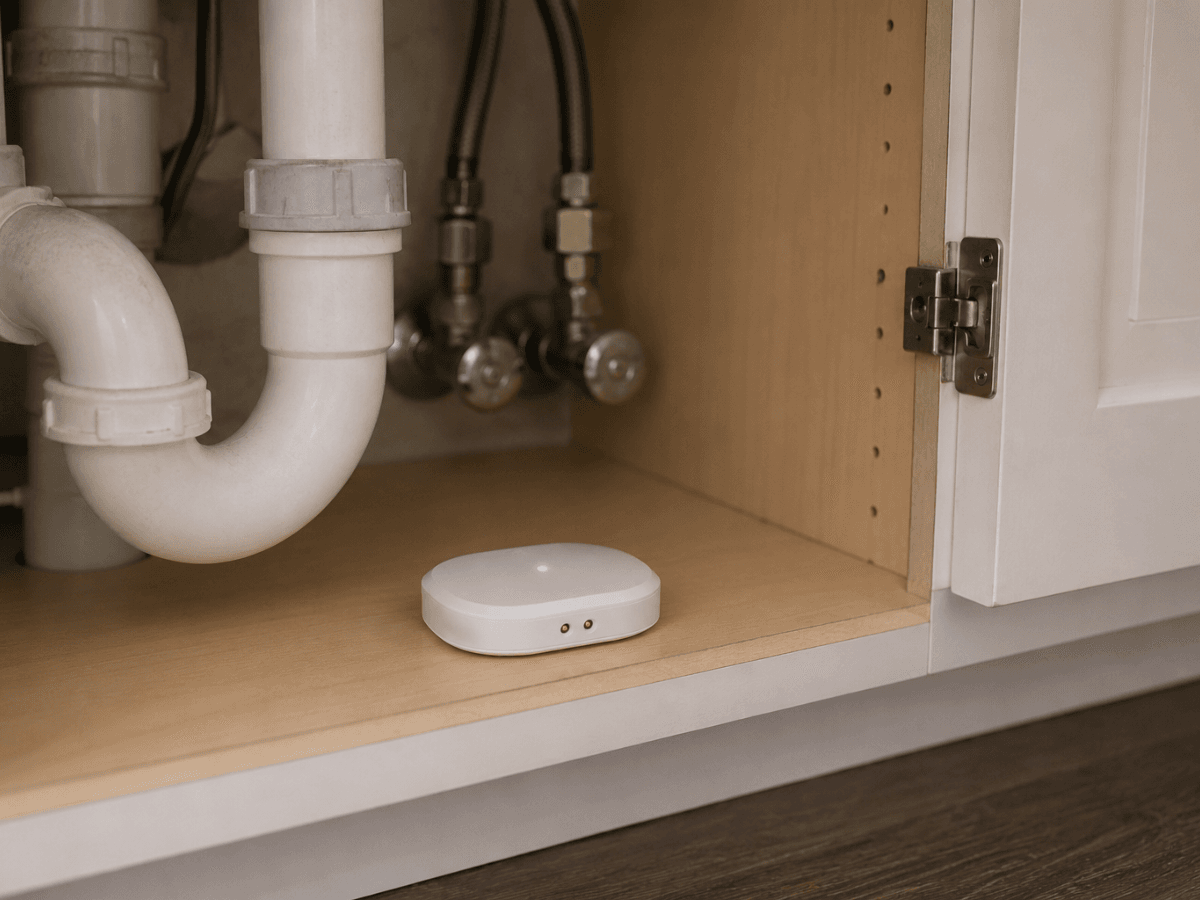
Installing smart leak detectors offers homeowners more than just convenience. These systems provide an added layer of protection against one of the most common and expensive household problems: unnoticed water damage.
By monitoring moisture levels and water flow in real time, smart leak detectors help homeowners catch small problems before they become major repairs.
One of the biggest advantages is peace of mind. Leaks often happen in places people rarely check, such as behind appliances, under sinks, inside walls, or near water heaters.
A slow leak in one of these hidden areas can continue for weeks before visible damage appears. Smart monitoring systems reduce that risk by sending immediate alerts when unusual moisture or water activity is detected.
Many homeowners also appreciate the convenience of remote monitoring. Most modern smart leak detectors connect to mobile apps, allowing users to receive notifications whether they are at home, at work, or traveling.
This makes the technology especially useful for vacation homes, rental properties, or households left unattended for long periods.
Some systems go beyond detection and include automatic shutoff features. When a significant leak is identified, the system can stop the water supply automatically, helping limit damage while the homeowner arranges repairs.
How Do Leak Detection Systems Reduce Water Damage Costs And Insurance Claims?
Water damage restoration can become expensive very quickly. Even a small leak can lead to damaged flooring, drywall replacement, mold remediation, and repairs to electrical systems if the issue is not discovered early.
Smart leak detectors help reduce those risks by shortening the time between the start of a leak and the homeowner’s response.
Early detection is the key factor behind cost savings. A leak caught within minutes or hours is usually far easier and less expensive to repair than one that continues unnoticed for days. In many cases, homeowners can avoid structural damage entirely by responding quickly to alerts.
Insurance companies have also started recognizing the value of preventative water monitoring technology. Some insurers may offer discounts or incentives for homes equipped with smart leak detectors because these systems help reduce the likelihood of major claims.
Even when discounts are not available, homeowners often benefit from avoiding the disruption and financial strain associated with large-scale water damage repairs.
Research continues to show the growing effectiveness of advanced leak detection technology. Recent reviews of smart water monitoring systems highlight how improved sensors, connected devices, and data analysis tools are helping homeowners detect problems more accurately and respond more quickly than ever before.
What Case Studies Demonstrate The Effectiveness Of Smart Leak Detectors?
Real-world examples demonstrate how valuable smart leak detectors can be in preventing serious damage. In many cases, these systems identify problems that would otherwise go unnoticed until repairs became extensive and expensive.
One commonly cited example involved a homeowner who received an alert about a slow leak near a basement water heater while away from home.
Because the issue was identified early, the homeowner was able to shut off the water and schedule repairs before flooding occurred. Without the alert, the leak could have continued for days and caused major structural damage.
In another case, a smart water monitoring system detected continuous overnight water flow caused by a cracked supply line behind a washing machine. The homeowner received an immediate notification through their phone and avoided what could have become a severe flooring and drywall repair project.
These examples highlight a major difference between traditional leak discovery and smart monitoring. Traditionally, leaks are often found only after visible signs appear, such as stains, warped flooring, or mold growth.
Smart leak detectors shift the process toward prevention by identifying abnormal conditions early enough for homeowners to act.
Why Preventative Monitoring Matters
Water damage is one of the most disruptive home maintenance issues because it spreads quickly and often affects multiple parts of a property at once. What starts as a minor plumbing issue can eventually impact insulation, cabinetry, flooring, and even structural framing.
Smart leak detectors help homeowners move from reactive repairs to proactive protection. Instead of waiting for visible damage, they provide ongoing monitoring that supports faster decision-making and lower repair costs over time.
As connected home technology continues to improve, smart leak detectors are becoming an increasingly practical investment for homeowners who want better control over household maintenance and long-term property protection.
Where Should You Install Water Leak Sensors And Pipe Leak Detectors In Your Home?
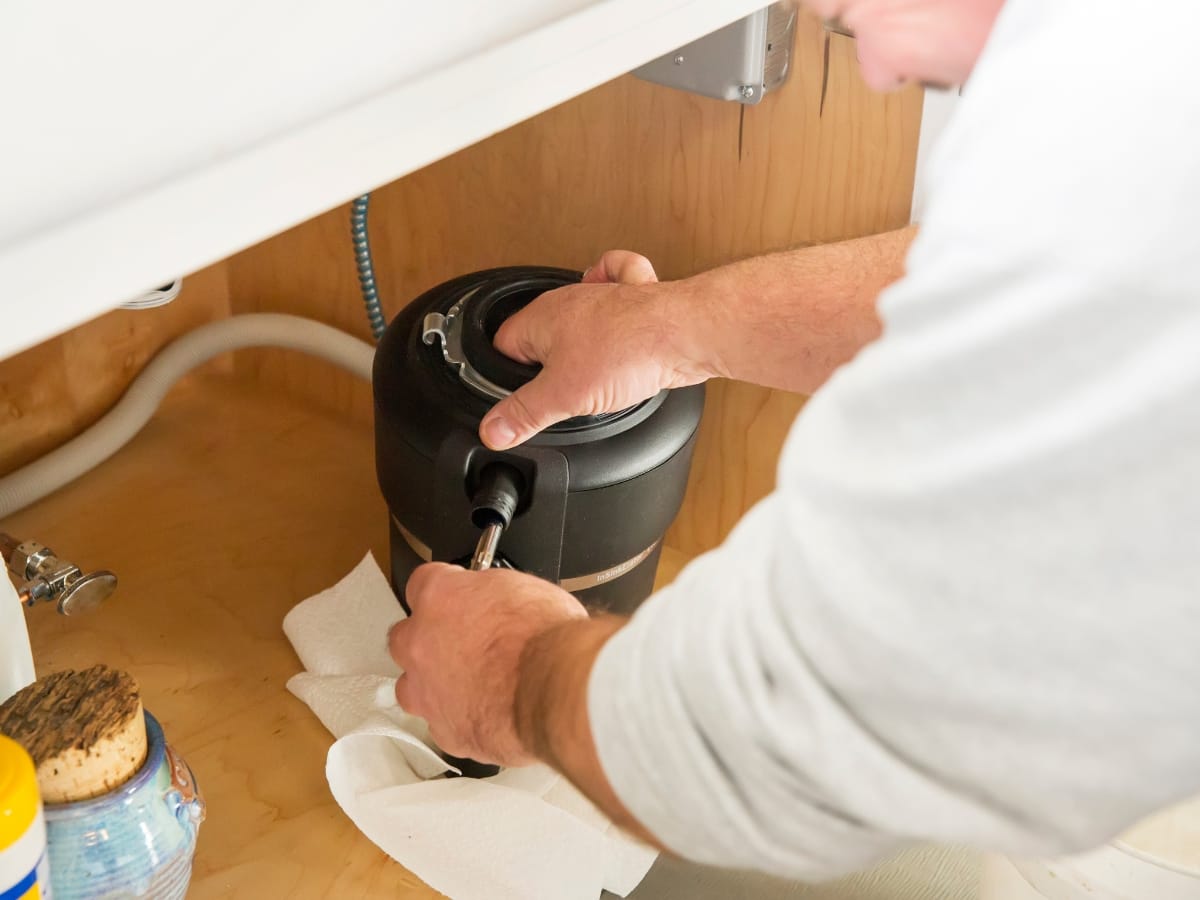
Installing smart leak detectors in the right locations is just as important as choosing the right device. Even the most advanced system can miss problems if sensors are placed too far from likely leak sources. A thoughtful setup helps homeowners detect water issues early and reduce the risk of expensive repairs.
Most water leaks begin in areas connected to plumbing fixtures, appliances, or water supply lines. These leaks often start small and remain hidden until visible damage appears. Smart leak detectors work best when positioned near the places where moisture is most likely to collect first.
For many homes, the highest-priority areas include kitchens, bathrooms, laundry rooms, basements, and utility spaces. These locations typically contain multiple plumbing connections and appliances that operate under constant water pressure.
Pipe leak detectors can also provide additional protection in less obvious areas, such as near HVAC systems, behind refrigerators with water lines, or under older plumbing fixtures that may be more prone to wear over time.
Which Locations Are Most Vulnerable To Water Leaks?
Certain parts of a home consistently face higher leak risks due to frequent water use, aging pipes, or appliance connections. Understanding these vulnerable areas can help homeowners decide where smart leak detectors will provide the greatest value.
Under sinks is one of the most common placement locations. Small leaks from drain pipes, supply lines, or garbage disposals can continue unnoticed for long periods inside cabinets. A sensor placed at the base of the cabinet can often detect moisture before it spreads into the surrounding flooring or drywall.
Water heaters are another major concern. Even a slow leak around the base of a tank can eventually cause significant water damage. Installing smart leak detectors nearby helps monitor one of the highest-risk appliances in many homes.
Laundry rooms also deserve close attention. Washing machine supply hoses experience repeated pressure changes and can fail unexpectedly. A burst hose can release a large amount of water in a short time, making early alerts especially valuable in this area.
Basements and crawl spaces are also vulnerable because water intrusion may not be immediately visible. Groundwater seepage, sump pump failures, or leaking pipes can create moisture problems that spread quietly over time. Leak sensors placed near sump pumps, floor drains, or exposed plumbing help improve early detection.
Bathrooms, especially around toilets, tubs, and vanities, are another important location. Small seal failures or hidden plumbing leaks can gradually damage flooring and subfloor materials if left unnoticed.
How To Optimize Sensor Placement For Maximum Coverage?
To get the best performance from smart leak detectors, placement should focus on both proximity and water flow patterns. Since water naturally moves downward and collects at the lowest point available, sensors should typically be installed directly on the floor or at the base of the area being monitored.
Positioning sensors too far from the potential leak source may delay detection. For example, placing a detector beside a water heater instead of directly near the base may prevent the sensor from reacting until water has already spread further.
Homes with multiple high-risk areas often benefit from using several connected smart leak detectors rather than relying on a single device. Modern systems allow multiple sensors to connect to one monitoring app, creating broader coverage across the property.
It is also important to think about accessibility and maintenance. Sensors should remain easy to inspect, test, and replace when batteries run low. Placing them in hidden areas is helpful for protection, but homeowners should still be able to reach them without major effort.
Why Strategic Placement Matters
Smart leak detectors are most effective when they are part of a larger prevention strategy rather than an afterthought. Water damage can begin in hidden areas long before visible signs appear, especially around appliances or plumbing connections that homeowners rarely inspect.
Strategic placement improves response time and increases the likelihood of catching leaks while they are still manageable. Instead of reacting to damaged floors, mold growth, or warped cabinetry, homeowners can address small issues before they become major repairs.
As more homeowners adopt connected home technology, properly installed smart leak detectors are becoming an important part of long-term property protection and preventative maintenance planning.
How To Install And Maintain Your Smart Water Leak Detector System?
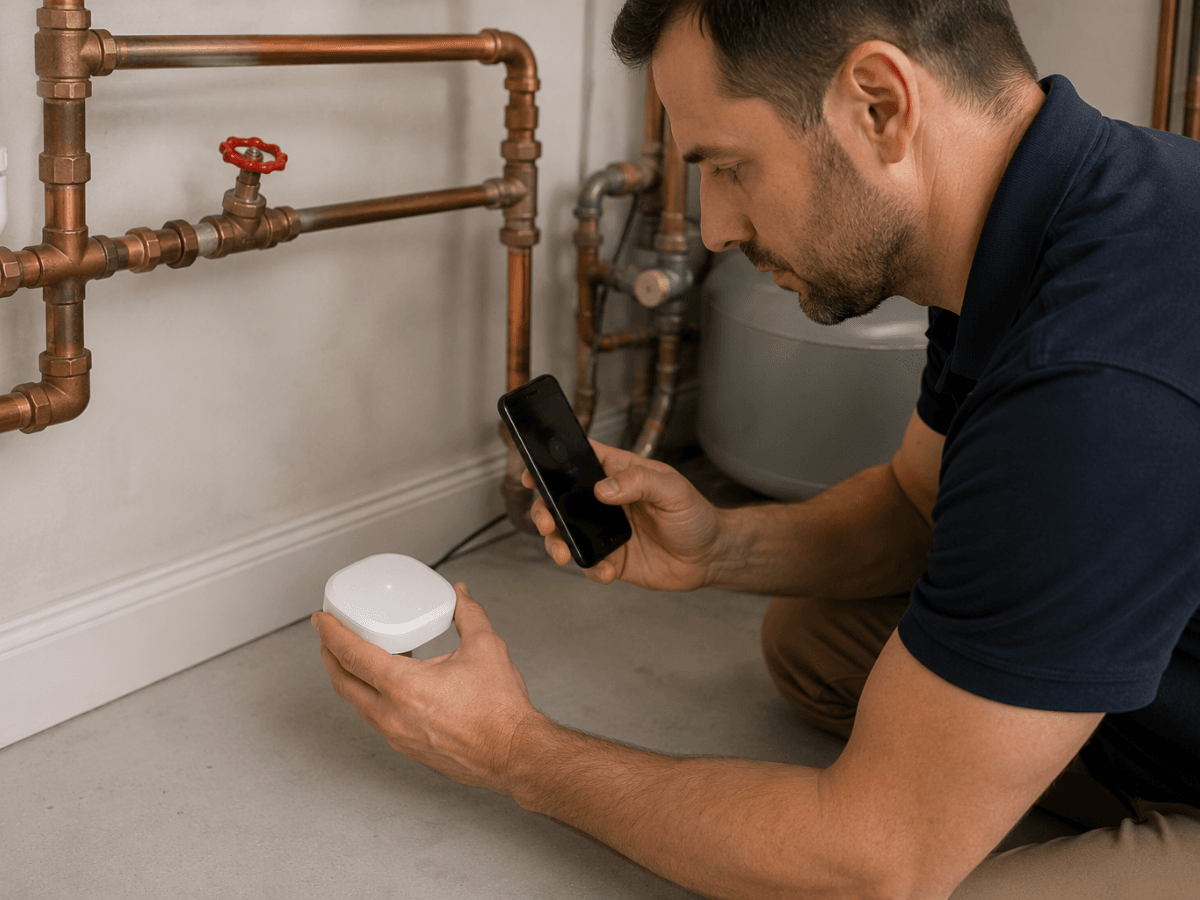
Proper installation plays a major role in how effectively smart leak detectors protect a home. Even high-quality systems depend on accurate placement, stable connectivity, and routine maintenance to deliver reliable performance over time.
Most smart leak detectors are designed to be relatively easy for homeowners to install without major plumbing work. However, taking time to set up the system correctly helps avoid false alerts, missed leaks, or connectivity issues later.
The first step is identifying the areas most vulnerable to water damage. Common installation points include under sinks, behind washing machines, near water heaters, beside sump pumps, and around HVAC systems.
Homes with older plumbing or previous leak history may benefit from additional coverage in utility spaces or basements.
Once the locations are selected, the installation surface should be clean and dry so the sensors sit securely and maintain accurate moisture detection. Some devices rest directly on the floor, while others may attach using adhesive pads or mounting brackets, depending on the model.
After the physical installation is complete, most smart leak detectors connect to a mobile app through Wi-Fi or a smart home hub. This connection allows homeowners to receive real-time notifications and monitor the system remotely.
What Are The Step-By-Step Installation Instructions For Leak Detection Devices?
Although installation steps vary slightly by manufacturer, most smart leak detectors follow a similar setup process.
The first step is choosing locations where leaks are most likely to occur. Areas with exposed plumbing connections, water supply lines, or appliances using water are usually the highest priority.
Next, prepare the installation area by removing dust, moisture, or debris that could interfere with sensor placement. Keeping the area clean also improves the reliability of moisture detection.
Once the area is ready, place or secure the sensor according to the manufacturer’s instructions. Many smart leak detectors are designed to sit directly on the floor because water naturally collects at the lowest point during a leak.
After the sensor is positioned, connect the device to the home’s Wi-Fi network or smart home system. Most modern systems guide users through setup with a mobile app that handles pairing, alert settings, and device naming.
Testing the system is an important final step that homeowners sometimes overlook. Running a simple moisture test helps confirm that alerts are working properly and that notifications are reaching connected devices.
For systems that include automatic shutoff valves, additional setup may be required to integrate the valve with the main water line and establish communication between devices.
How To Perform Regular Maintenance And Battery Checks?
Like any connected home technology, smart leak detectors perform best when they are maintained consistently. Regular maintenance helps ensure the system remains reliable during emergencies and reduces the chance of missed alerts.
Battery checks are one of the most important maintenance tasks. Many smart leak detectors operate on replaceable batteries, and low power can limit performance or disconnect the device entirely.
Checking batteries every six months is a practical guideline, although some systems provide automatic low-battery alerts through their apps.
Periodic testing is equally important. Moisture sensors should be tested occasionally to confirm they still trigger notifications correctly. This can usually be done by placing a small amount of water near the sensor during a controlled test.
Homeowners should also inspect sensors for dust buildup, physical damage, or movement from their original placement. Devices positioned near appliances or in storage areas can sometimes shift over time, reducing their ability to detect leaks quickly.
Software updates are another often-overlooked part of maintenance. Many smart leak detectors rely on companion apps or firmware updates to improve security, connectivity, and performance. Keeping the system updated helps ensure compatibility with other smart home devices and improves long-term reliability.
Why Ongoing Maintenance Matters
Smart leak detectors are designed to provide continuous protection, but their effectiveness depends on consistent operation. A disconnected sensor or dead battery can create a false sense of security, especially in areas where leaks are difficult to notice visually.
Routine maintenance helps homeowners keep their systems dependable year-round. Small checks performed periodically can prevent major issues later and ensure the detectors are ready to respond when leaks occur.
As connected home systems become more advanced, smart leak detectors are increasingly viewed as preventative tools rather than emergency-only devices.
Proper installation and maintenance allow homeowners to get the full value from these systems while improving long-term protection against water damage.
How Do Smart Water Leak Detectors Integrate With Smart Home Systems?
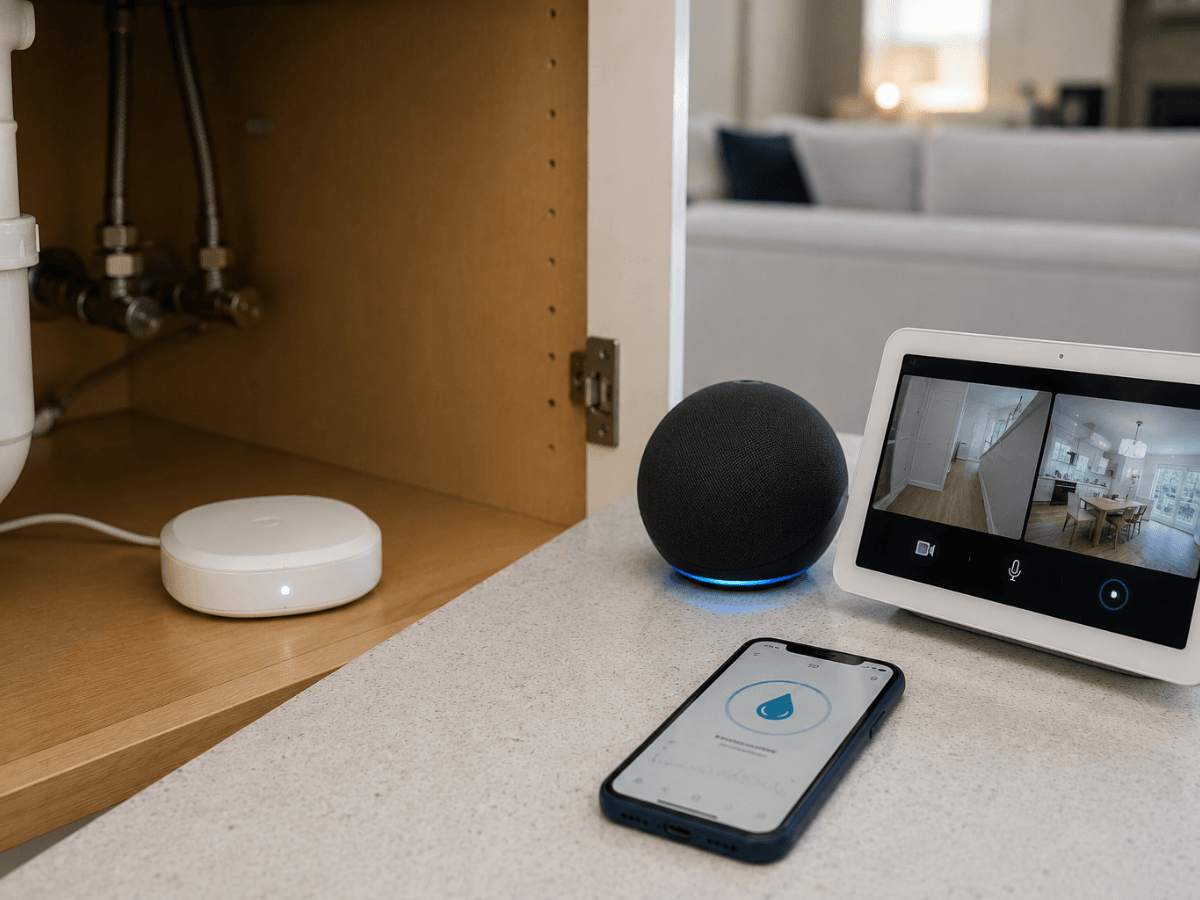
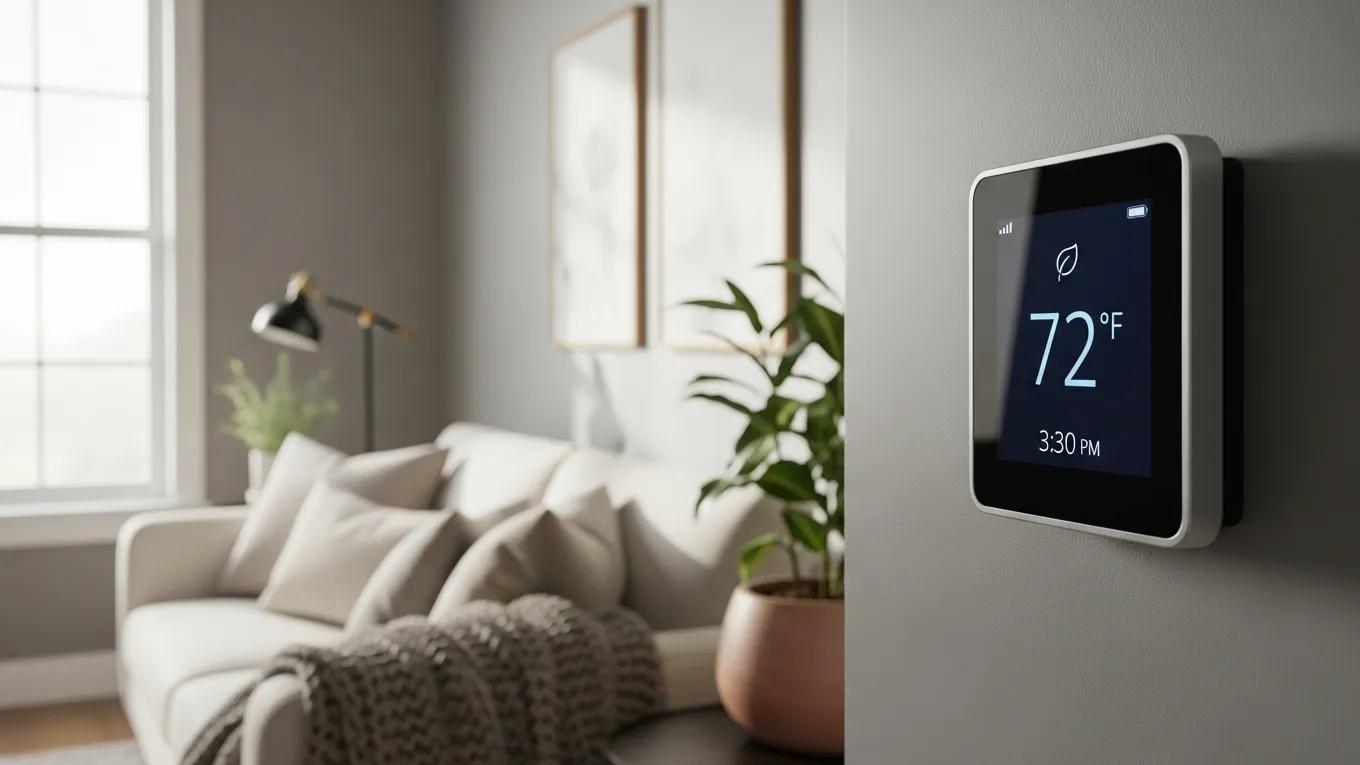
One of the biggest advantages of modern smart leak detectors is their ability to connect with broader smart home systems. Instead of operating as standalone devices, many leak detection systems now work alongside security systems, lighting controls, thermostats, and other connected technologies to create a more responsive home environment.
Most smart leak detectors connect through Wi-Fi, Bluetooth, Zigbee, or Z-Wave protocols, depending on the device and platform. Once connected, homeowners can monitor leak activity, adjust settings, and receive notifications through a centralized app or smart home dashboard.
This integration simplifies home management by allowing multiple devices to work together. Rather than checking separate apps for different systems, homeowners can monitor water leaks, security alerts, and energy controls from a single interface.
Smart integration is especially valuable for people who travel frequently or manage multiple properties. Remote access allows homeowners to respond quickly to problems even when they are away, reducing the likelihood of prolonged water damage.
Which Smart Home Platforms Support Leak Detection Devices?
Many of the most widely used smart home platforms now support smart leak detectors. Compatibility often depends on the manufacturer and communication technology used by the device, but most major systems are designed to work with popular home automation ecosystems.
Google Home is commonly used for centralized monitoring and voice-enabled notifications. Homeowners can receive leak alerts through connected devices and integrate water monitoring into broader automation routines.
Amazon Alexa also supports many smart leak detectors, allowing users to check device status through voice commands or receive audible alerts through Echo devices placed throughout the home.
Apple HomeKit compatibility is increasingly popular among homeowners who prefer tighter privacy controls and seamless integration across Apple devices. HomeKit-enabled smart leak detectors can trigger automated routines and send alerts directly through the Apple Home app.
Some systems also integrate with dedicated home security platforms and professional monitoring services. In these setups, leak alerts can become part of a larger home protection strategy that includes cameras, alarms, smoke detectors, and environmental monitoring.
Before purchasing a system, homeowners should confirm compatibility with their preferred smart home platform. Not every detector works with every ecosystem, and some advanced automation features may only be available within specific platforms.
How Does Integration Enhance Home Safety And Automation?
The real value of integration comes from automation and faster response times. Smart leak detectors become far more effective when they can communicate with other connected systems inside the home.
For example, some systems can automatically shut off the main water supply when a significant leak is detected. This feature is particularly useful during pipe bursts or appliance failures, where water can spread rapidly within minutes. By stopping water flow immediately, homeowners can dramatically reduce repair costs and limit structural damage.
Automation can also improve awareness during emergencies. Smart leak detectors may trigger voice announcements through smart speakers, send alerts to multiple household members, or activate connected warning systems throughout the home.
Some homeowners use automation routines that combine leak detection with lighting or camera systems. If a leak occurs in a basement or utility room, the system can automatically turn on lights or activate security cameras to help homeowners assess the situation remotely.
Integration also supports long-term maintenance monitoring. Certain smart leak detectors track unusual water usage patterns over time, helping homeowners identify hidden plumbing issues that may otherwise go unnoticed. Slow leaks, running toilets, or inefficient appliances can sometimes be detected through abnormal flow patterns before visible damage appears.
Why Connected Leak Detection Matters
Water damage often happens quickly, but traditional leak discovery is usually delayed. Homeowners may not notice problems until stains appear, floors warp, or mold develops. Smart integration changes this process by creating immediate awareness and enabling faster action.
Connected smart leak detectors provide more than alerts. They become part of a preventative home management system designed to reduce risk and automate protection. As smart home technology continues to evolve, integration between leak detection, water management, and home automation is becoming increasingly sophisticated.
For homeowners looking to improve both convenience and property protection, smart leak detectors offer a practical way to combine technology, automation, and preventative maintenance into a single connected system.
What Emergency Response And Shutoff Solutions Work With Leak Detection Systems?
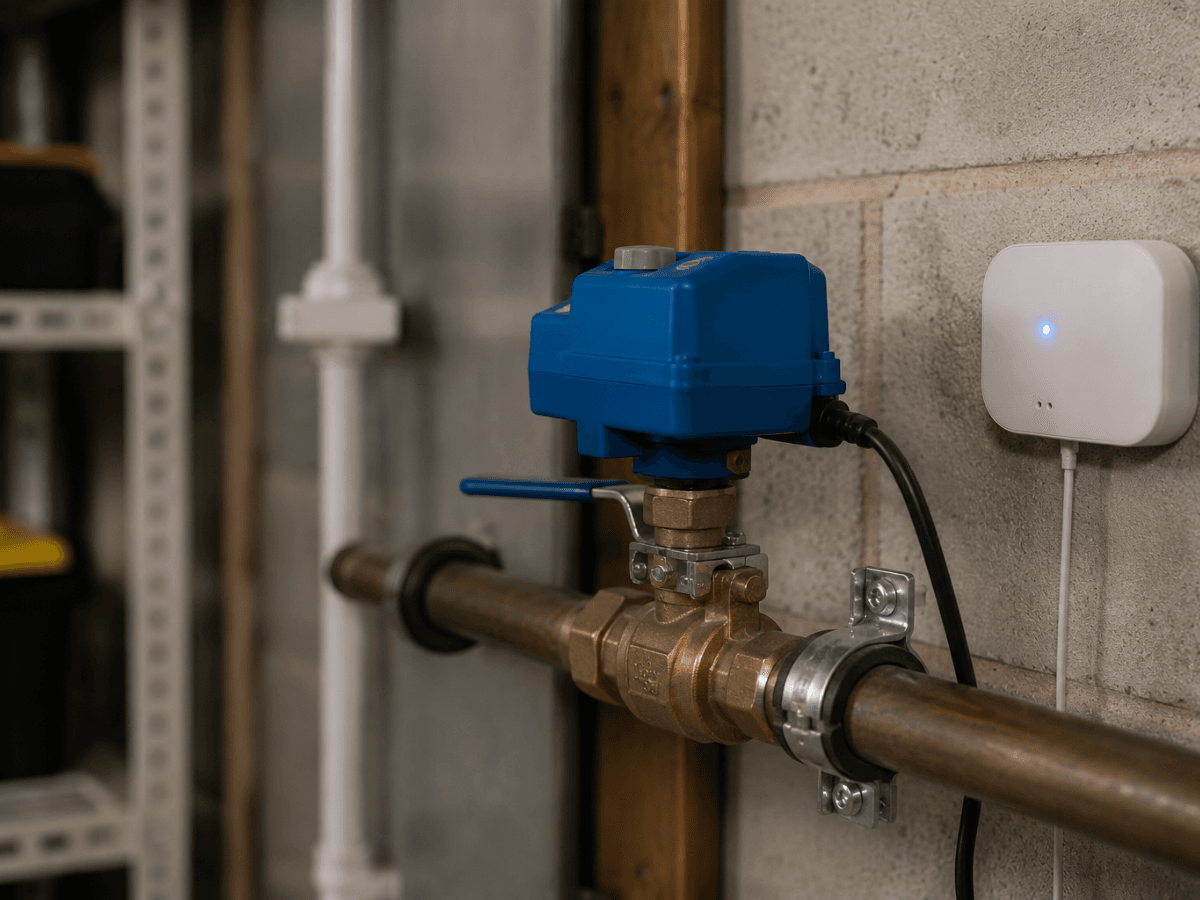
Modern smart leak detectors do more than simply notify homeowners about moisture problems. Many systems now include emergency response features designed to limit damage automatically before a small leak becomes a major repair issue.
One of the most effective upgrades is the addition of automatic water shutoff technology. These systems combine smart leak detectors with motorized shutoff valves installed directly on the home’s main water line. When a leak is identified, the valve can stop water flow immediately, helping reduce flooding and property damage.
This type of setup is especially useful for situations where homeowners may not be available to respond quickly. A burst washing machine hose, failed water heater, or cracked supply line can release a significant amount of water within minutes. Automatic shutoff systems reduce dependence on manual intervention and provide an extra layer of protection during emergencies.
Some smart leak detectors also integrate with broader home monitoring systems. In addition to stopping water flow, connected systems may trigger alerts through smart speakers, mobile devices, or security hubs to ensure homeowners are aware of the issue as quickly as possible.
How Do Water Shutoff Valves Activate Automatically During Leaks?
Automatic shutoff valves work by communicating directly with smart leak detectors or water monitoring systems. Once a sensor detects abnormal moisture or unusual water flow patterns, the system sends a signal to the shutoff valve to close the main water supply.
In many homes, the valve is installed near the main water entry point so it can stop water flow throughout the property. Some systems react specifically to moisture sensors placed around appliances or plumbing fixtures, while others monitor overall water usage for irregular activity that may indicate hidden leaks.
Flow-based systems are particularly useful for identifying leaks inside walls or underground pipes. If continuous water movement is detected when the home would normally have little or no water usage, the system may classify it as a possible leak and activate the shutoff valve automatically.
Research into automated water monitoring technology continues to support the effectiveness of integrated shutoff systems. Studies examining smart water monitoring solutions show that automatic shutoff valves play a major role in reducing water waste and minimizing damage during leak events.
While automatic shutoff technology adds strong protection, homeowners should still understand how the system operates manually. In emergencies or during maintenance, knowing how to reopen or isolate the water supply remains important.
What Are The Best Practices For Emergency Leak Response?
Even with advanced smart leak detectors and automatic shutoff systems, having a clear response plan helps homeowners act more effectively during water emergencies.
The most important step is responding to alerts immediately. Small leaks can escalate quickly, especially when water spreads behind walls, beneath flooring, or into electrical areas. Prompt action helps reduce repair costs and limits the risk of mold growth or structural damage.
If the leak detection system does not include an automatic shutoff feature, homeowners should manually turn off the main water supply as soon as possible. Knowing the location of the shutoff valve ahead of time can save valuable minutes during an emergency.
After stopping the water flow, the next priority is identifying the source of the leak. In some cases, the issue may involve a loose connection or appliance hose. In more serious situations, homeowners may need assistance from a licensed plumber or water damage restoration professional.
It is also helpful to document visible damage with photos if repairs or insurance claims become necessary later. Quick documentation can simplify the claims process and help establish the extent of the issue before cleanup begins.
Why Automated Response Systems Matter
Traditional leak response often depends on someone discovering the problem manually, which can delay action significantly. Water damage tends to spread rapidly once leaks begin, especially in unoccupied homes or overnight situations.
Smart leak detectors paired with automatic shutoff systems help shorten the time between detection and response. Instead of waiting for visible flooding or structural damage, homeowners can stop leaks much earlier in the process.
As connected home technology continues to improve, emergency response features are becoming a standard part of advanced water protection systems. For many homeowners, combining smart leak detectors with automated shutoff solutions provides a more proactive and reliable approach to preventing costly water damage.
How Does Integrating Leak Detection With HVAC Maintenance Enhance Home Safety?
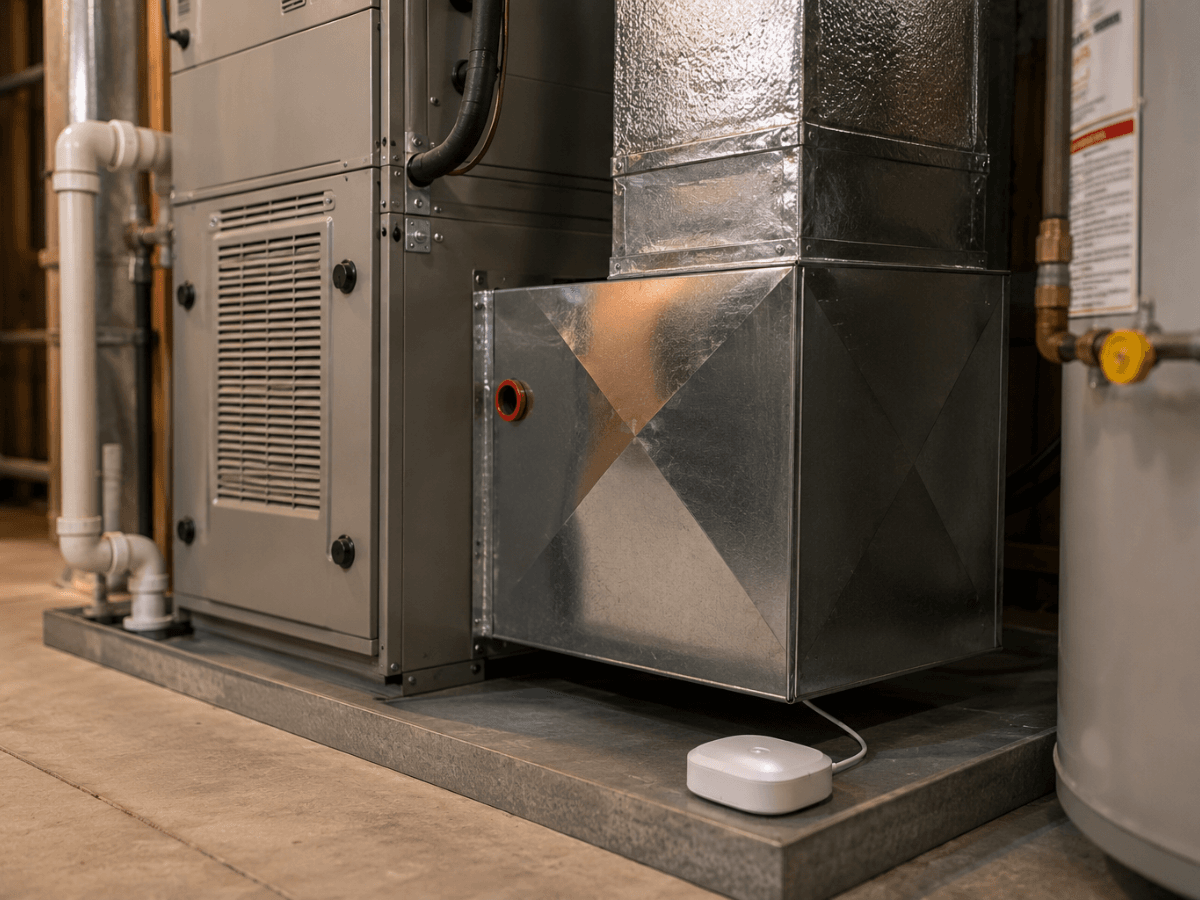
Many homeowners think about leaks in relation to plumbing fixtures or appliances, but HVAC systems can also become a source of hidden water damage.
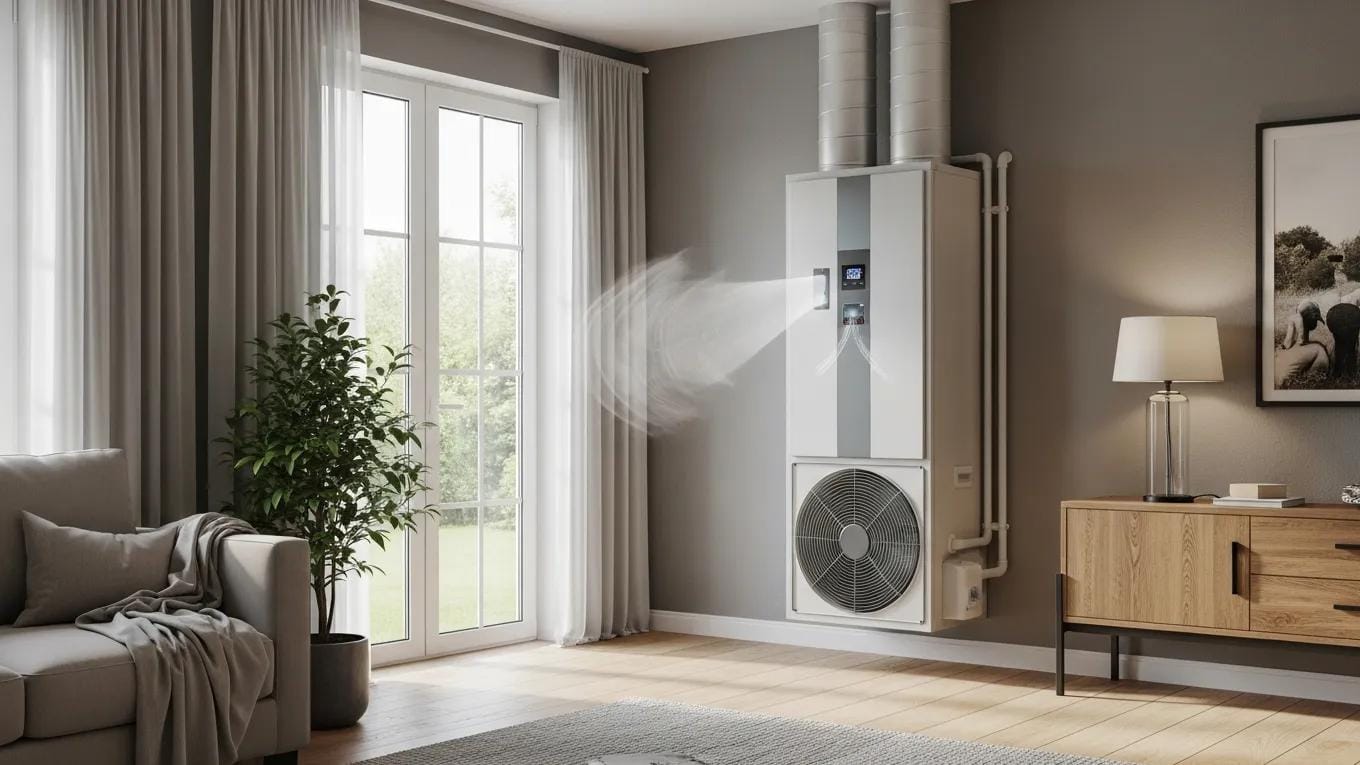
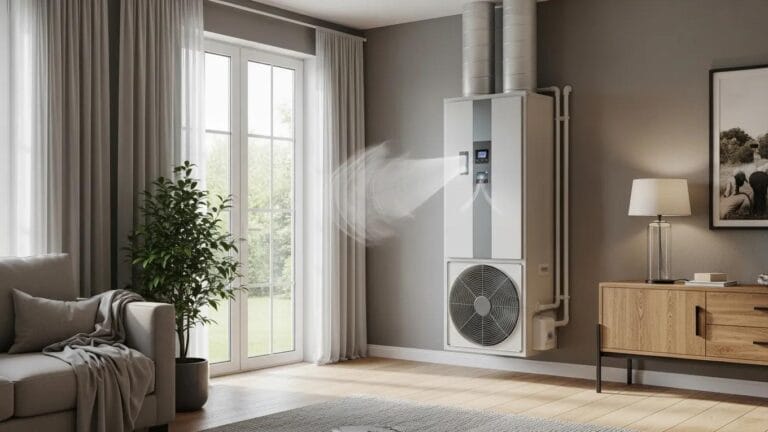
Air conditioning systems, condensate drain lines, humidifiers, and nearby plumbing connections all create situations where moisture problems can develop over time. Integrating smart leak detectors into HVAC maintenance plans adds another layer of protection by helping identify these issues early.
HVAC systems naturally produce condensation during operation, especially in humid climates. When drain lines become clogged or condensate pans overflow, water can collect in hidden areas behind walls, inside ceilings, or near flooring materials. These slow leaks are often difficult to notice until damage becomes visible.
Smart leak detectors placed near HVAC units can help identify excess moisture before it spreads. Early alerts allow homeowners to address drainage problems, clogged lines, or system malfunctions quickly, reducing the risk of mold growth and structural damage.
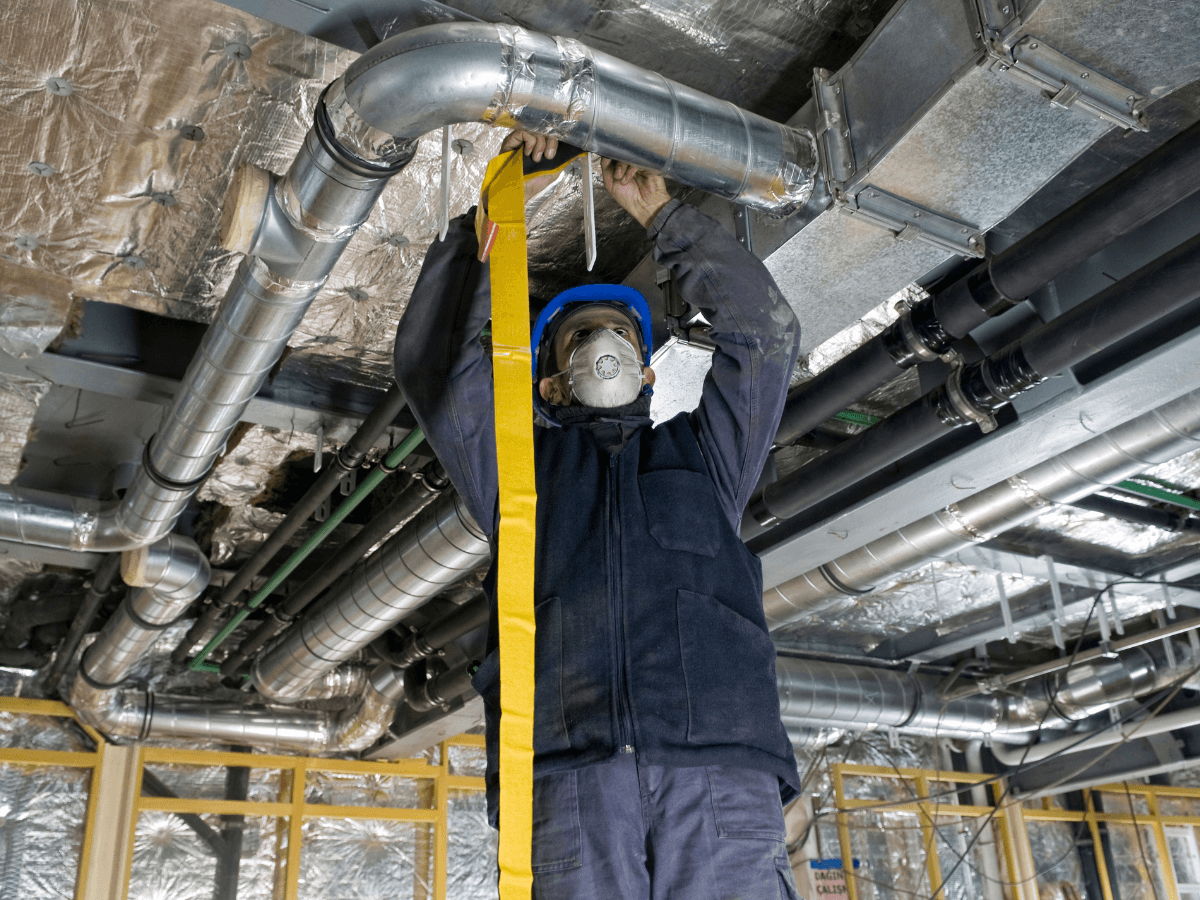
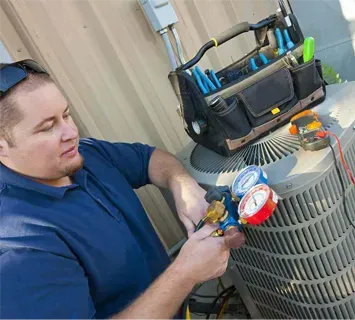
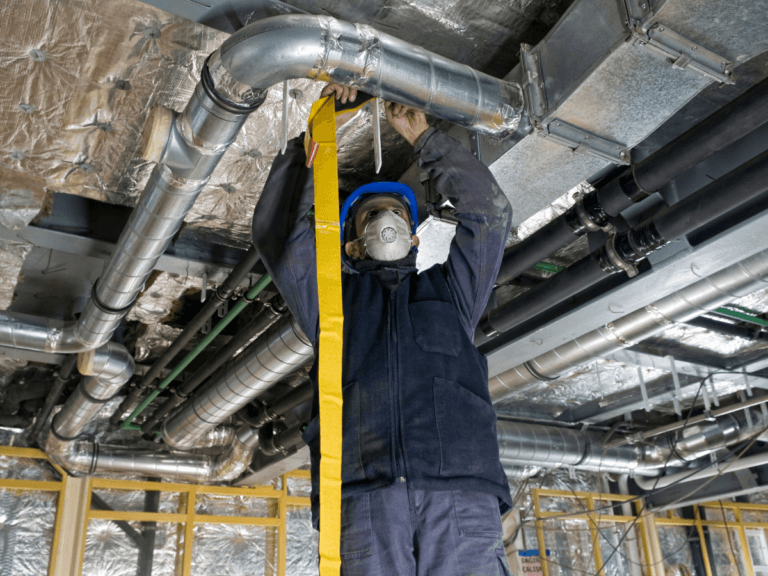
Combining HVAC inspections with leak monitoring also improves preventative maintenance overall. During regular servicing, technicians can check both system performance and nearby leak detection devices to ensure everything is functioning correctly.
What Are The Benefits Of Linking HVAC Services With Water Damage Prevention?
Connecting HVAC maintenance with water damage prevention creates a more complete home protection strategy. Instead of treating HVAC care and leak detection as separate concerns, homeowners can use both together to reduce long-term maintenance risks.
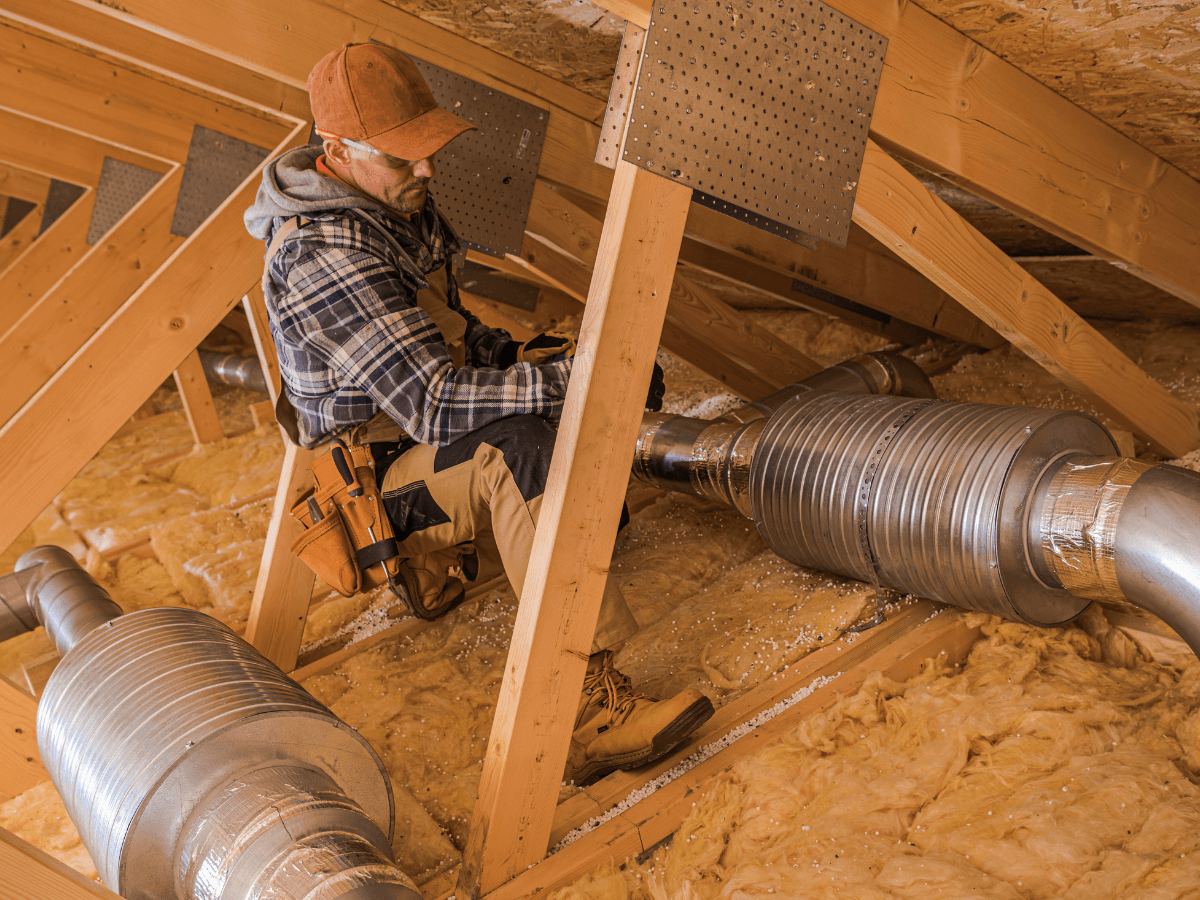
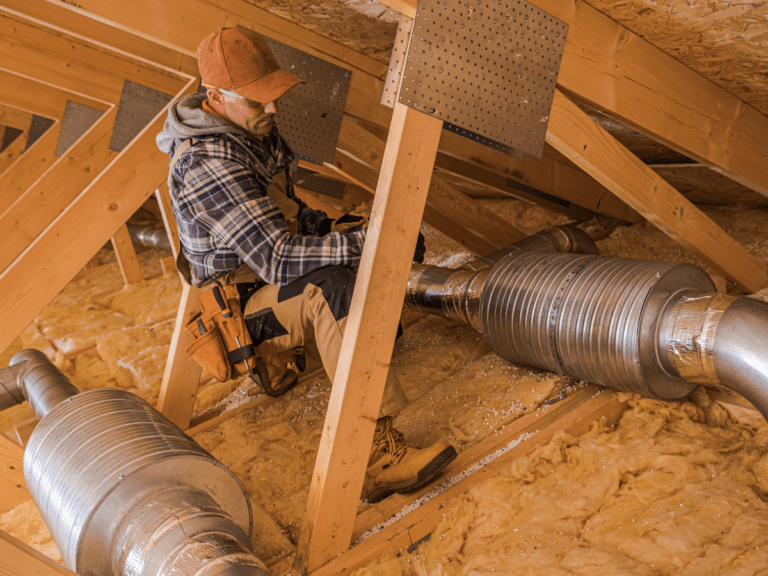
One major benefit is earlier problem detection. HVAC systems often operate in areas homeowners rarely inspect closely, such as attics, utility closets, crawl spaces, or basements. Smart leak detectors help monitor these spaces continuously between service appointments.
Water damage prevention also helps protect HVAC equipment itself. Excess moisture around units can contribute to corrosion, mold buildup, insulation damage, and reduced system efficiency over time. Detecting leaks early may help extend the lifespan of surrounding components and reduce repair expenses.
Another advantage is improved indoor air quality. Hidden moisture problems near HVAC systems can encourage mold growth that spreads through air circulation. By pairing smart leak detectors with regular HVAC inspections, homeowners can reduce the likelihood of moisture-related air quality concerns.
Some smart home systems even allow HVAC and leak detection technology to work together. For example, if a leak is detected near an HVAC unit, automated systems may send alerts, trigger shutoff valves, or adjust equipment settings to help limit further damage.
This integrated approach is especially useful in regions with high humidity or homes that rely heavily on air conditioning throughout the year. Continuous operation increases condensation output, making moisture monitoring even more important.
How To Use Internal Links To Promote Smart Leak Detection Solutions?
When creating home maintenance resources or educational content, internal linking can help homeowners better understand how smart leak detectors fit into broader property protection strategies.
For example, articles about HVAC maintenance can naturally connect to related topics such as water damage prevention, plumbing inspections, moisture control, or smart home monitoring systems. These internal links guide readers toward additional information that supports preventative maintenance decisions.
A homeowner researching clogged condensate drain lines may also benefit from learning about smart leak detectors that monitor HVAC areas automatically. Similarly, someone reading about basement moisture control may find value in linked resources discussing automated shutoff valves or remote leak alerts.
Internal linking also improves the overall organization of educational content by helping readers move through related topics more naturally. Instead of treating leak detection as a standalone feature, connected resources can show how it supports larger home maintenance goals.
For businesses or home service providers, this approach helps homeowners see the practical connection between HVAC care, plumbing maintenance, and water damage prevention without relying on overly promotional language.
Why Preventative Integration Matters
Water damage often develops quietly, especially around systems homeowners rarely inspect daily. HVAC equipment, drain lines, and moisture-producing appliances can create hidden risks that become expensive if ignored for too long.
Integrating smart leak detectors into HVAC maintenance routines encourages a more preventative approach to home care. Instead of reacting after damage appears, homeowners can monitor vulnerable areas continuously and address smaller issues before they escalate.
As smart home technology becomes more connected, the relationship between HVAC maintenance and leak detection is becoming increasingly important. Combining these systems helps create safer, more efficient homes while reducing the likelihood of unexpected water-related repairs.
Conclusion
For professional inspection, maintenance, and installation of home protection systems—including smart thermostats, air quality monitors, and whole-home safety devices—trust inAir Heating & Air. Ready to safeguard your home with smart technology and expert care?
Call (770) 233 7777 or submit an HVAC request online today to schedule a consultation. Let our team help you stay one step ahead of potential water damage, keeping your home dry, safe, and comfortable year-round.