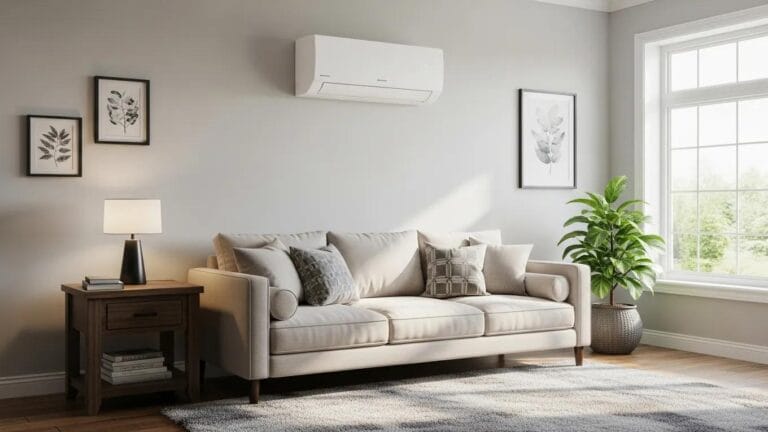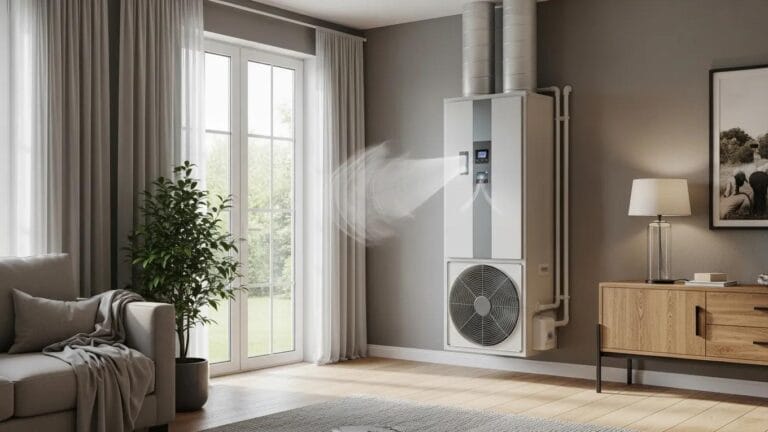




Your HVAC system doesn’t operate under the same conditions year-round. Seasonal temperature swings, humidity levels, rainfall, and even local air quality can all influence how hard it works and how efficiently it performs.
Over time, these environmental factors can affect comfort, energy consumption, and system longevity. Understanding how local climate impact HVAC performance throughout the year helps homeowners make smarter decisions about maintenance, system settings, and energy use.
Hot, humid summers may place heavy demands on cooling equipment, while colder months can test heating performance and airflow. Even transitional seasons bring unique challenges that affect indoor comfort.
By recognizing how climate influences your HVAC system, you can take proactive steps to improve efficiency, reduce strain on equipment, and maintain a more comfortable home in every season.
Understanding Local Climate Impact HVAC Efficiency and Lifespan
Local Climate Factors That Affect HVAC Performance
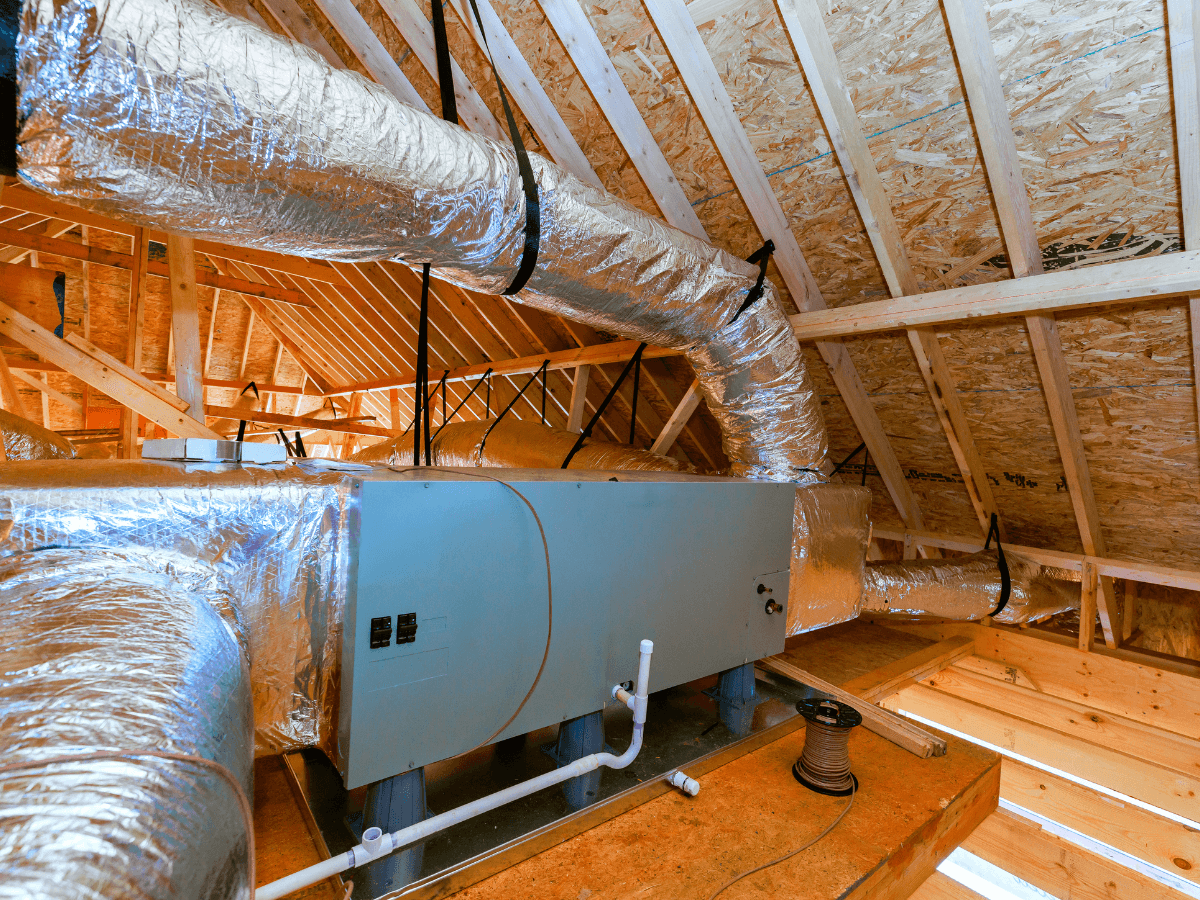
No HVAC system operates in a vacuum. Local weather conditions, seasonal changes, and even the way a home is built all influence how efficiently a heating and cooling system performs.
Understanding the relationship between climate and HVAC operation can help homeowners make better decisions about equipment selection, maintenance, and energy use.
In fact, the climate impact HVAC systems experience throughout the year often determines how hard they must work to maintain indoor comfort and how long they are likely to last.
Temperature Extremes
Temperature swings place some of the greatest demands on HVAC equipment. During periods of intense summer heat, air conditioners must run longer and work harder to remove heat from the home.
As outdoor temperatures rise, cooling systems become less efficient, often leading to higher energy consumption and increased wear on critical components.
Winter brings its own challenges. Heating systems must compensate for colder outdoor temperatures while maintaining a comfortable indoor environment. If a system is improperly sized for the home’s needs, it may struggle to keep up during extreme weather.
An undersized unit can run continuously, while an oversized system may cycle on and off too frequently, reducing efficiency and accelerating equipment wear.
Because of this, the climate impact HVAC performance experiences during temperature extremes should always be considered when selecting or replacing equipment.
Humidity Levels
While temperature often receives the most attention, humidity can have an equally significant effect on comfort and HVAC efficiency. In humid climates, air conditioners must remove both heat and excess moisture from the air. This added workload can increase operating costs and place additional strain on the system.
Excess humidity can also affect indoor air quality by creating conditions that encourage mold growth, mildew, and dust mites. Modern HVAC systems often include humidity-control features designed to maintain healthier indoor conditions while improving overall comfort.
Routine maintenance becomes especially important in humid environments. Clean filters, properly functioning condensate drains, and well-maintained cooling components help ensure the system can effectively manage both temperature and moisture levels throughout the year.
Seasonal Variations
Changing seasons require HVAC systems to perform different functions at different times of the year. A system that spends months focused on cooling may suddenly need to switch to heating as temperatures drop. These seasonal transitions are ideal times for inspections and preventive maintenance.
Preparing an air conditioning system before summer can help identify worn components, refrigerant issues, or airflow restrictions before peak demand arrives. Similarly, servicing a furnace or heat pump before winter helps ensure reliable performance during colder months.
Homeowners who schedule maintenance around seasonal changes often experience fewer breakdowns, improved efficiency, and lower long-term repair costs.
Home Characteristics
The way a home is constructed can significantly influence HVAC performance. Even the most advanced system may struggle if the home has poor insulation, inefficient windows, or significant air leaks.
Insulation helps reduce heat transfer, allowing HVAC systems to maintain indoor temperatures more efficiently. Well-sealed windows and doors prevent conditioned air from escaping and reduce the workload placed on heating and cooling equipment.
Home layout also matters. Multi-story homes, open floor plans, and rooms with large amounts of direct sunlight may experience uneven temperatures. In these situations, zoning systems can help distribute heating and cooling more effectively by allowing different areas of the home to be controlled independently.
What Are Climate Zones And How Do They Influence HVAC Design?
Climate zones are geographic regions that share similar weather patterns, temperatures, humidity levels, and seasonal conditions. HVAC manufacturers and designers use climate zone classifications to determine which systems will perform most efficiently in specific environments.
For example, a system designed for a hot, humid region often prioritizes moisture removal and cooling capacity. In colder climates, systems may incorporate enhanced heating capabilities and additional insulation to improve performance during freezing temperatures.
Understanding local climate conditions helps ensure that HVAC equipment is matched appropriately to the environment where it will operate.
Which Climate Zones Affect HVAC System Selection?
Different climate zones place different demands on HVAC equipment. Tropical and subtropical regions typically require systems capable of managing high heat and humidity levels.
Arid climates may focus more on cooling efficiency and airflow management, while colder northern regions require reliable heating performance and freeze protection.
Selecting equipment that aligns with local climate conditions helps improve comfort, reduce energy consumption, and extend system lifespan.
How Do HVAC Systems Adapt To Different Environmental Conditions?
Modern HVAC systems incorporate a variety of technologies that allow them to perform effectively in different climates. Variable-speed motors, smart thermostats, humidity controls, and advanced heat pump technology all help systems respond more efficiently to changing weather conditions.
These climate-specific features enable homeowners to maintain consistent indoor comfort while minimizing energy use.
By understanding the climate impact HVAC systems face in a particular region, homeowners can make more informed decisions about equipment selection, maintenance strategies, and long-term energy efficiency.
Temperature Extremes And HVAC Efficiency
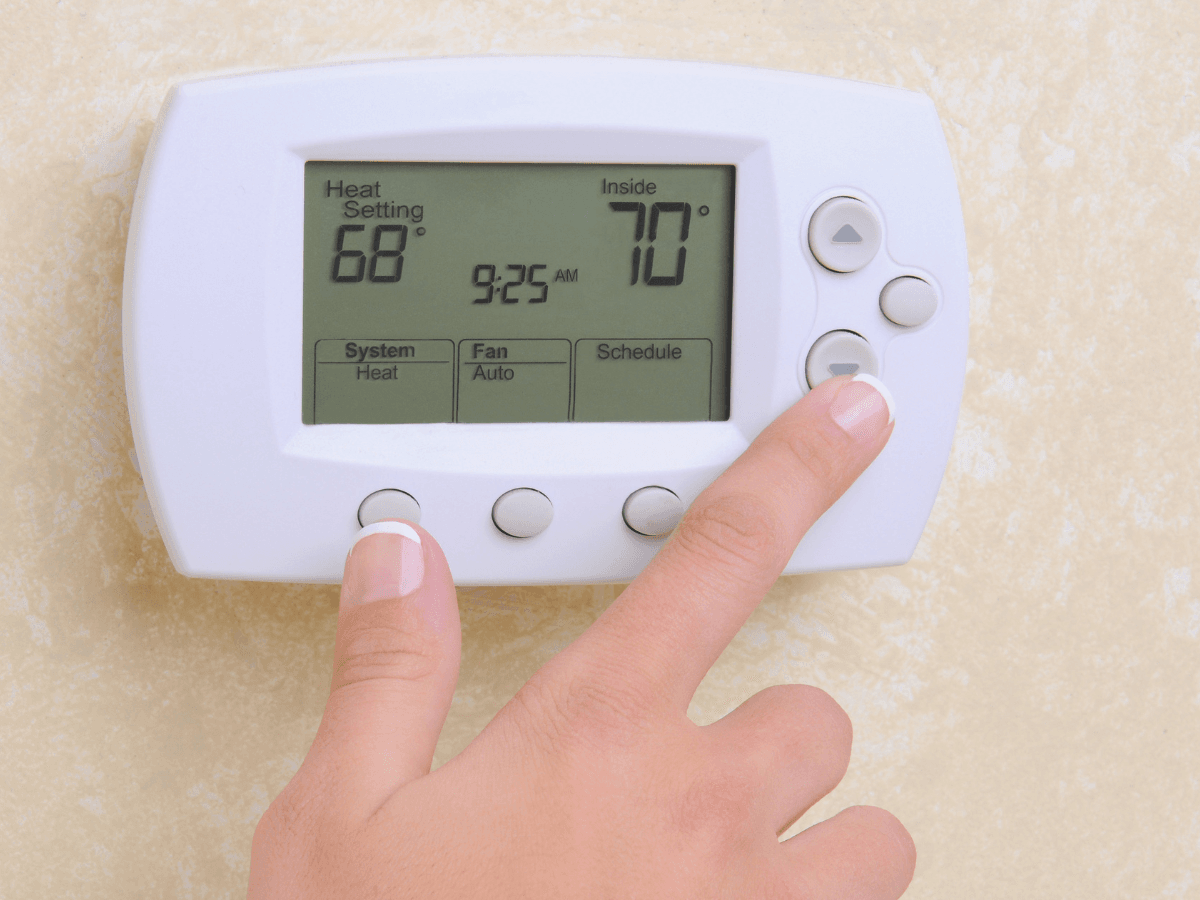
Outdoor temperatures have a direct effect on how hard an HVAC system must work to keep a home comfortable. Whether it’s a prolonged summer heatwave or a stretch of freezing winter weather, extreme conditions can push equipment beyond its typical operating range.
Understanding the climate impact HVAC systems experience during temperature extremes can help homeowners improve efficiency, reduce energy costs, and extend the life of their equipment.
How Do Temperature Extremes Impact HVAC Efficiency And Performance?
HVAC systems operate most efficiently when outdoor conditions fall within a moderate range. As temperatures become more extreme, heating and cooling equipment must work longer and harder to maintain the desired indoor temperature.
During very hot weather, air conditioners remove more heat from the home while running for longer periods. In extremely cold conditions, furnaces and heat pumps face similar challenges as they work to replace heat that escapes through walls, windows, and other parts of the building envelope.
This increased workload often leads to higher utility bills, greater component wear, and more frequent maintenance needs. The climate impact HVAC equipment experiences during these periods is not limited to energy consumption.
Prolonged operation can also shorten the lifespan of motors, compressors, fans, and other critical components. Homeowners can reduce some of this strain by improving insulation, sealing air leaks, and scheduling preventive maintenance before peak heating or cooling seasons begin.
What Happens To HVAC Systems In Hot Climates?
Homes located in consistently warm regions place heavy demands on cooling systems for much of the year. Air conditioners may operate daily for extended periods, making efficiency and reliability especially important.
One of the biggest challenges in hot climates is managing both temperature and humidity. When humidity levels rise, cooling systems must remove excess moisture from the air in addition to lowering indoor temperatures.
This added responsibility increases energy usage and can make the system work harder than expected. Over time, constant operation may contribute to faster wear on compressors, condensers, and refrigerant-related components.
Dirty filters, blocked coils, and low refrigerant levels can further reduce performance and increase operating costs. For homeowners in warmer regions, routine maintenance becomes a key part of protecting system efficiency.
Annual inspections, filter replacements, and airflow checks can help identify issues before they become costly repairs. In some cases, upgrading to a high-efficiency system designed for hot climates may also provide long-term savings and improved comfort.
How Does Cold Weather Affect HVAC Operation And Maintenance?
While summer heat places stress on cooling equipment, winter conditions create a different set of challenges for heating systems. Furnaces, boilers, and heat pumps often operate more frequently during cold weather, especially when outdoor temperatures remain below normal for extended periods.
As heating demand increases, system components experience additional wear. Heat pumps may need to rely more heavily on supplemental heating modes, while furnaces may cycle more frequently to maintain indoor comfort. If equipment is not properly maintained, efficiency can decline and energy costs can rise.
Cold weather can also expose existing weaknesses within a home’s HVAC system. Poor insulation, air leaks around doors and windows, and blocked vents can force equipment to work harder than necessary. Addressing these issues can significantly improve performance and reduce heating expenses.
Preventive maintenance is particularly important before winter arrives. A professional inspection can identify worn parts, airflow restrictions, or safety concerns before they lead to breakdowns during the coldest part of the year.
Homeowners should also have a plan in place for unexpected situations, such as power outages or emergency repairs. Keeping heating equipment serviced and ready for seasonal demands helps reduce disruptions and improves overall reliability.
Understanding how temperature extremes affect heating and cooling performance is an important part of managing the climate impact HVAC systems face throughout the year.
By preparing for seasonal conditions and maintaining equipment proactively, homeowners can improve efficiency, reduce energy costs, and keep their homes comfortable regardless of the weather outside.
Humidity, Indoor Air Quality, And HVAC Performance
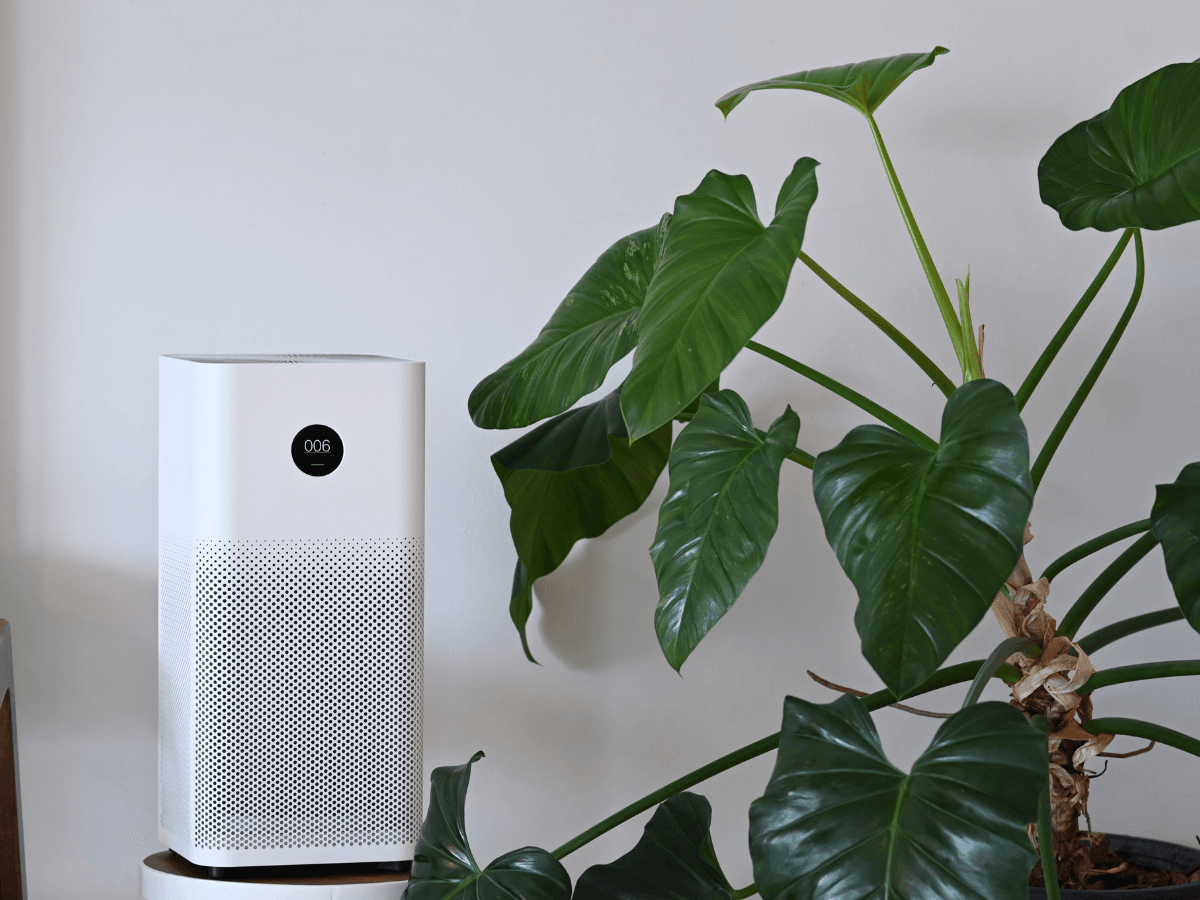
Temperature often gets the most attention when discussing home comfort, but humidity plays an equally important role. Excess moisture in the air can make indoor spaces feel warmer than they actually are, affect air quality, and place additional strain on heating and cooling equipment.
Understanding the climate impact HVAC systems experience from changing humidity levels can help homeowners create a healthier, more comfortable, and more energy-efficient indoor environment.
What Is The Impact Of Humidity On HVAC Systems And Indoor Air Quality?
Humidity affects both how a home feels and how efficiently an HVAC system operates. When indoor humidity levels rise, the air can feel heavy and uncomfortable, even if the thermostat is set to a reasonable temperature.
As a result, many homeowners lower the temperature setting to compensate, causing the cooling system to run longer than necessary.
Beyond comfort concerns, excessive humidity can negatively affect indoor air quality. Moist environments encourage the growth of mold, mildew, and dust mites, all of which can contribute to respiratory irritation and allergy symptoms.
Condensation around windows, musty odors, and damp surfaces are often signs that humidity levels are too high.
Modern HVAC systems frequently include humidity-control features that help maintain a healthier indoor environment. By managing both temperature and moisture levels, these systems improve comfort while supporting better air quality throughout the home.
How Does High Humidity Affect HVAC Efficiency?
High humidity creates additional work for air conditioning systems because they must remove moisture from the air while also cooling the space. This dual responsibility increases operating time and energy consumption, especially during hot and humid weather.
When humidity levels remain elevated, homeowners may notice that rooms feel uncomfortable even when the air conditioner is running continuously. This often happens because the system is struggling to keep up with both cooling and dehumidification demands.
Over time, the added workload can contribute to increased wear on HVAC components. Longer run times place more stress on compressors, fans, and other critical parts, potentially leading to reduced efficiency and higher maintenance costs.
The climate impact HVAC systems experience in humid regions often results in higher seasonal energy bills compared to homes in drier climates. Investing in proper humidity control can help reduce this burden while improving overall system performance.
What Maintenance Is Needed To Manage Humidity Effects?
Managing humidity effectively requires more than simply adjusting thermostat settings. Regular HVAC maintenance plays an important role in keeping moisture levels under control and preventing humidity-related problems from developing.
One of the most important maintenance tasks is replacing air filters on schedule. Dirty filters restrict airflow, reducing the system’s ability to remove moisture efficiently. Homeowners should also ensure that condensate drain lines remain clear, allowing moisture collected during the cooling process to drain properly.
Routine inspections of evaporator coils, drain pans, and ventilation systems can help identify issues before they affect performance. If moisture is not being removed effectively, it can accumulate within the system and create conditions that encourage mold growth or water damage.
For homes located in particularly humid climates, a whole-home dehumidifier may provide additional support. These systems work alongside HVAC equipment to maintain consistent humidity levels and reduce the strain placed on the air conditioner.
How Does Humidity Affect HVAC Efficiency Over The Long Term?
While occasional humidity spikes may only create temporary discomfort, consistently high humidity can have long-term consequences for HVAC performance. Systems that regularly operate under heavy moisture loads often experience greater wear and may require more frequent repairs.
Poor humidity control can also affect other areas of the home. Excess moisture may damage wood flooring, contribute to peeling paint, and create conditions that encourage biological growth. These issues can increase maintenance costs while reducing overall indoor comfort.
Addressing humidity proactively helps protect both the HVAC system and the home itself. Regular maintenance, proper ventilation, and effective moisture-control solutions allow equipment to operate more efficiently and support healthier indoor air quality.
Because the climate impact HVAC systems experience extends beyond temperature alone, homeowners should view humidity management as a key part of maintaining comfort, efficiency, and long-term system reliability.
By controlling moisture levels throughout the year, it is possible to reduce energy consumption, improve indoor air quality, and help HVAC equipment perform at its best.
Seasonal HVAC Maintenance And System Longevity
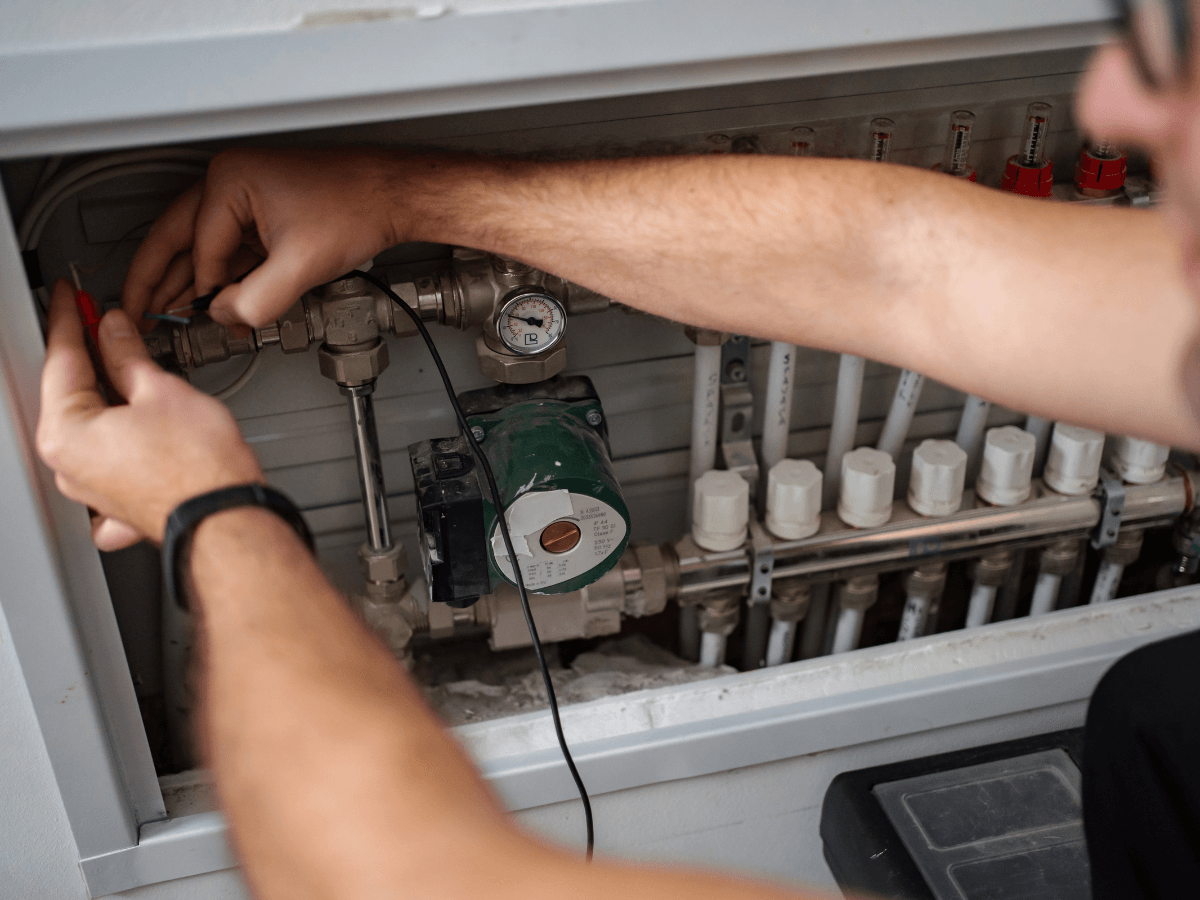
Weather conditions change throughout the year, and HVAC systems must adapt to those changes to keep homes comfortable. As temperatures rise and fall, heating and cooling equipment experiences different levels of demand, making regular maintenance essential for reliable performance.
Understanding the climate impact HVAC systems face during each season can help homeowners develop a maintenance plan that improves efficiency, prevents unexpected breakdowns, and extends equipment lifespan.
Regular Maintenance
Routine HVAC maintenance is one of the most effective ways to protect a home’s heating and cooling system. Even well-built equipment can lose efficiency over time if filters become clogged, components wear out, or airflow is restricted.
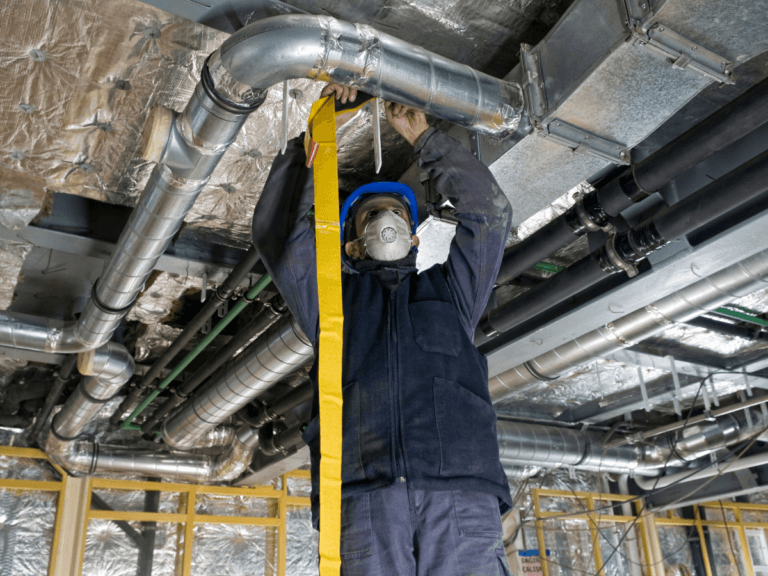
Scheduling professional maintenance at least once a year allows technicians to identify small issues before they develop into costly repairs. Regular service also helps systems operate more efficiently, which can reduce energy consumption and improve indoor comfort.
Beyond performance benefits, maintenance contributes to healthier indoor air quality. Clean filters, properly functioning ventilation systems, and well-maintained components help reduce the circulation of dust, allergens, and other airborne particles throughout the home.
How Should Seasonal HVAC Maintenance Vary With Weather Changes?
HVAC maintenance should be adjusted to match the demands of each season. Equipment that performs well in mild weather may face significantly greater stress during peak summer or winter conditions.
Preparing a cooling system before summer allows homeowners to address issues such as low refrigerant levels, dirty coils, or thermostat problems before temperatures climb. Likewise, inspecting heating equipment before winter ensures the system is ready to handle extended periods of cold weather.
The climate impact HVAC systems experience often changes from season to season, making proactive maintenance a practical way to improve reliability and reduce emergency service calls.
What Are Essential Maintenance Tasks For Different Seasons?
Each season presents unique challenges, and maintenance priorities should reflect those changing conditions.
In spring, homeowners should focus on preparing cooling equipment for warmer temperatures. This often includes replacing air filters, checking refrigerant levels, inspecting ductwork for leaks, and ensuring the thermostat is functioning correctly.
During summer, maintenance efforts should center on maximizing cooling efficiency. Cleaning outdoor condenser units, removing debris around equipment, and monitoring airflow can help reduce strain on the system during periods of heavy use.
As temperatures begin to cool in the fall, attention shifts toward heating equipment. Furnaces, heat pumps, and other heating components should be inspected, cleaned, and tested before winter arrives. Replacing filters and verifying proper airflow can also help improve performance.
Winter maintenance focuses on ensuring consistent heating and safe operation. Homeowners should monitor airflow, inspect vents for blockages, and address any unusual noises or performance issues promptly.
Preparing for potential winter emergencies, such as power outages or severe weather, can also help minimize disruptions.
How Does Regular Maintenance Improve System Longevity?
HVAC systems represent a significant investment, and regular maintenance helps protect that investment over time. When equipment operates under unnecessary strain due to dirty filters, restricted airflow, or worn components, parts tend to wear out more quickly.
Routine inspections help identify developing issues early, reducing the risk of major mechanical failures. Components such as motors, belts, electrical connections, and refrigerant systems can be serviced before they cause larger problems.
Consistent maintenance also supports energy efficiency. Systems that operate efficiently typically experience less wear and tear, which can contribute to a longer service life and lower operating costs.
For homeowners looking to maximize equipment lifespan, maintenance is often one of the most cost-effective strategies available.
What Maintenance Is Needed For HVAC In Cold Climates?
Cold-weather regions present additional challenges for HVAC systems. Extended heating seasons can place significant stress on furnaces, boilers, and heat pumps, making preventive care especially important.
Homeowners in colder climates should schedule regular inspections before winter begins and pay close attention to airflow, filter condition, and heating performance throughout the season.
Heat pumps may require additional monitoring during freezing temperatures, while furnaces should be checked for safe and efficient operation.
Proper insulation and air sealing also play an important role in cold climates. When homes retain heat more effectively, HVAC equipment does not need to work as hard to maintain comfortable indoor temperatures.
Because the climate impact HVAC systems experience varies significantly by region and season, maintenance plans should be tailored to local weather conditions.
With consistent care and seasonal preparation, homeowners can improve efficiency, reduce repair costs, and help their HVAC systems perform reliably for years to come.
Energy Consumption, Costs, And Efficiency Solutions
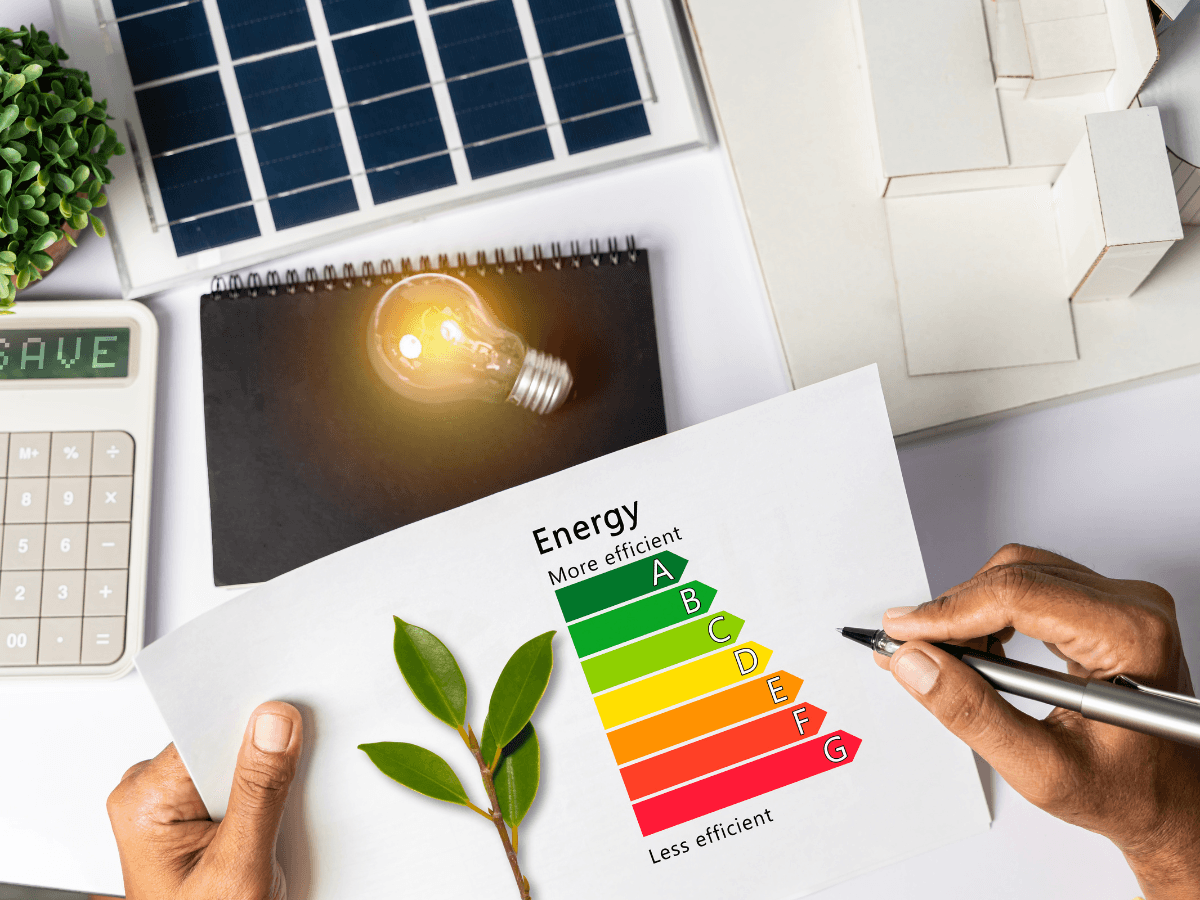
One of the most noticeable effects of weather on a home’s heating and cooling system is its impact on energy use. As outdoor conditions become more demanding, HVAC equipment must work harder to maintain indoor comfort, often resulting in higher utility bills.
Understanding the climate impact HVAC systems experience in different regions can help homeowners identify opportunities to improve efficiency, reduce operating costs, and make smarter long-term investments in their equipment.
How Does Local Climate Influence HVAC Energy Consumption And Costs?
Climate is one of the primary factors affecting HVAC energy usage. Homes located in areas with long, hot summers often spend more on cooling, while those in colder regions typically see higher heating expenses during winter months.
In locations that experience both temperature extremes, HVAC systems may operate heavily throughout much of the year. When heating or cooling equipment runs for extended periods, energy consumption naturally increases.
High humidity can further raise costs by forcing air conditioners to remove moisture in addition to cooling the air. Similarly, freezing temperatures can place greater demands on furnaces and heat pumps, increasing fuel or electricity usage.
The climate impact HVAC systems experience is not limited to seasonal spikes in energy consumption. Over time, consistent exposure to extreme conditions can also increase maintenance needs and accelerate equipment wear, adding to overall ownership costs.
Homeowners who understand how local weather patterns influence system performance are often better positioned to make energy-saving improvements that align with their specific climate.
What Are Typical Energy Usage Patterns In Various Climates?
Energy usage patterns often follow predictable seasonal trends, although the exact demands vary by region.
In warmer climates, cooling costs typically represent the largest portion of annual HVAC expenses. Air conditioners may operate daily for several months, particularly during periods of extreme heat and humidity.
Homes in these regions often benefit from efficient cooling systems, proper insulation, and effective humidity control strategies.
In colder climates, heating systems become the primary energy consumers. Furnaces, boilers, and heat pumps may run continuously during prolonged cold spells, especially if a home lacks sufficient insulation or has significant air leaks.
Regions with moderate climates generally experience lower overall HVAC energy demands, but seasonal transitions can still influence energy use. During spring and fall, homeowners may use both heating and cooling systems intermittently as temperatures fluctuate.
Recognizing these usage patterns allows homeowners to anticipate seasonal energy costs and take proactive steps to improve efficiency before peak demand arrives.
How Can Energy-Efficient HVAC Solutions Reduce Expenses?
Improving HVAC efficiency is one of the most effective ways to lower long-term energy costs. Modern systems are designed to provide greater comfort while using less energy, making them a valuable investment for many homeowners.
Variable-speed HVAC systems are a popular option because they can adjust output based on actual heating or cooling needs. Rather than operating at full capacity all the time, these systems run more efficiently and maintain more consistent indoor temperatures.
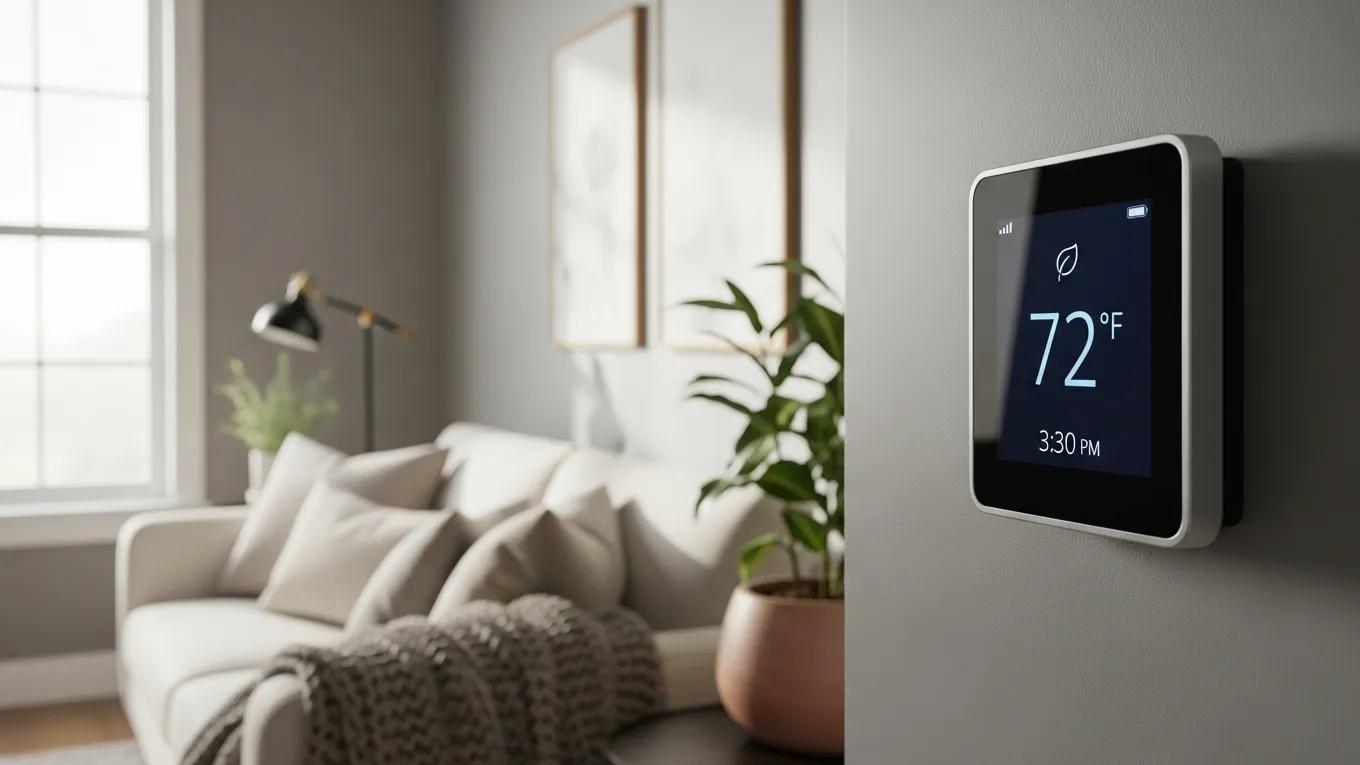
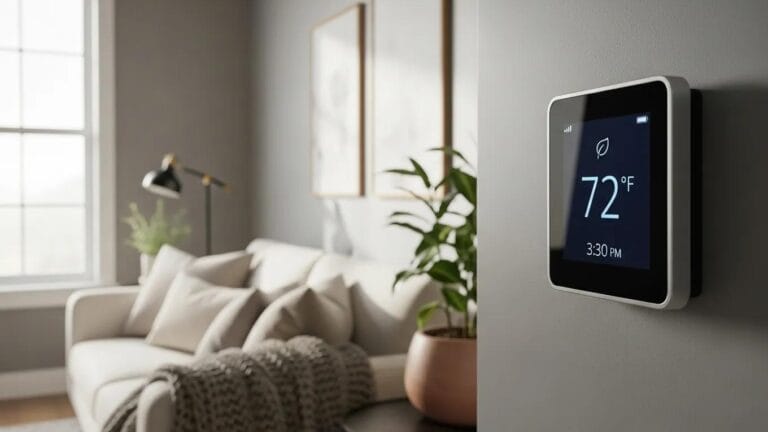
Smart thermostats also contribute to energy savings by automatically adjusting settings based on occupancy, schedules, and weather conditions. These devices help prevent unnecessary energy use while maintaining comfort throughout the day.
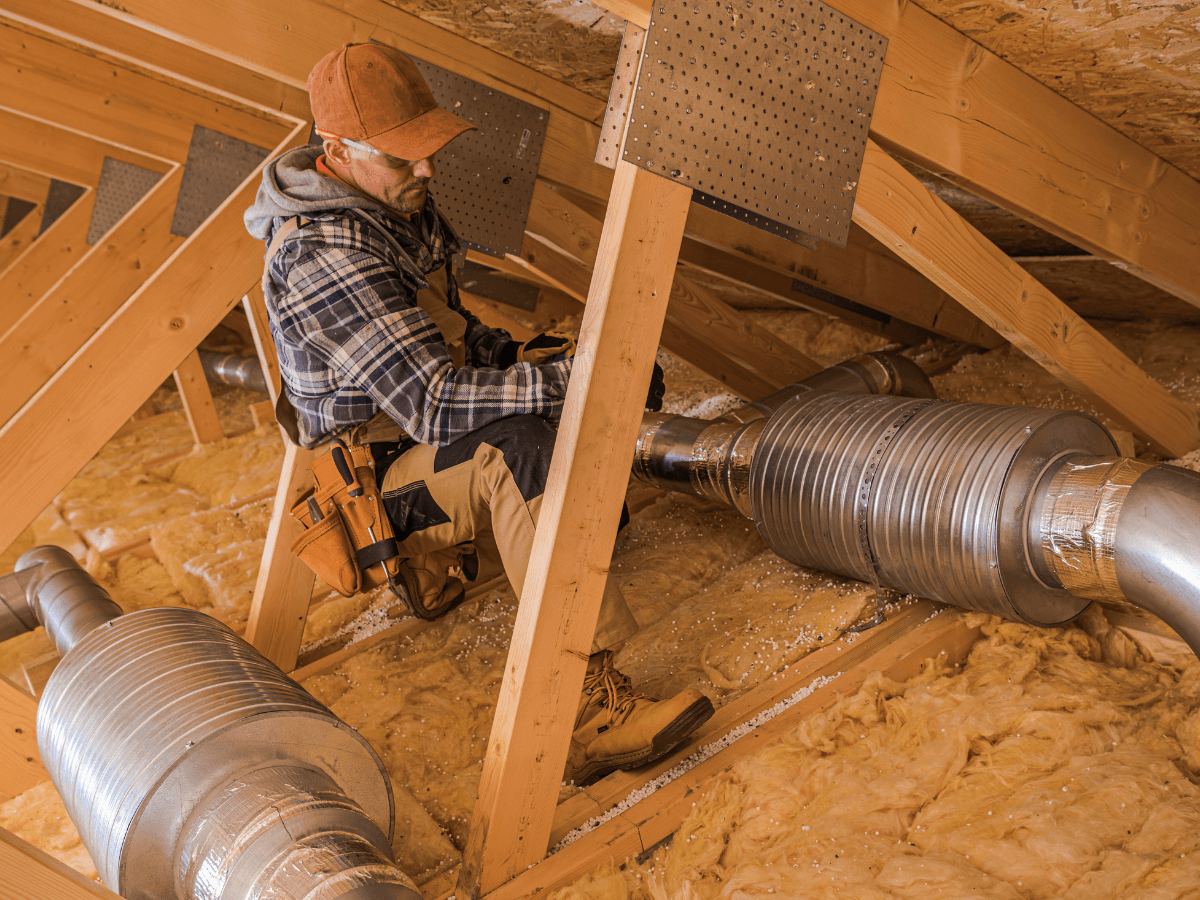
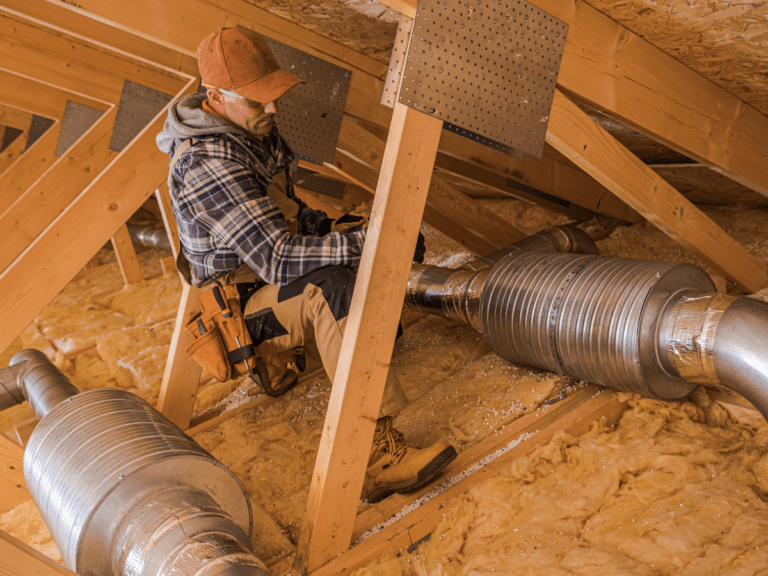
In addition to equipment upgrades, improvements to the home itself can significantly reduce HVAC expenses. Better insulation, high-performance windows, sealed ductwork, and improved air sealing all reduce the workload placed on heating and cooling equipment.
Regular maintenance remains another important efficiency strategy. Clean filters, properly calibrated thermostats, and well-maintained components allow systems to operate closer to their intended performance levels.
Many energy-efficient upgrades may also qualify for utility rebates, tax incentives, or local energy-efficiency programs, helping offset HVAC installation costs.
Because the climate impact HVAC systems experience varies from one region to another, the most effective energy-saving solutions often depend on local conditions.
By understanding how weather affects energy consumption and choosing equipment designed for their environment, homeowners can reduce utility costs, improve comfort, and maximize the value of their HVAC investment.
Emerging HVAC Technologies For Extreme Weather
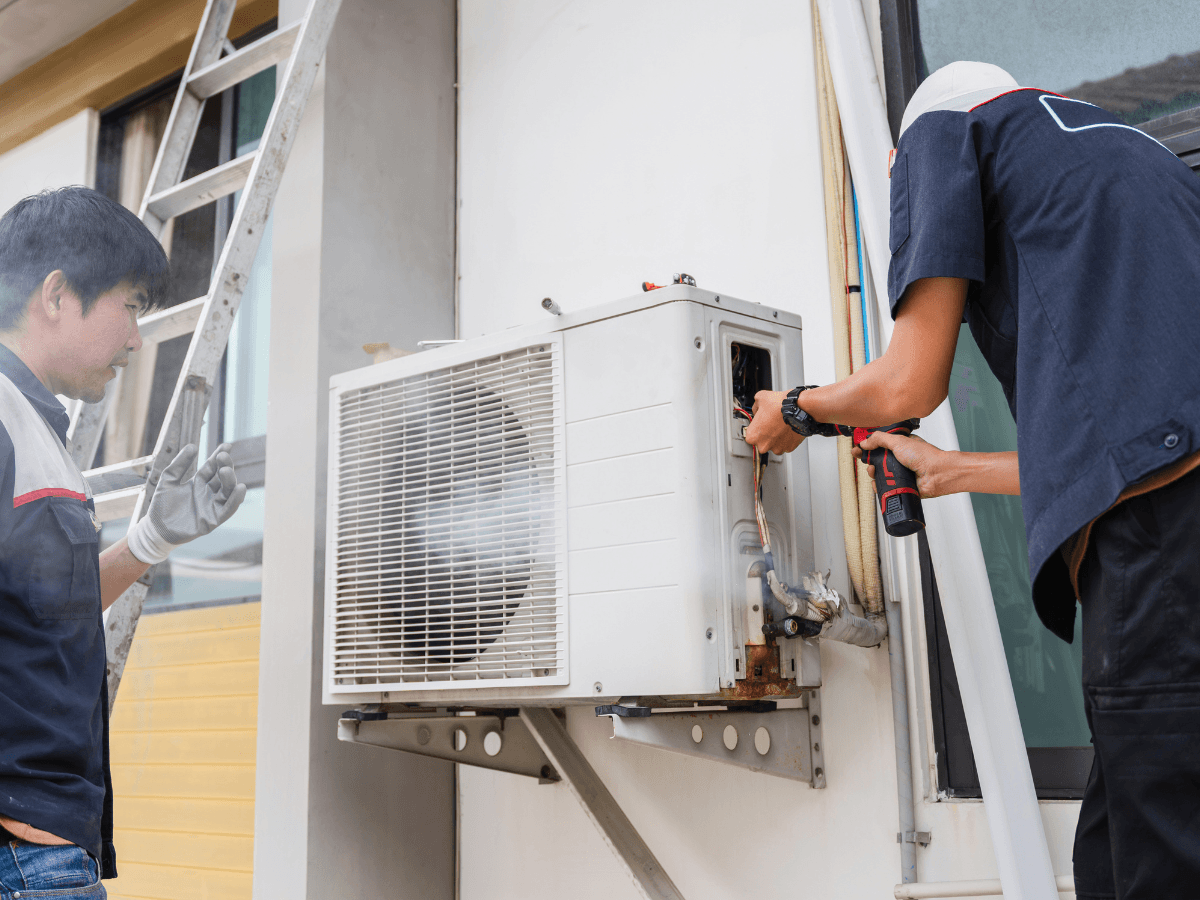
As weather patterns become less predictable and temperature extremes become more common in many regions, HVAC technology continues to evolve to meet new challenges. Manufacturers are developing smarter, more responsive systems that improve comfort while reducing energy consumption.
These innovations are helping homeowners better manage the climate impact HVAC systems face throughout the year, especially during periods of extreme heat, cold, or fluctuating weather conditions.
What Emerging Technologies Enhance HVAC Performance In Extreme Weather?
Modern HVAC systems are far more advanced than the equipment installed just a decade ago. New technologies focus on improving efficiency, increasing system flexibility, and adapting to changing environmental conditions.
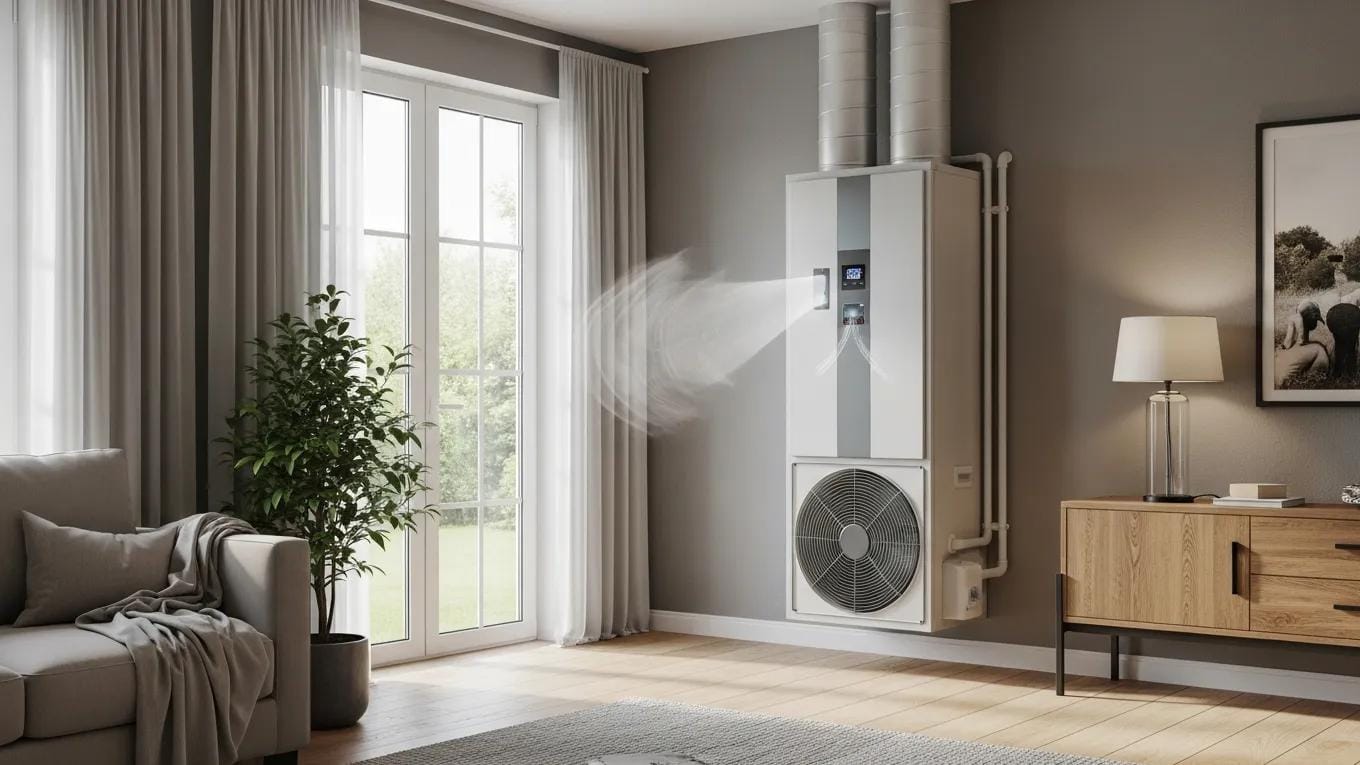
One of the most significant developments is variable-speed technology. Unlike traditional systems that operate at full capacity whenever they turn on, variable-speed units automatically adjust their output based on actual heating or cooling needs.
This allows the system to maintain more consistent indoor temperatures while using less energy. Advanced heat pump technology has also expanded the range of climates where heat pumps can operate effectively.
Many newer models can provide efficient heating even in colder temperatures that previously required supplemental heating systems.
Connected HVAC systems are another growing trend. By integrating sensors, smart controls, and real-time performance monitoring, these systems can make automatic adjustments that improve comfort and efficiency throughout changing weather conditions.
As the climate impact HVAC equipment experiences continues to evolve, these technologies offer practical solutions for maintaining reliable performance under a wider range of environmental conditions.
How Do Smart Thermostats Optimize HVAC Efficiency?
Smart thermostats have become one of the most accessible and effective HVAC upgrades available to homeowners. These devices go beyond simple temperature control by learning household routines and adjusting settings automatically to reduce unnecessary energy use.
For example, a smart thermostat can lower heating or cooling output when occupants are away and return the home to a comfortable temperature before they return. This reduces wasted energy without sacrificing comfort.
Many smart thermostats also provide detailed energy reports, allowing homeowners to identify usage patterns and opportunities for improvement. Some models can even incorporate local weather forecasts into their programming, making small adjustments before outdoor conditions change.
Remote access is another valuable feature. Homeowners can monitor and control their HVAC systems through smartphone apps, ensuring that settings can be adjusted from virtually anywhere.
By optimizing system operation throughout the day, smart thermostats help reduce energy consumption while supporting more consistent indoor comfort.
What Role Do Climate-Adaptive HVAC Systems Play?
Climate-adaptive HVAC systems represent a more advanced approach to heating and cooling. Rather than operating according to fixed settings, these systems continuously respond to environmental conditions, indoor temperatures, humidity levels, and occupancy patterns.
For example, a climate-adaptive system may automatically increase dehumidification during periods of high humidity or adjust airflow when outdoor temperatures rise unexpectedly. In colder climates, the system can modify heating output to maintain efficiency while responding to changing conditions throughout the day.
These systems often combine multiple technologies, including smart thermostats, variable-speed motors, advanced sensors, and predictive controls. Together, these features allow the equipment to operate more efficiently than traditional HVAC systems.
Climate-adaptive technology is particularly beneficial in regions that experience large seasonal swings or frequent weather fluctuations. Instead of relying on one-size-fits-all settings, the system continuously adjusts its performance to match current conditions.
The climate impact HVAC systems experience varies significantly from one region to another, which is why adaptability has become such an important feature in modern equipment. Systems that can respond intelligently to changing weather conditions often provide better comfort, lower energy costs, and reduced strain on critical components.
As HVAC technology continues to advance, homeowners have more options than ever to improve efficiency and prepare their homes for increasingly demanding environmental conditions.
Whether through smart thermostats, variable-speed equipment, or climate-adaptive systems, these innovations are helping create more resilient and energy-conscious homes for the future.
Financing Climate-Adapted HVAC Upgrades

Upgrading an HVAC system is often one of the most significant home improvement investments a homeowner can make. While modern, energy-efficient equipment can deliver better comfort and lower operating costs, the upfront expense can sometimes delay needed improvements.
Fortunately, a variety of financing programs, rebates, and incentive opportunities are available to help make climate-adapted HVAC upgrades more affordable.
For homeowners looking to address the climate impact HVAC systems face in their region, understanding these financial options can make the decision easier and more practical.
Which Financing Options Support Climate-Adapted HVAC Upgrades?
Many homeowners have access to financing programs designed specifically for energy-efficient home improvements. These options can help spread the cost of a new HVAC system over time while allowing homeowners to begin benefiting from improved efficiency immediately.
Manufacturer financing programs are among the most common solutions. Many HVAC equipment manufacturers and contractors offer installment plans with competitive interest rates, making it possible to upgrade equipment without a large upfront payment.
Utility companies may also provide financing assistance, rebates, or incentive programs for qualifying energy-efficient systems. These programs encourage homeowners to reduce energy consumption while improving overall grid efficiency.
In addition, federal, state, and local energy-efficiency initiatives may offer tax credits or rebates for eligible HVAC upgrades. Depending on the location and equipment selected, these incentives can offset a meaningful portion of installation costs.
Because the climate impact HVAC equipment experiences varies by region, some programs are specifically designed to support systems that perform efficiently in local weather conditions.
How Can Accessible Financing Improve HVAC System Upgrades?
Financing options do more than reduce immediate costs. They also allow homeowners to consider higher-performing equipment that may have been outside their initial budget.
Rather than selecting the least expensive option available, homeowners can focus on systems that better meet the demands of their climate, household size, and long-term comfort goals.
This often includes equipment with advanced features such as variable-speed operation, smart controls, enhanced humidity management, or improved cold-weather performance.
Accessible financing can also encourage proactive replacement rather than waiting for a complete system failure. Replacing aging equipment before it breaks down unexpectedly provides homeowners with more time to evaluate options and choose solutions that align with their needs.
In many cases, the monthly energy savings generated by a more efficient system can help offset a portion of the financing costs, making the upgrade easier to manage financially.
What Are The Cost Savings Of Investing In Energy-Efficient HVAC?
While the upfront cost of a high-efficiency HVAC system may be higher than that of a standard model, the long-term financial benefits often make the investment worthwhile.
Energy-efficient systems use less electricity or fuel to achieve the same level of comfort. Over time, this can lead to noticeable reductions in monthly utility bills, particularly in regions that experience extreme seasonal temperatures.
Homes located in areas with hot summers, cold winters, or high humidity levels often see some of the greatest savings because their HVAC systems operate more frequently throughout the year. Equipment designed to handle these conditions efficiently can significantly reduce annual operating expenses.
Modern HVAC systems may also require fewer repairs and experience less wear and tear compared to older equipment. Improved technology, better performance monitoring, and more efficient operation can contribute to lower maintenance costs over the life of the system.
Additional savings may come from available rebates, tax incentives, and utility programs that reward energy-efficient upgrades. These incentives can shorten the payback period and improve the overall return on investment.
As homeowners evaluate ways to address the climate impact HVAC systems experience, energy-efficient upgrades often provide both immediate and long-term value.
Lower utility bills, enhanced comfort, improved reliability, and access to financing programs make climate-adapted HVAC systems an increasingly attractive option for homeowners seeking greater efficiency and resilience.
Conclusion
Local climate conditions play a major role in how hard your HVAC system works throughout the year. Seasonal temperature swings, humidity levels, rainfall, and air quality can all affect system efficiency, energy consumption, and long-term performance.
Understanding these environmental factors and staying proactive with maintenance can help homeowners improve comfort, reduce utility costs, and extend the lifespan of their HVAC equipment.
For trusted heating and cooling services tailored to Georgia’s climate, choose inAir Heating & Air. If you want to keep your HVAC system operating efficiently in every season, call (770) 233-7777 to speak with the team at inAir Heating & Air or fill out the website form to submit your HVAC request today.