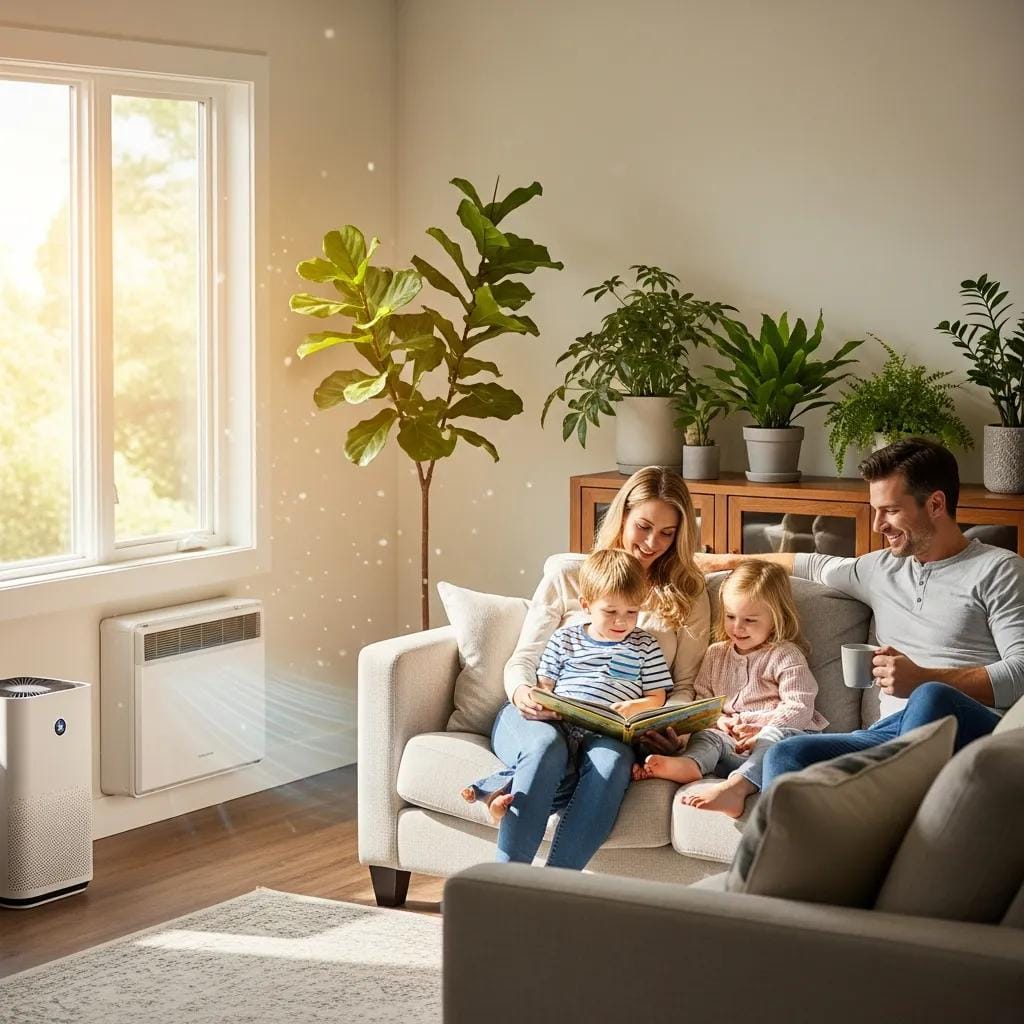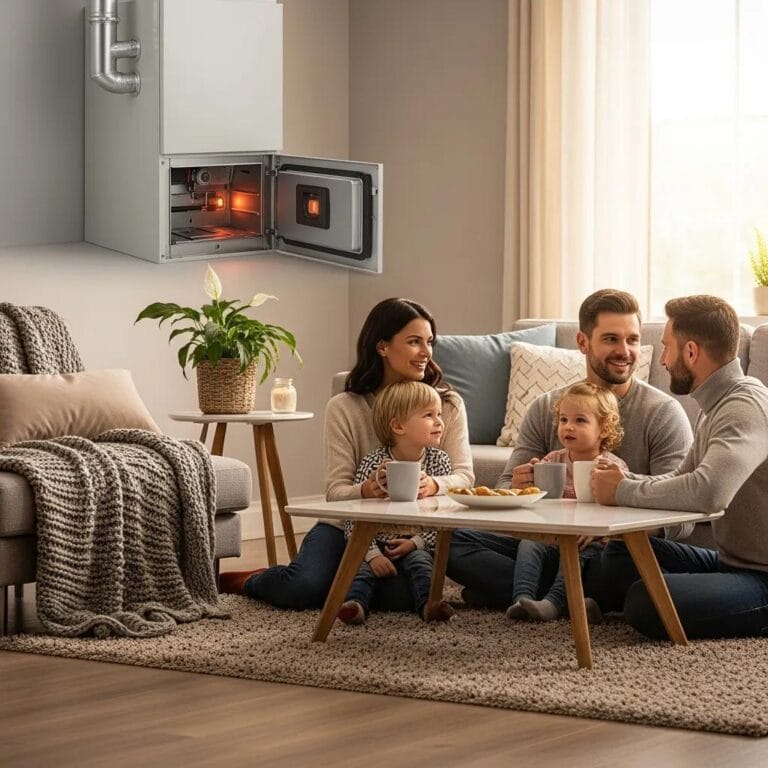




For allergy sufferers, the home should be a sanctuary, not a source of irritation—and an allergy friendly HVAC system is a foundational element in creating a healthier indoor environment. By integrating advanced filtration, humidity control, and ventilation strategies, modern HVAC solutions can significantly reduce airborne allergens like pollen, dust mites, mold spores, and pet dander.
In this blog post, we’ll explore the specific upgrades and maintenance practices that transform your HVAC system into an active ally in your family’s health, providing cleaner air and greater comfort throughout every season.
Allergy Friendly HVAC Changes That Make a Real Difference
How Does Indoor Air Quality Affect Allergies in Your Home?
Indoor air quality is simply the condition of the air inside your home, and it plays a bigger role in day-to-day comfort than many people realize. When indoor air quality is poor, allergy symptoms often feel worse because irritants build up and keep circulating. This is especially true for people who are sensitive to dust, pollen, pet dander, or mold. Even if a home looks clean, allergens can still linger in soft surfaces, damp areas, or in the air itself, which can lead to ongoing sneezing, congestion, itchy eyes, and coughing.
The goal is not to eliminate every allergen, since that is rarely realistic. Instead, improving indoor air quality focuses on reducing the most common triggers and keeping them from collecting in the places where they are hardest to manage. Flooring choices, humidity control, cleaning routines, and HVAC upkeep all connect here, and this is one reason hardwood benefits are often mentioned in conversations about a healthier home environment.
What Are The Common Indoor Allergens In Atlanta Homes?
Atlanta’s climate tends to be warm and humid for much of the year, which can encourage certain allergens to thrive. Dust mites are a common issue because they do best in humid environments and settle into bedding, carpets, and upholstered furniture. Since they are microscopic, the problem is usually not visible, but their presence can still trigger symptoms.
Pollen is another major factor, especially during peak seasons. Even when pollen is mainly outdoors, it can enter the home through open doors and windows, on clothing, and on pets. Once inside, it can settle into carpets and fabric surfaces and become airborne again when those areas are disturbed.
Mold spores are also common in humid regions. Mold can form in bathrooms, basements, laundry areas, and anywhere moisture lingers. The spores can spread through the air and cause issues for people with allergies or asthma. Pet dander is another frequent trigger, and it tends to stick to fabrics and float in the air. Even homes that are vacuumed regularly can struggle with dander if it is embedded in carpet or furniture.
Because many of these allergens collect in soft, textured surfaces, hardwood benefits often include easier cleanup and fewer places for irritants to settle compared to carpeted floors.
How Do HVAC Systems Influence Indoor Air Quality And Allergy Symptoms?
Your HVAC system affects indoor air quality because it controls airflow, filtration, and humidity. When the system runs, it circulates air through the home. If filters are clogged or too low quality for your needs, allergens can keep moving through the same air cycle rather than being captured. A clean, properly fitted filter can help reduce airborne particles like dust, pollen, and dander, which may ease symptoms over time.
Humidity control is another important piece. If indoor humidity stays too high, it can create conditions that support dust mites and mold growth. If it drops too low, it can irritate nasal passages and make breathing feel uncomfortable, especially in winter months or in heavily air-conditioned homes. Keeping humidity in a balanced range supports comfort and reduces the chance that moisture-related allergens will grow.
Regular HVAC maintenance helps as well because it keeps airflow consistent and prevents buildup that can affect performance. Filter changes are the most basic step, but keeping vents clear and addressing moisture issues quickly can also make a noticeable difference. When HVAC care is paired with smart cleaning routines and home materials that are easier to maintain, like those linked to hardwood benefits, many households find that managing allergies becomes more straightforward.
Which Air Filtration Options Best Reduce Allergens In HVAC Systems?
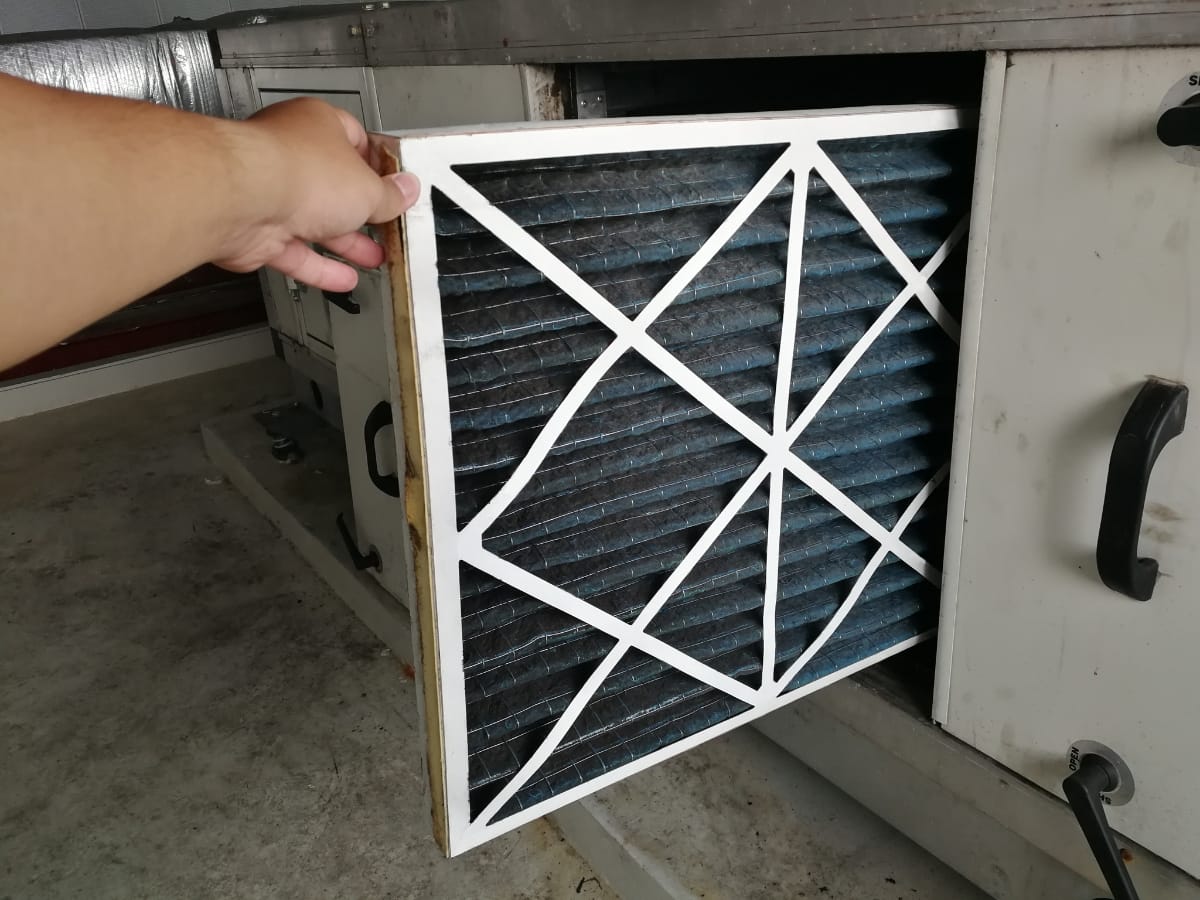
If allergies tend to flare up at home, your HVAC filter can make a real difference. Because your heating and cooling system circulates air through the house, whatever is in that air can keep moving from room to room. With the right filtration, more of that dust, pollen, pet dander, and mold debris gets trapped before it has a chance to settle on surfaces or get breathed in again. Filtration also helps with other airborne particles that are not strictly “allergens,” which is one reason many homeowners focus on filter upgrades when they want better indoor air quality.
That said, the best filter is not always the highest-rated one. The right choice depends on what your system can handle, how sensitive your household is, and how often you are willing to replace filters. A filter that is too restrictive can reduce airflow and strain the system, which can create new problems. The goal is balancing particle capture with steady airflow, then supporting it with good cleaning habits and stable humidity. Flooring choices can help, too, since hardwood benefits often include fewer places for dust and dander to collect compared to carpet.
What Are HEPA Filters And Their Benefits For Allergy Relief?
HEPA stands for High-Efficiency Particulate Air. True HEPA filters are designed to capture at least 99.97% of particles that are 0.3 microns in size, which includes many common triggers like pollen, pet dander, and fine dust. That performance is why HEPA is often considered the gold standard for allergy relief.
Here is the practical detail many homeowners miss: most residential HVAC systems are not built to use true HEPA filters in the same way a dedicated air purifier does. Whole-home systems typically rely on filters rated by MERV, not true HEPA, and forcing a HEPA-level restriction into the wrong setup can limit airflow. That does not mean you cannot benefit from HEPA. It usually means the best approach is either a high-efficiency HVAC filter your system can support handle, or a portable HEPA air purifier in the rooms where you spend the most time, such as bedrooms and living areas.
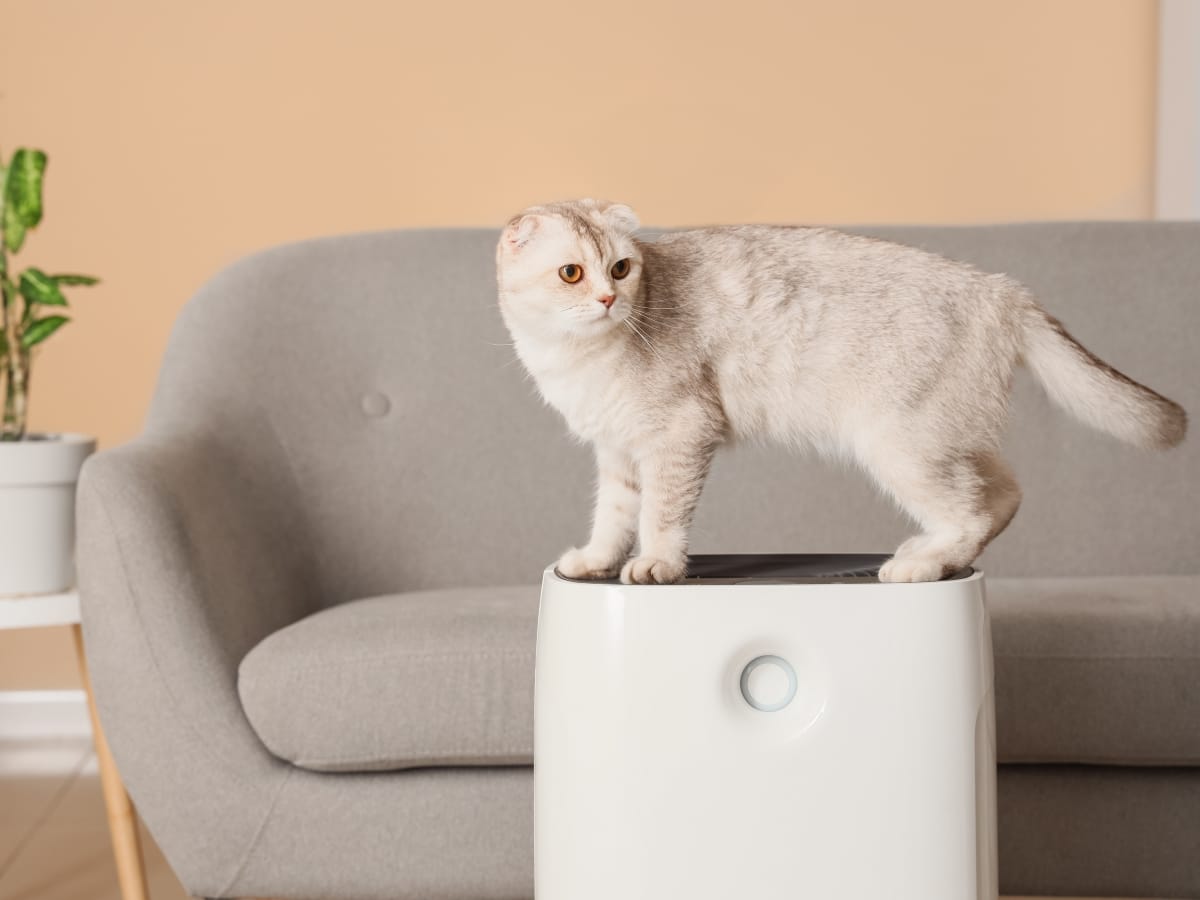
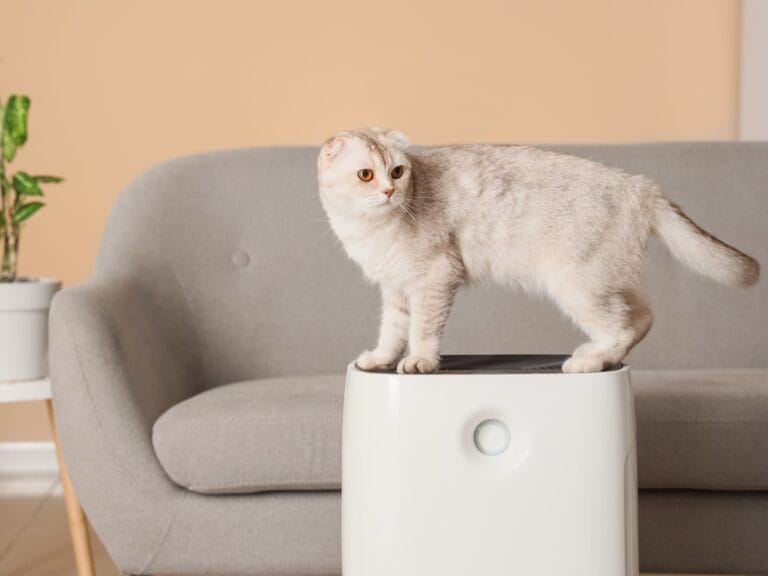
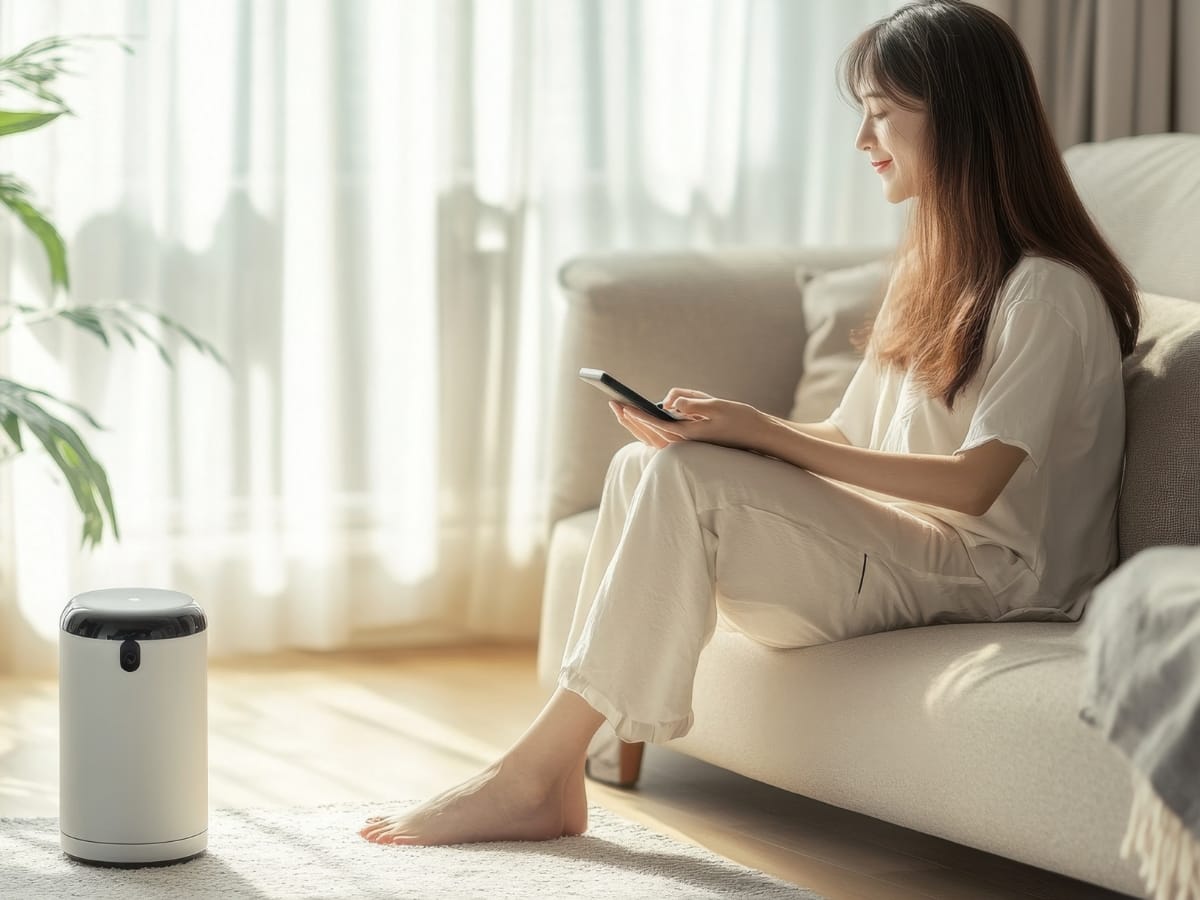
Portable HEPA units can be especially helpful for allergy sufferers because they clean the air in a targeted space without depending on the HVAC blower cycle. Used consistently, they can reduce the amount of airborne particles that contribute to symptoms. Pairing better filtration with other simple choices, like minimizing dust-holding surfaces and taking advantage of hardwood benefits in high-use areas, often makes a noticeable difference.
How Do MERV Ratings Impact Air Filter Effectiveness?
MERV stands for Minimum Efficiency Reporting Value, and it is the rating most homeowners will see when shopping for HVAC filters. In simple terms, a higher MERV rating means the filter is better at capturing smaller particles. Lower-rated filters may catch larger dust and lint, but they are less effective against finer irritants like pollen fragments and pet dander.
For many homes dealing with allergies, filters in the MERV 11 to MERV 13 range are commonly recommended because they offer stronger allergen capture without being as restrictive as the highest-rated options. Going above MERV 13 can sometimes reduce airflow in residential systems, depending on the unit and ductwork. If airflow drops, you may notice weaker heating or cooling, longer run times, or extra strain on the system. That is why the best move is choosing the highest MERV rating your system can support while still maintaining good airflow. If you are unsure, the HVAC manual or a trusted technician can confirm what is appropriate.
Even the best filter will not help much if it is left in too long. As filters load with debris, airflow can drop and captured particles can build up. Replacing filters on a consistent schedule matters, and homes with pets, heavy pollen seasons, or ongoing construction dust may need more frequent changes. It also helps to keep returns and vents clear so the system can circulate air efficiently.
Bringing It All Together For Allergy-Friendly Air
Air filtration works best as part of a bigger plan. A strong MERV-rated HVAC filter or a portable HEPA purifier can reduce airborne allergens, but humidity control, routine cleaning, and limiting dust-trapping materials all support the same goal. That is where hardwood benefits come in again: hard surfaces are typically easier to clean thoroughly, which helps reduce the reservoir of allergens that can keep getting kicked back into the air. When filtration and everyday upkeep work together, many households find that allergy symptoms become easier to manage over time.
How Can Whole-Home Air Purification Systems Improve Allergy Symptoms?
Whole-home air purification systems are designed to work alongside your HVAC setup to help clean the air as it moves through the house. For people who deal with allergies, the appeal is simple: instead of relying only on cleaning surfaces and managing symptoms, you are also reducing what is floating around in the air in the first place. When the system is properly matched to the home, whole-home purification can lower the amount of airborne irritants that trigger sneezing, congestion, itchy eyes, and coughing.
It is important to know what these systems can and cannot do. Some technologies target particles like dust, pollen, and pet dander. Others focus on biological growth, odors, or chemical pollutants. The best results usually come from using the right combination based on your specific issues. For many households, this approach pairs well with other allergy-friendly decisions, including the practical hardwood benefits that come from having fewer dust-trapping surfaces in the home.
What Role Do UV Light Air Purifiers Play In Eliminating Airborne Allergens?
UV light air purifiers use ultraviolet light to disrupt the DNA or structure of certain microorganisms. In an HVAC system, UV technology is most often used to help control mold, bacteria, and other biological contaminants that can thrive in damp areas, especially around the air handler or coil where condensation can form. For allergy sufferers, that can matter because mold growth and microbial buildup can contribute to irritation and musty odors, and it can worsen symptoms for people who are sensitive to mold spores.
That said, UV light is not a complete solution for allergens. It does not physically remove particulate matter like dust, pollen, or pet dander. Those particles still need to be captured by filtration. Think of UV as a support tool that targets specific biological issues rather than a replacement for a good HVAC filter. When a home has humidity concerns, musty smells, or a history of mold in HVAC components, UV may be helpful. When the main trigger is dust and pollen, filtration and surface cleaning tend to do more of the heavy lifting.
Which Air Purification Technologies Are Available For HVAC Systems?
Most whole-home purification systems fall into a few common categories, and each one improves air quality in a different way. High-efficiency filtration is usually the starting point because it physically captures particles as air moves through the system. Depending on your unit, that might mean upgrading to a better MERV-rated filter or using a media filter designed for stronger particle capture without choking airflow. This is often the most direct way to reduce airborne allergens like pollen and pet dander.
Activated carbon filtration is different. Instead of focusing on particles, carbon is used to absorb certain odors and gases, including some volatile organic compounds. If a household is dealing with cooking smells, lingering pet odors, or general stale air, carbon can help improve comfort. It will not replace particulate filtration, but it can complement it, especially in homes where smells and chemical sensitivities are part of the problem.
Ionizers and similar technologies are sometimes included in HVAC add-ons. These devices release charged ions that attach to particles, making them clump together so they are more likely to be captured by filters or fall out of the air. The concern is that some ionizers can create ozone as a byproduct. Ozone can be irritating to the lungs and may worsen respiratory symptoms, especially for people with asthma or sensitivities. If you are considering ionization, it is worth choosing systems designed to control or minimize ozone and understanding how they are installed and operated.
How Whole-Home Purification Fits Into An Allergy-Friendly Home
Whole-home air purification can be a meaningful upgrade, but it works best when the rest of the home supports the same goal. If allergens are constantly building up in soft surfaces, the air system has more to fight. That is one reason hardwood benefits often come up in allergy conversations. Hardwood floors are easier to clean thoroughly, and they tend to hold less dust and dander than carpet. When better filtration and purification are combined with manageable surfaces and steady humidity, many households notice that allergies become easier to control, not because the air is perfect, but because triggers are reduced more consistently.
What Are the Best Practices for Maintaining an Allergy-Friendly HVAC System?
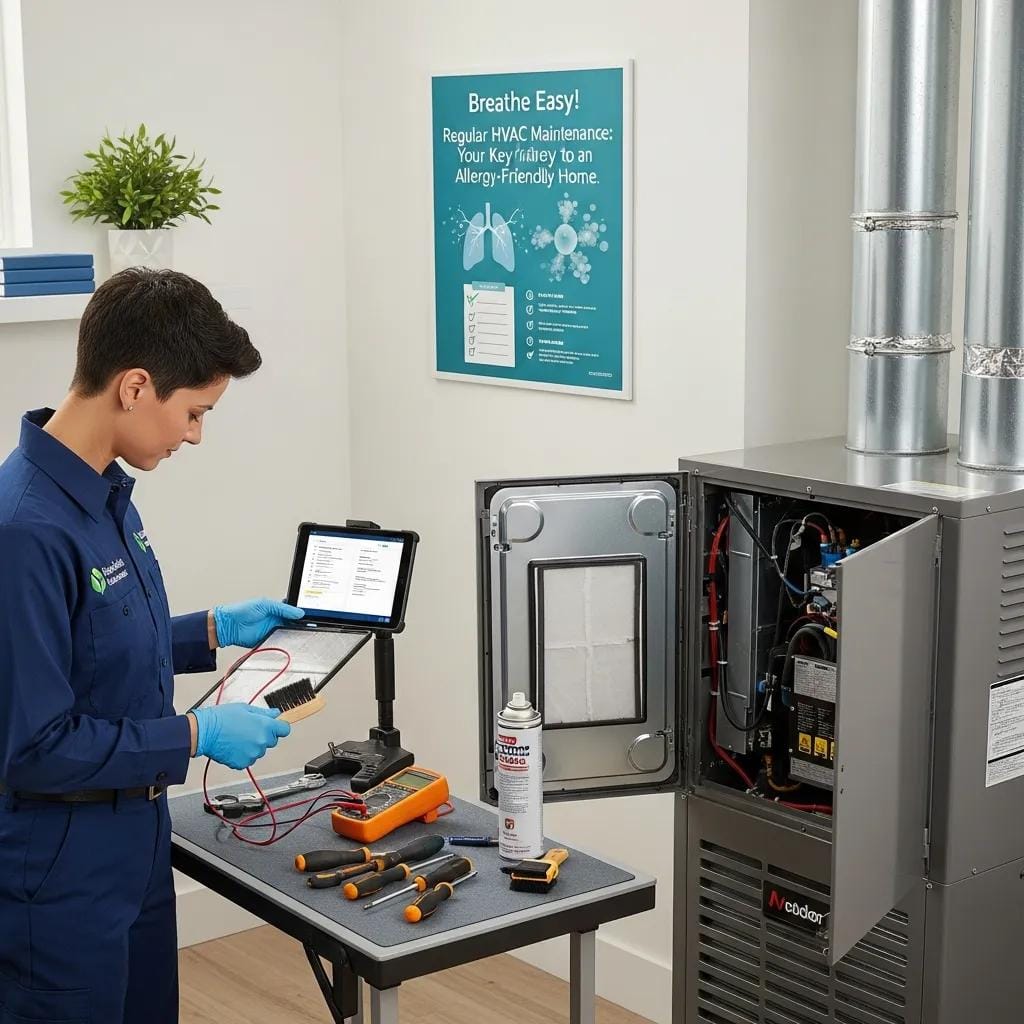
If allergies are a problem in your home, your HVAC system can either help or quietly make symptoms worse. Because the system moves air through every room, it can also move dust, pollen, pet dander, and other irritants if filtration and maintenance are neglected. The good news is that keeping an allergy-friendly HVAC setup does not require complicated steps. It comes down to a few consistent habits that protect indoor air quality and keep the system running efficiently.
It also helps to think of HVAC maintenance as one part of a larger plan. Even strong filtration cannot keep up if allergens are constantly building up on surfaces and getting stirred back into the air. That is why hardwood benefits are often mentioned in allergy-friendly homes. Hardwood is easier to clean thoroughly than carpet, and it gives allergens fewer places to settle. When the HVAC system and the home environment work together, managing allergy triggers becomes more realistic.
How Often Should HVAC Filters Be Replaced For Optimal Allergy Control?
Filter replacement is the simplest and most important routine for allergy control. In many homes, changing filters every one to three months is a good baseline, but the right schedule depends on how quickly the filter loads up. A home with pets, frequent HVAC use, or strong seasonal pollen may need more frequent changes than a smaller household with fewer triggers. If anyone in the home has more severe symptoms, it is usually better to change the filter sooner rather than stretching it to the maximum time.
A clogged filter can reduce airflow, which makes the system work harder and can lead to less consistent heating or cooling. It can also allow more particles to circulate if the filter is overloaded. Choosing a higher-quality filter designed for better particle capture can help, but it has to fit your system’s airflow needs. If you upgrade to a more efficient filter, it is still important to monitor how the system performs, since overly restrictive filters can reduce airflow in some setups.
As a general habit, checking the filter monthly makes it easier to stay ahead of buildup. If it looks visibly dirty, it is usually time to replace it, even if it has not been in place very long. Consistent filter changes often make the biggest difference because they reduce airborne particles at the source, rather than relying only on cleaning and symptom management.
Why Is Regular HVAC Maintenance Crucial For Indoor Air Quality?
Regular maintenance matters because filters are only one piece of the system. Over time, dust can collect inside components, moisture can create conditions for mold growth, and minor issues can impact how air moves through the home. A well-maintained system tends to circulate air more evenly, control humidity more effectively, and keep filtration working the way it is supposed to.
Maintenance also helps catch problems that can affect indoor air quality, such as condensation issues, dirty coils, or drainage problems that encourage microbial growth. If the system is not removing humidity properly, allergens like dust mites and mold can become more of a concern. Keeping the system clean and functioning as designed supports a healthier indoor environment, especially during peak allergy seasons when windows are closed and the HVAC runs more often.
You do not have to overcomplicate this. A consistent schedule for inspections and basic upkeep helps prevent small issues from becoming bigger ones. Combined with routine filter changes, it keeps indoor air quality more stable, which can reduce how often allergy symptoms flare.
Which Filtration And Purification Options Support Allergy Goals?
A high-efficiency HVAC filter is typically the foundation for reducing airborne allergens because it physically captures particles like dust and pollen. Activated carbon filters can help with odors and some gases, which may improve comfort, but they are not primarily designed for allergen removal. UV light systems can help control biological contaminants like mold and bacteria in specific parts of the HVAC system, but they do not remove particles like dust or dander, so they work best as an add-on rather than a primary solution.
How Your Home Setup Supports HVAC Performance
Even the best HVAC maintenance plan works better when the rest of the home supports it. Reducing dust reservoirs, controlling humidity, and choosing easier-to-clean surfaces all help lower the allergen load your system has to handle. This is where hardwood benefits can support an allergy-friendly home. With fewer fibers trapping irritants, allergens are easier to remove through regular cleaning, and less debris ends up recirculating through the HVAC system. When both the system and the surfaces are managed well, the home tends to feel cleaner and symptoms are often easier to keep under control.
Conclusion
Creating an allergy-friendly home starts with your HVAC system, the central hub for your indoor air quality. By upgrading filters, integrating advanced purification technologies, and ensuring proper maintenance, you can significantly reduce airborne allergens and create a healthier living environment.
For expert assessment and installation of allergy-fighting HVAC solutions, trust inAir Heating & Air. Breathe easier starting today. Call (770) 233-7777 or submit an HVAC request online for a professional consultation. Let us help you achieve the clean, comfortable air your family deserves.