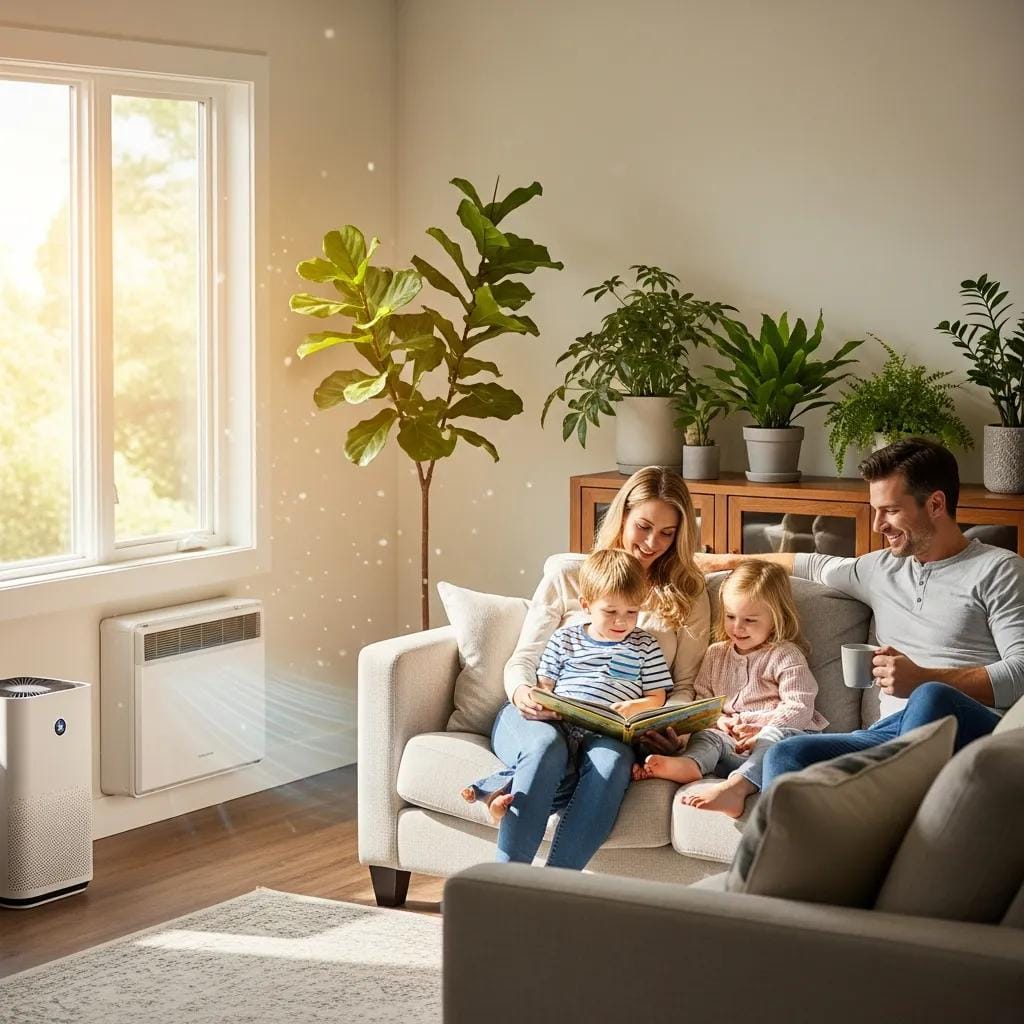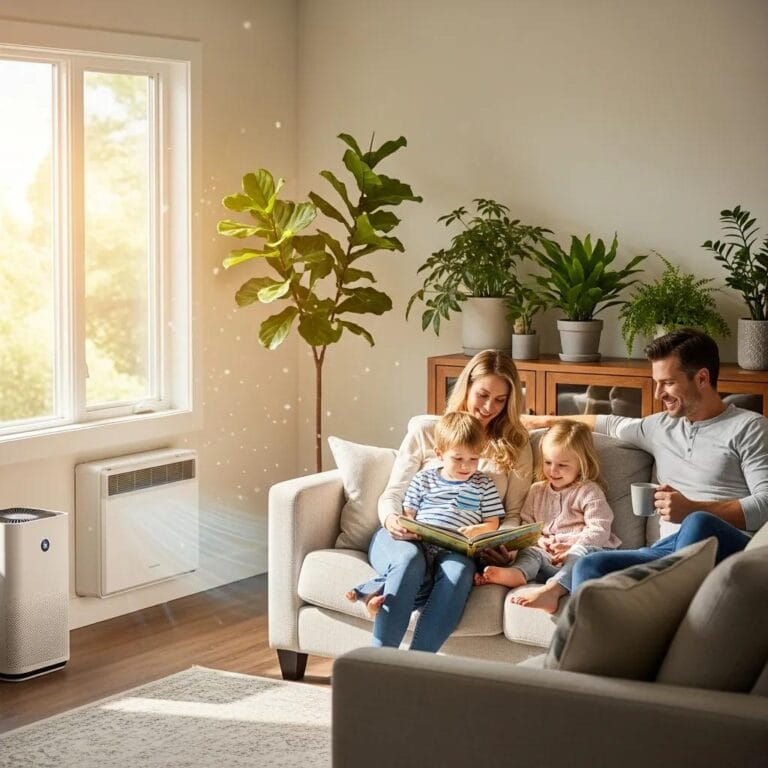




Indoor humidity levels play a critical yet often overlooked role in managing allergies and respiratory health, as both excessively dry and overly moist air can exacerbate symptoms and create environments where allergens thrive. High humidity promotes mold growth and dust mite populations, while low humidity can dry out and irritate respiratory passages, making them more susceptible to infections and irritation.
In this guide, we’ll explore the humidity health impact of your indoor air quality, offering practical solutions for achieving and maintaining the ideal balance to support easier breathing and a healthier home.
Humidity Health Impact That Changes How You Feel Indoors
What Is the Ideal Home Humidity Level for Health?

Humidity is one of those indoor factors that is easy to overlook until it starts causing problems. If the air is too dry, you may notice irritated sinuses, dry skin, and scratchy throats. If it is too damp, the home can feel clammy, musty, and harder to keep fresh. The humidity health impact shows up in everyday comfort, but it can also influence respiratory symptoms, allergy triggers, and how likely mold is to grow indoors.
For most homes, an indoor humidity range of about thirty percent to fifty percent is widely recommended for health and comfort. Staying in that zone helps reduce the conditions that support mold and dust mites, while also avoiding the dryness that can irritate airways. Some research also suggests that certain mid-range humidity levels may reduce the survival or spread of some airborne viruses, which is another reason many experts view humidity control as part of a healthier indoor environment.
How Is Relative Humidity Measured And Why Does It Matter?
Relative humidity is the percentage of moisture in the air compared to the maximum the air can hold at a given temperature. Warmer air can hold more moisture than cooler air, so the same amount of water vapor can produce different humidity readings depending on temperature. That is why humidity often shifts with the seasons and with heating or cooling use.
A hygrometer is the simplest way to track indoor humidity. Many thermostats have built-in readings, and small standalone hygrometers are also widely available. Measuring matters because you cannot manage what you do not see. A home might feel “fine” but still be sitting at a level that encourages dust mites or mold, or at a level that dries out nasal passages and makes sleep less comfortable. Tracking relative humidity takes the guesswork out of it and makes it easier to respond early before problems build.
When people talk about the humidity health impact, they are often referring to how humidity affects the body’s natural defenses. Air that is too dry can irritate the mucous membranes in the nose and throat, which may make you feel more sensitive to allergens and more prone to respiratory discomfort. Air that is too humid can increase biological growth and allergen activity, which can worsen asthma and allergies in some households.
What Range Of Humidity Supports Respiratory Health And Mold Prevention?
For most households, keeping indoor humidity in the thirty percent to fifty percent range supports respiratory comfort and helps prevent mold growth. Below that range, the air can feel harsh, especially during colder months when indoor heating dries the air. People often notice more nosebleeds, dry coughs, or irritated throats, and some may find their allergy symptoms feel sharper because airways are already inflamed.
Above that range, problems tend to shift toward moisture-related allergens. Dust mites thrive in higher humidity, and mold is more likely to grow in damp spaces like bathrooms, basements, laundry rooms, and around poorly ventilated windows. Over time, higher humidity can also affect building materials, leading to condensation, odors, and hidden mold in areas that are hard to spot.
Research on indoor humidity has suggested that relative humidity can influence respiratory infections and allergy patterns, and that mid-range humidity levels may reduce survival or infectivity of some airborne organisms. Older foundational work on this topic also noted that mite and fungal populations are strongly dependent on relative humidity, with mite populations reduced when humidity stays below fifty percent and increasing sharply at higher levels. While exact “perfect” numbers can vary by home and climate, the practical takeaway remains consistent: steady, moderate humidity reduces multiple common indoor risks at once.
How To Maintain A Healthier Humidity Level At Home
Once you know your readings, small adjustments usually go a long way. In dry conditions, a humidifier can help, but it should be cleaned regularly to avoid introducing microbes into the air. In humid conditions, air conditioning, exhaust fans, and dehumidifiers can reduce moisture. Fixing leaks, improving ventilation, and running bathroom fans during and after showers also helps keep humidity from creeping up.
If you want a simple baseline, aim for stability. The humidity health impact is often less about a single number and more about staying out of extremes day after day. When humidity is kept in a moderate range, the home is typically more comfortable, allergens are easier to manage, and the risk of mold problems is lower.
What Are the Health Risks of High Indoor Humidity?
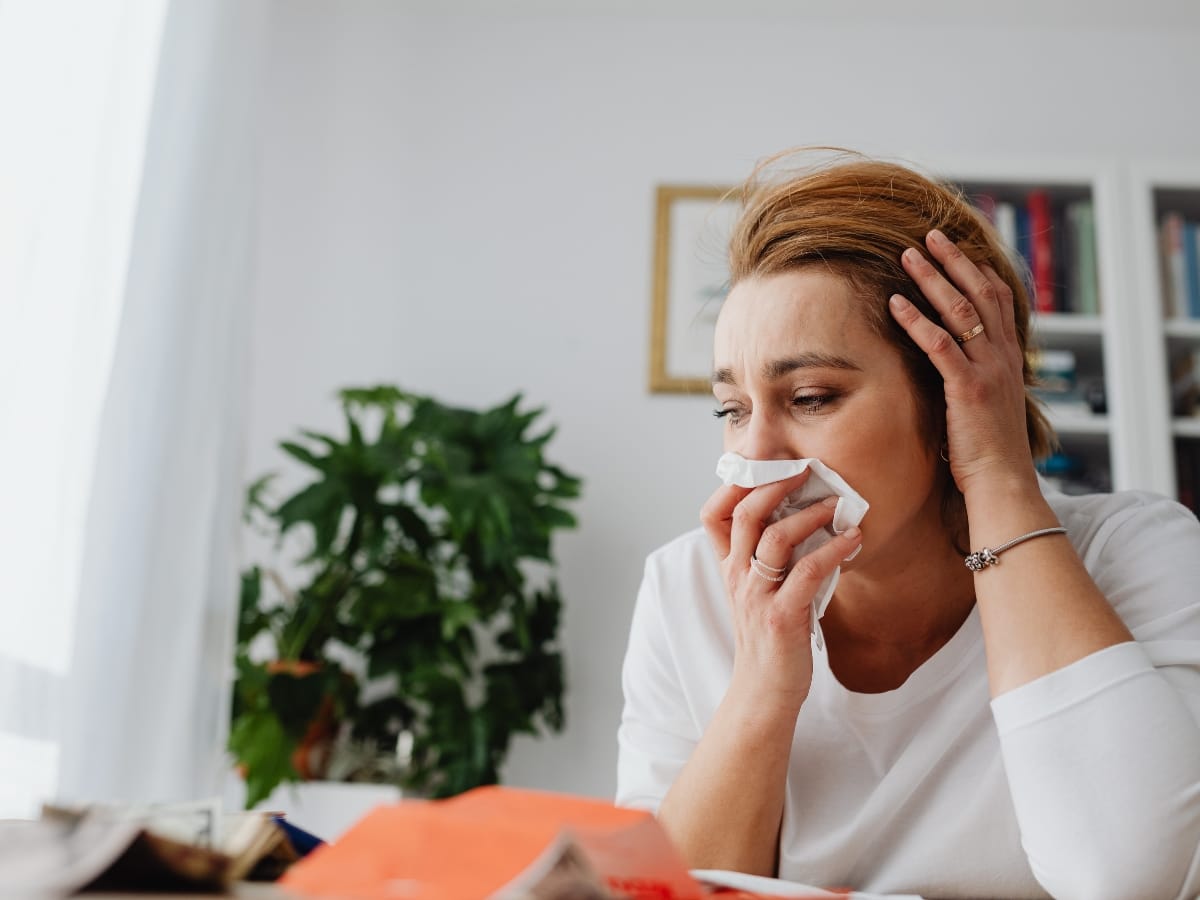
High indoor humidity can make a home feel uncomfortable, but the bigger concern is the humidity health impact on breathing and allergy symptoms over time. When moisture levels stay elevated, it becomes easier for biological irritants to grow and spread. That can turn a small indoor air issue into an ongoing cycle of congestion, coughing, and aggravated asthma or allergy flare-ups.
Humidity is not automatically “bad,” and some moisture in the air is important for comfort. Problems usually start when indoor air stays consistently damp, especially in closed-up homes or rooms with poor ventilation. Bathrooms, basements, laundry areas, and kitchens are common trouble spots because moisture is created there daily. If that moisture is not removed, it can settle into surfaces and materials, setting the stage for mold and other allergens.
How Does High Humidity Promote Mold Growth And Allergens?
Mold is one of the most common reasons people notice the humidity health impact in their home. Mold needs moisture to grow, and high humidity provides it, even without a visible leak. Damp air can condense on cool surfaces like windows, exterior walls, and HVAC components, creating pockets of moisture that allow mold to take hold. Once it grows, it can release spores into the air, which may irritate the respiratory system and trigger allergy symptoms in sensitive individuals.
High humidity can also increase other allergens besides mold. Dust mites, for example, thrive in moist environments and are more likely to build up in bedding, upholstered furniture, and carpeting when humidity stays high. Even if you clean regularly, elevated humidity can keep these allergens active and harder to control. In some homes, moisture can also contribute to a musty smell that lingers because damp conditions allow microbial growth in hidden places, such as behind furniture, under sinks, or inside wall cavities.
Some molds commonly associated with indoor dampness include Aspergillus and Cladosporium, which are often found in buildings and can be irritating for people with asthma or allergies. The key point is not memorizing mold names, but recognizing that mold growth is a sign the indoor moisture level is too high for too long.
What Respiratory Issues Are Caused By Excess Moisture?
When indoor air is overly humid, the respiratory system can become more reactive. For people with asthma, damp air and the allergens that come with it can contribute to more frequent symptoms, including wheezing, chest tightness, and shortness of breath. For others, excess moisture can lead to persistent throat irritation, chronic coughing, or a feeling of congestion that does not fully clear.
High humidity can also affect the sinuses. If mold spores, dust mite allergens, and other irritants increase, some people experience more sinus pressure, post-nasal drip, or recurring sinus infections. While humidity itself is not the only factor, the humidity health impact becomes more noticeable when damp conditions fuel the triggers that irritate nasal passages and inflame the airways.
Children, older adults, and anyone with existing respiratory conditions may be more sensitive. Even in otherwise healthy households, prolonged dampness can make the home feel harder to breathe in, especially at night when symptoms tend to feel more obvious. If you notice you sleep better away from home, or symptoms improve when you spend time in drier environments, indoor humidity may be part of the reason.
How To Spot And Reduce High Humidity Before It Becomes A Problem
A hygrometer is a simple tool that helps confirm whether humidity is running high instead of relying on guesswork. Signs like condensation on windows, persistent musty odors, damp-feeling rooms, or visible mold growth are all indicators that moisture is lingering.
Reducing humidity usually comes down to ventilation and moisture control. Using bathroom fans during and after showers, running kitchen ventilation while cooking, and ensuring dryers vent outdoors can help remove moisture at the source. Air conditioning can reduce humidity in warm months, and a dehumidifier can be helpful in basements or other consistently damp areas. It also matters to address leaks quickly, since even minor plumbing drips can create hidden moisture that keeps mold growth going.
Managing indoor moisture is not about creating dry, uncomfortable air. It is about staying out of the range where mold and allergens thrive. When humidity is kept under control, the humidity health impact tends to show up in a positive way: fewer flare-ups, less irritation, and a home that feels fresher and easier to breathe in.
What Are the Symptoms and Effects of Low Indoor Humidity?
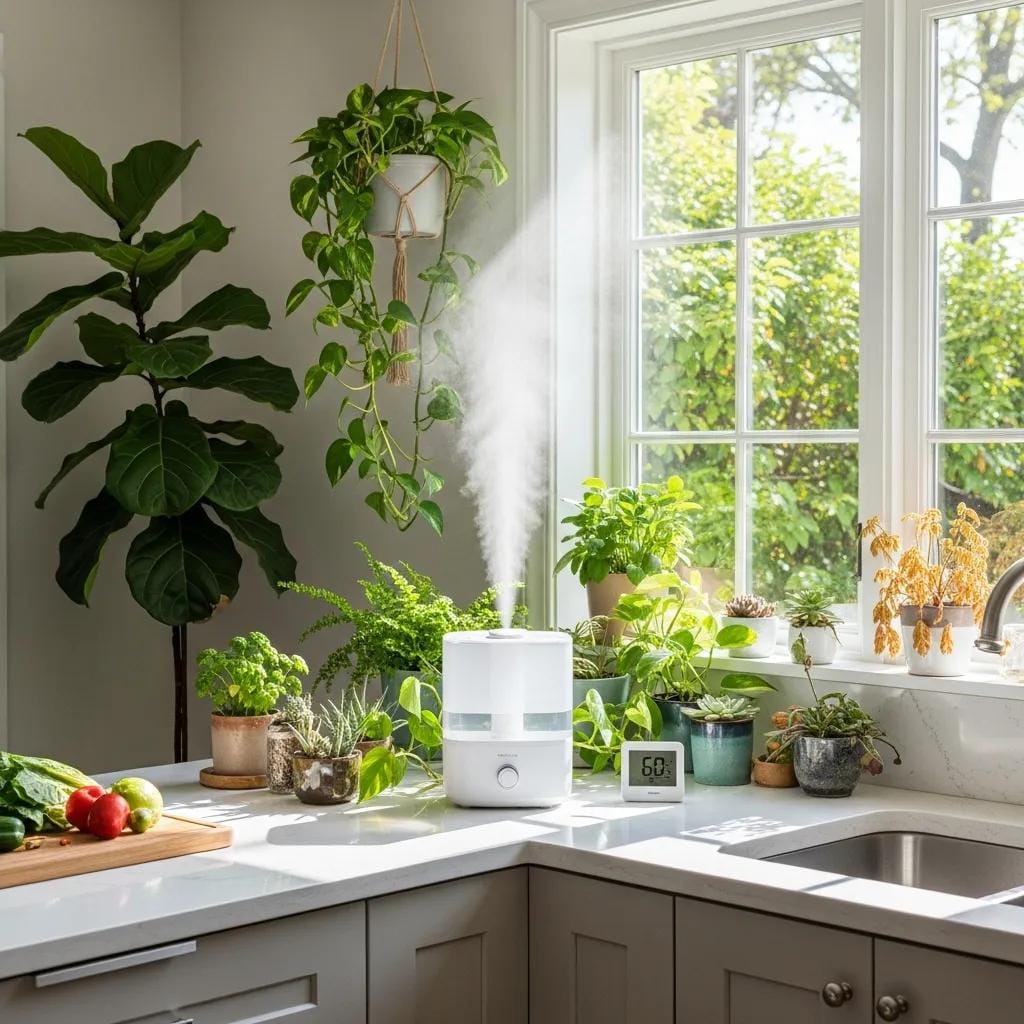
Low indoor humidity is often overlooked because it does not come with the obvious warning signs that high humidity does, like condensation or musty odors. Still, the humidity health impact of air that is too dry can be just as disruptive, especially during colder months or in homes that run heating or air conditioning for long stretches. Dry air affects the body’s natural moisture barriers, which can make you feel uncomfortable and, in some cases, more prone to irritation and respiratory issues.
Most people notice low humidity first through changes in comfort. The air feels harsh, you wake up with a dry mouth, and your skin may feel tight or itchy. Those symptoms are not always serious on their own, but they are a sign that indoor conditions are working against your body rather than supporting it. When dryness continues day after day, the effects tend to become more noticeable, particularly for people with allergies, asthma, or sensitive skin.
How Does Dry Air Affect Nasal Passages And Skin?
Your nasal passages are designed to warm, filter, and humidify the air you breathe. When indoor air is too dry, that lining can become irritated and less effective. This is a major reason the humidity health impact of dry air often shows up as nasal discomfort. People may experience congestion that feels stubborn, even without a typical cold. Others notice more frequent nosebleeds, a dry throat, or a scratchy feeling in the back of the nose that makes them cough more than usual.
Dry air can also affect sleep. If you breathe through your mouth at night or already deal with mild nasal blockage, low humidity can lead to waking up with a sore throat or a dry, sticky feeling in the mouth. Over time, that discomfort can contribute to lighter sleep and more morning fatigue.
Skin is another common trouble spot. When humidity is low, moisture evaporates more quickly from the skin’s surface, which can lead to dryness, flaking, or irritation. People with eczema or sensitive skin may find that flare-ups happen more easily in dry indoor conditions. Even without a skin condition, hands and lips tend to crack faster when the air stays dry, especially if you wash your hands frequently or use products that strip natural oils.
What Solutions Alleviate Low Humidity Symptoms?
Improving low humidity is usually straightforward once you confirm your indoor levels. A hygrometer can help you understand whether dryness is the real issue, since comfort alone can be misleading. If humidity is consistently low, adding moisture back into the air can reduce irritation and support better daily comfort.
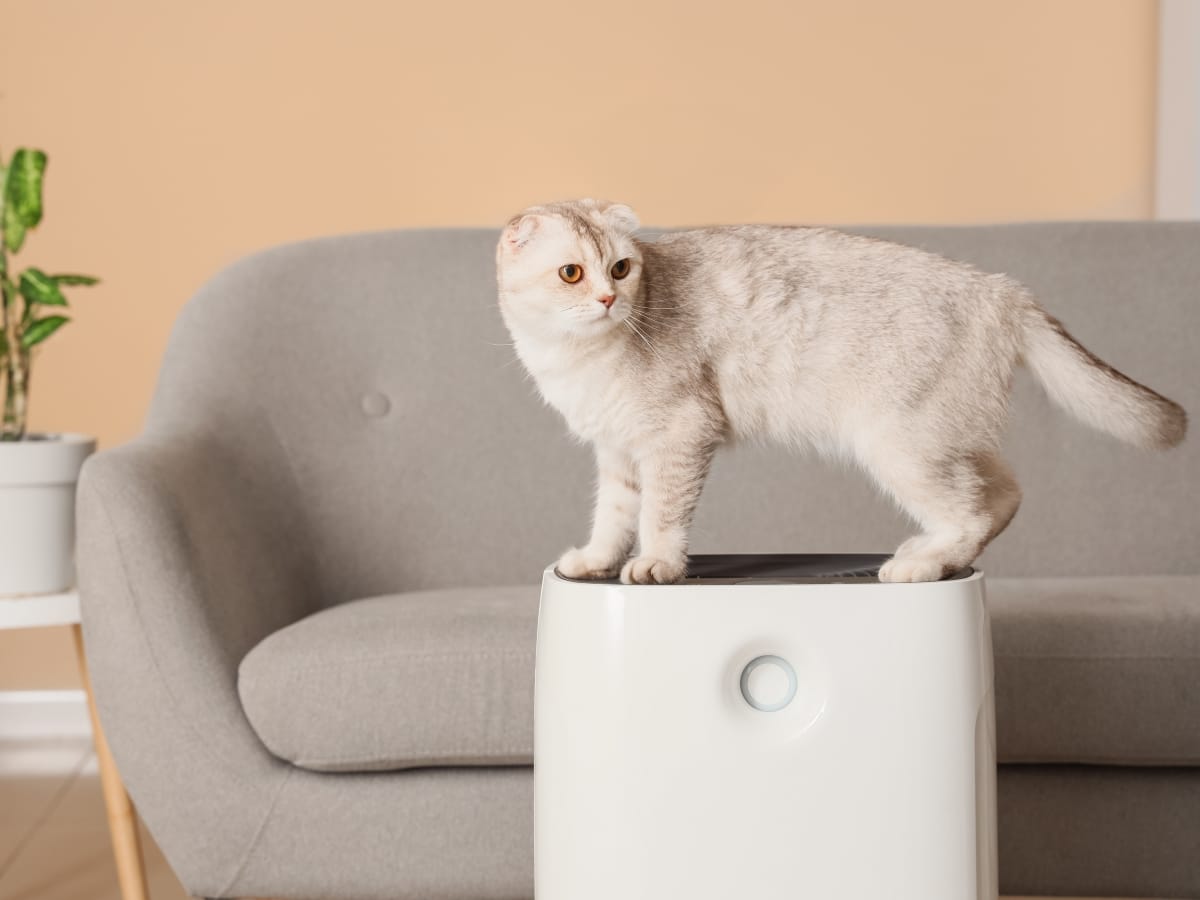
Humidifiers are one of the most effective options. A portable unit can help in bedrooms or living areas where you spend most of your time, while a whole-home humidifier can support more consistent levels throughout the house. The key is using humidifiers carefully. They need regular cleaning to prevent mold or bacterial growth, and the goal should be moderate humidity rather than overcorrecting. Balanced moisture supports comfort, but too much can create a different set of problems.
Indoor plants can contribute small increases in humidity, especially when grouped together, but they are better viewed as a supplement than a primary solution. They can help a space feel less dry, but they usually cannot correct very low humidity on their own.
Ventilation also plays a role, though it depends on your climate. In some situations, bringing in outside air can help balance indoor conditions. In others, outdoor air may be even drier, which can make the problem worse. The most reliable approach is to use ventilation strategically while still monitoring indoor humidity so you do not guess your way into discomfort.
Finding A Healthy Balance
The humidity health impact is usually about extremes, not perfection. When indoor air stays too dry, the body’s natural moisture barriers become irritated, which affects breathing comfort and skin health. When you keep humidity in a moderate range, many of these symptoms ease, sleep often improves, and the home generally feels more comfortable. The best results come from measuring your levels, adjusting gradually, and maintaining consistent routines so dryness does not return every season.
How Can HVAC Solutions Control Home Humidity For Better Health?
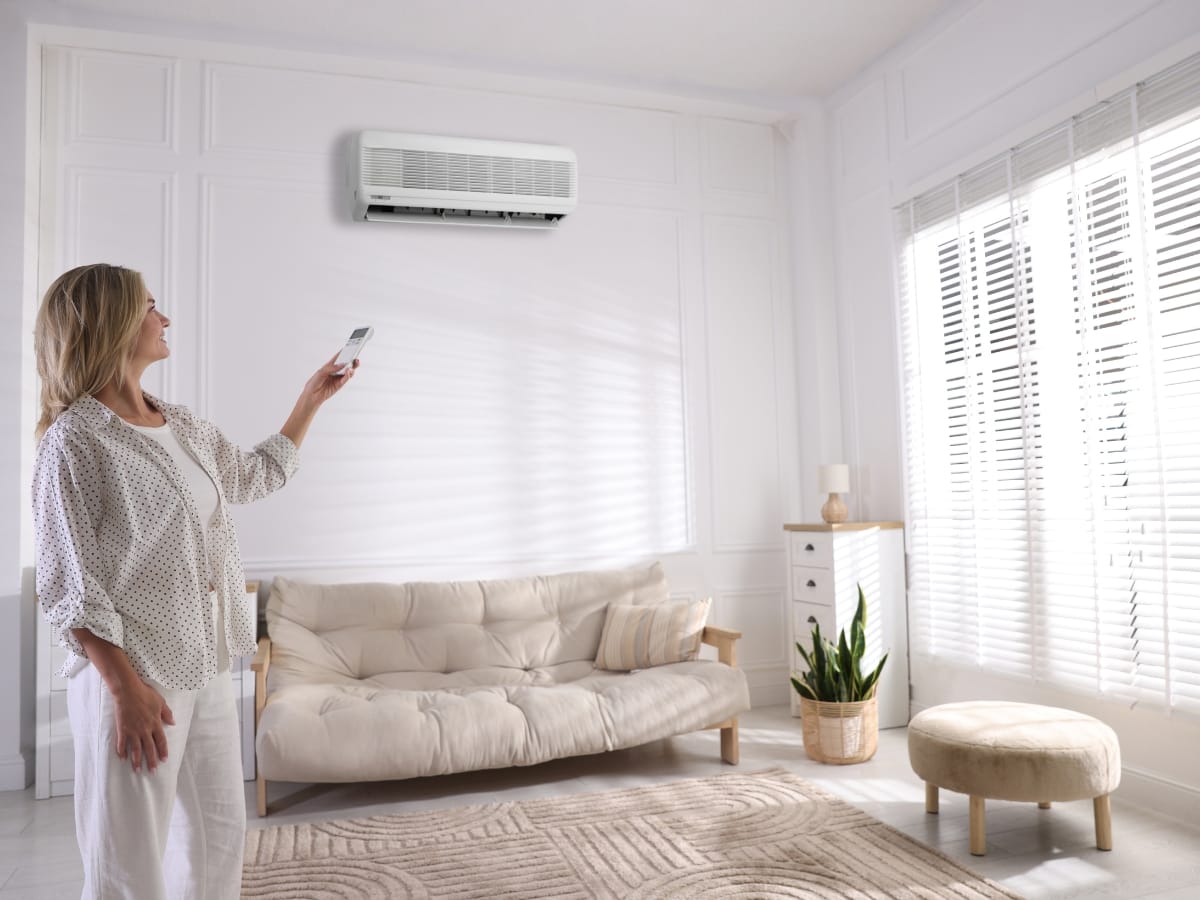
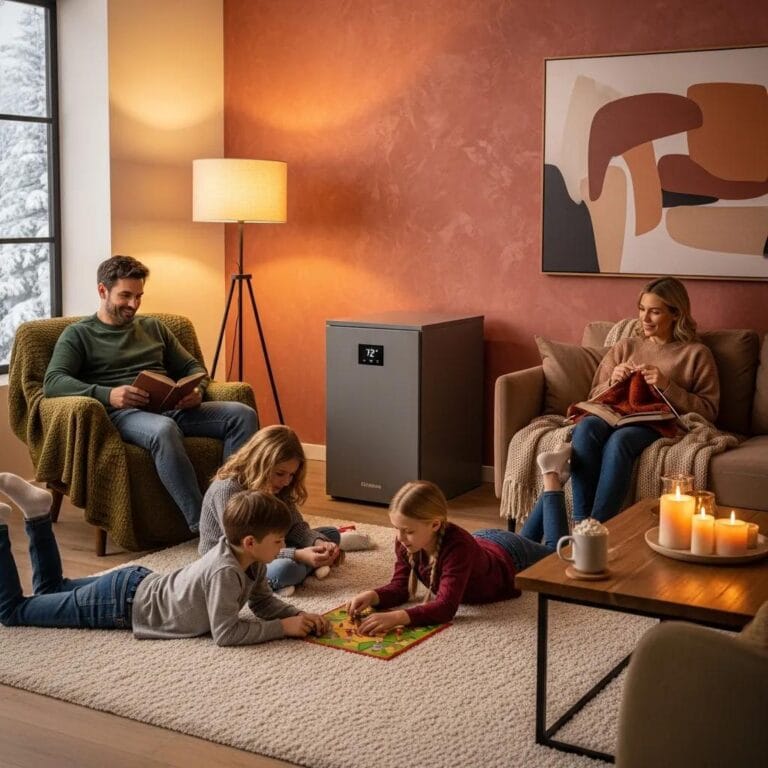
Humidity is not just a comfort issue. It affects how your home feels, how clean the air stays, and how well your body tolerates the indoor environment. When humidity is too high, mold and dust mites have an easier time thriving. When it is too low, the air can irritate your nose, throat, and skin. The humidity health impact is often most noticeable when levels swing from one extreme to the other, which is why HVAC-based humidity control can be such a practical long-term solution. A well-designed setup helps keep humidity steadier, reduces triggers that aggravate allergies, and supports healthier indoor air overall.
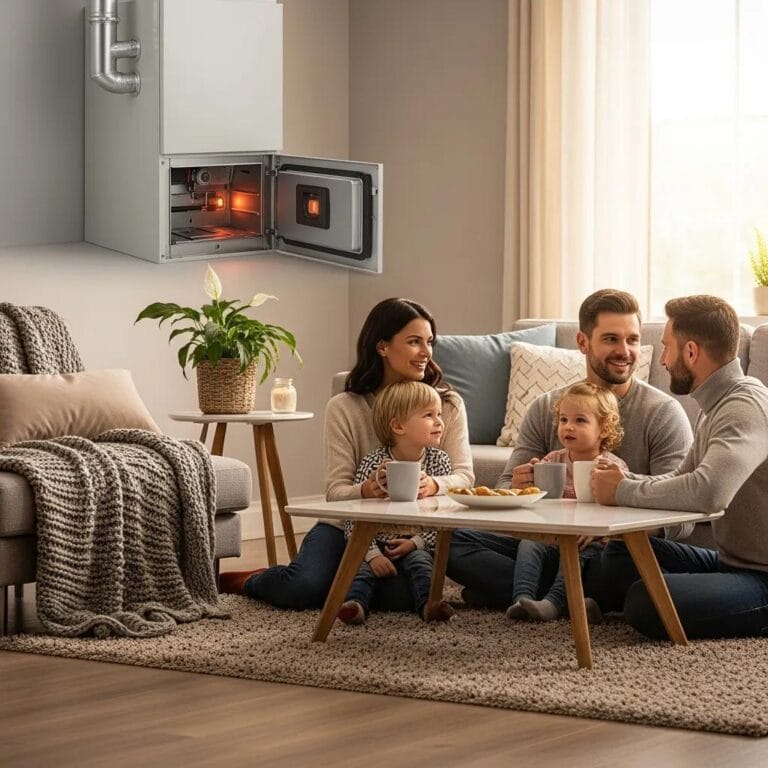
Many homeowners try to manage humidity with small portable units, and those can help in a pinch. However, whole-home solutions tend to be more consistent because they treat the air throughout the house rather than in one room at a time. They also work in the background, which makes it easier to maintain a healthy range without constantly adjusting settings or moving equipment around.
What Are The Benefits Of Whole-House Dehumidifiers And Humidifiers?
Whole-house dehumidifiers and humidifiers are designed to regulate moisture levels across your entire living space. A whole-house dehumidifier removes excess moisture from the air, which can reduce conditions that support mold growth and help lower the level of moisture-loving allergens. This is especially useful in humid climates, during rainy seasons, or in parts of a home that naturally hold damp air, like basements and laundry areas. When indoor moisture is controlled, the home often feels fresher, and musty odors tend to be less of an issue. This can be a meaningful improvement for anyone who notices the humidity health impact through worsening allergy symptoms, asthma irritation, or recurring sinus problems.
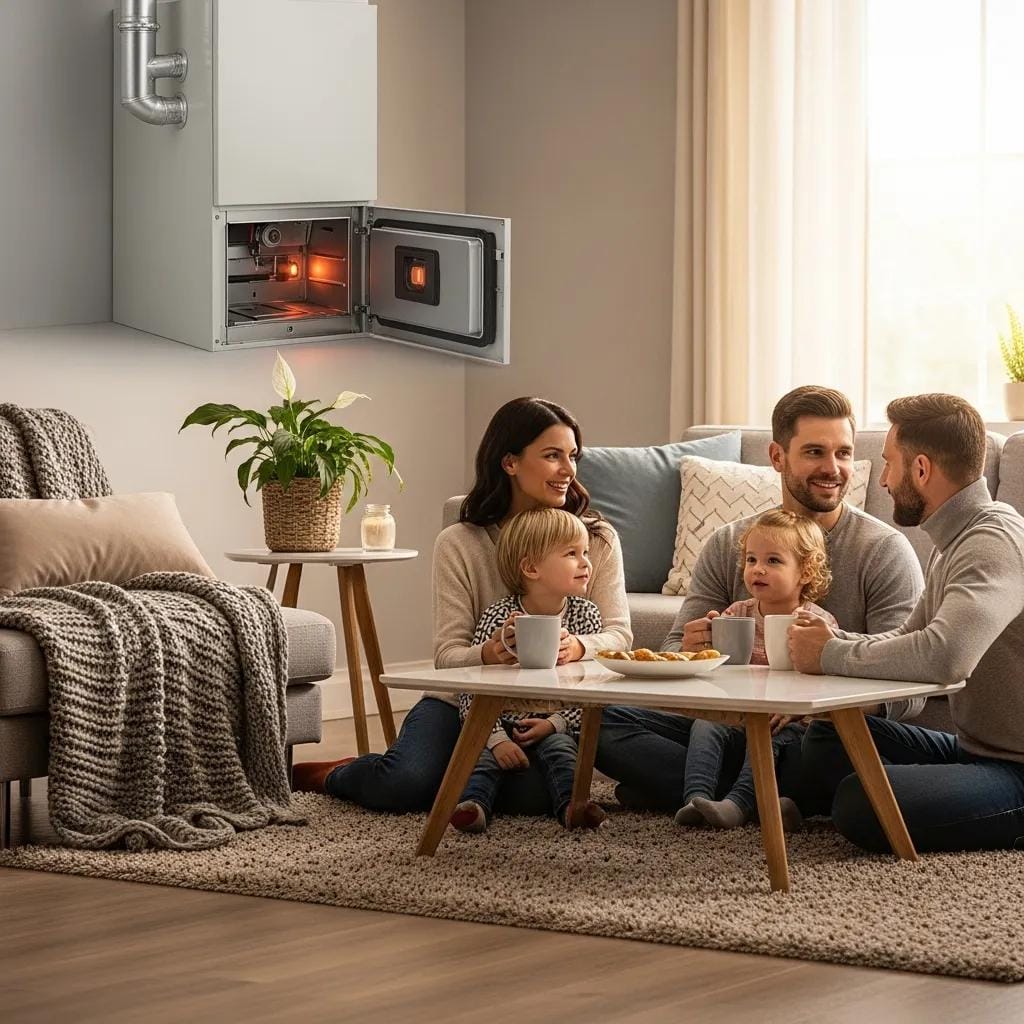
A whole-house humidifier does the opposite. It adds moisture when indoor air becomes too dry, which often happens during colder months or when heating is used frequently. Adding the right amount of humidity can ease dry throat symptoms, reduce nasal irritation, and improve overall comfort during sleep. It can also help skin feel less dry and reduce the discomfort that comes from constant dryness in the air. The goal is not to make the air feel humid. It is to keep it balanced so the home stays comfortable and your respiratory system is not constantly reacting to dry conditions.
Because these systems work with your HVAC setup, they are typically more efficient and consistent than relying on a single-room device. They can also help avoid the common pattern of overcorrecting one room while the rest of the home stays too damp or too dry.
How Does Proper Ventilation Improve Indoor Air Quality?
Ventilation is another key piece of humidity control, and it often gets overlooked. Without adequate ventilation, moisture and pollutants can build up indoors, especially in high-use areas like bathrooms and kitchens. Proper ventilation helps move stale air out and bring fresher air in, which supports better indoor air quality and more stable humidity levels.
In practical terms, ventilation helps remove moisture at the source. Bathroom fans that run during and after showers, kitchen ventilation during cooking, and good airflow in laundry spaces all help prevent humidity from lingering. In some homes, a dedicated ventilation system can provide more consistent air exchange than relying on open windows, which may not be realistic due to outdoor pollen, heat, or humidity.
Ventilation also helps reduce indoor pollutants that can compound the humidity health impact. When air is stagnant, irritants and odors tend to linger longer. When air moves properly, the home feels lighter and cleaner, and the HVAC system can do its job more effectively.
Bringing It All Together For Healthier Indoor Humidity
A healthier home usually comes from steady habits and steady air conditions. Whole-house dehumidifiers reduce excess moisture that fuels mold and allergens. Whole-house humidifiers help relieve dryness that irritates airways and skin. Proper ventilation supports this by removing moisture and pollutants before they settle into the home.
When these systems work together, the humidity health impact often shows up as fewer allergy flare-ups, less congestion, improved sleep comfort, and a home that feels easier to breathe in year-round. The key is consistency. Instead of reacting to symptoms after they appear, HVAC humidity solutions help prevent extremes before they become a problem.
Conclusion
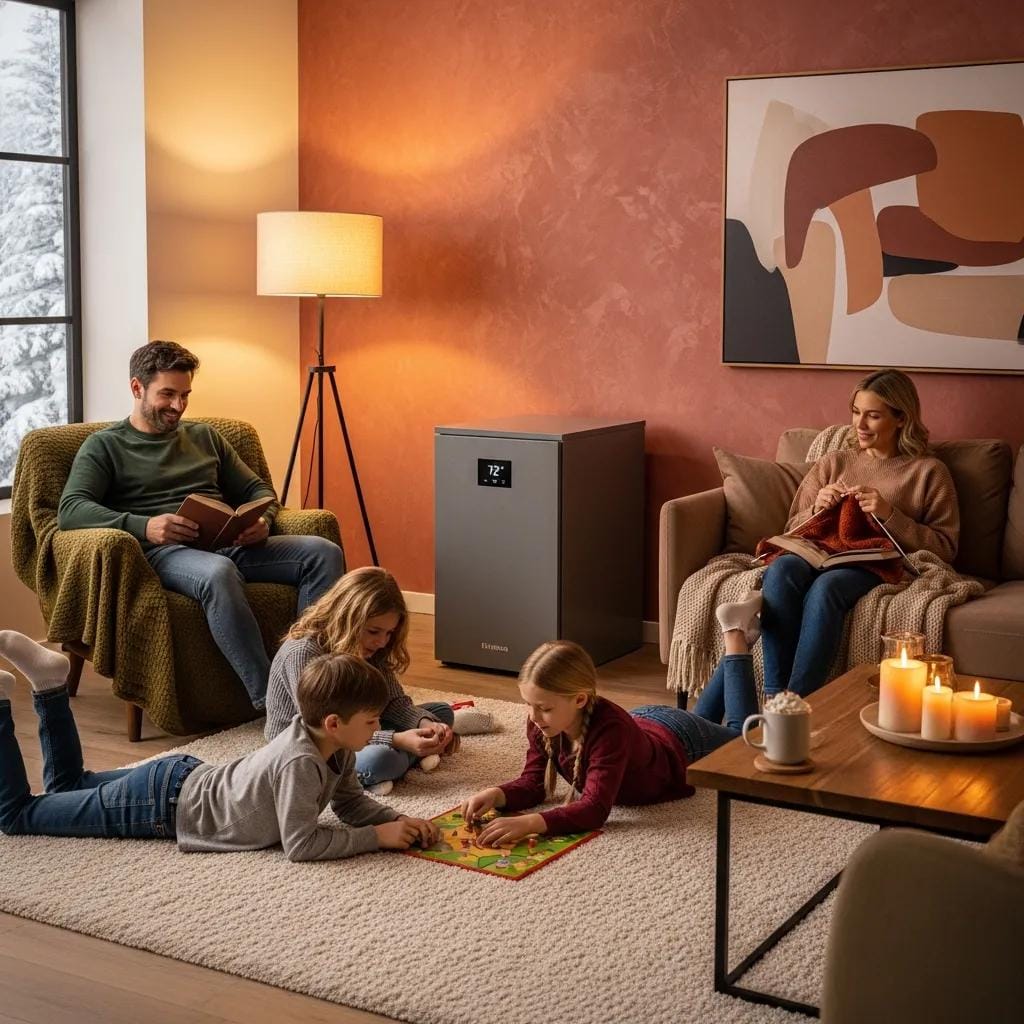
Controlling indoor humidity is a powerful, often overlooked strategy for alleviating allergy symptoms and protecting your family’s respiratory health. By maintaining an optimal level with a whole-home humidifier or dehumidifier, you can reduce irritants, improve comfort, and create a healthier living environment.
For a professional assessment and installation of the perfect HVAC solution for your home, trust the experts at inAir Heating & Air. Ready to breathe easier? Call (770) 233-7777 or submit an HVAC request online today for a consultation. Let us help you achieve the balanced, healthy air your home deserves.