



Pets bring energy, warmth, and a lot of extra fur into your home. What many homeowners don’t realize is how much that fur, along with dander and tracked-in debris, can affect indoor air quality and HVAC performance. These pet friendly HVAC tips help you maintain a comfortable environment for both your family and your animals while protecting your heating and cooling system from unnecessary strain.
From choosing the right air filters to improving ventilation and managing shedding, small adjustments can make a big difference. Proper temperature control is also essential, especially during extreme heat or cold, when pets are more vulnerable to discomfort.
With the right approach, you can create a home that stays fresh, efficient, and comfortable year-round, ensuring your HVAC system runs smoothly while your pets stay happy and healthy.
The Ultimate Guide to Pet Friendly HVAC Systems
How Do Pet Allergens Affect Indoor Air Quality and Health?
Living with pets is part of the household for a lot of families, but it can come with indoor air challenges. Pet allergens like dander, hair, and dried saliva do not stay neatly on the animal. They spread through the home, settle into soft surfaces, and get stirred back into the air through everyday movement.
For people with allergies or asthma, that can mean more frequent symptoms, especially during seasons when the house stays closed up and the HVAC system is running often.
Indoor air quality can also be affected by humidity. When indoor humidity runs high, dust mites and mold can thrive, and both can add to respiratory irritation. That is why a pet friendly HVAC approach is not just about filtration. It is also about keeping airflow steady, controlling humidity, and reducing how much allergen buildup is circulating through the system and the living space.
The goal is not a sterile home. It is a home where allergens are managed well enough that everyone, including the pets, can breathe easier and stay comfortable.
What Are Common Pet Allergens And Their Impact On Air Quality?
Pet dander is usually the biggest issue. Dander is made up of tiny flakes of skin that can float in the air and cling to fabrics. Because it is so light, it can travel easily, which is why people may still react even if the pet is not in the same room. Pet hair is not always the allergen itself, but it acts like a carrier for dander, pollen, and dust. Hair also collects in corners, rugs, and vents, where it can build up over time.
Saliva is another common source. When pets groom themselves, saliva dries on fur and flakes off into the environment. For sensitive individuals, those particles can trigger symptoms the same way dander does. These allergens tend to collect in carpet, upholstery, bedding, and curtains, which is why a home can feel “dusty” or irritating even when it looks clean on the surface.
Humidity makes this harder. When indoor moisture stays elevated, dust mites multiply more easily, and mold becomes more likely, especially around bathrooms, basements, and any area with poor ventilation.
When you combine pet allergens with humidity-related triggers, the air can feel heavier, and symptoms can become more persistent. A pet friendly HVAC setup helps by keeping filtration and humidity in a healthier range, so the home does not become a breeding ground for irritants.
How Can HVAC Systems Help Reduce Pet Dander And Allergens?
Your HVAC system is one of the main ways air moves through the home, which means it can either help manage allergens or spread them around if it is not set up well. Filtration is the first line of defense.
A higher-efficiency filter can capture more of the fine particles that cause problems, including pet dander and dust. Many homeowners aim for a filter that improves air quality without restricting airflow too much. The right balance depends on the system and how quickly filters load up in a pet household.
It is also important to be realistic about HEPA filters. True HEPA filtration is common in portable air purifiers, but not every residential HVAC system is designed to handle a true HEPA filter in the return slot.
Some systems can be upgraded or configured to support higher-level filtration, but it is not always a simple swap. This is where choosing the best filter your system can handle, then replacing it consistently, often makes the biggest difference.
Humidity control is the second major piece. A pet friendly HVAC plan should include keeping indoor humidity in a range that discourages mold and dust mites while still feeling comfortable. If humidity is high, the air can feel sticky, odors can linger longer, and allergens can settle into fabrics more easily.
If the humidity is too low, some people experience dry eyes and irritation. HVAC maintenance plays a role here because a system that is not draining properly or is not running efficiently can contribute to moisture issues.
Regular maintenance matters because buildup inside the system can undermine everything else. Dirty coils, dusty blower components, and clogged filters can reduce airflow and make the system work harder. That can lead to longer run times and more circulation of particles.
Keeping the system clean and the filter schedule consistent helps the HVAC system do what it is supposed to do: move air comfortably while trapping a portion of what you do not want floating around the home.
A pet friendly HVAC approach works best when filtration, airflow, and humidity are treated as a team. When those pieces are working together, you usually see less visible dust, fewer lingering odors, and a more comfortable indoor environment for everyone.
Which HVAC Filters and Air Purifiers Are Best for Homes with Pets?
If you live with pets, you already know the tradeoff: more joy, more fur, and usually more dust on surfaces than you expect. Pet hair is the obvious culprit, but the bigger indoor air issue is often dander, the tiny flakes that can stay airborne and cling to fabrics.
A pet friendly HVAC setup focuses on reducing how much of that material recirculates through the home while still keeping airflow strong enough for your system to run efficiently. That balance matters because filtration that is too restrictive can reduce comfort and put unnecessary strain on the equipment.
For most homes, the filter in the HVAC system does the heavy lifting. It captures particles as air returns to the system, which means it can help lower the overall allergen load throughout the house.
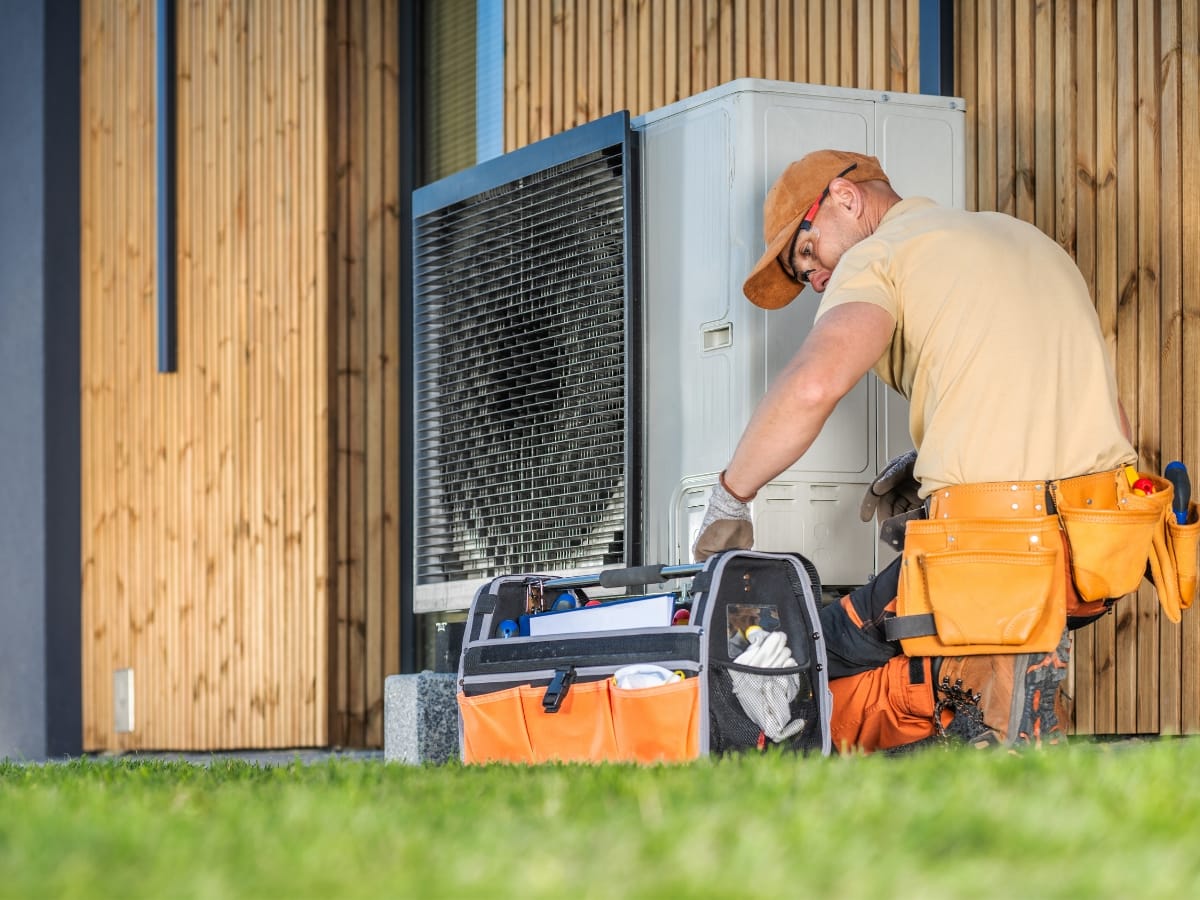
Air purifiers then work as support, targeting the rooms where people and pets spend the most time, or addressing issues like odors that a standard HVAC filter may not handle well. When both are chosen thoughtfully, you get better results than relying on one solution alone.
What Are The Benefits Of HEPA And MERV Filters For Pet Allergen Removal?
HEPA filters are widely recognized for high-efficiency particle capture. True HEPA filtration is designed to capture at least 99.97 percent of particles around 0.3 microns, which includes many of the fine particles that irritate allergy sufferers.
For pet owners, this can be helpful because dander can be very small, and even when hair is under control, dander can continue circulating. The main catch is that true HEPA filters are not always a simple drop-in option for every HVAC system.
Many homes use standard return slots that are not designed for the airflow resistance of a true HEPA filter, which can create performance issues if you try to force a mismatch.
That is where MERV-rated filters come in. MERV, or Minimum Efficiency Reporting Value, gives a practical way to compare how well a filter captures particles. For homes with pets, many HVAC setups do well with filters in the MERV 8 to MERV 13 range.
This range tends to capture more of the particles you care about, like dander and dust, without restricting airflow as aggressively as very high ratings might. The right choice inside that range depends on your system, how quickly your filter loads up, and whether anyone in the home is especially sensitive.
In a pet friendly HVAC plan, consistency is just as important as the rating. A higher-rated filter that stays in too long can become clogged and cut airflow, which defeats the purpose.
Many pet households do better with a quality pleated filter changed on a steady schedule than with an ultra-high filter that is changed sporadically. If you are noticing more dust than usual, weaker airflow, or longer system run times, those can be signs that your filter is loading faster and should be replaced sooner.
How Do Air Purifiers Complement HVAC Systems In Managing Pet Odors And Allergens?
Air purifiers are most useful when you treat them as a room-by-room supplement, not a replacement for HVAC filtration. HVAC filters work across the whole home, but they only capture what passes through the return.
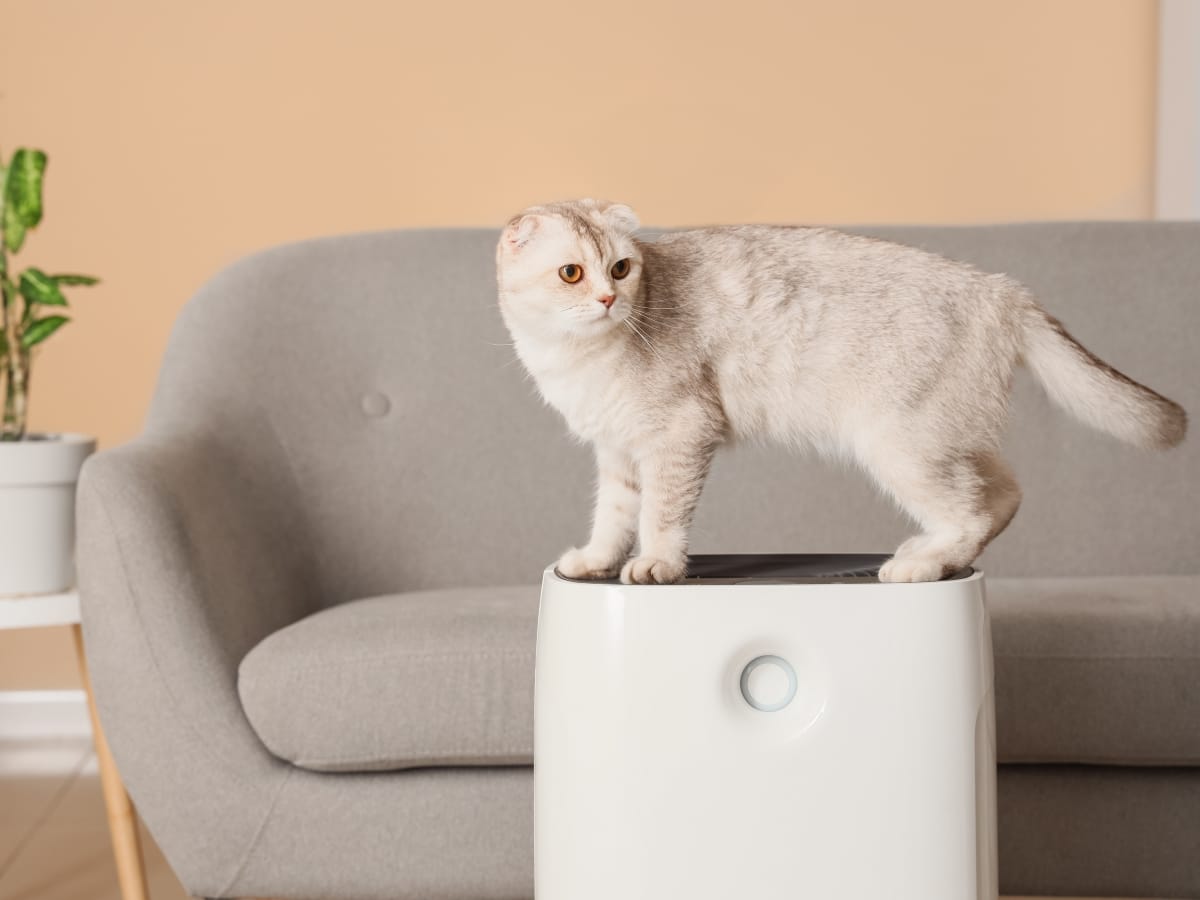
An air purifier can continuously clean the air in a specific space, which is helpful in bedrooms, living rooms, or any area where pets nap and shed. This targeted approach can reduce the concentration of airborne particles right where people are breathing.
Purifiers can also help with odors, which is a separate issue from allergens. Many air purifiers include activated carbon, which is designed to reduce certain smells and gases. That can make a noticeable difference in pet households, especially when litter boxes, pet bedding, or wet dog smell tends to linger. HVAC filters are usually focused on particles, so adding carbon in a purifier helps cover a gap that a standard filter might not address.
The best results usually come from pairing the right purifier type with the right filter strategy. A purifier with HEPA-style particle capture can help with dander and fine dust in a high-use room, while your HVAC system handles general filtration for the rest of the house.
If odors are the bigger complaint, prioritize a purifier with substantial carbon capacity, since thin carbon sheets tend to saturate quickly in real homes. With a pet friendly HVAC approach, this combination supports cleaner air, fewer lingering smells, and a more comfortable home without sacrificing airflow and system performance.
What Are Essential HVAC Maintenance Practices for Pet-Friendly Homes?
Living with pets is great, but it changes what your HVAC system has to deal with. Hair, dander, and the dust that clings to it all add to the load moving through returns and ductwork. A pet friendly HVAC approach is less about special equipment and more about consistent maintenance habits that keep airflow steady and reduce how much allergen buildup circulates through the house.
When those habits are in place, indoor air usually feels cleaner, the system runs more efficiently, and you are less likely to deal with surprise performance issues during peak heating or cooling months.
The biggest maintenance mistake in pet homes is waiting until comfort changes before doing anything. By the time airflow feels weak or the house feels dusty, the filter is often overdue, and the system has been working harder than it should.
Instead, focus on simple, repeatable steps: filter changes, basic cleaning around vents and returns, and periodic checkups that confirm the system is running the way it should.
How Often Should HVAC Filters Be Changed To Control Pet Dander?
In most pet households, filters need to be changed more often than the standard “every few months” advice. A common range is every thirty to ninety days, but the right schedule depends on how many pets you have, how much they shed, and how often the system runs.
A home with multiple pets or a heavy-shedding dog may need monthly changes, especially during peak seasons when the HVAC is cycling frequently. If your pets spend a lot of time indoors, sleep in bedrooms, or hang out near return vents, the filter can load faster than you expect.
A practical way to manage this is to check the filter monthly, even if you do not plan to replace it every month. If it looks dark, matted, or dusty across most of the surface, it is time to swap it out. If it still looks fairly clean, you can keep it in and check again soon.
This method prevents guessing and helps you build a routine that actually matches your home. It also supports a pet friendly HVAC setup by protecting airflow, which is just as important as filtration.
Filter fit matters too. Always use the correct size so air does not bypass the filter around the edges. And make sure the airflow arrow points toward the HVAC equipment, not toward the return vent. Small installation mistakes can reduce effectiveness even when you are changing filters often.
What Maintenance Services Improve Air Quality And System Longevity In Pet Homes?
Consistent filter replacement is the foundation, but a few other maintenance steps can make a noticeable difference in pet homes. Cleaning return grilles and vacuuming around vents helps reduce the amount of loose hair and dust that gets pulled into the system. This is especially helpful if pets shed near returns or if you notice visible buildup on the vent covers.
Duct cleaning can be useful in specific situations, but it is not something every home needs regularly. It tends to make the most sense when there is visible dust buildup blowing from vents, after major renovations, or if you have a known issue like disconnected ductwork that allowed debris to enter.
For pet homes, duct cleaning can also be helpful if the previous owners had pets and the system has never been cleaned, since older buildup can continue to circulate.
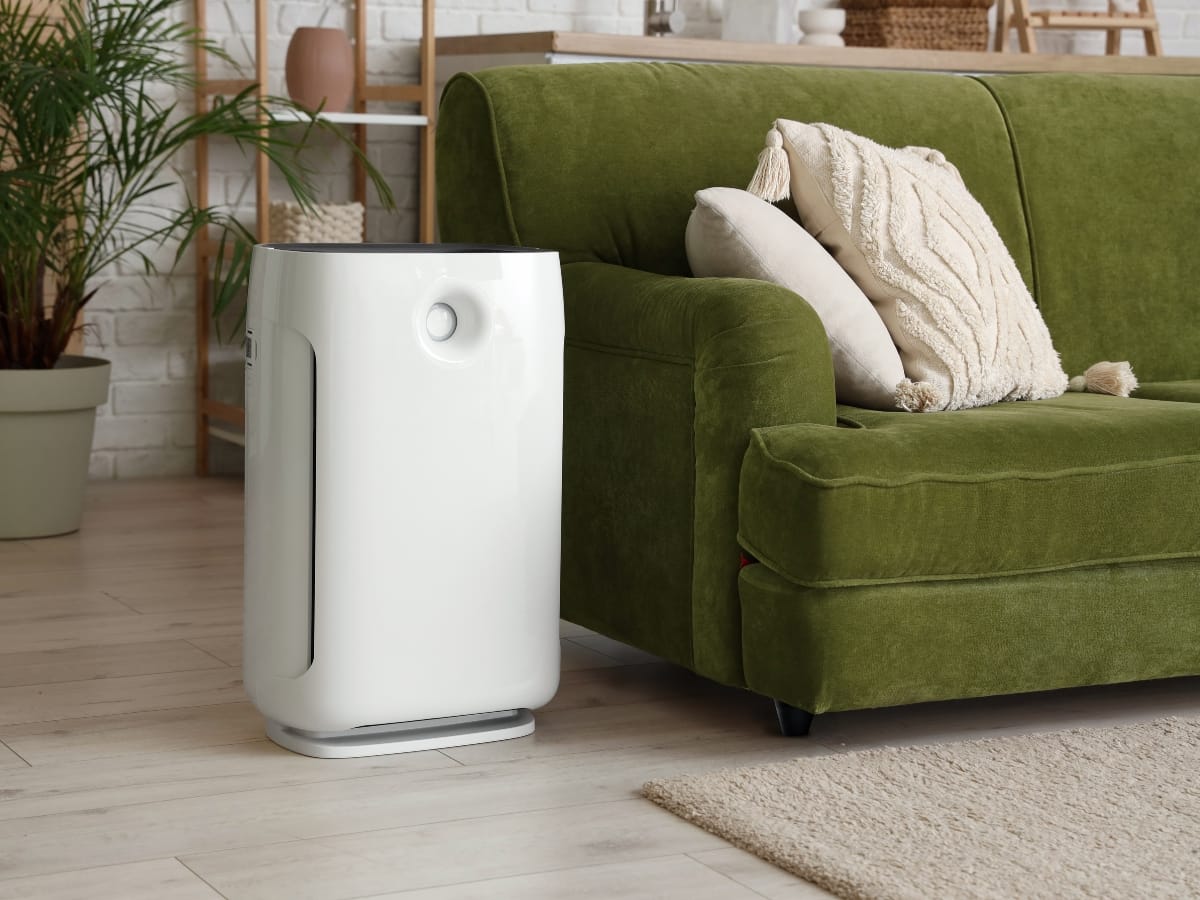
Professional inspections are another smart step for a pet friendly HVAC plan, even if you are comfortable changing filters yourself. An inspection can confirm airflow is healthy, the blower and coil are not packed with dust, and the system is draining properly.
It can also catch small issues like air leaks or clogged condensate lines before they create bigger problems. In a pet home, those checkups help keep performance steady and reduce the chances that allergens and dust will build up inside the equipment over time.
When you combine regular filter changes with light cleaning and periodic system checks, you get the benefits most pet owners want: cleaner air, fewer odors that linger, and an HVAC system that stays reliable season after season.
How Can HVAC System Upgrades Enhance Comfort for Pets and Owners?
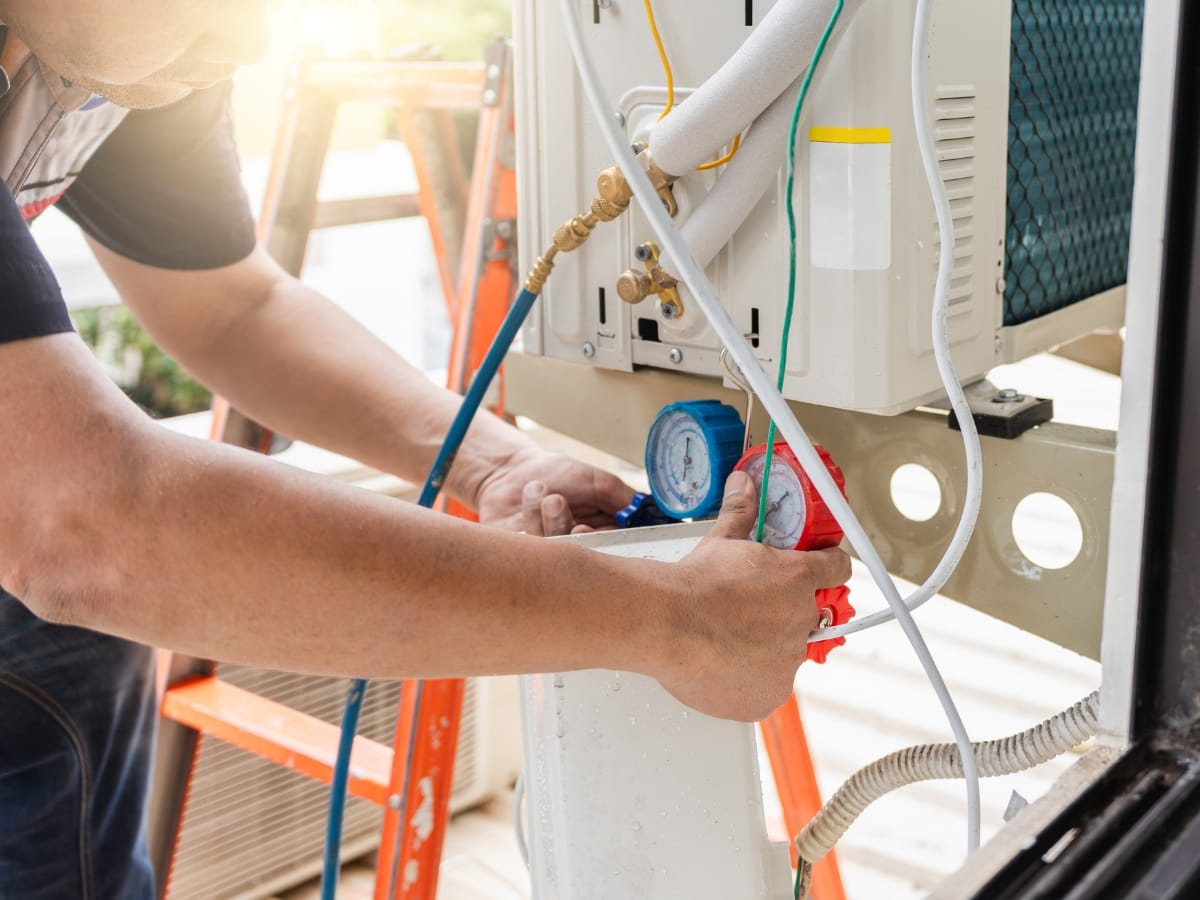
A comfortable home for pets is usually the same as a comfortable home for people: steady temperatures, decent humidity control, and air that does not feel dusty or stale. The difference is that pets spend more time closer to the floor, where hair, dander, and heavier particles settle.
That is why a pet friendly HVAC plan often focuses on two things at once. It aims to smooth out temperature swings while also cutting down on allergens and odors that tend to build up in pet households.
Upgrades can help when basic maintenance is not enough. If you are already changing filters regularly and keeping vents clean, but the house still feels stuffy or inconsistent, targeted improvements can make a noticeable difference.
The best upgrades are the ones that match your home’s issues, not the ones that sound the most advanced. For some households, filtration and airflow fixes do more than adding new gadgets. For others, humidity control or smart scheduling is the missing piece.
Which HVAC Upgrades Are Recommended For Better Allergen Control?
Higher-efficiency filtration is usually the first upgrade to consider because it is straightforward and directly tied to pet allergens. Many homes do well with a better pleated filter that captures more fine particles without restricting airflow too much.
If your system can handle it, upgrading filter efficiency can reduce how much dander and dust recirculates, which helps both comfort and indoor air quality. The key is choosing a filter that fits properly and changing it often enough that airflow stays strong, especially in homes with multiple pets.
UV light systems are sometimes used as part of an indoor air quality strategy, mainly to help address microbial growth in the HVAC system. In humid climates, moisture around coils can contribute to mold issues, and UV can be one tool that helps keep those areas cleaner.
It is not a substitute for fixing drainage problems or addressing humidity, but it may support cleaner system components when used correctly. If odors or musty smells are part of the issue, it is still worth looking at moisture control, since high humidity can amplify odors and create conditions where mold thrives.
Smart thermostats can also support a pet friendly HVAC setup, not just for convenience but for comfort consistency. Many homes experience temperature swings because the system runs in short bursts or because schedules are not aligned with when the home is occupied.
A smart thermostat can help reduce those swings, and some models allow better control over fan settings and humidity features, depending on the system. For pets, that can mean fewer hot spots, fewer cold drafts, and a more stable environment during the day.
Beyond these, some homes benefit from duct sealing or airflow balancing, especially if certain rooms always feel warmer or cooler. While it is not always marketed as an “air quality upgrade,” proper airflow distribution can help reduce stagnant areas where odors and dust linger.
What Financing Options Are Available For Pet-Friendly HVAC Improvements?
HVAC upgrades can be a meaningful investment, so many homeowners look for ways to spread the cost out. Financing options vary, but the most common are fixed monthly payment plans, promotional no-interest periods, and flexible term lengths that allow you to choose a payment size that fits your budget.
Some financing programs also include simple online account management, which makes it easier to track payments and keep everything organized without extra paperwork.
If you are considering multiple improvements, it can help to prioritize. Start with the changes that most directly support a pet friendly HVAC setup, such as better filtration, airflow fixes, or humidity control. Those upgrades tend to deliver the biggest comfort payoff for both pets and owners.
Then, if needed, you can layer in additional features like UV or smart controls based on how your home performs after the basics are addressed.
What Are Common Questions About HVAC Solutions For Pet Owners?
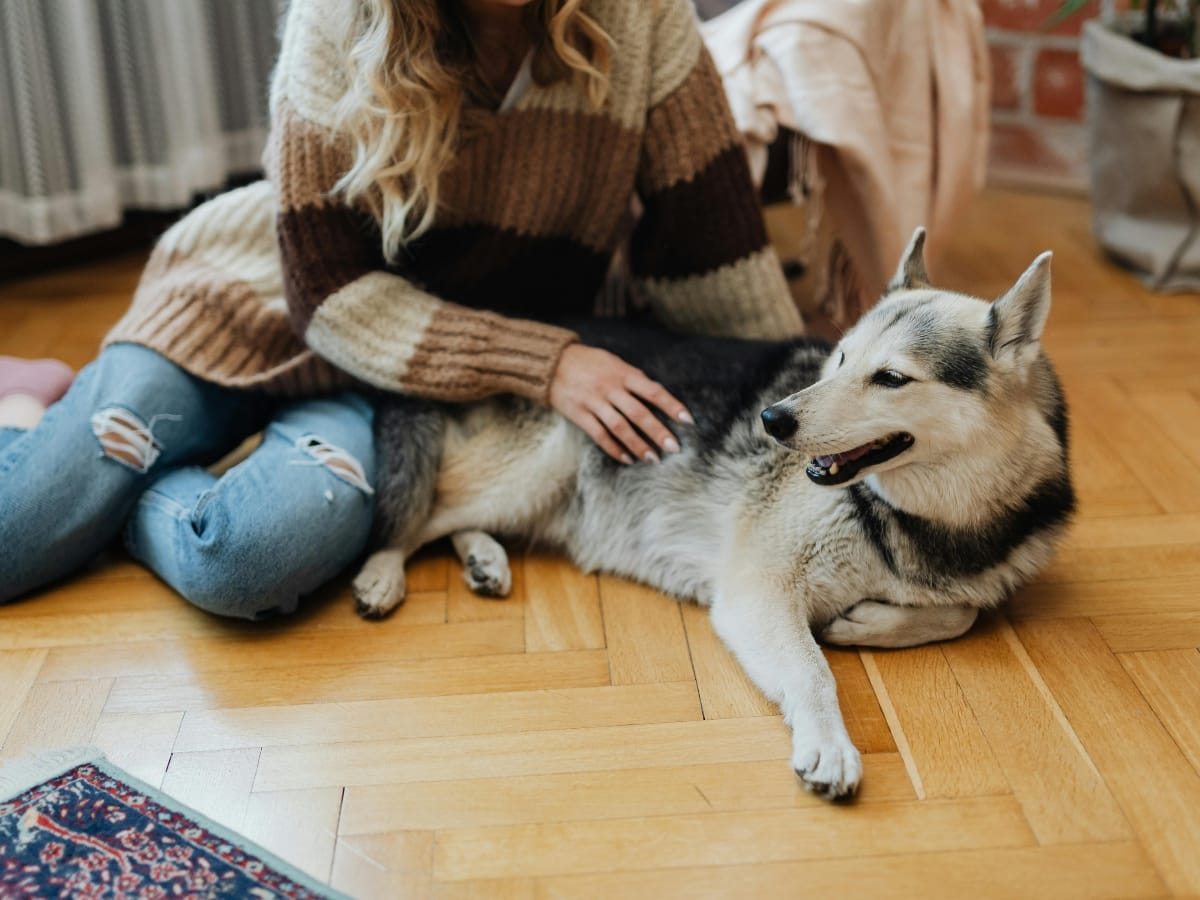
Pet owners tend to run into the same set of air quality frustrations: more dust on surfaces, lingering odors, and allergy symptoms that feel worse indoors than they should. A pet friendly HVAC approach is really about control.
You are controlling what gets pulled into the system, what gets filtered out, and how moisture and airflow impact comfort. The good news is that most improvements come from a few repeatable habits and a couple of targeted upgrades, not a total system overhaul.
How Effective Are HVAC Systems At Removing Pet Odors And Allergens?
HVAC systems can reduce pet allergens when filtration is appropriate and filters are replaced consistently. Dander and fine dust are the biggest targets, and those particles can circulate for a long time if the filter is low quality or overdue.
Odors are trickier because most filters are designed for particles, not smells. If your home smells “petty” even when it is clean, look at humidity levels and consider adding odor-focused filtration in the rooms where pets spend the most time.
Can HVAC Systems Help Reduce Allergy Symptoms In Pet Owners?
For many households, yes. Better filtration and steady airflow can reduce the allergen load that triggers symptoms. Humidity control matters too, since damp indoor air can support dust mites and mold, which can pile on top of pet allergies. A pet friendly HVAC plan is most effective when it supports both filtration and moisture control rather than treating them as separate problems.
What Filter Choices Work Best For A Pet Friendly HVAC Setup?
Most homes do well with a quality pleated filter that captures smaller particles without choking airflow. In pet homes, the “best” filter is often the one you will replace on time. If you go too high on efficiency and forget to change it, airflow can drop, and comfort can suffer. Check your filter monthly, especially during heavy heating and cooling months, and replace it when it looks visibly loaded.
How Often Should Pet Owners Change HVAC Filters?
Pet homes usually need more frequent changes than homes without pets. If you have one pet and low dust, you may be fine on the longer end of the replacement window. If you have multiple pets or a heavy shedder, monthly changes are common, especially in peak season. The simplest strategy is to check monthly and let the filter’s condition determine the schedule.
Do Air Purifiers Help If You Already Have A Good HVAC Filter?
They can, especially in bedrooms and main living areas. HVAC filters clean air as it cycles through returns, but an air purifier can continuously clean air in a single room where people and pets spend a lot of time. If odor is a concern, look for a purifier with substantial activated carbon, not just a thin carbon sheet.
What Role Does Humidity Play In Pet Odors And Allergens?
Humidity can amplify both odor and allergy issues. Higher humidity can make smells linger and can also support dust mites and mold. On the flip side, very dry air can irritate eyes and airways. A pet friendly HVAC setup aims for a comfortable middle range so the air feels fresher and respiratory irritation is less likely.
Is Duct Cleaning Worth It For Homes With Pets?
Sometimes, but not always. Duct cleaning tends to be most useful after renovations, when there is visible debris blowing from vents, or when a home has years of buildup from previous pets. In many cases, better filtration, consistent filter changes, and cleaning return grilles do more for everyday results than duct cleaning alone.
Why Does My House Still Feel Dusty Even After Filter Changes?
If dust returns quickly, the issue may be more than the filter. Common causes include gaps around the filter frame, leaky return ducts pulling in attic or crawlspace air, clogged coils reducing airflow, or pets spending lots of time on fabric surfaces that release dander back into the air. This is where a basic inspection and sealing obvious gaps can make a pet friendly HVAC plan more effective.
What Maintenance Habits Make The Biggest Difference For Pet Owners?
Start with consistent filter changes and cleaning return grilles. Vacuuming with a HEPA-rated vacuum and washing pet bedding regularly also reduces what the HVAC system has to deal with. If your system is older or you notice uneven airflow, an inspection to confirm airflow and drainage can prevent issues that make odors and allergens worse.
What Upgrades Are Most Helpful For Pet Friendly HVAC Comfort?
If maintenance is already solid, upgrades that often help include improved filtration options your system can handle, airflow balancing for rooms with hot or cold spots, and better humidity management. Smart thermostats can help smooth out temperature swings, which can be helpful for pets that are sensitive to heat or cold.
How Can You Tell If Your HVAC System Is Struggling In A Pet Home?
Watch for reduced airflow, rooms that never feel comfortable, higher bills without a clear reason, or filters that clog unusually fast. Musty smells or persistent odor can also point to moisture issues around the system. If you address those early, a pet friendly HVAC setup stays more consistent and easier to maintain year-round.
Conclusion
Creating a comfortable, healthy home for your furry family members goes hand in hand with maintaining an efficient HVAC system. From managing pet dander with quality filtration to ensuring consistent temperatures while you’re away, these thoughtful adjustments benefit both your pets and your peace of mind.
For expert guidance on pet-friendly HVAC solutions and professional maintenance, trust inAir Heating & Air. Ready to make your home as comfortable for your pets as it is for you? Call (770) 233-7777 or submit an HVAC request online today for a consultation. Let us help you create an environment where every member of your family can thrive.