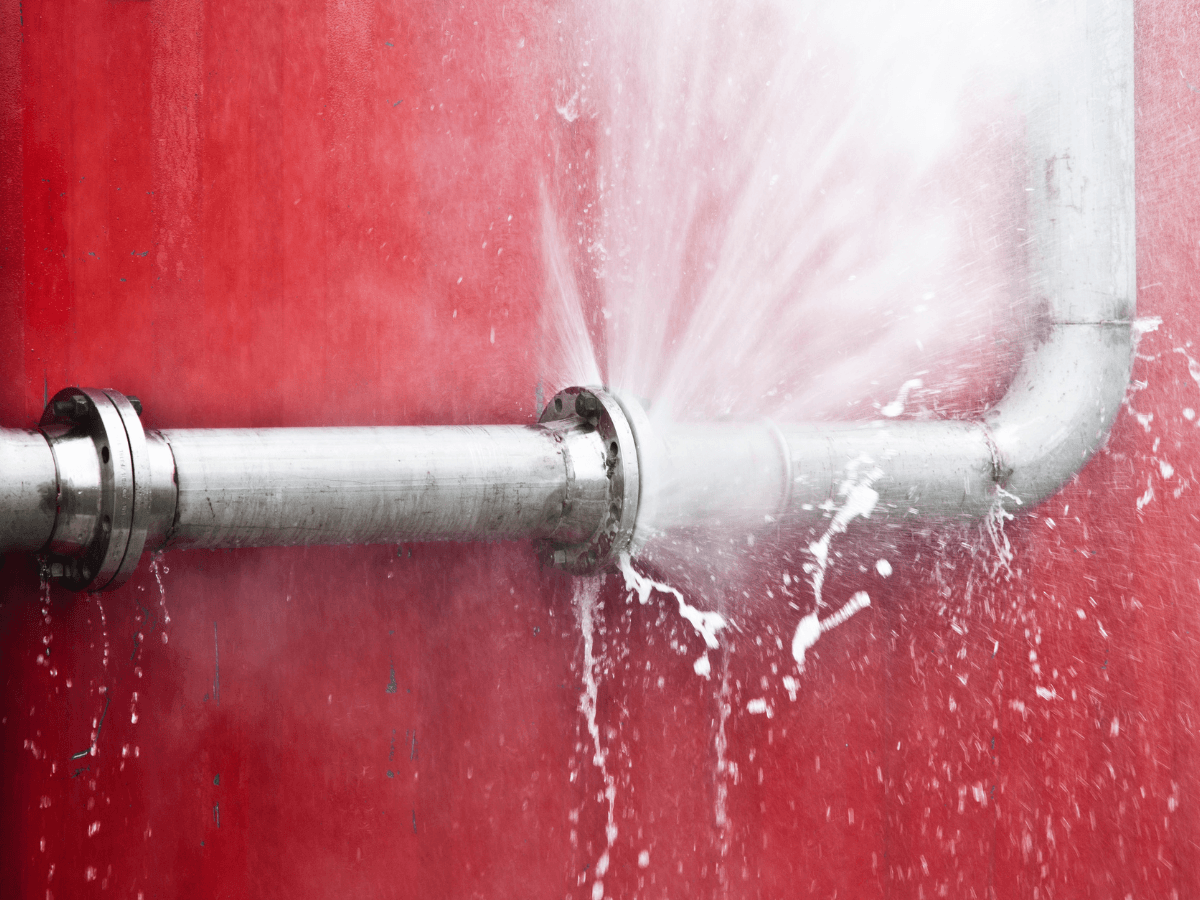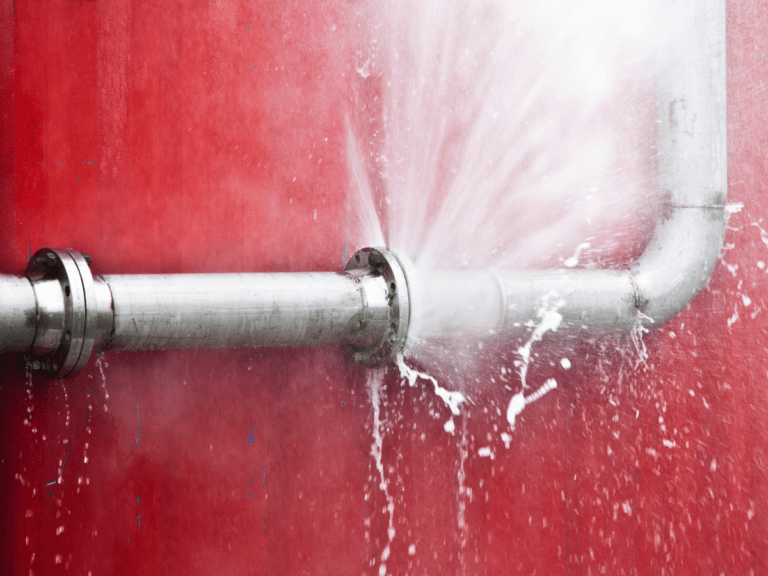




A burst pipe can turn a cold day into a costly emergency within minutes. Freezing temperatures cause water inside pipes to expand, increasing pressure until the pipe cracks or ruptures.
Knowing essential tips to help prevent burst pipes in winter can protect your home from water damage, unexpected repairs, and major disruptions.
Pipes in unheated areas like basements, crawl spaces, garages, and exterior walls are especially vulnerable. Without proper insulation and preparation, even a short cold snap can lead to serious issues. Small preventative steps taken early can make a significant difference when temperatures drop.
By understanding where your plumbing is most at risk and how to protect it, you can keep your home safer and avoid the stress that comes with winter plumbing emergencies.
How to Prevent Burst Pipes and Avoid Costly Repairs
What Causes Pipes To Burst During Winter?
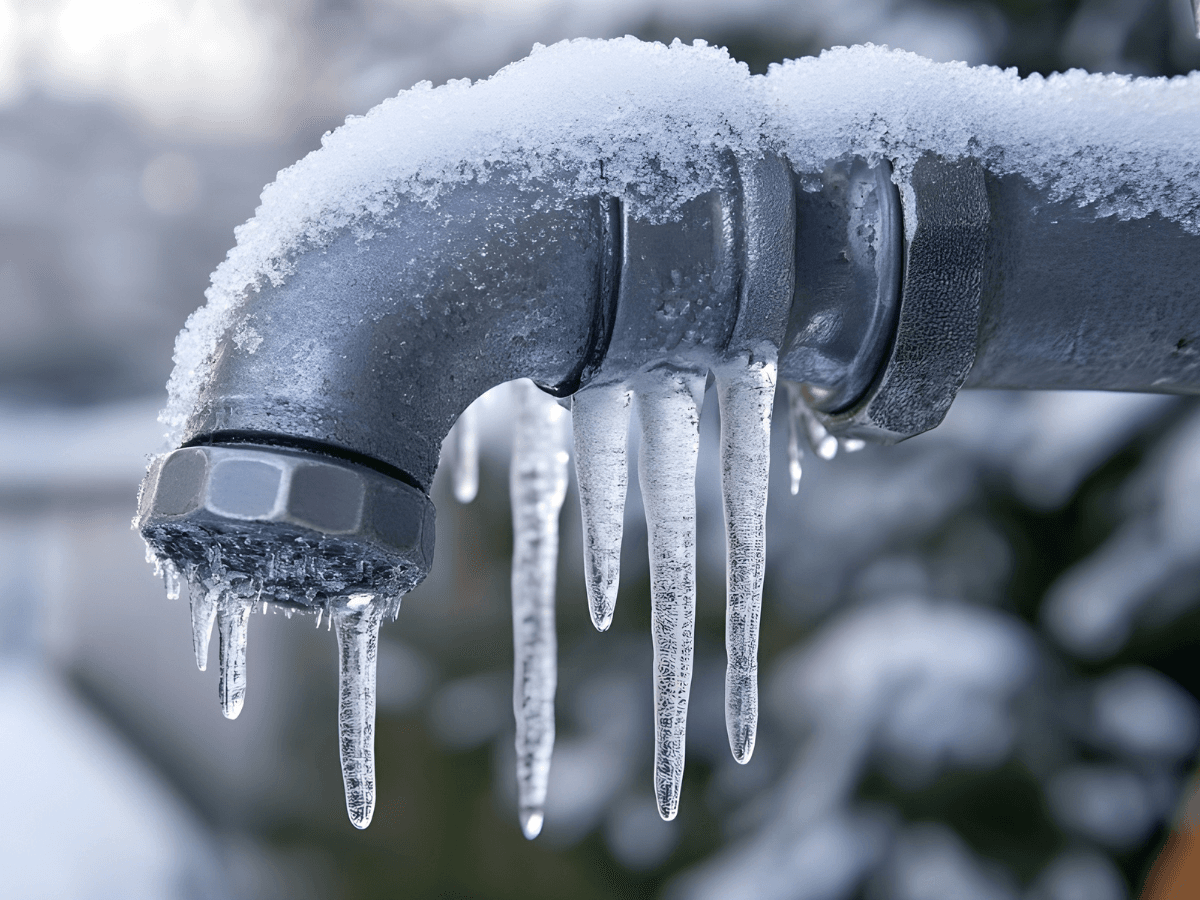
Cold weather is one of the main reasons plumbing issues become more common in winter. When temperatures drop, pipes are exposed to conditions they are not always designed to handle. Understanding these risks is an important step if you want to prevent burst pipes and avoid costly damage.
In many cases, the problem develops slowly. Small changes in temperature or pressure can build up over time, eventually leading to a break. By recognizing how and why this happens, homeowners can take practical steps before issues arise.
Frozen Water And Pressure Build Up
One of the most common causes of pipe damage is freezing. When water inside a pipe freezes, it expands. This expansion creates pressure within the pipe, especially in areas where water has no room to move.
As pressure increases, the pipe walls can weaken. Eventually, this stress can lead to cracks or a full break. Pipes located in unheated areas such as basements, crawl spaces, or exterior walls are often the most vulnerable.
Preventing freezing is one of the most effective ways to prevent burst pipes. Keeping these areas insulated and maintaining a steady indoor temperature can reduce the risk significantly.
The Impact Of Poor Winter Preparation
Another key factor is improper winterization. When plumbing systems are not prepared for colder conditions, they are more likely to fail under stress. This is especially true for outdoor lines or pipes in areas that do not receive consistent heat.
Leaving pipes exposed or failing to drain unused lines can increase the chance of freezing. Over time, repeated exposure to cold conditions weakens the system, making it more likely to break when temperatures drop further.
Taking time to prepare before winter sets in can help prevent burst pipes by reducing strain on the system from the start.
How Temperature Changes Affect Pipe Strength
It is not only extreme cold that causes problems. Rapid temperature shifts can also play a role. When temperatures fluctuate, pipes expand and contract. This movement may seem minor, but repeated cycles can weaken joints and connections.
Over time, these stress points can become areas where leaks or breaks develop. Even newer plumbing systems can be affected if they are exposed to frequent temperature changes without proper protection.
Maintaining a stable indoor environment helps reduce these fluctuations. Consistency is often more important than extreme heat when trying to prevent burst pipes.
Why Understanding These Causes Matters
Each of these factors contributes to the overall risk during winter. Frozen water, poor preparation, and temperature changes all place stress on plumbing systems in different ways.
By understanding how these issues develop, homeowners can take steps to protect their pipes before problems occur. This approach not only helps prevent burst pipes but also reduces the likelihood of unexpected repairs during colder months.
With a combination of preparation and awareness, it becomes easier to manage winter conditions and keep plumbing systems functioning as they should.
How Pipe Insulation Helps Prevent Burst Pipes In Winter
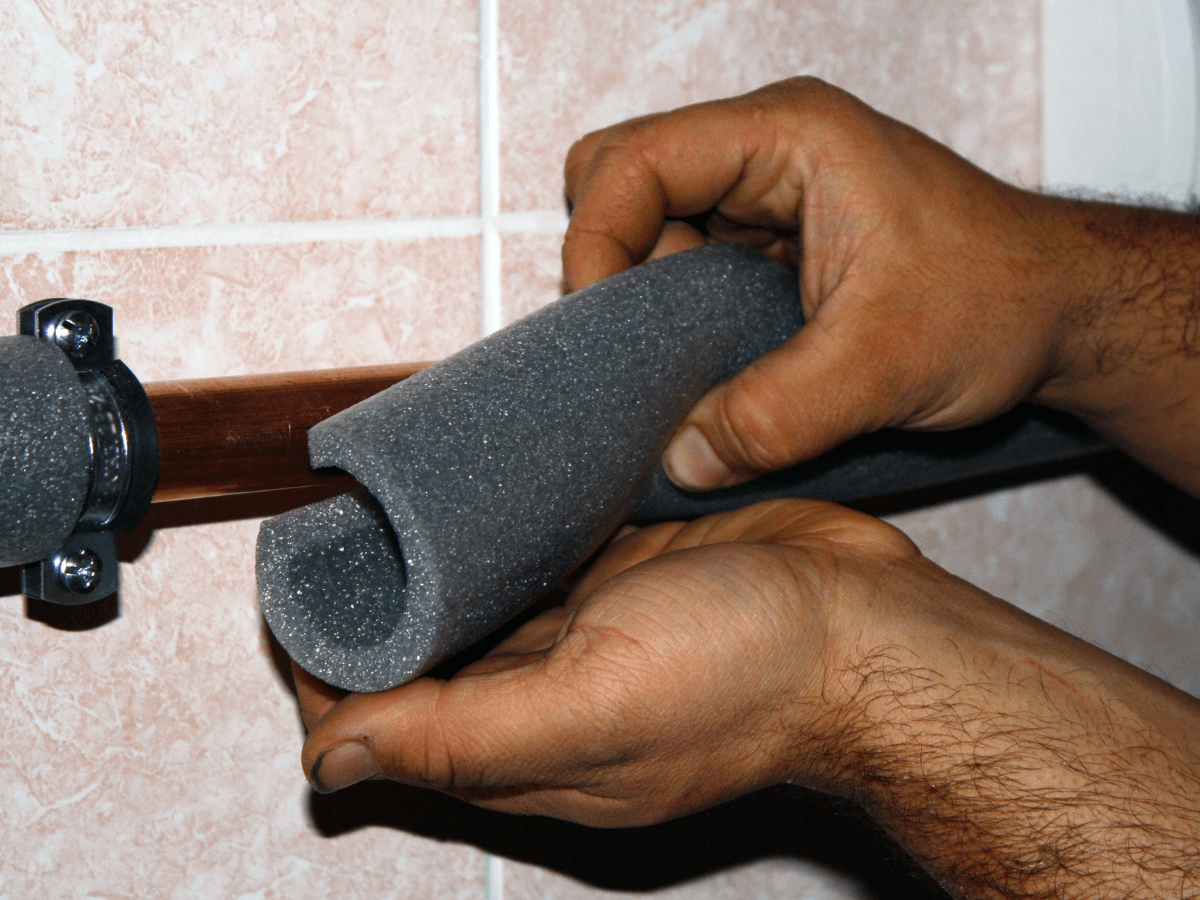
Pipe insulation plays a key role in protecting plumbing during colder months. When temperatures drop, exposed pipes lose heat quickly, which increases the chance of freezing.
Once water freezes inside a pipe, pressure builds and can lead to cracks or breaks. This is why insulation is one of the most practical ways to prevent burst pipes.
Insulation works by slowing down heat loss. It helps keep the temperature inside the pipe more stable, even when the surrounding air is cold. This is especially important in areas like basements, attics, garages, and crawl spaces where heating may be limited.
By maintaining a more consistent temperature, insulation reduces stress on the plumbing system. Over time, this helps prevent burst pipes and keeps water flowing as expected during winter.
Types Of Insulation Materials That Offer Reliable Protection
Choosing the right insulation material can make a noticeable difference in how well pipes are protected. Some materials are better suited for standard conditions, while others are designed for colder environments.
Common options include:
- Foam pipe sleeves, which are easy to install and work well for most exposed pipes
- Heat tape or heat cables, which provide direct warmth for pipes in high-risk areas
- Higher-density materials, such as fiberglass or rubber foam offer stronger protection in colder climates
Each of these options serves a different purpose, but all help prevent burst pipes by reducing the chance of freezing. The choice often depends on where the pipes are located and how much exposure they have to cold air.
Where Insulation Matters Most
Not all pipes face the same level of risk. Some areas are more vulnerable because they are closer to outdoor conditions or lack proper heating. Identifying these areas is an important step in preventing winter damage.
Pipes in the following locations often need extra attention:
- Exterior walls where cold air can seep in
- Unheated spaces such as garages or crawl spaces
- Areas near windows, vents, or other openings
Focusing on these spots helps prevent burst pipes by addressing the most common points of heat loss. Even small gaps in insulation can make a difference, so it is important to cover exposed sections thoroughly.
Best Practices For Installing Pipe Insulation
Proper installation is just as important as the material itself. If insulation is not applied correctly, cold air can still reach the pipe and reduce its effectiveness.
A few practical steps can improve results:
- Cover all exposed sections of pipe, including joints and bends
- Seal nearby air leaks to prevent cold drafts from reaching the plumbing
- Use heat tape in areas where insulation alone may not be enough
Taking the time to install insulation carefully helps create a more consistent barrier against cold temperatures. This reduces the risk of freezing and helps prevent burst pipes over the long term.
Supporting Long-Term Plumbing Protection
Pipe insulation is not just a one-time fix. It is part of a broader approach to winter maintenance. Checking insulation regularly and making adjustments when needed helps keep the system protected as conditions change.
Combined with other steps such as maintaining indoor temperatures and monitoring vulnerable areas, insulation becomes a reliable way to prevent burst pipes. It reduces strain on the system and helps avoid unexpected repairs during colder months.
With the right materials and proper installation, homeowners can create a more stable environment for their plumbing and reduce the risks associated with winter weather.
How HVAC Maintenance Helps Prevent Burst Pipes In Winter
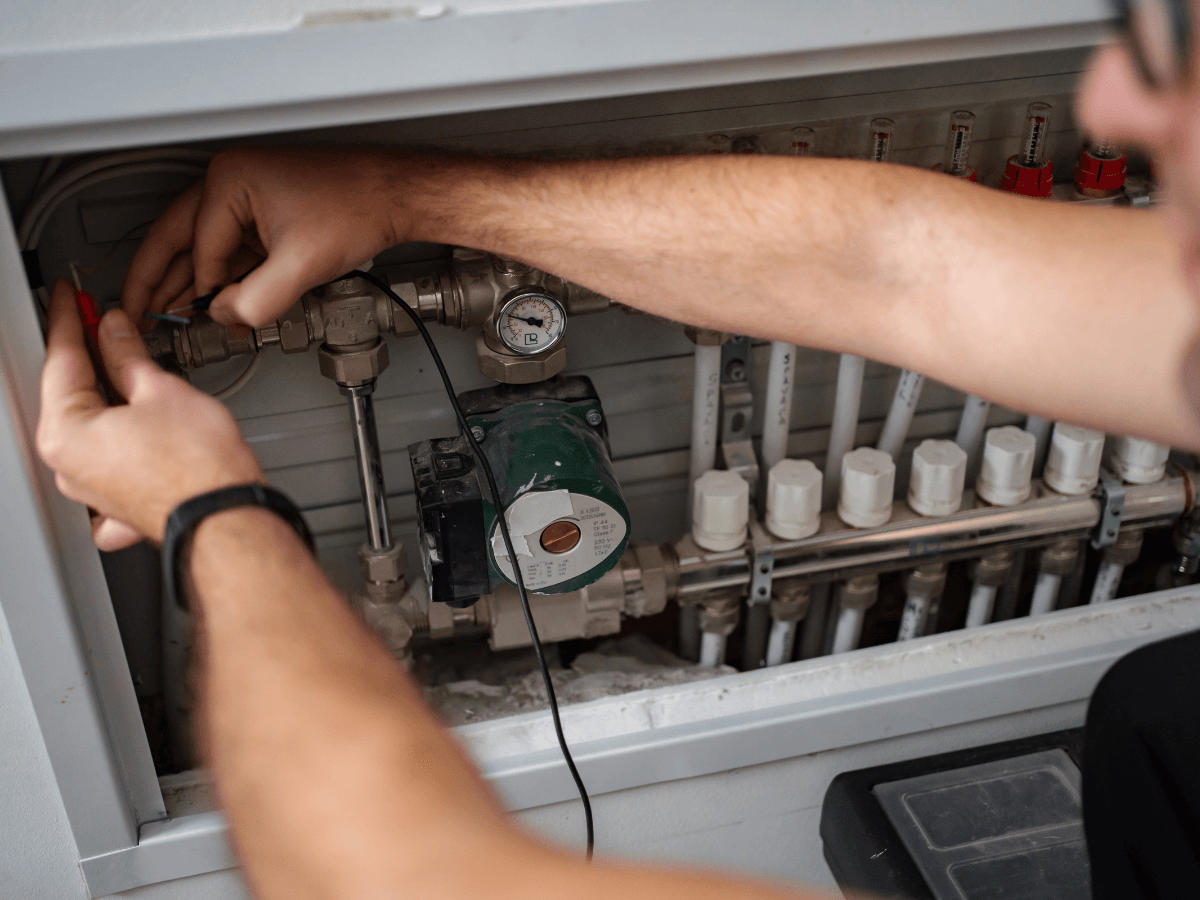
HVAC maintenance plays a direct role in protecting your plumbing during colder months. When a home stays consistently warm, pipes are less likely to freeze. This makes heating performance an important factor if you want to prevent burst pipes and avoid winter damage.
Cold spots inside a home often develop when airflow is uneven or blocked. These areas can expose pipes to lower temperatures, even when the thermostat is set correctly. By keeping the HVAC system working efficiently, homeowners can maintain a more stable indoor environment that supports overall pipe safety.
Maintaining Proper Heat Distribution Throughout The Home
One of the most effective ways to protect plumbing is to ensure that warm air reaches all areas of the house. Rooms, basements, and crawl spaces that do not receive enough airflow are more likely to experience freezing conditions.
Checking vents and keeping them clear helps maintain consistent circulation. Furniture, rugs, or other objects can sometimes block airflow without being noticed. Making sure vents remain open allows heat to move freely, which helps prevent burst pipes in colder sections of the home.
It also helps to monitor rooms that tend to feel cooler than others. Identifying these areas early allows for small adjustments that can improve overall heat distribution.
Sealing Air Leaks To Reduce Cold Exposure
Air leaks are another common issue that can affect both heating efficiency and plumbing safety. Gaps around windows, doors, and entry points for pipes can allow cold air to enter and settle near plumbing lines.
Sealing these openings helps maintain indoor temperatures and reduces the strain on the heating system. It also creates a more controlled environment where pipes are less exposed to sudden temperature drops.
This step is often overlooked, but it can make a noticeable difference when trying to prevent burst pipes during extended cold periods.
The Importance Of Routine HVAC Inspections
Regular inspections help ensure that the HVAC system is functioning as expected. Over time, components can wear down or become less efficient, which affects how well heat is distributed throughout the home.
A routine check can identify issues such as reduced airflow, uneven heating, or system strain. Addressing these problems early helps maintain a consistent temperature, which is key to preventing frozen pipes.
Homeowners who stay on top of inspections are more likely to catch small issues before they lead to larger problems during winter.
Supporting Pipe Safety With Consistent Heating
Consistency is one of the most important factors in winter plumbing protection. Large temperature swings can place stress on pipes, especially in areas that are already vulnerable.
Maintaining a steady indoor temperature helps reduce this risk. Even when away from home, it is important to keep heating at a level that supports pipe safety. Sudden drops in temperature can increase the likelihood of freezing, particularly in less insulated areas.
Reliable heating systems make it easier to prevent burst pipes by reducing exposure to extreme conditions.
Combining HVAC Care With Overall Winter Preparation
HVAC maintenance works best when it is part of a broader winter preparation plan. Insulating pipes, sealing gaps, and monitoring temperature all contribute to a safer plumbing system.
For homeowners who want additional support, services such as those offered by InAir USA can help maintain heating performance and indoor conditions. Professional inspections can provide added reassurance that the system is ready for colder weather.
By focusing on airflow, sealing, and routine maintenance, it becomes easier to prevent burst pipes and keep your home protected throughout the winter season.
What To Do Immediately When Pipes Freeze Or Burst
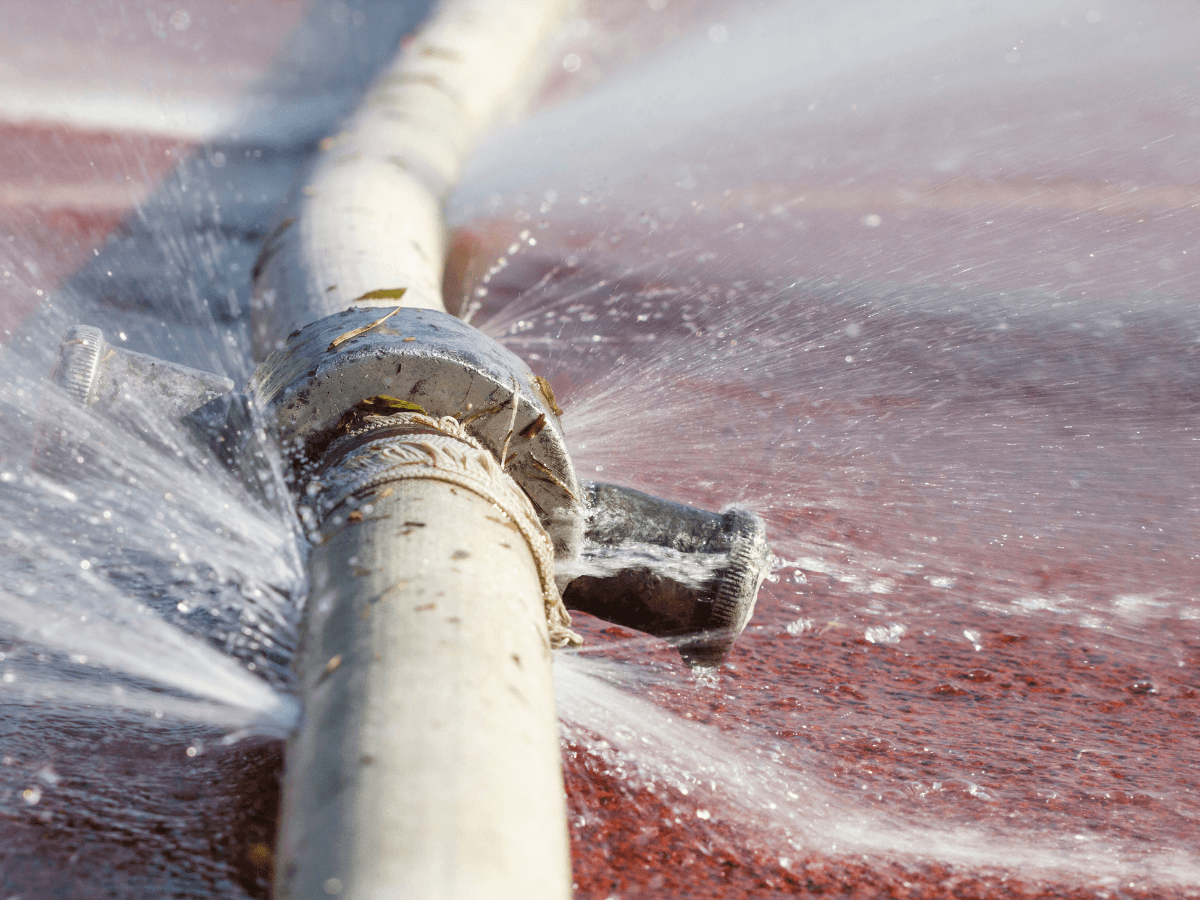
When a pipe freezes or bursts, quick action can limit damage and help restore normal conditions faster. Even with preparation, unexpected issues can still happen, so it is important to know how to respond. Acting early not only reduces water damage but also supports efforts to prevent burst pipes in the future.
The first priority is stopping the flow of water. Turning off the main water supply helps prevent additional flooding and gives you time to assess the situation. Once the water is off, the focus can shift to identifying the affected area and limiting further impact.
Safely Thawing Frozen Pipes
If a pipe has frozen but not yet burst, it may still be possible to resolve the issue before damage occurs. The key is to warm the pipe gradually and avoid sudden temperature changes.
Gentle heat works best in these situations. A hairdryer or a small space heater can be used to slowly raise the temperature around the pipe. It is important to avoid open flames or extreme heat, since these can damage the pipe or create safety risks.
Keeping the surrounding area warm also helps. Closing off drafts and maintaining a steady indoor temperature can support the thawing process and help prevent burst pipes from developing later.
Containing Water And Limiting Damage
If a pipe has already burst, the focus shifts to managing water and protecting the home. After shutting off the main supply, it helps to remove standing water as quickly as possible. Towels, buckets, or other absorbent materials can be used to contain the spread.
Checking nearby areas for additional leaks is also important. Water can travel along surfaces or through walls, so identifying affected spots early can reduce long-term damage. At the same time, keeping the space as dry as possible helps prevent further issues such as mold or structural wear.
When To Involve A Professional
Some situations require more than a temporary fix. If the damage is extensive or the source of the problem is unclear, it is often best to involve a licensed plumber. A professional can assess the condition of the pipes and determine whether repairs or replacements are needed.
Even after an immediate issue is handled, a follow-up inspection can help identify weak points in the system. This step supports future efforts to prevent burst pipes by addressing underlying problems before the next cold period.
Steps That Help Reduce Future Risk
After dealing with a frozen or burst pipe, it is worth taking a closer look at what led to the issue. Making a few adjustments can lower the chances of the problem happening again.
A practical approach can include:
- Improving insulation around exposed pipes
- Sealing drafts near plumbing areas
- Maintaining a consistent indoor temperature during cold weather
These steps work together to create a more stable environment for your plumbing system.
Turning A Problem Into Prevention
While a frozen or burst pipe can be stressful, it also highlights areas that need attention. By responding quickly and making targeted improvements, homeowners can reduce the risk of repeat issues.
Understanding how to act in the moment and how to adjust afterward makes it easier to prevent burst pipes over time. With the right approach, even unexpected problems can lead to better long-term protection for your home.
How Financing Can Support Winter Plumbing Upgrades

Preparing a home for winter often involves upgrades that can add up quickly. Improvements like pipe insulation, HVAC maintenance, and sealing drafts all help prevent burst pipes, but the upfront cost can make it difficult to move forward all at once.
Financing options can make these upgrades more manageable. Instead of delaying important work, homeowners can spread costs over time while still improving their home’s protection. This approach allows you to address risks early, rather than waiting until a problem develops.
Spreading Costs With Practical Financing Options
Different financing structures can help homeowners choose what works best for their situation. The goal is to balance affordability with the ability to complete necessary upgrades before colder weather sets in.
Common options include:
- No-interest plans offered for a limited period, which can reduce the overall cost if paid within the term
- Monthly payment plans that break larger expenses into smaller, more manageable amounts
- Lines of credit designed for home improvements, which allow flexibility as projects are completed
These options make it easier to take action on improvements that help prevent burst pipes without needing to cover the full cost upfront.
Prioritizing Upgrades That Reduce Risk
When using financing, it helps to focus on upgrades that provide the most immediate benefit. Not every improvement needs to happen at once, but certain changes can have a direct impact on winter safety.
For example, insulating exposed pipes, improving heating efficiency, and sealing air leaks are often high-priority steps. These updates work together to create a more stable indoor environment, which reduces the chance of freezing and helps prevent burst pipes.
By prioritizing these areas, homeowners can make the most of available financing while addressing the most common sources of winter damage.
Balancing Budget And Long-Term Protection
Financing is not just about covering costs. It also allows homeowners to plan more effectively. Instead of postponing upgrades due to budget limits, it becomes possible to move forward with a structured approach.
This can lead to fewer emergency repairs over time. Preventive work is often more predictable and easier to manage than unexpected damage. Investing in upgrades early can reduce the likelihood of costly issues later in the season.
When used carefully, financing supports both short-term affordability and long-term protection.
Making Informed Decisions About Home Improvements
Choosing the right financing option depends on your goals and budget. Some homeowners prefer short-term plans that can be paid off quickly, while others benefit from longer repayment periods that reduce monthly strain.
It is also helpful to consider the scope of the work. Smaller projects may only require basic payment plans, while larger upgrades might benefit from a more flexible credit option.
In some cases, providers such as InAir USA offer structured solutions that align with heating and home improvement needs. These options can simplify the process of upgrading systems that support winter safety.
Supporting A More Reliable Winter Setup
Winter preparation is most effective when it is handled before temperatures drop. Financing makes it easier to complete necessary improvements on time, which helps reduce the risk of damage during colder months.
By combining thoughtful planning with the right financial approach, homeowners can take steps to prevent burst pipes while staying within their budget. Over time, this creates a more reliable and resilient home that is better prepared for seasonal changes.
Conclusion
Protecting your home from burst pipes during Atlanta’s winter chill requires a combination of proactive preparation and consistent vigilance—from insulating exposed pipes and maintaining steady indoor temperatures to knowing where your main water shutoff valve is located.
While these essential tips form your first line of defense, ensuring your home’s heating system is in peak condition is equally critical. For professional HVAC maintenance and peace of mind all winter long, trust inAir Heating & Air. Ready to keep your home safe, warm, and worry-free?
Call (770) 233-7777 or submit an HVAC request online today for a professional inspection. Let us help you stay ahead of winter’s challenges with reliable care and expertise.