



When an air conditioner starts blowing warmer air, running longer cycles, or struggling to keep up with Atlanta heat, low refrigerant may be part of the problem. But refrigerant doesn’t get “used up” during normal operation. If levels are low, a leak or another system issue may need attention before simply adding more.
Professional AC refrigerant recharge and leak repair in Atlanta focuses on finding the cause of refrigerant loss, repairing the problem, and restoring the correct charge for efficient cooling. Technicians may inspect coils, connections, and refrigerant lines to pinpoint leaks and determine the appropriate solution.
This guide covers common signs of refrigerant problems, what recharge and leak repair involve, and why proper diagnosis matters for AC performance, efficiency, and long-term reliability.
What to Expect During an AC Refrigerant Recharge Service
How to Identify an AC Refrigerant Leak or Low Refrigerant Levels
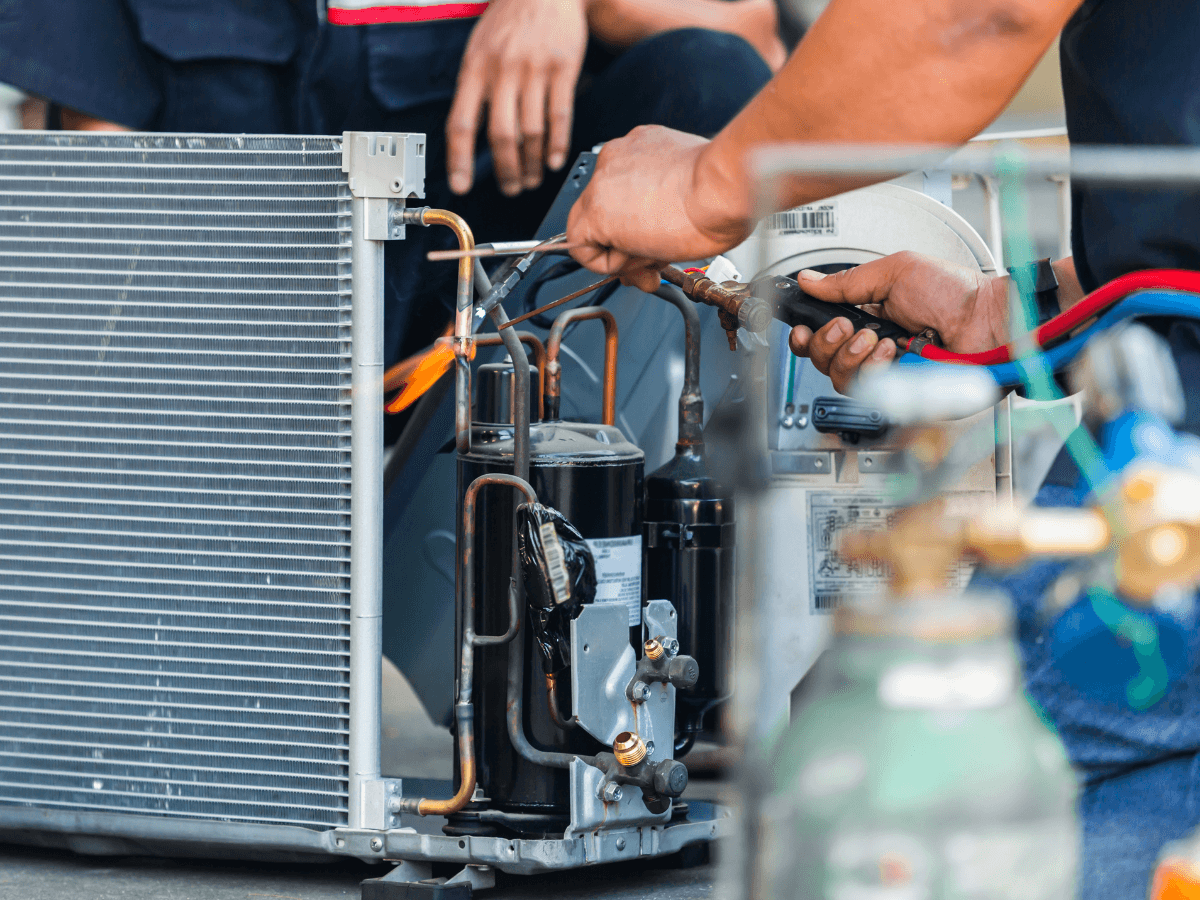
Refrigerant plays a central role in the cooling process, but it is not something an air conditioner normally consumes during operation.
If a properly charged system becomes low on refrigerant, there may be a leak or another issue that requires professional diagnosis. Simply adding more refrigerant without determining why the level dropped can leave the underlying problem unresolved.
The challenge for homeowners is that low refrigerant can resemble several other AC problems. Weak airflow, dirty coils, clogged filters, and equipment faults can also reduce cooling performance.
Knowing which warning signs deserve attention can help you decide when an AC refrigerant recharge and professional inspection may be necessary.
Warning Signs That May Point to a Refrigerant Leak
Poor cooling is often the first symptom homeowners notice. The air conditioner may run for longer periods without bringing the home to the thermostat setting, or the air coming from the vents may no longer feel as cool as expected.
inAir’s guide to early HVAC repair warning signs notes that weak airflow, inconsistent temperatures, unusual sounds, and higher energy bills can indicate an HVAC problem that deserves further investigation.
Other possible signs of low refrigerant include:
- Ice or frost on refrigerant lines or the evaporator coil: Improper refrigerant conditions can contribute to coil temperatures dropping low enough for moisture to freeze.
- Longer cooling cycles: The AC may run longer while struggling to remove enough heat from the home.
- Reduced cooling capacity: Rooms may remain warmer than usual even though the system is operating.
- Unusual sounds near refrigerant lines: A leak may sometimes produce hissing or bubbling sounds, although many leaks are too small to hear.
- Unexpected changes in energy use: A system that runs longer to compensate for poor cooling performance may consume more electricity.
Ice deserves particular attention because it does not automatically mean the refrigerant is low. Restricted airflow can also cause freezing. inAir’s explanation of why HVAC systems can freeze identifies both low refrigerant and airflow restrictions from dirty filters or coils as potential causes.
If ice develops, repeatedly running the AC without identifying the cause can make diagnosis more difficult and may place additional strain on the system.
Why Cooling Problems Do Not Automatically Mean Low Refrigerant
One of the most useful troubleshooting steps is ruling out simpler problems before assuming an AC refrigerant recharge is needed.
Check the thermostat setting first. Then inspect the air filter and make sure supply and return vents are not blocked. Outdoor units should also have adequate airflow around them and should not be buried in leaves, grass clippings, or other debris.
These checks can identify common airflow problems, but they cannot confirm refrigerant charge. inAir’s Atlanta HVAC maintenance guide explains that professional inspections can include measuring refrigerant levels along with checking electrical connections, motors, belts, and thermostat operation.
That distinction matters because symptoms alone cannot reliably tell a homeowner whether the problem is a leak, dirty coil, failing component, airflow restriction, or another cooling-system issue.
How HVAC Technicians Diagnose Low Refrigerant
Checking refrigerant involves more than attaching a pressure gauge and looking for a single number. Refrigerant pressures vary according to the system, refrigerant type, operating conditions, and temperatures. A technician evaluates the equipment as a whole before determining whether the charge is incorrect.
A professional diagnostic visit may involve checking operating pressures and temperatures, inspecting coils and refrigerant lines, evaluating airflow, and looking for evidence of leakage. Depending on the suspected problem, additional leak-detection methods may be required.
This type of inspection also helps prevent an unnecessary recharge. inAir’s professional HVAC tune-up checklist includes refrigerant-level checks as part of a broader system evaluation rather than treating refrigerant as an isolated maintenance item.
Why the Leak Should Be Addressed Before Recharging the AC
An AC refrigerant recharge restores the correct refrigerant charge after the reason for the loss has been identified and appropriately addressed. If refrigerant escaped through a leak, adding more without dealing with that leak may only provide temporary improvement.
The repair approach depends on where the leak is located, its severity, the condition of the equipment, and whether repairing the affected component makes practical sense. Older systems can also require additional consideration because refrigerant type and equipment condition may influence the available repair options.
Homeowners do not need to diagnose that themselves. The useful first step is recognizing changes in cooling performance and arranging an inspection before assuming the system simply needs more refrigerant.
Regular seasonal HVAC maintenance can also give technicians an opportunity to identify developing cooling, airflow, or refrigerant-related problems before peak summer demand puts the system under greater strain.
What Tools Are Used for Accurate AC Refrigerant Leak Detection?
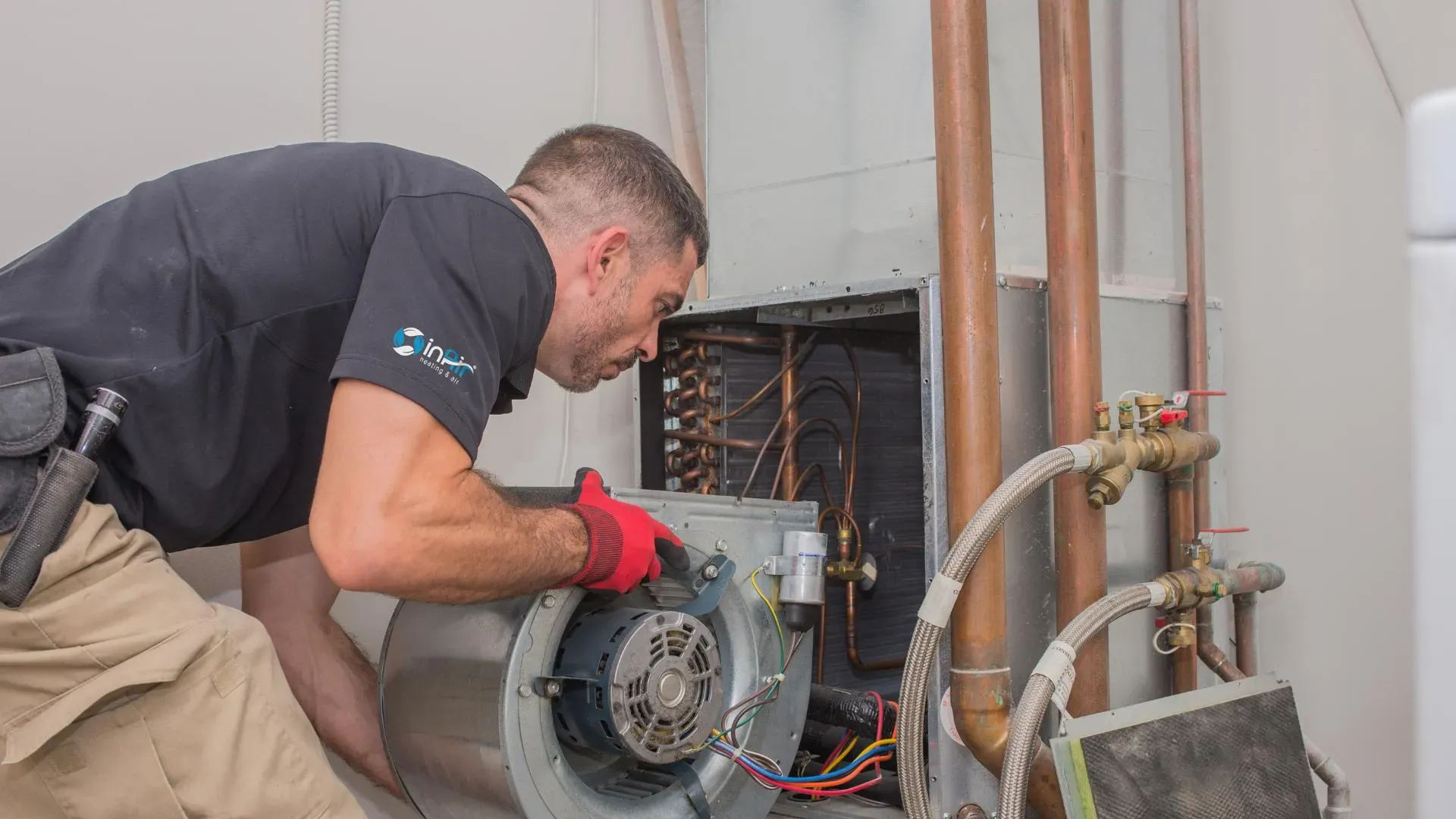
Finding a refrigerant leak is not always as simple as spotting a damaged line. Some leaks are large enough to create obvious symptoms, while others develop slowly at fittings, valves, coils, or other components and may leave little visible evidence.
Accurate diagnosis often requires technicians to combine several testing methods rather than relying on a single tool.
That matters before an AC refrigerant recharge. If refrigerant has escaped from a closed system, locating and addressing the source of the loss helps prevent the newly added refrigerant from leaking out again.
Electronic Refrigerant Leak Detectors
Electronic leak detectors are commonly used to search for small amounts of refrigerant escaping from an AC system. A technician moves the detector’s probe around likely leak points, such as service valves, refrigerant-line connections, evaporator coils, and condenser components.
The instrument responds when its sensor detects refrigerant in the surrounding air.
Electronic testing can help narrow down a suspected leak, particularly when there is no visible oil residue or obvious physical damage. The results still need to be interpreted carefully because airflow, contaminants, and the type of detector can affect testing.
Professional HVAC inspections may include advanced leak detection and refrigerant checks alongside coil, electrical, airflow, and other system evaluations. This broader diagnostic approach is important because poor cooling does not automatically mean refrigerant is escaping.
UV Dye and Visual Leak Detection
In some situations, technicians may introduce a compatible fluorescent dye into the refrigerant circuit. The dye circulates with the system and can become visible under ultraviolet light where refrigerant and oil escape.
UV testing can be useful for leaks that are difficult to locate during a single service visit because the dye can reveal where leakage has occurred after the system has operated. It is not necessarily the best method for every AC system, however, and any dye used must be appropriate for the equipment and refrigerant.
Technicians may also inspect for oily residue around fittings, coils, and refrigerant lines. Refrigerant itself may evaporate, but escaping refrigerant can carry compressor oil with it, sometimes leaving evidence near the leak.
Bubble Testing for Suspected Leak Points
One of the simplest diagnostic methods can still be useful once a technician has narrowed the search to a particular connection or component. A purpose-made leak detection solution is applied to the suspected area. Escaping gas can produce bubbles that reveal the location of the leak.
Bubble testing is particularly useful for confirming accessible leak points, but it is less practical when the problem is hidden inside a coil or another difficult-to-reach part of the system. Technicians may therefore use it alongside electronic detection rather than treating the two methods as alternatives.
The need for multiple diagnostic methods is one reason refrigerant leaks require professional HVAC troubleshooting. Low refrigerant can contribute to icing and poor temperature control, but those symptoms alone cannot identify where refrigerant is escaping.
Pressure and Temperature Measurements
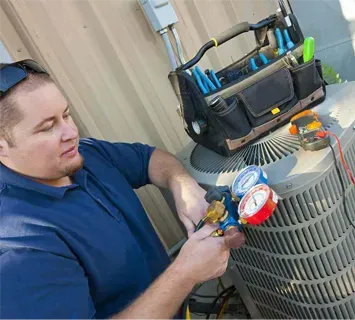
Pressure gauges are valuable diagnostic instruments, but they should not be confused with leak detectors. Gauge readings help a technician evaluate how the refrigerant circuit is operating and whether the system’s charge and pressures are consistent with expected conditions.
Those readings must be interpreted in context. Refrigerant type, indoor and outdoor temperatures, equipment specifications, airflow, and operating conditions can all influence what the technician sees. Pressure readings alone generally cannot pinpoint the physical location of a small leak.
Temperature measurements provide another piece of the diagnostic picture. By evaluating temperatures at different points in the refrigeration cycle and comparing them with pressure and system data, a technician can determine whether the equipment is transferring heat as expected.
This is also why an AC refrigerant recharge should not be based solely on the observation that an air conditioner is not cooling well. Weak cooling and longer run times can have several causes, including refrigerant problems, dirty coils, compressor issues, and restricted airflow. Proper testing separates those possibilities before refrigerant is added.
How Leak Detection Technology Is Changing
HVAC diagnostics continue to benefit from more sensitive sensors, digital instruments, and connected equipment. Smart HVAC technology can monitor operating conditions and make performance changes easier to identify, particularly when unusual behavior develops over time.
Connected HVAC sensors and controls can provide technicians and homeowners with more system information, although they do not eliminate the need for hands-on refrigerant testing when a leak is suspected.
Changes in refrigerants are also affecting how HVAC equipment is serviced. Different refrigerants have their own operating characteristics and handling requirements, so technicians need to identify the refrigerant specified for the equipment before testing, repairing, or charging the system.
For homeowners, the important distinction is between detecting a performance problem and confirming its cause. Ice, warm air, longer cycles, or declining cooling capacity may justify an inspection, but professional leak detection determines whether refrigerant loss is actually responsible and where the system needs repair.
Once that has been established, the technician can determine whether repairing the leak and completing an AC refrigerant recharge is the appropriate next step.
Which Refrigerants Are Used in Modern AC Systems?
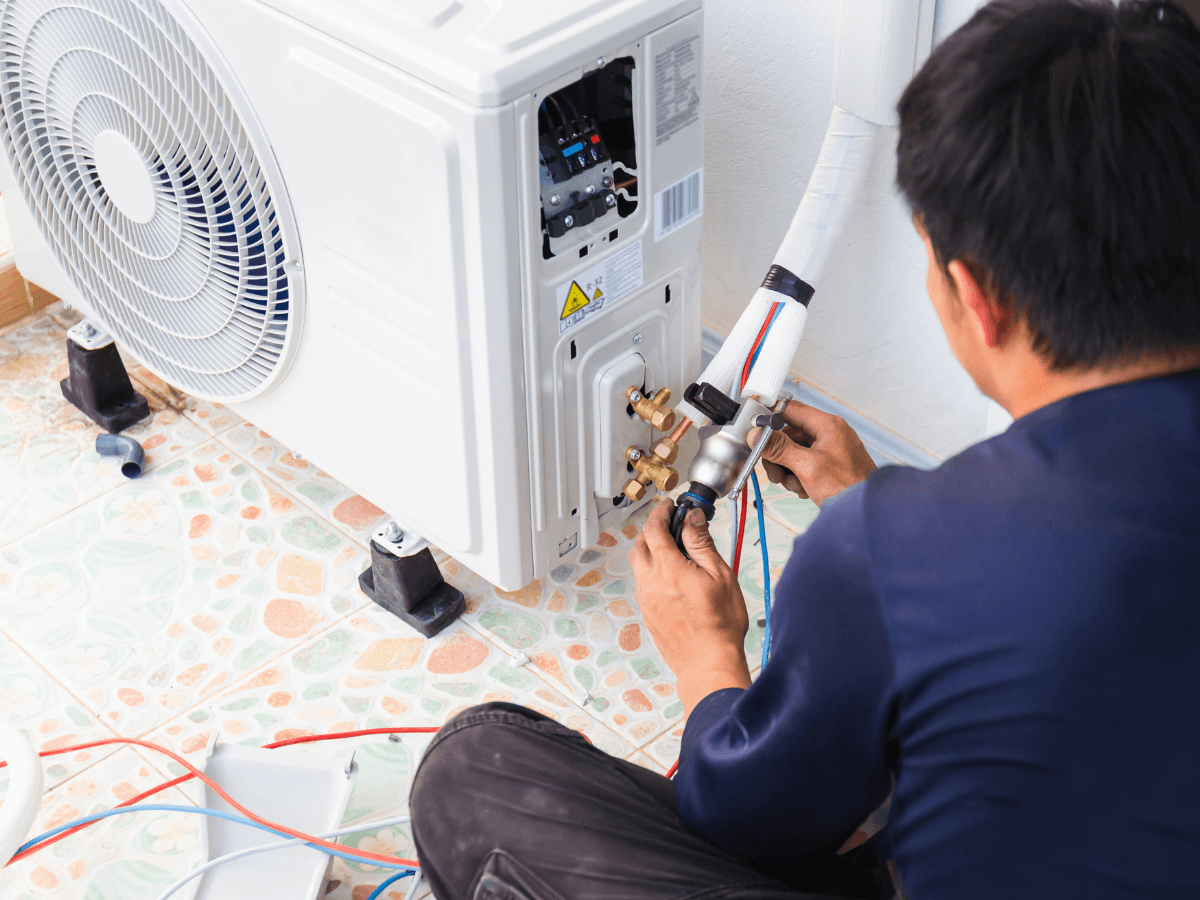
The refrigerant in an air conditioner depends largely on the system’s age and design. Atlanta homes may still have equipment using R-22 or R-410A, while newer systems are increasingly designed around lower-global-warming-potential refrigerants such as R-454B and R-32.
That distinction matters when an AC refrigerant recharge is needed. Refrigerants are not interchangeable, and an existing system must be serviced with the refrigerant it was designed to use.
A technician should identify the equipment type and refrigerant before deciding whether a leak repair, recharge, component replacement, or complete system upgrade makes the most sense.
R-22: Older Equipment With Increasing Service Limitations
R-22 was widely used in residential air conditioners manufactured before newer refrigerant requirements took effect. It is a hydrochlorofluorocarbon, or HCFC, that contributes to ozone depletion.
The United States ended production and import of new R-22 for servicing existing equipment in 2020. Existing R-22 systems can still be serviced using previously produced or reclaimed refrigerant, but homeowners with aging equipment may face practical questions about repair cost, refrigerant availability, and whether continued investment in an older system makes sense.
An R-22 leak does not automatically mean the air conditioner must be replaced. The age and overall condition of the equipment, severity and location of the leak, expected repair cost, and likelihood of additional failures should all factor into the decision.
For an older system already requiring frequent repairs, it may be useful to compare the repair with the longer-term economics of replacing an aging AC system.
R-410A: Still Common in Existing Atlanta Homes
R-410A became the dominant replacement for R-22 in residential air conditioning because it does not contain chlorine and therefore does not deplete the ozone layer. However, R-410A has a relatively high global warming potential. EPA lists its GWP at 2,088, which has made it a target of the broader transition toward lower-GWP refrigerants.
This transition does not mean an existing R-410A air conditioner suddenly becomes unusable. EPA permits R-410A components to continue being manufactured and sold for servicing existing equipment. The restrictions primarily affect new equipment and systems as the industry transitions away from higher-GWP HFCs.
So if an otherwise serviceable R-410A system develops a leak, an AC refrigerant recharge may still be an appropriate part of the repair after the leak has been diagnosed and addressed.
The bigger decision comes when an older R-410A system needs a major repair. In that situation, comparing the repair cost with the timing of an HVAC replacement can help homeowners decide whether continued investment in the existing equipment is practical.
R-454B and R-32: The New Generation of Residential Refrigerants
The residential HVAC market is now moving toward refrigerants with substantially lower global warming potential than R-410A. Two of the most prominent are R-454B and R-32.
EPA’s current GWP reference values place R-454B at 465, substantially below R-410A’s 2,088. R-32 is also among the refrigerants EPA recognizes for use in new residential and light-commercial air-conditioning and heat-pump equipment under specified conditions.
Under EPA’s Technology Transitions Program, new residential and light-commercial air-conditioning and heat-pump systems are subject to a GWP limit of 700.
The transition began affecting new equipment manufactured or imported starting January 1, 2025, although the precise rules around equipment installation and sell-through have continued to evolve.
For homeowners, the practical takeaway is straightforward: do not choose refrigerant independently from the equipment. New systems are engineered, labeled, and safety-tested for a particular refrigerant. R-454B, R-32, R-410A, and R-22 are not substitutes that can simply be swapped during service.
Homeowners considering new equipment can also look beyond refrigerant type and compare the broader benefits of energy-efficient HVAC systems, including compressor technology, efficiency ratings, system sizing, and long-term operating costs.
Why Newer Refrigerants Require Different Service Practices
Many lower-GWP refrigerants entering residential HVAC use fall into the A2L safety classification, meaning they have mildly flammable characteristics and require equipment, installation procedures, and service practices designed around those properties.
That does not make modern systems inherently unsafe when properly manufactured, installed, and serviced. It does mean technicians need appropriate training, tools, and procedures for the refrigerant and equipment they are working on.
Federal rules also govern refrigerant handling. Technicians who service equipment in ways that could release regulated refrigerants must meet applicable EPA certification requirements, and refrigerant cannot simply be intentionally vented during routine repair or disposal.
What Refrigerant Changes Mean for an AC Refrigerant Recharge
A recharge should begin with the equipment data plate and a proper diagnosis, not with selecting whatever refrigerant happens to be newest.
If the system is low, the technician needs to determine what refrigerant the equipment uses, why the charge dropped, whether the leak is repairable, and whether restoring the correct charge is worthwhile given the condition of the system.
For a relatively modern unit with a repairable leak, fixing the problem and completing an AC refrigerant recharge may be sensible. For an older R-22 or aging R-410A system facing a major refrigerant-related repair, replacement may deserve serious consideration.
That is where the refrigerant transition affects homeowners most. It is less about forcing functioning equipment out of service and more about changing the options available when today’s older systems eventually need significant repairs or replacement.
How Is an AC Refrigerant Leak Repaired and the System Recharged?

An AC refrigerant recharge should come near the end of the repair process, not at the beginning. If an air conditioner is low on refrigerant, the technician first needs to confirm that the charge is incorrect, determine why refrigerant was lost, and decide whether the leak can be repaired reliably.
That distinction matters because refrigerant circulates through a closed system. Adding refrigerant without addressing a leak may restore cooling temporarily, but it does not solve the underlying problem.
Step 1: Confirm That Refrigerant Is Actually Low
Poor cooling alone is not enough to justify a recharge. Restricted airflow, dirty coils, thermostat problems, compressor issues, and other mechanical faults can produce similar symptoms.
A technician typically evaluates system pressures and temperatures along with airflow and overall equipment operation. Refrigerant type also matters because each system is designed for a specific refrigerant and charge.
For ductless equipment, for example, proper refrigerant pressure and coil condition are part of diagnosing cooling problems. The same principle applies to conventional central air systems: diagnosis should establish what is wrong before refrigerant is added.
Step 2: Locate the Source of the Refrigerant Loss
Once low refrigerant is confirmed, the next task is finding where it escaped. Depending on the system and suspected leak location, a technician may use an electronic detector, leak-detection solution, ultraviolet dye, pressure testing, or a combination of methods.
Common leak locations can include refrigerant-line connections, service valves, evaporator coils, condenser coils, and other joints within the refrigerant circuit.
Very small leaks may take more time to locate than obvious failures. This is one reason a proper service visit can involve more diagnostic work than simply connecting gauges and adding refrigerant.
Step 3: Decide Whether the Leak Should Be Repaired
Not every refrigerant leak requires the same repair.
A leaking fitting may be relatively straightforward to correct, while a damaged evaporator or condenser coil can require replacement of a major component. The technician may also need to evaluate the age and condition of the air conditioner before recommending how much to invest in the repair.
This becomes particularly relevant for older systems. If the AC has already required repeated service calls, needs an expensive coil or compressor repair, or is approaching the end of its practical service life, comparing repair costs with the timing of an HVAC replacement can make more financial sense than automatically approving another major repair.
The best choice depends on the specific equipment, refrigerant, repair scope, and condition of the rest of the system.
Step 4: Repair the Refrigerant Circuit
Once the leak is located and the repair is considered worthwhile, the affected component or connection can be addressed.
Depending on the failure, this could involve repairing a connection, replacing a valve or damaged line section, or replacing a leaking coil. Refrigerant work must be performed using procedures appropriate for the equipment and refrigerant involved.
After the repair, the technician needs to verify that the refrigerant circuit is sealed before moving forward. Skipping this step risks completing an AC refrigerant recharge only to have the system lose refrigerant again.
Step 5: Evacuate the System Before Recharging
Repairing the leak can introduce air or moisture into the refrigerant circuit. Those contaminants need to be removed before the system is returned to normal operation.
Technicians use a vacuum pump to evacuate the sealed refrigerant circuit and prepare it for charging. This step is important because moisture and non-condensable gases can interfere with system operation and potentially contribute to future problems.
The process is more precise than simply releasing refrigerant into the system until the vent air feels cold.
Step 6: Add the Correct Refrigerant Charge
The technician then adds the refrigerant specified for the equipment in the appropriate amount. Manufacturers provide charging information for their systems, and technicians may use weight, pressure, temperature measurements, and other operating data to verify the final charge.
Too little refrigerant can leave the system unable to cool properly. Too much can also interfere with normal operation and place unnecessary stress on components.
An AC refrigerant recharge is therefore about restoring the correct charge, not simply “topping off” the system.
Step 7: Test Cooling Performance After the Repair
The job should conclude with an operational check. The technician may evaluate supply and return temperatures, pressures, airflow, compressor operation, and general cooling performance to confirm that the system is functioning correctly.
This final testing can also reveal whether another problem was contributing to the original symptoms. Poor airflow, for example, can reduce cooling performance even after the refrigerant charge has been corrected.
Keeping up with routine HVAC maintenance in Atlanta can help uncover developing airflow, coil, electrical, and refrigerant-related problems before they become emergency repairs.
A successful refrigerant repair is therefore a sequence: diagnose the performance problem, find the leak, repair it, verify the system is sealed, recharge it correctly, and test the results.
Treating the recharge as only one step in that larger process gives the air conditioner a much better chance of returning to reliable operation.
Finding Reliable AC Refrigerant Recharge and Leak Repair in Atlanta
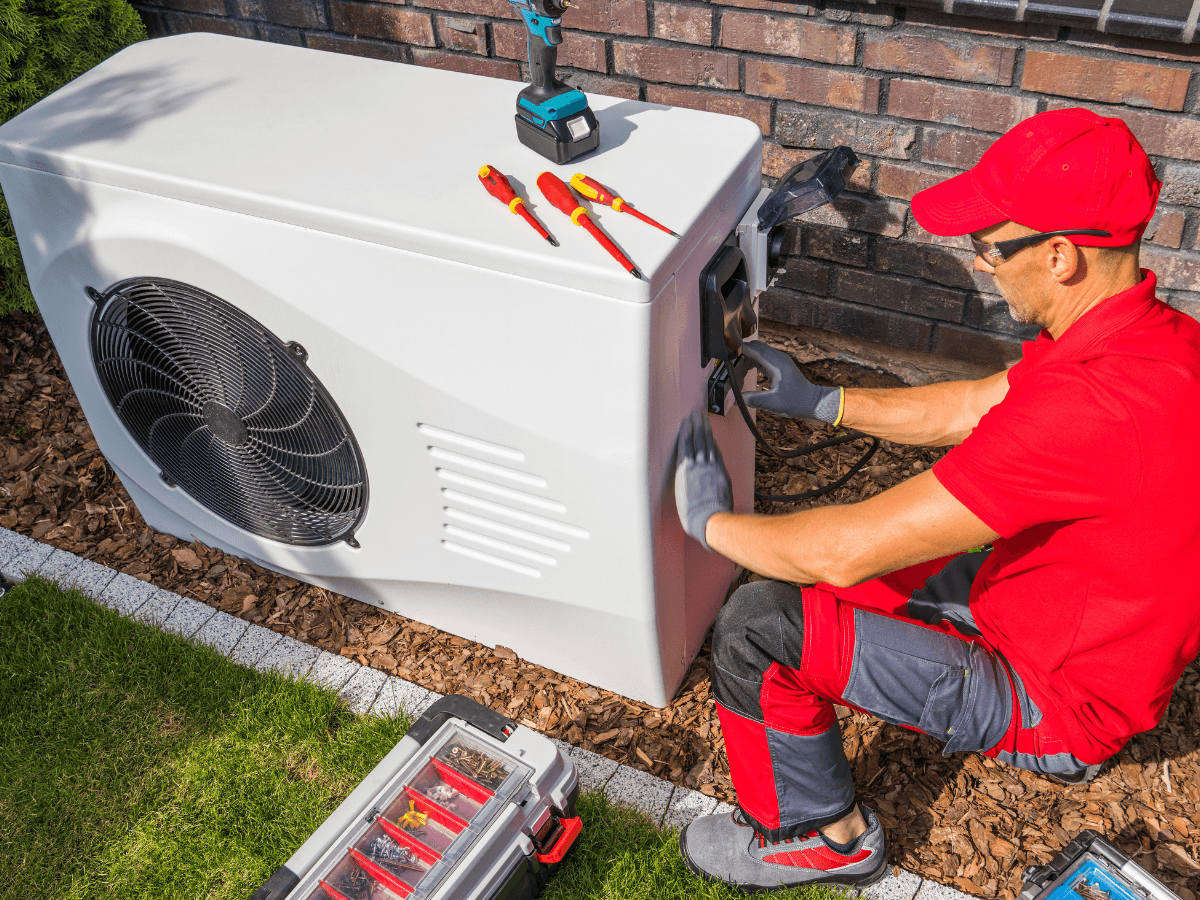
A refrigerant problem is one of those AC issues where the quality of the diagnosis matters as much as the repair itself.
A reputable HVAC contractor should determine why the system is underperforming before recommending an AC refrigerant recharge. Low refrigerant can indicate a leak, but weak cooling can also result from dirty coils, restricted airflow, electrical problems, or failing components.
For Atlanta homeowners, that makes technician experience, diagnostic practices, and clear communication more useful selection criteria than simply choosing the lowest recharge quote.
What to Look for in an Atlanta HVAC Contractor
Before scheduling refrigerant work, confirm that the contractor regularly handles air conditioning repair and replacement and can diagnose the complete cooling system rather than treating refrigerant as an isolated issue. inAir provides AC repair, replacement, and tune-up services throughout the Atlanta area.
A good service visit should leave you with clear answers to a few basic questions: Is the refrigerant actually low? Was a leak found? Where is it located? Can it be repaired? What refrigerant does the equipment require? Is the rest of the system in good enough condition to justify the repair?
Customer reviews can provide another useful signal, particularly when they describe specific experiences with diagnosis, pricing, communication, and follow-up rather than offering only a star rating.
Comparing written estimates can also help when a repair is substantial. Make sure you are comparing the same scope of work, since one quote may cover only refrigerant while another includes leak detection and component repair.
Preventive Maintenance Can Catch Refrigerant Problems Earlier
Routine maintenance cannot guarantee that an AC system will never develop a refrigerant leak. Corrosion, vibration, deteriorating connections, and component failures can still occur. What maintenance can do is create opportunities to identify performance changes before they turn into a complete loss of cooling.
A professional AC tune-up can include checks of refrigerant charge, airflow, electrical components, coils, condensate drainage, and other operating conditions. If measurements indicate that the system is not operating as expected, the technician can investigate further instead of waiting for cooling performance to deteriorate substantially.
Homeowners can support that process with a few simple habits:
- Replace or clean HVAC filters according to the system’s requirements.
- Keep vegetation and debris away from the outdoor condenser.
- Pay attention to longer cooling cycles, weak airflow, unusual noises, ice formation, or declining comfort.
- Schedule service when performance changes rather than repeatedly lowering the thermostat.
- Keep previous service records so a technician can see whether refrigerant-related problems have occurred before.
In Atlanta’s long cooling season, spring is a practical time to have the AC inspected before sustained summer demand arrives. A more detailed HVAC tune-up checklist can also help homeowners understand what a professional inspection may cover and which warning signs warrant earlier service.
What Determines AC Refrigerant Recharge and Leak Repair Costs?
There is no reliable flat price for an AC refrigerant recharge because the final cost depends on what the technician finds. The original $150 to $300 estimate is too narrow to present responsibly without knowing the equipment, refrigerant, amount required, and repair involved.
Pricing can be affected by:
- Refrigerant type: Older R-22 equipment may have different service costs and repair considerations than systems using R-410A or newer refrigerants.
- Amount of refrigerant needed: A system that has lost a substantial portion of its charge requires more refrigerant than one needing a smaller correction.
- Leak location: A service-valve problem is a different repair from a leaking evaporator or condenser coil.
- Diagnostic work: Small or intermittent leaks can take considerably more time to isolate.
- Replacement parts: Coil, line-set, valve, or other component repairs add to the total scope.
- System condition: Major refrigerant repairs on older equipment may prompt a repair-versus-replacement discussion.
This is another reason a price for “adding Freon” by itself does not tell homeowners much. The more useful estimate separates diagnosis, leak repair, refrigerant, parts, and labor so you can understand what you are paying to correct.
When Financing May Be Worth Considering
A straightforward leak repair and recharge may be manageable as a normal home repair expense. Financing becomes more relevant when diagnosis uncovers a costly component failure or an aging system that is no longer economical to repair.
inAir offers HVAC financing options through Synchrony Bank for approved applicants. Available options can include monthly payment arrangements and promotional financing, although homeowners should review the current terms and eligibility requirements before making a decision.
The important distinction is that financing should not drive the repair decision. First determine what failed and whether the system is worth repairing. If an AC refrigerant recharge can restore a sound system after a repairable leak, replacement may be unnecessary.
If the refrigerant problem is one of several expensive issues affecting an older unit, comparing both options can prevent money from being repeatedly invested in equipment approaching the end of its useful service life.
Conclusion
Low refrigerant can reduce your AC system’s cooling performance, increase energy use, and place added strain on important components.
Because refrigerant loss often points to a leak rather than normal system operation, professional diagnosis and repair are essential before simply recharging the system.
Addressing the underlying problem can help restore efficient cooling, prevent further damage, and keep your Atlanta home comfortable during the hottest months.
For professional AC refrigerant recharge, leak detection, and HVAC repair services, choose inAir Heating & Air. If your AC is struggling to keep your home cool or you suspect a refrigerant leak, call (770) 233-7777 to speak with the team at inAir Heating & Air or fill out the website form to submit your HVAC request today.