



One of the biggest advantages of a ductless mini-split is precise, room-by-room comfort, so when one zone stops cooling properly, starts making unusual noises, or suddenly drives up energy use, the difference can be hard to ignore.
Even small performance changes may point to problems that deserve attention before they become more disruptive.
Professional ductless mini-split repair services in Atlanta can address issues ranging from refrigerant leaks and clogged drain lines to faulty sensors, electrical problems, and malfunctioning compressors.
Because these systems operate differently from traditional central HVAC equipment, accurate diagnosis is essential for restoring efficient performance.
Knowing the common warning signs, repair options, and maintenance needs of mini-splits can help Atlanta homeowners resolve problems sooner and keep their systems delivering dependable, energy-efficient comfort.
Ductless Mini-Split Repair Services for Atlanta Homes
What Ductless Mini-Split Repair Solutions Address Common System Problems?

A ductless mini-split can stop cooling or heating properly for many reasons, and similar symptoms do not always point to the same failure. Weak airflow might come from a dirty filter, an obstructed indoor unit, or a fan problem. Poor cooling could involve airflow, refrigerant, sensors, electrical components, or the outdoor unit.
That is why effective ductless mini-split repair starts with diagnosis rather than replacing parts based on symptoms alone. Homeowners can safely check a few basics, but refrigerant, electrical, compressor, and internal control problems generally require professional testing.
Poor Cooling or Heating Can Have Several Causes
A mini-split that runs but does not bring the room to the set temperature may have a relatively simple airflow problem or a more technical fault.
Before scheduling repair, homeowners can:
- Confirm the unit is in the correct heating or cooling mode.
- Check that the temperature setting is appropriate.
- Clean or inspect accessible filters according to the manufacturer’s instructions.
- Make sure furniture, curtains, or other objects are not blocking the indoor unit.
- Check whether the outdoor unit is obstructed by leaves or debris.
If performance remains poor after these basic checks, the problem may involve the refrigerant circuit, sensors, fan components, coils, controls, or compressor.
Understanding how ductless mini-split systems provide individual-zone heating and cooling can also make it easier to recognize when one indoor unit is malfunctioning while the rest of a multi-zone system continues to operate.
Refrigerant Problems Require Professional Diagnosis
Refrigerant should circulate through a closed system. A mini-split should not routinely need refrigerant added simply because it has been operating for several years.
Reduced cooling or heating, unusual operating behavior, or ice forming on parts of the system can occur when refrigerant conditions are abnormal, but those symptoms are not proof of a leak. Airflow restrictions and other faults can sometimes produce similar effects.
A technician may need to measure system pressures and temperatures, inspect the refrigerant circuit, locate any leak, repair the source, and restore the refrigerant charge according to the equipment specifications.
Simply adding refrigerant without addressing a confirmed leak does not correct the underlying problem.
Electrical and Control Problems Can Prevent Normal Operation
Modern mini-splits rely on electronic controls, sensors, communication wiring, circuit boards, fan motors, and other electrical components. A failure in any of these areas can produce symptoms such as:
- A unit that will not start
- An indoor unit that stops responding to commands
- Intermittent operation
- A system that shuts down unexpectedly
- One zone behaving differently from the others
- Error codes displayed on the indoor unit or remote
Homeowners can check the remote batteries, operating mode, and circuit breaker. If a breaker has tripped, resetting it once may help determine whether the event was isolated. A breaker that trips again should not be repeatedly reset because an electrical fault may be present.
Opening electrical panels, testing energized components, or repairing internal wiring should be left to a qualified HVAC technician.
Compressor Problems Need Careful Testing Before Replacement
The compressor is a major component of the outdoor unit, but poor system performance does not automatically mean the compressor has failed.
Control problems, electrical issues, incorrect refrigerant conditions, sensor faults, or other components can prevent a compressor from operating normally. Accurate testing matters because replacing a compressor can be a substantial repair.
A technician may evaluate electrical readings, operating conditions, refrigerant performance, and the system’s control signals before determining whether the compressor itself is defective.
For older equipment or a system facing a major component failure, it can also be worth comparing the repair cost with replacement rather than approving an expensive repair automatically.
Broader air conditioning repair and replacement considerations can help homeowners think about that decision in terms of equipment condition, recurring problems, and expected future use.
Installation Problems Can Look Like Repair Problems
Not every poorly performing mini-split has a failed component.
Installation-related issues may become apparent soon after installation or gradually as operating conditions change. Potential problems can involve drainage, refrigerant line installation, electrical connections, indoor unit placement, system sizing, or communication between components.
Possible warning signs include persistent water leakage, unusual vibration, recurring fault codes, inconsistent temperatures, or a system that has never performed as expected. These symptoms still require proper diagnosis. Uneven cooling alone, for example, does not prove that the equipment was installed incorrectly.
Safe Troubleshooting Homeowners Can Try First
Before requesting ductless mini-split repair, a few basic checks can rule out common operating issues:
- Verify the remote or controller settings.
- Inspect and clean accessible filters.
- Make sure indoor and outdoor airflow is unobstructed.
- Look for a displayed error code and consult the owner’s manual.
- Check whether other indoor zones are experiencing the same problem.
- Confirm that the circuit breaker has not tripped.
- Note unusual sounds, odors, leaks, or changes in performance.
These observations are also useful when speaking with a technician because they help narrow down when and how the problem occurs.
Stop troubleshooting if the unit repeatedly trips a breaker, gives off a burning smell, shows signs of electrical damage, leaks refrigerant or another unidentified substance, or continues operating abnormally despite basic checks.
The most effective ductless mini-split repair is based on finding the actual cause of the problem. Safe homeowner checks can resolve simple setting or maintenance issues, but refrigerant work, electrical diagnosis, internal controls, and major component repairs require the proper tools and technical expertise.
When Does a Mini-Split Problem Require Emergency Repair?
Not every mini-split malfunction is an emergency. A system that is cooling less effectively than usual may need prompt service, but a burning smell, repeated electrical failure, active water leakage, or other signs of a potentially unsafe condition deserve much faster attention.
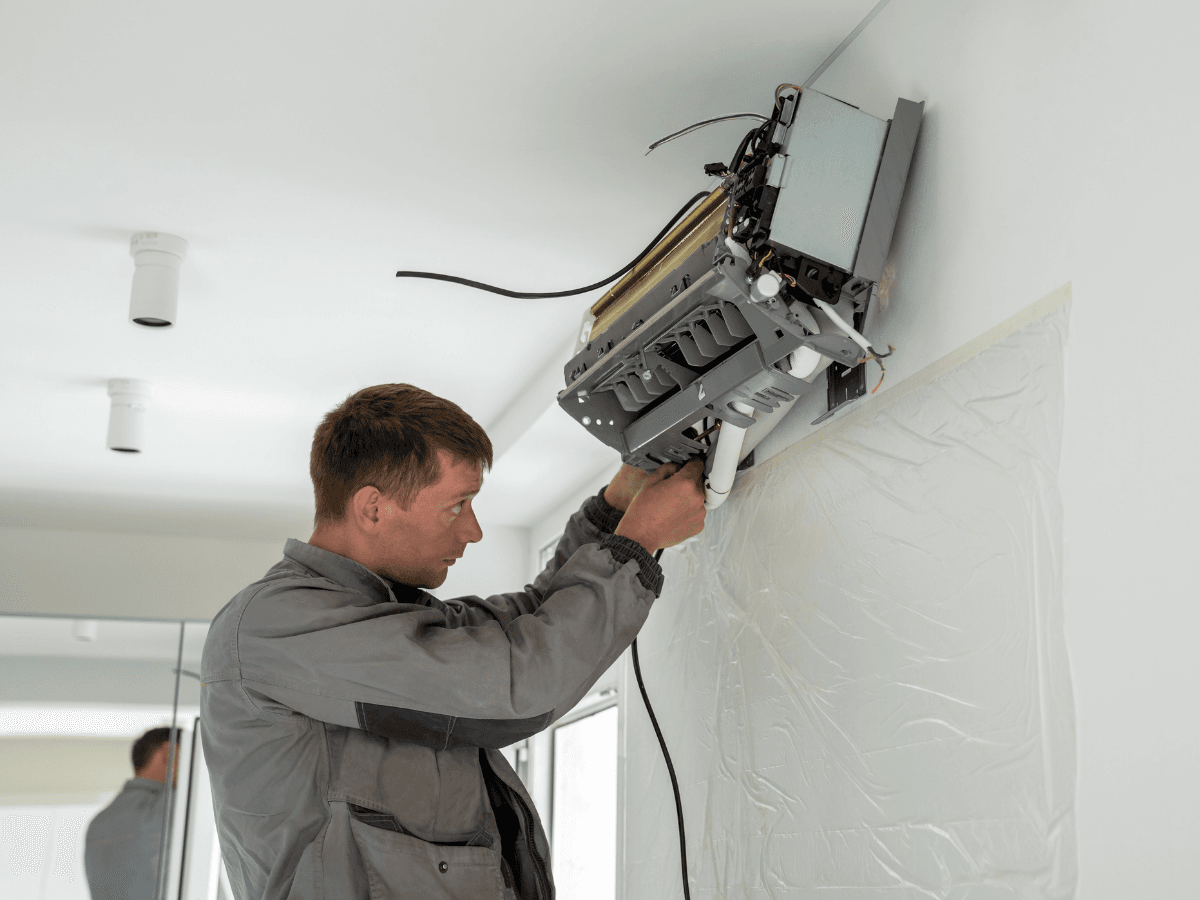
The first priority is determining whether it is safe to keep the equipment running. If there are signs of electrical damage, overheating, smoke, or another immediate hazard, turn the system off if you can do so safely and arrange professional ductless mini-split repair rather than continuing to troubleshoot it.
Shut the System Down for Burning Odors or Electrical Warning Signs
A faint odor after a system has been unused for a while is different from a persistent burning or electrical smell.
Turn the mini-split off and request prompt HVAC service if you notice:
- A burning or melting-plastic odor
- Smoke near an indoor or outdoor unit
- Visible scorching around electrical components
- Buzzing or arcing sounds
- A circuit breaker that repeatedly trips
- An indoor or outdoor unit that appears to be overheating
Do not repeatedly reset a breaker to keep the system operating. A tripped breaker can indicate an electrical fault, and continued resets may expose the equipment to further damage.
Homeowners should also avoid opening electrical panels or attempting to repair wiring themselves.
Water Leaks Need Attention Before They Cause Property Damage
A small amount of condensation is normal within a functioning cooling system, but water should be routed away through the condensate drainage system rather than collecting on walls or floors.
Water dripping from an indoor mini-split may result from a clogged or damaged condensate drain, drainage installation problem, frozen coil, or another fault.
Turn the affected unit off if water is approaching electrical components or causing active damage to drywall, flooring, furniture, or other materials.
Not every leak requires emergency service in the middle of the night, but a continuing leak should not be ignored simply because the system still cools. Containing the water and arranging repair can prevent a relatively small HVAC problem from becoming a larger home repair.
Unusual Noises Are More Urgent When They Are Sudden or Severe
Mini-splits normally produce some operating noise. A new grinding, screeching, banging, or strong buzzing sound is different from the soft airflow and compressor sounds expected during normal operation.
Sudden mechanical noises can point to fan problems, loose components, electrical faults, or other internal failures. Turn the affected unit off if the noise is severe, accompanied by vibration, or begins at the same time as reduced performance or an unusual odor.
Minor rattling may come from a loose cover or debris, but avoid removing internal panels to investigate while the equipment is energized.
A Complete Loss of Cooling Is Not Always an Emergency
An Atlanta home losing air conditioning during very hot weather can become uncomfortable quickly, but a system that simply stops cooling is not automatically unsafe.
First check the operating mode, temperature setting, remote batteries, filters, and circuit breaker. If the mini-split still will not operate, professional diagnosis is appropriate.
The urgency depends partly on the household. Older adults, infants, people with certain health conditions, and homes that heat rapidly may need cooling restored sooner than households that have another safe way to maintain comfortable indoor temperatures.
InAir lists 24-hour emergency AC service among its Atlanta-area HVAC services, which may be useful when a cooling failure cannot reasonably wait for a standard appointment.
Refrigerant Problems Should Not Be Diagnosed From Symptoms Alone
Weak cooling, ice buildup, unusual sounds, and longer operating cycles can occur with refrigerant-related problems, but none of these symptoms confirms a refrigerant leak by itself.
If you suspect a leak, do not attempt to add refrigerant or open the refrigerant circuit. Refrigerant diagnosis and handling require appropriate equipment and technical knowledge.
A qualified technician can determine whether the problem actually involves refrigerant, identify the source of a confirmed leak, complete the necessary repair, and evaluate the system afterward.
What Happens During an Emergency Mini-Split Repair?
Emergency ductless mini-split repair should begin with diagnosis rather than immediate component replacement.
The technician will typically ask what happened, when the symptoms started, whether the problem affects one zone or the entire system, and whether any error codes appeared. The system can then be inspected and tested based on those symptoms.
Depending on the fault, the service may involve:
- Safety Assessment: Checking for electrical hazards, overheating, leakage, or other conditions that make continued operation unsafe.
- System Diagnosis: Testing the components related to the reported symptom rather than assuming the cause.
- Immediate Repair or Stabilization: Completing a repair when the necessary parts and conditions allow, or safely disabling the affected equipment when a permanent repair cannot be completed immediately.
- Operational Testing: Running the system after the repair to confirm that the original problem has been addressed and that the equipment is operating normally.
An emergency visit does not always mean a complete repair can be finished during the first appointment. Specialty components or manufacturer-specific parts may need to be ordered.
Know When Repair Can Wait for a Standard Appointment
Issues such as slightly reduced performance, minor noises, a remote-control problem, or a maintenance reminder may be suitable for a regular service appointment when no safety risk or active property damage is present.
Emergency service is more appropriate when continuing to run the system may be unsafe, water is actively damaging the home, there are strong electrical warning signs, or loss of heating or cooling creates an urgent household concern.
For homeowners in Metro Atlanta, checking whether the property falls within the company’s HVAC service area can also help avoid delays when arranging urgent service.
Knowing that distinction keeps emergency ductless mini-split repair focused where it matters most. If the system behaves unusually but remains safe to leave off, shut it down and arrange professional diagnosis.
If there is smoke, a burning odor, repeated electrical failure, or another immediate hazard, prioritize safety first and address the HVAC problem second.
How Performance Changes Can Help Identify Mini-Split Problems
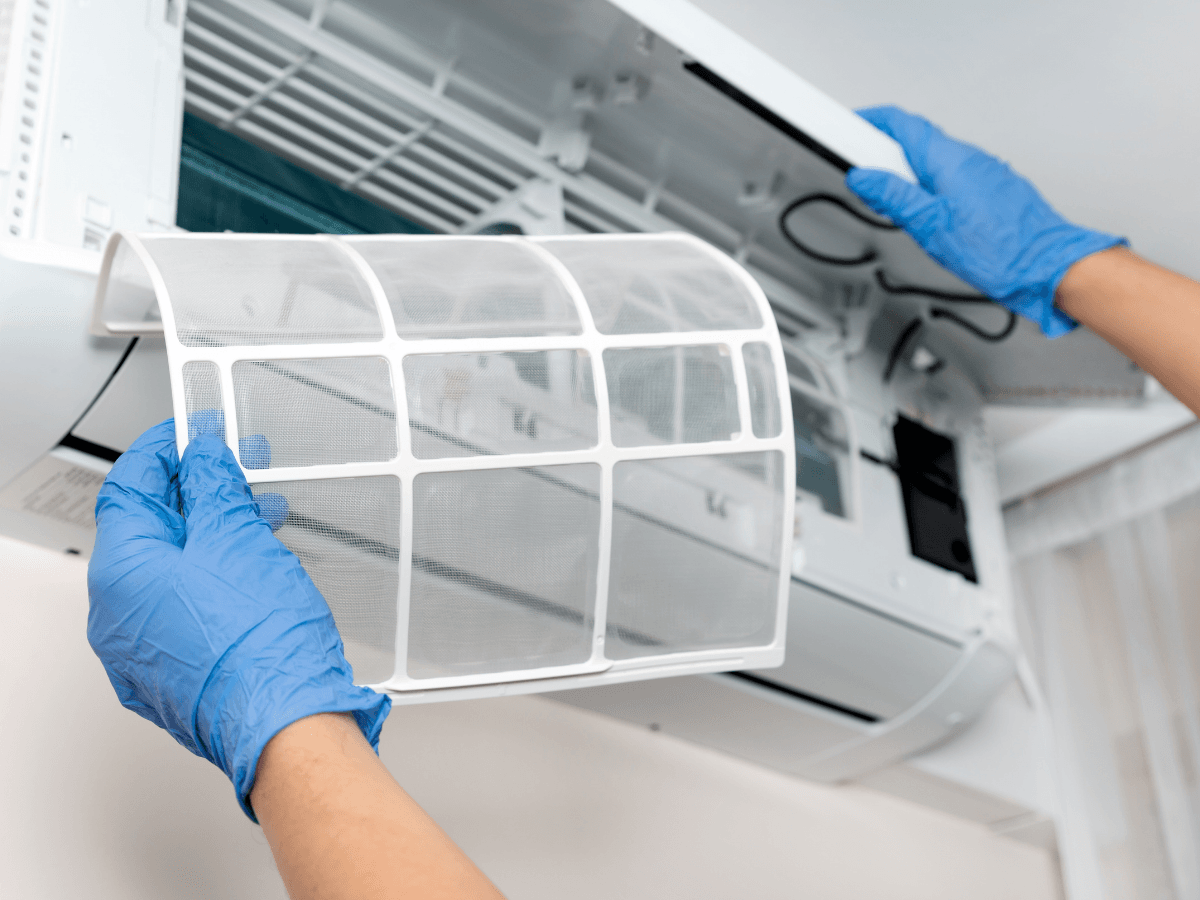
A ductless mini-split does not need to stop working completely before something is wrong. Changes in how long it runs, how evenly it maintains temperature, how much airflow reaches the room, or how often it cycles can provide useful clues that the system needs attention.
Because mini-splits use variable-speed technology and individual zone controls, normal operation can look different from that of a conventional central air conditioner. Long, low-speed run times are not necessarily a problem. In many cases, that is how the equipment maintains a steady temperature efficiently.
The more useful question is whether the system is behaving differently from its normal pattern.
Watch for Changes in Comfort and Operating Behavior
A developing problem may first show up as a performance change rather than a complete breakdown.
Signs worth investigating include:
- A room taking much longer than usual to reach the set temperature
- One indoor unit performing differently from other zones
- Weak or inconsistent airflow
- Frequent stopping and restarting
- Unexplained ice formation
- New error codes
- A noticeable increase in operating noise
- Energy use rising without an obvious change in weather or household habits
These symptoms do not identify the failed component by themselves. A clogged filter, dirty coil, sensor issue, refrigerant problem, fan fault, control malfunction, or installation problem can sometimes produce similar effects.
That is why ductless mini-split repair should focus on measurable system performance rather than replacing parts based only on one symptom.
Efficiency Ratings Do Not Measure the Condition of an Existing System
The original draft’s claim that mini-splits commonly have SEER ratings above 20 is too broad to be useful, particularly because current residential efficiency comparisons use SEER2 rather than relying solely on the older SEER metric.
SEER2 measures seasonal cooling efficiency under standardized test conditions. HSPF2 applies to seasonal heating performance for heat pumps, while EER2 reflects cooling efficiency under a defined operating condition.
ENERGY STAR’s current criteria, for example, require qualifying split-system heat pumps to meet minimum SEER2 and other efficiency thresholds.
Those ratings are useful when comparing equipment, but they do not tell homeowners whether an installed mini-split is currently performing at its rated efficiency.
Dirty filters, restricted airflow, coil contamination, incorrect refrigerant conditions, sensor problems, or other faults can affect real-world performance. Regular preventive HVAC maintenance can help identify developing issues before they cause a larger loss of comfort or reliability.
Variable-Speed Operation Can Look Different From Traditional HVAC Cycling
Many modern mini-splits use inverter-driven compressors that can adjust capacity instead of operating only at full output or shutting off completely.
Once the room approaches the desired temperature, the system may reduce its output and continue operating at a lower level. That can provide steadier temperatures and avoid some of the repeated full-capacity starts associated with simpler equipment designs.
ENERGY STAR also notes that ductless heat pumps are designed for zone-specific heating and cooling and recommends steady temperature settings rather than frequent setbacks for efficient operation.
This matters during troubleshooting. A mini-split running for long periods is not automatically short-cycling or inefficient. A sudden change from its established operating pattern is more informative than run time alone.
Error Codes Can Narrow the Search, but They Are Not a Complete Diagnosis
Modern mini-splits often monitor numerous operating conditions through sensors and electronic controls. When the system detects certain faults, it may display an error code or use indicator lights to communicate the problem.
That information can give a technician a useful starting point. Depending on the manufacturer and model, codes may relate to communication faults, temperature sensors, fan operation, refrigerant-system conditions, electrical problems, or other monitored components.
Homeowners can record the code and consult the owner’s manual, but clearing the code repeatedly without identifying its cause can hide an ongoing problem. A fault code tells the technician where to investigate. It does not necessarily prove which component needs replacement.
Smart Diagnostics Are Becoming More Capable, but They Vary by System
“Smart diagnostics” should not be treated as a universal feature of every mini-split.
Newer communicating HVAC equipment can provide more detailed fault information than older systems. Some systems can store operating faults, communicate between indoor and outdoor components, or perform programmed system tests.
Current ENERGY STAR requirements for qualifying communicating heat-pump controls include capabilities such as system discovery and stored faults during certain setup tests. Other equipment may provide only basic error codes, while older models may offer relatively little onboard diagnostic information.
Technicians therefore still rely on physical inspection and measurements such as temperatures, electrical readings, airflow conditions, refrigerant-system performance, and manufacturer-specific diagnostic procedures.
Smart data can make troubleshooting more targeted, but it does not replace technical testing.
Energy Monitoring Can Reveal Patterns Worth Investigating
A sudden increase in electricity use can justify a closer look, but it should not automatically be blamed on the mini-split. Outdoor temperature, humidity, thermostat settings, additional occupied rooms, longer operating hours, and changing electricity rates can all affect monthly bills.
Where a smart thermostat, energy monitor, or compatible mini-split app provides usage information, compare similar periods rather than relying on one high bill.
In Atlanta, seasonal weather changes can significantly alter HVAC demand, so local climate and HVAC performance should be considered before concluding that equipment efficiency has declined.
If energy use rises at the same time as weaker comfort, unusual cycling, icing, or new noises, the combination provides a stronger reason to schedule an inspection.
Good Diagnostics Reduce Guesswork During Repair
The practical value of modern diagnostics is not simply faster repair. It is better fault isolation. A technician who combines system codes, operating history, homeowner observations, and direct measurements can distinguish between problems that look similar from the living room.
That can reduce unnecessary component replacement and help determine whether the underlying issue involves maintenance, controls, airflow, electrical operation, refrigeration, or a mechanical component.
For homeowners, the best preparation is simple: note when the problem began, which zones are affected, any displayed codes, unusual sounds or leaks, and whether the system’s operating pattern has changed.
Those details give ductless mini-split repair a more useful starting point than a vague report that the unit “isn’t working right.”
How Preventive Maintenance Can Reduce Mini-Split Repair Needs
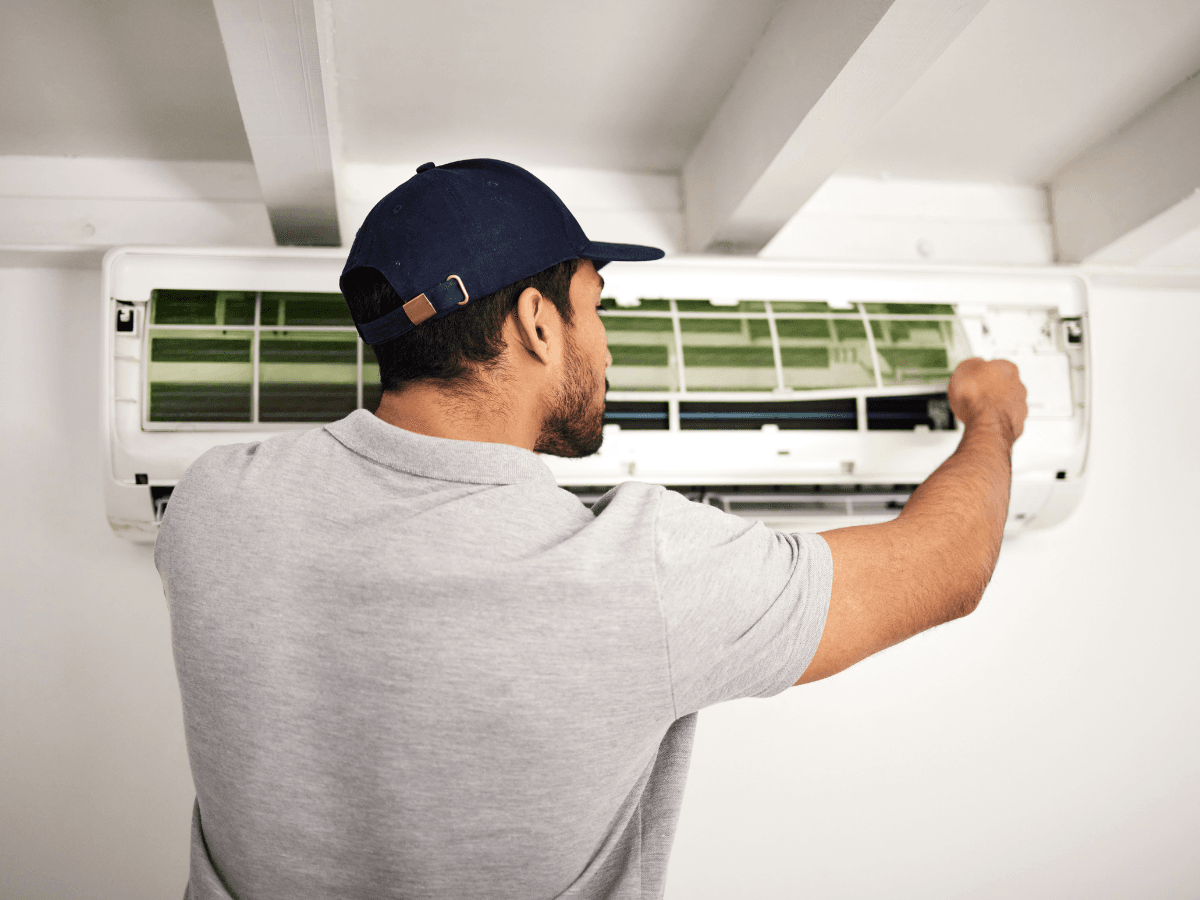
Preventive care cannot guarantee that a ductless system will never break down. Components wear, electronics can fail, and refrigerant leaks or other faults may develop even in well-maintained equipment.
What maintenance can do is reduce avoidable strain and give technicians opportunities to catch developing problems before they become larger repairs.
For homeowners, the most useful approach is to separate routine tasks that can be handled safely from inspections that require HVAC equipment and technical testing. That makes maintenance more practical without turning normal upkeep into unnecessary DIY repair work.
Clean Filters Based on Actual Use and Manufacturer Guidance
Filters are one of the few mini-split components homeowners can usually maintain themselves.
Dust buildup restricts airflow through the indoor unit. If a filter becomes heavily clogged, the system may have to work harder to move conditioned air through the room, and cooling or heating performance can decline.
The original recommendation to clean or replace every filter every one to three months is too rigid for ductless equipment. Maintenance intervals vary by model, household conditions, and filter design.
Some reusable mini-split filters may need attention more frequently during heavy use, while disposable or specialty filters have their own replacement schedules.
Check the manufacturer’s instructions and inspect filters regularly. Homes with pets, renovation dust, frequent open windows, or high indoor particle levels may need more frequent cleaning.
Cleaning a filter is also different from cleaning the entire indoor air handler. If debris has accumulated deeper inside the blower, coil, or other internal components, professional servicing may be appropriate.
Keep the Outdoor Unit Clear Without Damaging the Coil
The outdoor condenser needs unrestricted airflow to exchange heat effectively.
Periodically check for leaves, grass clippings, vegetation, mulch, or other debris collecting around the cabinet. Keep plants from growing directly against the unit and avoid stacking household items nearby.
Homeowners can remove loose surface debris around the equipment, but aggressive pressure washing is not a substitute for professional coil cleaning. Condenser fins can be bent or damaged, and electrical components should not be exposed unnecessarily to water.
After storms or landscaping work, a quick visual check is particularly worthwhile because debris can accumulate suddenly rather than gradually.
Refrigerant Is Not a Routine Maintenance Item for Homeowners
One of the biggest problems with the original maintenance advice is the instruction to “check refrigerant levels” regularly.
A ductless system operates with a sealed refrigerant circuit. Refrigerant is not consumed like fuel and should not require routine topping off under normal conditions.
Homeowners should watch for symptoms such as declining performance, unusual icing, or other changes in operation, but those signs do not confirm low refrigerant by themselves.
Checking refrigerant pressures, locating leaks, opening the refrigeration circuit, or adding refrigerant belongs in professional HVAC service. If a technician determines that refrigerant is low, the underlying reason should be investigated rather than treating repeated recharging as normal maintenance.
Keep Condensate Drainage on the Maintenance List
Cooling naturally produces condensation, which must drain away from the indoor unit.
A partially blocked condensate line can eventually cause dripping, water staining, odors, or shutdowns. Because drainage problems may develop gradually, they can be missed until water becomes visible.
Watch for moisture around the indoor unit and note any change in drainage behavior. During professional service, condensate components can be inspected and cleared when necessary.
This is particularly useful in humid climates, where cooling equipment may produce substantial condensation during long periods of operation.
Use Performance Changes as Maintenance Clues
Maintenance should not be based only on a calendar.
Pay attention to how the system normally sounds, feels, and operates. A mini-split that suddenly takes longer to condition a room, develops weak airflow, produces a new vibration, or struggles to maintain its set temperature deserves attention even if the next scheduled service visit is months away.
Other changes worth noting include:
- New or recurring error codes
- Water around an indoor unit
- Persistent odors
- Unusual fan noise
- Frequent cycling that differs from normal operation
- One zone performing differently from the others
These observations do not diagnose the problem, but they can help identify when routine maintenance has shifted into ductless mini-split repair territory.
Know What a Professional Mini-Split Inspection Should Cover
Professional maintenance should go beyond changing a filter and looking at the thermostat.
The exact checklist depends on the equipment, but a technician may inspect electrical connections, coils, fan components, sensors, condensate drainage, refrigerant-system performance, and the outdoor unit while testing overall operation.
A broader HVAC tune-up checklist can help homeowners understand the difference between a superficial visit and a more complete inspection. For a ductless system specifically, it is also worth asking whether the technician has experience with the equipment’s manufacturer and configuration.
Multi-zone systems, communicating controls, and inverter-driven components can require diagnostic procedures that differ from those used on conventional central air conditioners.
Schedule Maintenance Around Use, Not an Arbitrary Rule
An annual professional inspection is a reasonable starting point for many systems, but the ideal schedule depends on equipment use, manufacturer recommendations, household conditions, and whether the mini-split provides both heating and cooling.
A system used heavily throughout the year may benefit from more frequent professional attention than equipment serving a rarely occupied room.
Maintenance history matters too. If technicians repeatedly find clogged drains, heavily contaminated filters, or other recurring problems, the service interval may need to change.
Preventive care works best when it combines simple homeowner tasks with periodic professional inspection. Cleaning accessible filters, keeping the outdoor unit clear, monitoring drainage, and noticing changes in performance can reduce avoidable problems.
Professional testing handles the components that should not be treated as DIY maintenance. That approach will not eliminate every future ductless mini-split repair, but it can make unexpected failures less likely and give smaller problems a better chance of being identified before they become more disruptive.
What Affects Ductless Mini-Split Repair Costs in Atlanta?
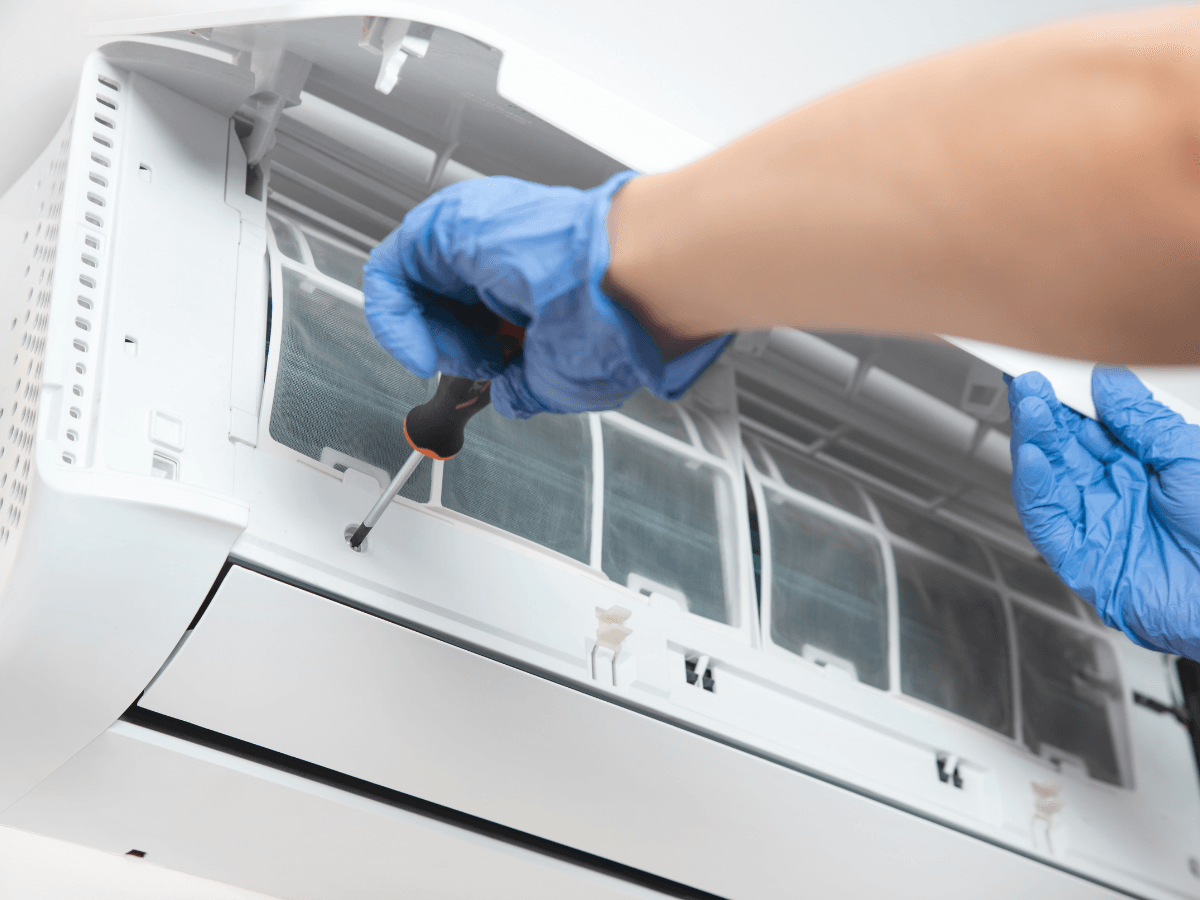
There is no reliable flat price for ductless mini-split repair because the cost depends on what failed, how difficult the problem is to diagnose, which components are required, and the specific equipment being serviced.
A minor electrical or control issue may cost substantially less than a major compressor or refrigerant-system repair, while manufacturer-specific parts can change the final price considerably.
For Atlanta homeowners, a better approach is to understand what goes into the estimate and compare the repair cost with the condition and expected remaining life of the system.
The Type of Failure Usually Has the Biggest Effect on Cost
Not all mini-split repairs require the same amount of labor or equipment.
Relatively straightforward problems may involve sensors, controls, condensate drainage, fan components, or electrical connections. More involved repairs can require refrigerant leak detection, circuit-board replacement, compressor work, or specialized parts for a particular manufacturer.
Diagnostic time matters too. A clearly failed component may be identified quickly, while intermittent communication errors or performance problems can require more extensive testing.
Before approving ductless mini-split repair, ask the technician to separate the diagnosis from the proposed solution. A useful estimate should identify:
- The problem that was found
- The component or system involved
- Parts and labor included in the repair
- Any additional diagnostic or service-call charges
- Whether more testing could change the estimate
- Applicable parts or labor warranties
A detailed scope makes it easier to compare estimates without focusing only on the bottom-line number.
Multi-Zone Systems Can Make Diagnosis More Complicated
The configuration of the mini-split can also affect repair costs.
A single-zone system has one indoor unit paired with one outdoor unit. Multi-zone systems connect several indoor units to one outdoor system, which can make troubleshooting more involved when the problem concerns communication, refrigerant distribution, controls, or the outdoor unit itself.
If only one room is affected, the fault may be isolated to that indoor unit. If several zones develop problems simultaneously, the technician may need to investigate shared components.
That does not automatically mean a multi-zone repair will be expensive. It simply means the system design should be considered when comparing labor estimates and diagnostic findings.
Repair Cost Should Be Considered Alongside System Condition
The least expensive immediate option is not always the best long-term choice.
For a relatively new mini-split with a single repairable fault, fixing the existing system may be straightforward. The decision becomes less obvious when the equipment has experienced repeated breakdowns, needs a major component, or already struggles to meet the home’s heating and cooling needs.
In those situations, compare:
| Factor | Repair May Make More Sense | Replacement Deserves Consideration |
|---|---|---|
| Repair history | Few previous problems | Repeated recent repairs |
| Current performance | System otherwise works well | Persistent comfort problems |
| Repair scope | Limited component repair | Major component failure |
| Parts availability | Parts readily available | Parts difficult or costly to obtain |
| System condition | Equipment generally sound | Multiple components showing wear |
Replacement should not be recommended simply because a repair is expensive. Likewise, continuing to repair aging or unreliable equipment solely because each individual repair appears cheaper can become costly over time.
Homeowners weighing a major repair can also consider broader HVAC repair-versus-replacement timing before committing to either option.
Financing Makes More Sense for Larger Expenses Than Routine Repairs
Financing can help when a necessary HVAC expense would otherwise require a large upfront payment, but it should not automatically be used for every ductless mini-split repair.
For smaller repairs, paying directly may be simpler and less expensive. Financing becomes more relevant when the repair is substantial or when replacement becomes the better long-term option.
InAir currently lists HVAC financing through Synchrony Bank, including financing options that may provide promotional terms, monthly payment arrangements, and an approved line of credit.
Availability and terms depend on credit approval and the specific financing offer, so homeowners should review the actual agreement before applying.
Current HVAC financing options can be compared with other ways of covering the expense rather than assuming the contractor’s plan is automatically the best choice.
Compare the Full Financing Cost, Not Just the Monthly Payment
A manageable monthly payment can make a large repair feel more affordable, but payment size does not reveal the total cost.
Before accepting financing, check:
- Interest rate or promotional interest terms
- Length of the repayment period
- Minimum monthly payment
- Total amount financed
- Any fees
- Whether deferred-interest terms apply
- What happens if the promotional balance is not paid by the deadline
- Whether early repayment is allowed without penalty
A long repayment period may lower the monthly payment while increasing the total amount paid. Credit cards and personal loans are additional possibilities, but their rates and terms vary widely. Comparing the annual percentage rate and total repayment amount gives a clearer picture than comparing monthly payments alone.
Get the Diagnosis Before Deciding How to Pay
Financing should come after the repair decision, not before it. First determine what is wrong with the mini-split, what the repair includes, whether the quoted price is reasonable, and whether repairing the existing equipment makes sense. Then decide how to fund that work.
For a significant ductless mini-split repair, homeowners may also want a written estimate before authorizing the job, especially if expensive components are involved. If replacement is presented as the alternative, ask for both options in enough detail to compare their immediate and longer-term costs.
That sequence keeps the financial decision tied to the actual condition of the equipment rather than allowing an attractive monthly payment to drive the HVAC decision.s.
How to Choose a Ductless Mini-Split Repair Provider in Atlanta
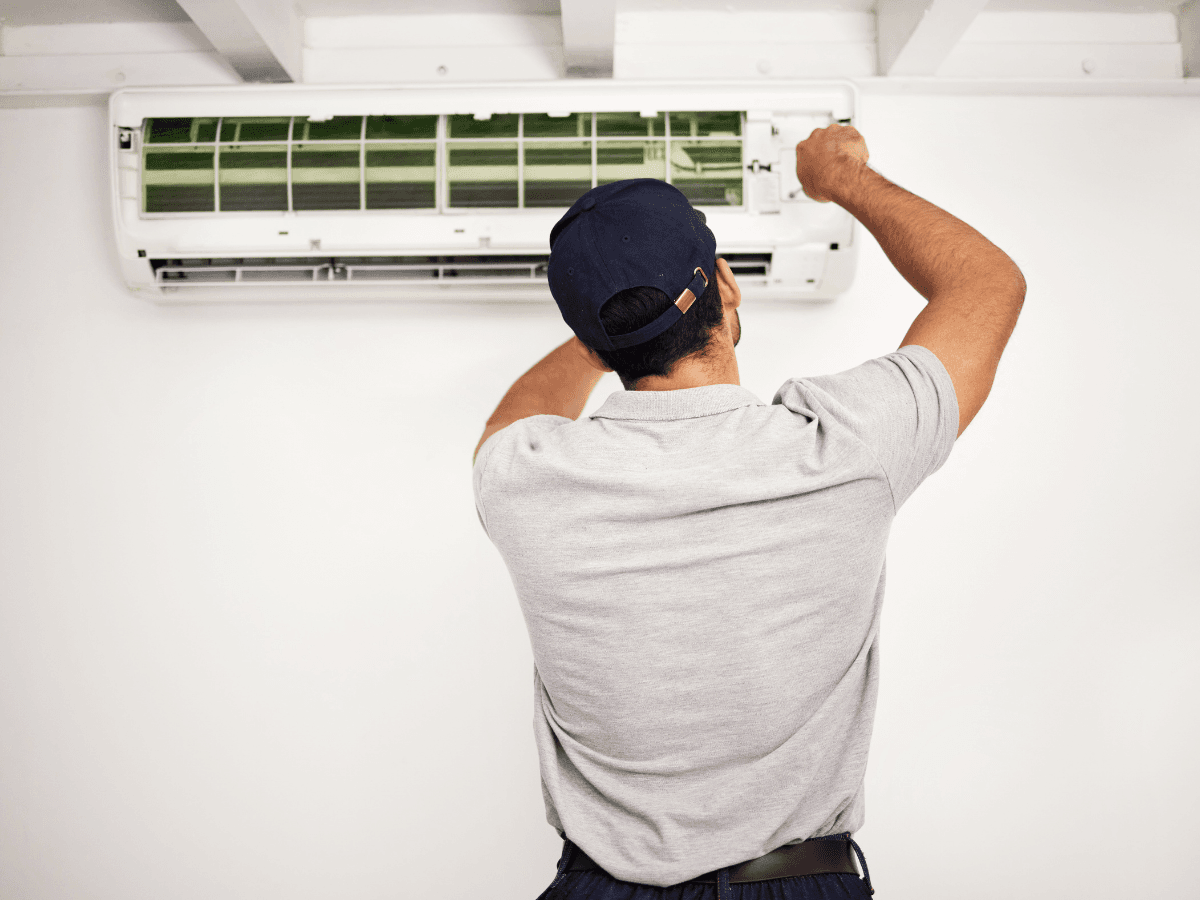
Finding the right HVAC company involves more than comparing prices or choosing the first provider that can schedule an appointment. Ductless systems use inverter-driven equipment, electronic controls, sensors, and manufacturer-specific components, so experience diagnosing this type of equipment matters.
A good ductless mini-split repair provider should be able to explain what is wrong, show how the diagnosis was reached, outline the proposed repair, and give you enough information to make an informed decision before work begins.
Verify Licensing, Insurance, and Mini-Split Experience
Start with the fundamentals. Confirm that the contractor meets applicable Georgia licensing requirements and carries appropriate insurance.
Then ask about experience with ductless systems specifically. General HVAC experience is valuable, but mini-splits can require different diagnostic procedures from conventional central systems.
This becomes particularly important with inverter compressors, multi-zone configurations, communication faults, and manufacturer-specific error codes.
Useful questions include:
- Do you regularly service ductless mini-split systems?
- Have you worked on my equipment brand and model?
- Can you diagnose inverter and communication problems?
- Do your technicians receive ongoing HVAC training?
- Are you insured for residential HVAC work?
These questions are more useful than simply asking how many years the company has been in business.
Expect Diagnosis Before a Repair Recommendation
Be cautious when a provider recommends an expensive component before adequately testing the system.
Many mini-split symptoms overlap. Poor cooling, for example, could involve airflow restrictions, sensors, electrical components, refrigerant conditions, coils, fans, or controls. A technician should narrow down the cause rather than treating the symptom as proof of a particular failure.
After the inspection, ask what testing was performed and why the recommended repair addresses the problem. For complex faults, the technician should be able to explain the findings in understandable terms without relying entirely on technical jargon.
Compare Written Estimates by Scope, Not Price Alone
The lowest quote is not necessarily the best value, and a higher estimate is not automatically evidence of better work.
Compare what each estimate actually includes. A useful written estimate should identify the repair being proposed, required parts, labor, relevant fees, and warranty coverage. If additional work might become necessary once the repair begins, ask how those costs will be authorized.
This is especially important when comparing a major ductless mini-split repair with replacement. Two contractors may quote very different totals because they are recommending different solutions rather than charging different prices for identical work.
A practical HVAC contractor selection checklist can help homeowners compare credentials, estimates, insurance, warranties, and communication standards without reducing the decision to price alone.
Ask About Parts and Labor Warranties
Before approving a repair, find out what happens if the same problem returns.
Ask whether the replacement part carries a manufacturer warranty, whether the contractor provides a separate labor warranty, and what each warranty actually covers. Coverage periods and exclusions can vary, so avoid assuming that every repair comes with the same protection.
It is also worth asking whether completing a repair affects any remaining manufacturer warranty on the equipment. If the system is relatively new, check your original paperwork before authorizing a major component replacement. Get important warranty terms in writing whenever possible.
Use Reviews to Look for Patterns, Not Perfection
Customer reviews are most useful when you look beyond the average star rating.
Pay attention to repeated comments about diagnosis, communication, punctuality, billing, workmanship, and how the company handles problems after the initial visit. Detailed reviews describing an actual HVAC repair are generally more informative than short comments that simply say the service was good or bad.
Negative reviews can be useful too. An occasional complaint is not necessarily a reason to reject a contractor. Look at how frequently the same problem appears and whether the company responds constructively when something goes wrong.
Evaluate Communication Before Work Begins
The service experience starts before a technician touches the equipment.
A professional provider should be able to explain scheduling expectations, diagnostic charges, how repair authorization works, and what happens if the technician discovers a different problem than initially suspected.
During the visit, you should be able to get straightforward answers to basic questions:
- What failed? The technician should identify the diagnosed problem rather than simply saying the system is old or inefficient.
- What needs to be repaired? You should understand which component or condition is being addressed.
- What will it cost? The estimate should make the expected charges reasonably clear before authorization.
- Is this repair worth making? For an expensive failure, the technician should be able to discuss repair and replacement without pressuring you toward either choice.
Know Which Company Claims Are Worth Verifying
Marketing phrases such as “best service,” “lowest prices,” or “premier technicians” tell homeowners very little on their own. Concrete information is more useful. For example, InAir states that it has served the Atlanta area since 1997 and identifies itself as licensed and insured.
Those are relevant facts to verify alongside the same practical criteria you would use for any other provider: ductless experience, diagnosis quality, written pricing, warranty terms, communication, and recent customer feedback.
Choosing a provider for ductless mini-split repair should ultimately come down to confidence in the diagnosis and the proposed solution. A qualified contractor should make it easier to understand what your system needs, not harder to question the recommendation.
Conclusion
Ductless mini-split systems provide efficient, flexible comfort, but problems such as weak airflow, unusual noises, refrigerant leaks, or inconsistent temperatures can reduce performance and lead to more costly repairs if left unresolved.
Timely diagnosis and professional service can help identify the underlying issue, restore efficient operation, and protect the system from unnecessary wear.
For dependable ductless mini-split repair and professional HVAC service in Atlanta, choose inAir Heating & Air. If your mini-split is no longer heating or cooling as it should, call (770) 233-7777 to speak with the team at inAir Heating & Air or fill out the website form to submit your HVAC request today.