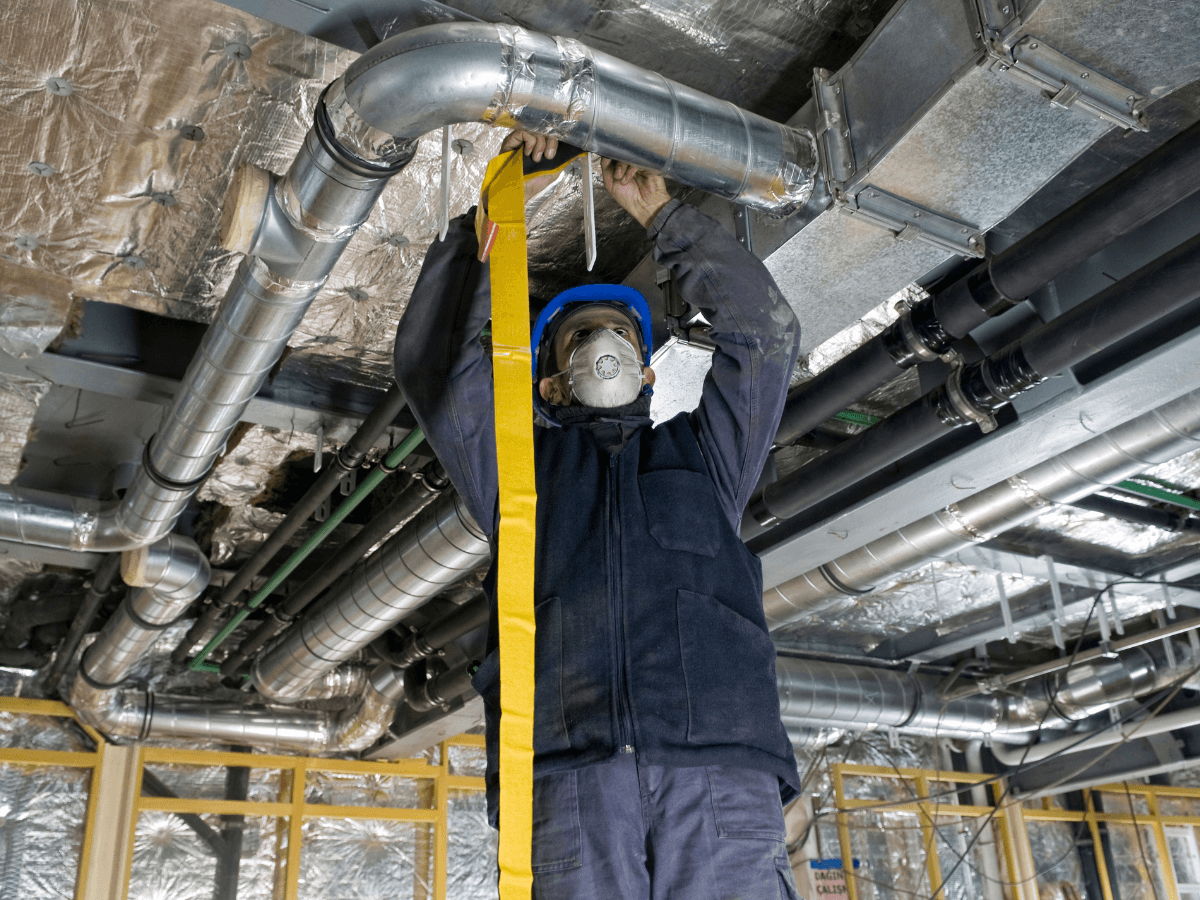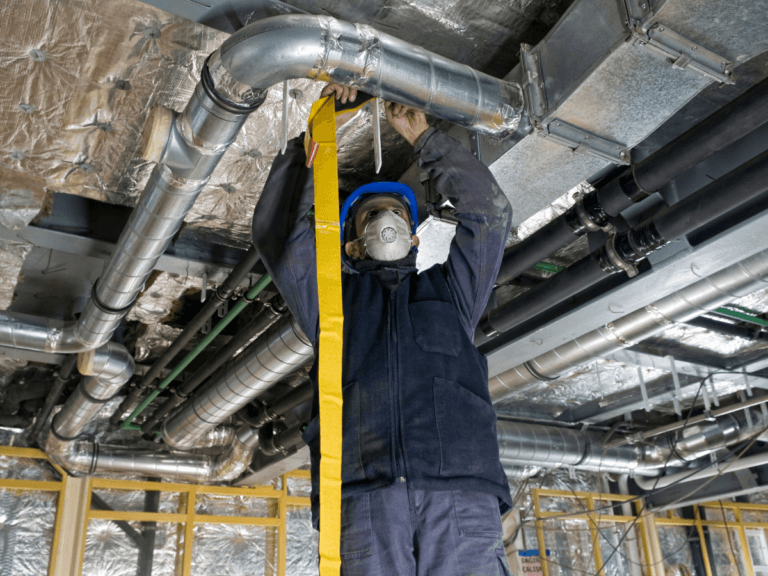




Most of your home’s ductwork stays hidden behind walls, ceilings, and floors, so problems can develop without an obvious visual warning. Instead, you may notice rooms that never reach the right temperature, rising energy use, weak airflow, excessive dust, or an HVAC system that seems to run longer than it should.
Knowing when ductwork repair Atlanta homes may need starts with understanding how ducts are installed, sealed, insulated, and maintained. Loose connections, damaged sections, poor sizing, deteriorated insulation, and air leaks can all interfere with efficient heating and cooling.
Whether you are troubleshooting an existing system or planning new duct installation, paying attention to the distribution network behind your vents can make a meaningful difference. Well-maintained ductwork helps conditioned air reach the right rooms efficiently while supporting consistent comfort throughout the home.
Ductwork Repair Atlanta Guide to Leaks, Damage, and Poor Airflow
Why Does Your Atlanta Home Have Uneven Temperatures?
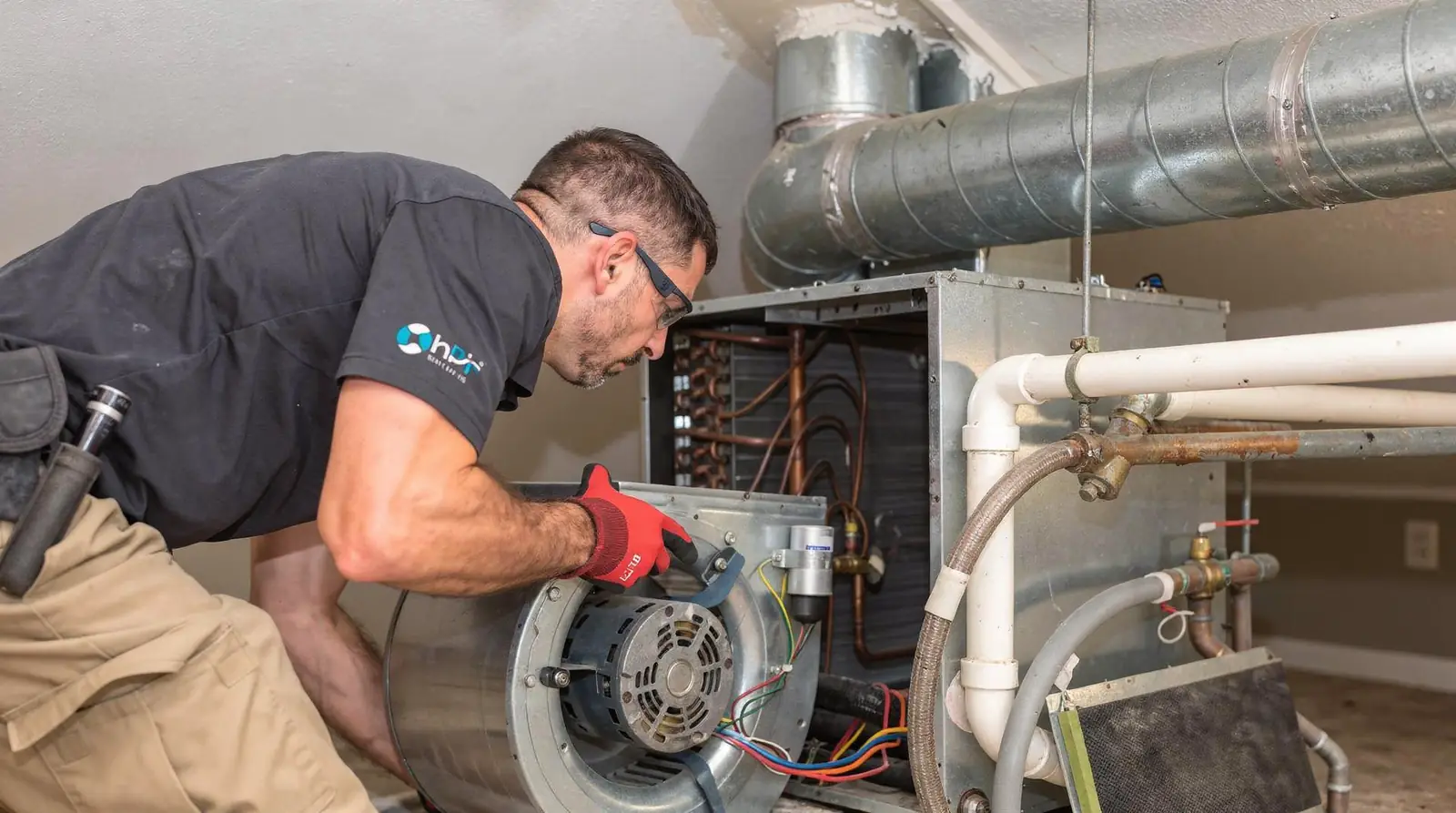
Hot and cold rooms can point to a ductwork problem, but they do not automatically mean the ducts are damaged. Uneven temperatures can also come from insulation gaps, blocked vents, HVAC sizing issues, thermostat placement, or equipment problems.
Ductwork moves conditioned air throughout the home, so leaks, crushed flex ducts, loose connections, or poor insulation can reduce how much air reaches certain rooms.
For homeowners considering ductwork repair Atlanta services, the goal should be to confirm whether the ducts are actually responsible before repairing or replacing them.
What Uneven Temperatures Can Reveal About Your Ductwork
A room that consistently stays warmer in summer or colder in winter may not be receiving the same airflow as the rest of the house. If filters are clean, vents are open, and the HVAC system is otherwise operating normally, the duct system deserves closer attention.
ENERGY STAR identifies difficult-to-heat or cool rooms, high utility bills, and ducts running through attics or crawl spaces as common signs of duct-performance problems. Leaks, disconnected sections, or poorly sealed joints can allow conditioned air to escape before it reaches the intended room.
Why Attic and Crawl-Space Ducts Need Extra Attention
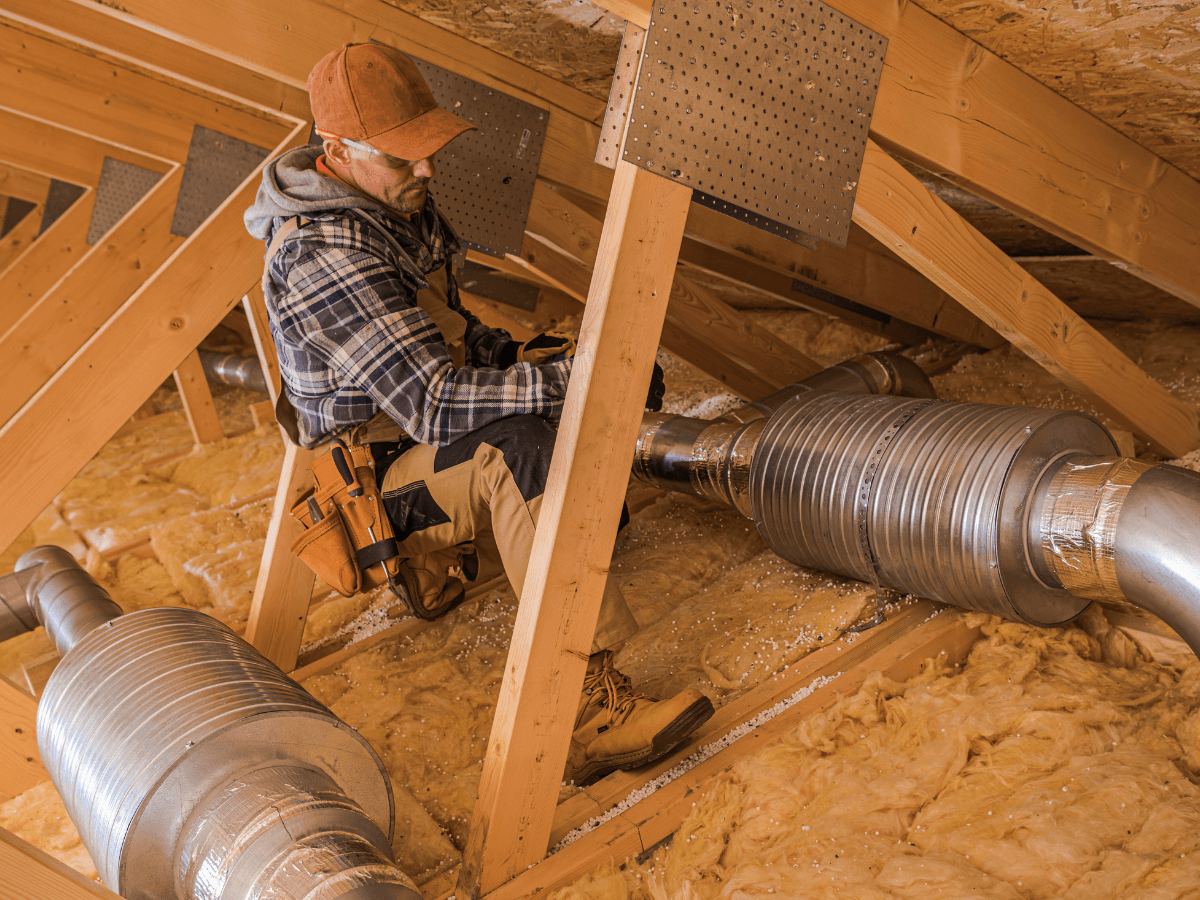
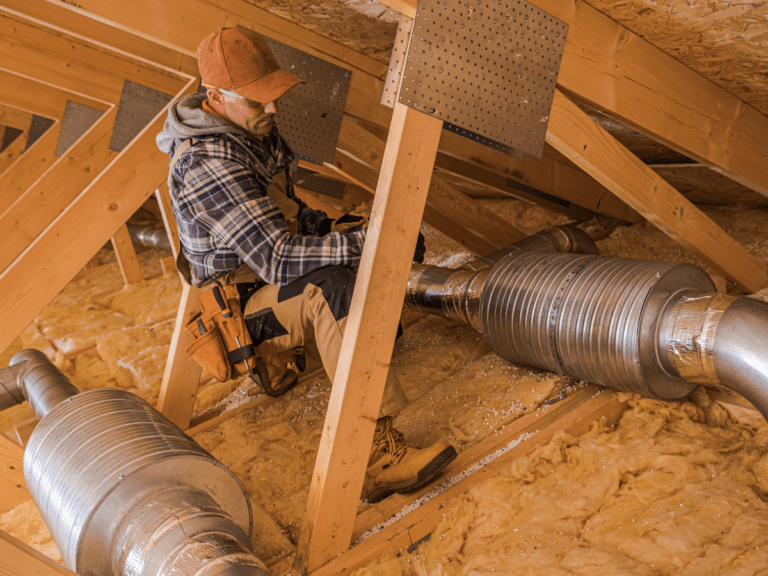
Duct location can affect comfort and efficiency, especially when ductwork runs through hot attics or humid crawl spaces. If those ducts are poorly insulated or damaged, the air moving through them can gain or lose heat before reaching the registers.
Atlanta’s climate can make existing duct weaknesses more noticeable during peak heating and cooling seasons. Understanding how local climate affects HVAC performance can help explain why airflow problems sometimes become more obvious during extreme weather.
What Are the Most Common Signs of Duct Problems?
Duct issues usually show up through patterns rather than one dramatic failure. A single uncomfortable room can have several causes, but multiple symptoms appearing together make duct inspection more worthwhile.
Watch for:
- Rooms that consistently feel hotter or colder than nearby spaces
- Weak airflow from one or more supply vents
- Whistling or rattling sounds near vents or ductwork
- Visible crushed, disconnected, or damaged duct sections
- Higher heating or cooling bills without an obvious reason
- Condensation around accessible ducts
- An HVAC system that runs for long periods while some rooms stay uncomfortable
These symptoms do not prove that ductwork is the only problem. They are signs that airflow, duct condition, insulation, and HVAC performance should be evaluated together.
Can Leaky Ducts Increase Energy Use?
Yes. Leaky or poorly connected ducts can waste conditioned air before it reaches the living space, which may cause the HVAC system to run longer to maintain the thermostat setting.
ENERGY STAR estimates that typical homes can lose about 20 to 30 percent of the air moving through duct systems because of leaks, holes, and poorly connected ducts. That does not mean every Atlanta home loses that exact amount, but it shows why duct leakage can affect both comfort and energy use.
A rise in utility bills should still be investigated rather than blamed on ductwork automatically. Dirty filters, aging equipment, thermostat problems, insulation deficiencies, and other HVAC repair warning signs can create similar symptoms.
How Can You Tell Whether the Problem Is the Ductwork or the HVAC System?
Start with simple checks before assuming major duct repair is necessary. Make sure supply and return vents are open, replace a dirty filter, confirm the thermostat is working properly, and note which rooms consistently have weaker airflow.
Accessible ducts can then be checked for loose connections, crushed flexible sections, damaged insulation, or obvious gaps. A professional evaluation may also measure airflow, inspect static pressure, and test for duct leakage when the cause is not obvious.
That distinction matters because ductwork repair Atlanta homeowners need should address the actual failure. Sealing a few joints will not fix an undersized duct system, and replacing ductwork will not solve uneven temperatures caused mainly by insulation or HVAC equipment problems.
When Is Repair More Appropriate Than Replacement?
Localized damage can often be repaired when most of the duct system is still in good condition. Loose joints, small leaks, damaged insulation, or one crushed section may not justify replacing all of the ductwork.
Replacement may make more sense when damage is widespread, flexible ducts are badly deteriorated, or the layout itself creates persistent airflow problems. The decision should follow an inspection of the complete air-distribution system rather than relying on uneven temperatures alone.
What Actually Causes Leaky Ducts?
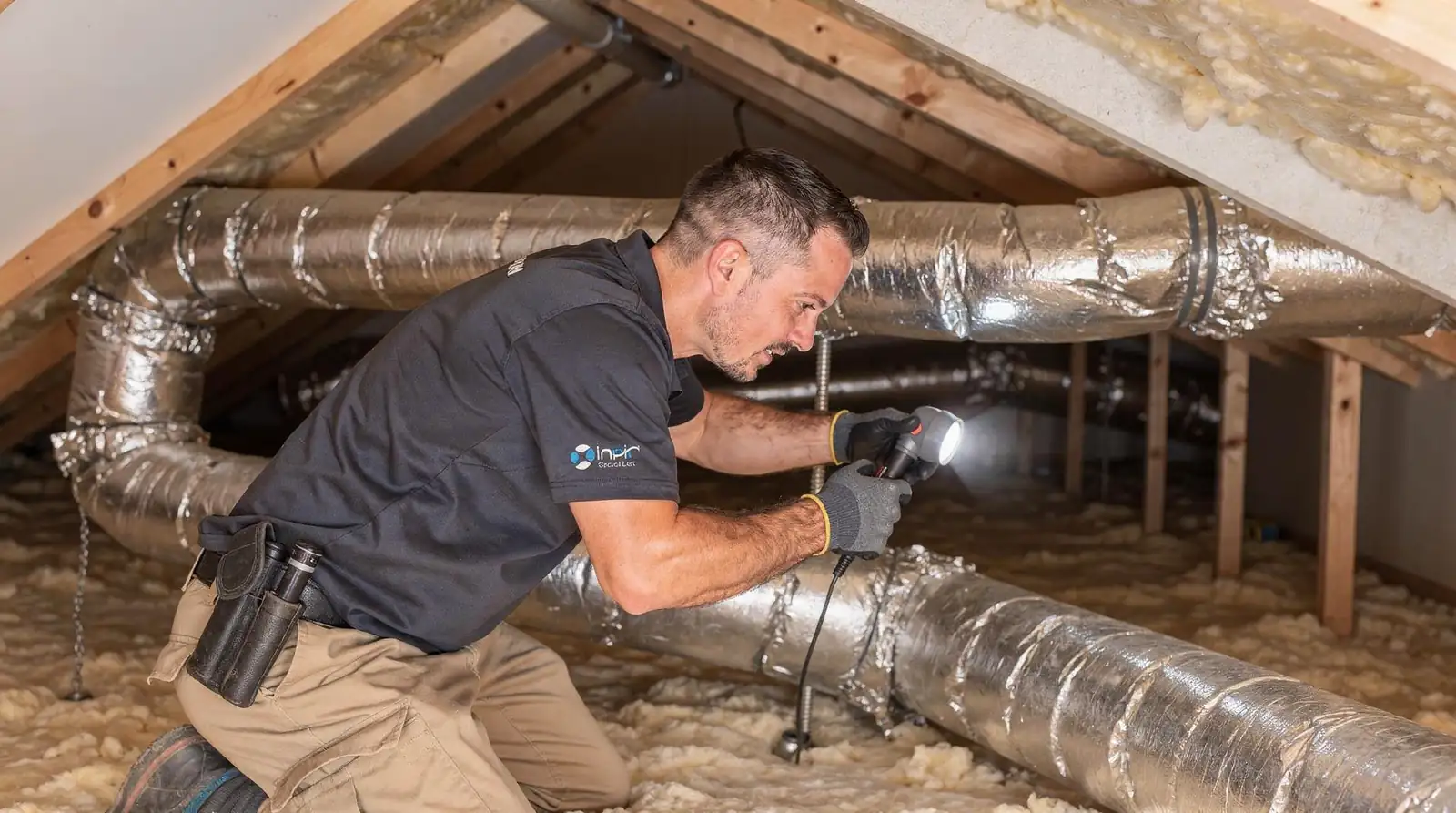
Leaky ductwork usually develops from a combination of age, installation problems, movement, and physical damage. Joints can loosen, flexible ducts can become crushed or torn, and sealing materials can deteriorate over time, especially when ducts run through attics, crawl spaces, or other unconditioned areas.
ENERGY STAR estimates that a typical home can lose about 20 to 30 percent of the air moving through its duct system because of leaks, holes, and poorly connected ducts, although that is a national estimate rather than an Atlanta-specific figure.
Which Parts of a Duct System Are Most Likely to Leak?
Connections are common weak points because duct systems are assembled from multiple sections. Air can escape where ducts meet trunks, boots, plenums, registers, or other fittings if those joints loosen or were not sealed correctly.
Flexible ductwork can develop different problems, including kinks, compression, torn liners, punctures, or damaged outer jackets that restrict airflow or allow conditioned air to escape.
Common causes include:
- Loose or poorly sealed duct joints
- Disconnected sections
- Torn or punctured flexible duct
- Crushed or sharply bent runs
- Deteriorated sealing materials
- Poor support that allows ducts to sag
- Physical damage in attics or crawl spaces
- Renovations that disturb existing ductwork
Because many of these failures occur outside the living space, ductwork repair Atlanta homeowners need often begins with identifying where airflow is being lost rather than finding an obvious hole.
Can Poor Installation Cause Duct Leaks?
Yes. Even relatively new ductwork can perform poorly if connections were not sealed correctly, flexible duct was compressed or kinked, or long runs were inadequately supported.
Routing matters too. Sharp turns, excessive duct length, and restricted sections can make it harder for air to move efficiently. An apparent leak problem may therefore involve both actual leakage and poor airflow caused by the original layout.
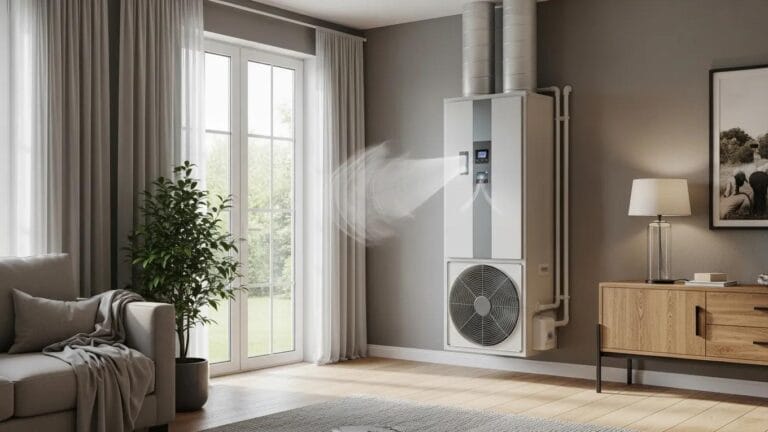
This is one reason sealing the first visible gap may not solve the comfort problem. Broader heat pump airflow problems can involve duct restrictions, leakage, and equipment performance at the same time, making diagnosis more useful than assuming one cause.
Does Duct Age Automatically Mean Replacement Is Needed?
No. Older ductwork deserves closer inspection, but age alone does not determine whether repair or replacement is appropriate.
Localized leaks, loose joints, or damaged insulation may be repairable. Replacement becomes more reasonable when flexible ducts are badly deteriorated, multiple runs are damaged, or previous modifications have made the system difficult to seal or balance.
Can Attic or Crawl-Space Conditions Damage Ductwork?
They can. Ductwork in these spaces is exposed to temperature changes, humidity, pests, storage activity, and accidental physical contact. Flexible ducts can be crushed, punctured, pulled loose, or compressed, while poor supports can allow longer sections to sag and restrict airflow.
Poor supports can also allow longer sections to sag, which restricts airflow even if the duct has not developed a large opening. Regular seasonal HVAC maintenance can help surface airflow problems, damaged duct sections, or other performance changes before they become harder to diagnose.
Can You Seal Leaky Ducts With Regular Duct Tape?
Ordinary cloth-backed duct tape is not considered a durable HVAC duct-sealing material. Accessible leaks are generally sealed with products intended for HVAC systems, such as mastic or approved foil-backed tape.
A useful repair should also account for disconnected sections, damaged insulation, restricted airflow, loose fittings, and whether the surrounding duct remains suitable for continued use.
When Is Professional Duct Diagnosis Worthwhile?
Professional evaluation becomes more useful when several rooms have airflow problems, much of the duct system is inaccessible, or sealing visible joints does not improve comfort.
Testing and inspection can help separate actual leakage from problems such as poor duct sizing, restrictive routing, clogged filters, or HVAC equipment issues.
That distinction matters because ductwork repair Atlanta homeowners pay for should address the actual failure. The right solution may involve sealing a joint, replacing a damaged run, correcting poor routing, or addressing a larger airflow problem rather than automatically replacing the entire duct system.
Should You Repair or Replace Your Ductwork?
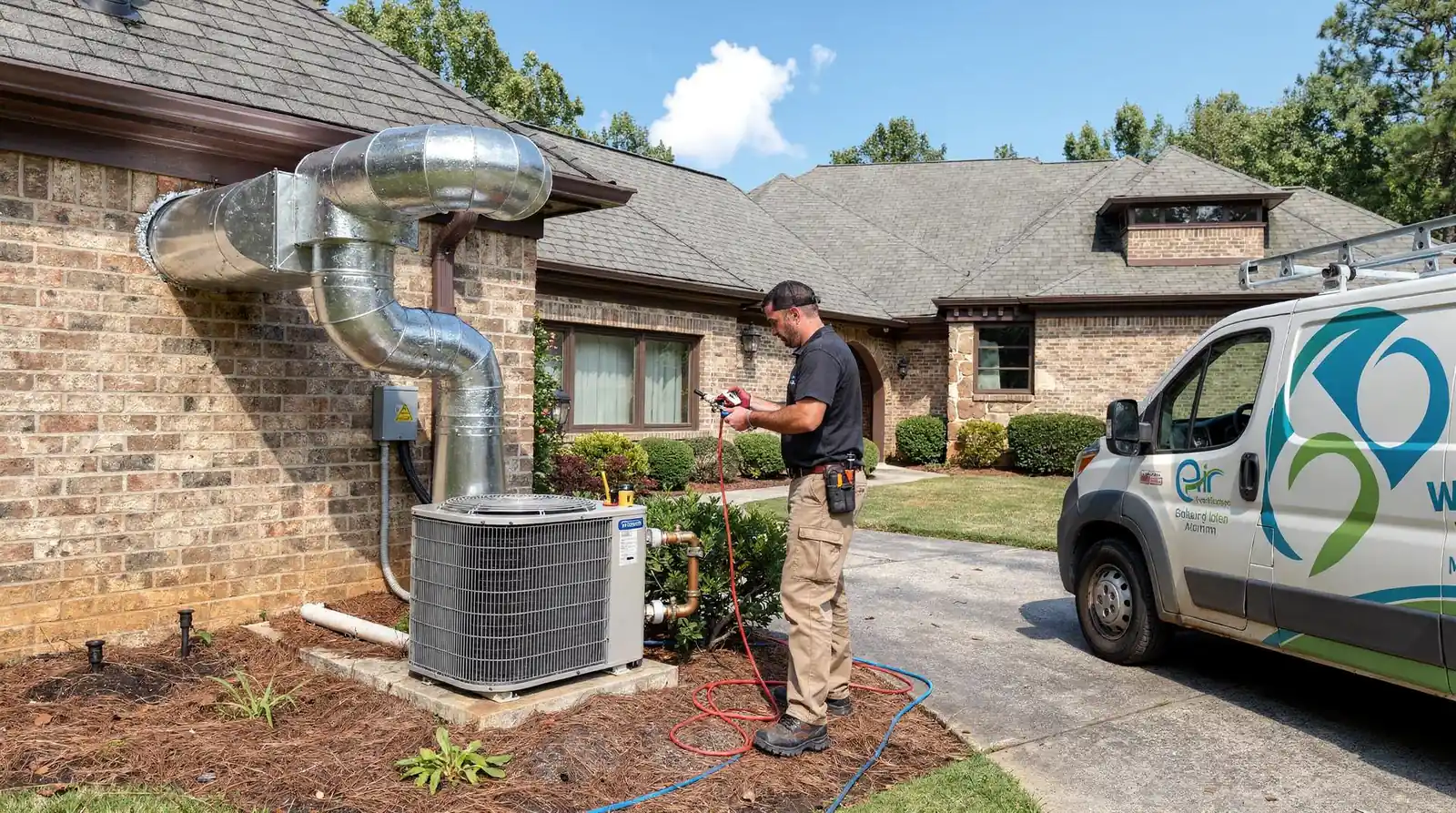
Deciding between duct repair and replacement depends on how much of the system is damaged, whether the existing layout still works for the home, and whether isolated repairs are likely to solve the airflow problem.
Uneven temperatures, weak airflow, and rising energy use can occur with both localized leaks and larger distribution problems, so the decision should begin with identifying the extent and location of the failure.
When Does Duct Repair Make More Sense?
Repair is generally worth considering when the problem is limited to an otherwise functional duct system. Examples include accessible leaks, separated connections, damaged insulation, or a crushed section of flexible duct.
The surrounding ducts matter too. Repairing one joint makes little sense if several nearby sections are deteriorated, improperly supported, or creating persistent airflow restrictions.
When Is Full Duct Replacement Worth Considering?
Replacement becomes more reasonable when problems extend throughout the system. Severely damaged flexible duct, numerous failing connections, poor routing, or a layout that no longer matches the home’s heating and cooling needs can make repeated repairs less worthwhile.
Renovations can also change the equation. Additions, converted spaces, relocated walls, or major HVAC equipment changes may leave an older duct layout poorly suited to the home’s current footprint.
Does Older Ductwork Automatically Need to Be Replaced?
No. Age is useful context, but it should not be the sole reason for replacing a duct system that still performs properly.
A better evaluation looks at physical condition, leakage, insulation, airflow, sizing, routing, and whether each room receives appropriate conditioned air. Older ducts with localized defects may still be repairable, while a newer system with poor installation or extensive damage can require much more substantial work.
What Should a Duct Evaluation Include?
A useful evaluation should determine whether the problem involves sealing, physical damage, airflow restriction, duct sizing, system configuration, or a combination of issues.
Homeowners can ask whether the assessment covers:
- Accessible supply and return ductwork
- Loose or disconnected joints
- Crushed, kinked, or sagging flexible ducts
- Damaged or missing insulation
- Airflow differences between rooms
- Evidence of leakage around connections
- Existing duct sizing and routing
- Compatibility with the current HVAC equipment
This broader approach helps prevent a narrow repair from being recommended for a system-wide problem.
Can New Ductwork Improve HVAC Performance?
Properly designed and installed ductwork can improve air distribution when the existing system is leaking, restricted, or poorly configured. The improvement comes from delivering conditioned air more effectively, not simply replacing old materials with new ones.
Duct replacement should therefore be coordinated with the HVAC system rather than treated as an unrelated construction project.
Broader HVAC installation and repair services can involve evaluating how equipment performance and air distribution work together, which is particularly important when the duct layout itself may be contributing to comfort problems.
How Should You Compare Repair and Replacement Costs?
Do not compare only the immediate totals. A smaller repair may make sense when it addresses a clearly isolated problem, while repeated repairs across a deteriorating system can eventually cost more without correcting the underlying layout or airflow issue.
Ask each contractor to identify what will remain, what will be repaired or replaced, and what evidence supports that recommendation. The proposal should also explain whether insulation, sealing, supports, testing, removal of old materials, and restoration of disturbed areas are included.
If replacement is the better long-term choice but the upfront expense is difficult to absorb, payment options may affect how homeowners approach the project. inAir currently offers HVAC financing options through Synchrony Bank, although approval and available terms depend on the financing program.
What If Repair and Replacement Both Seem Reasonable?
When either approach could work, compare the expected durability of the repair with the condition of the remaining duct system. A targeted fix may be sensible if most of the system is sound, while replacement may offer better value if several additional sections are likely to need attention soon.
For ductwork repair Atlanta homeowners are weighing against full replacement, the most useful recommendation is one tied to documented conditions rather than age or symptoms alone.
Understanding exactly what has failed, and whether that failure is isolated or widespread, makes the repair-versus-replacement decision much easier to evaluate.
How Much Are Leaky Ducts Costing You?
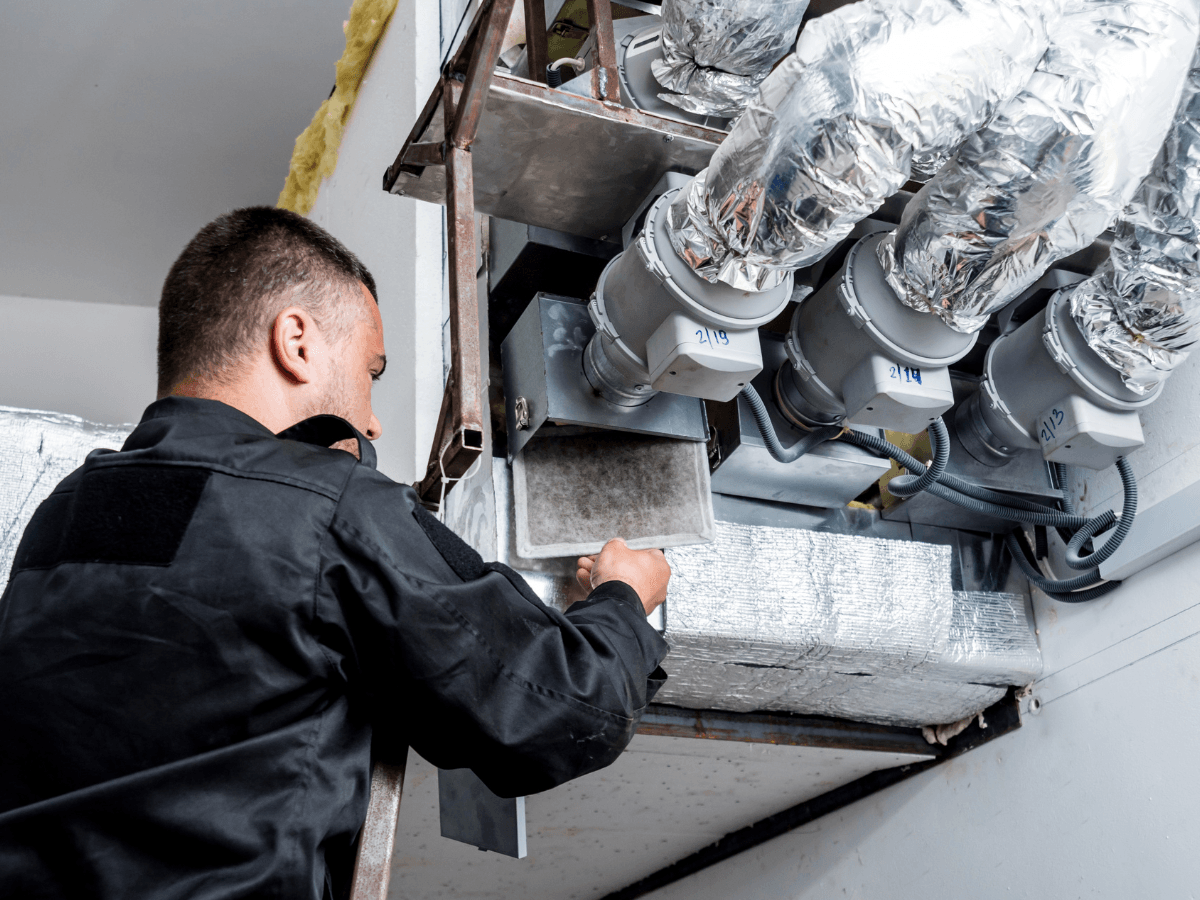
Leaky ductwork can waste conditioned air before it reaches the living space, increasing the amount of heating or cooling needed to maintain comfortable temperatures.
ENERGY STAR estimates that typical homes can lose about 20 to 30 percent of the air moving through duct systems because of leaks, holes, and poorly connected ducts. That figure is a national estimate rather than a measurement of every Atlanta home, but it illustrates why significant leakage can affect both comfort and energy use.
Why do Atlanta homes lose so much conditioned air?
Duct joints and sealing materials can deteriorate over time, while ducts running through attics and crawl spaces are exposed to heat, humidity, and physical damage. Conditioned air escaping into those spaces never reaches the rooms it was intended to serve.
The actual financial impact varies by home, HVAC efficiency, duct location, leakage severity, utility rates, and heating and cooling demand. For that reason, rising utility costs should be treated as one possible sign of duct problems rather than proof of a specific amount of energy loss.
What does neglecting duct leaks actually cost homeowners?
inAir Heating & Air Conditioning has served Atlanta-area homeowners for more than 27 years. That history reveals a consistent pattern: neglected ducts quietly inflate costs year after year.
The company’s energy-efficient approach targets those losses directly, pairing sealing and repair work with prompt, dependable service so small leaks never turn into expensive habits.
How Should You Choose a Local Ductwork Contractor?
Choosing someone for ductwork repair Atlanta homeowners can rely on involves more than finding the closest HVAC company.
Duct problems can involve leakage, airflow, sizing, insulation, equipment performance, or several issues at once. Licensing, insurance, diagnostic approach, written scope, and the ability to explain repair versus replacement are more useful indicators than location alone.
What Should You Verify Before Hiring a Ductwork Contractor?
Georgia regulates conditioned-air contractors, and homeowners can verify licensing through the Georgia Secretary of State.
Insurance should be confirmed separately. Ask for current proof of coverage, particularly when technicians will be working in attics, crawl spaces, or other areas where accidental property damage can occur.
What Should a Duct Inspection Actually Cover?
A useful inspection should consider accessible supply and return ducts, connections, insulation, airflow restrictions, physical damage, and whether the existing layout appears appropriate for the HVAC system.
Ask how the diagnosis was reached and what evidence supports the recommendation. If large portions of the system are being replaced, the contractor should be able to explain why targeted sealing or repair would not adequately solve the problem.
How Should You Compare Ductwork Estimates?
Two estimates may include very different amounts of work, so compare the scope rather than the bottom-line price alone.
A useful proposal should clarify:
- Which duct sections will be repaired or replaced
- What sealing materials will be used
- Whether damaged insulation is included
- Whether airflow or leakage will be checked afterward
- What demolition or access work is required
- Whether cleanup and disposal are included
- What warranties apply
- How additional problems will be handled
For ductwork repair Atlanta homeowners are comparing, this detail matters more than simply choosing the lowest estimate.
Does Choosing a Local HVAC Company Have Advantages?
It can, particularly when the company already works throughout the communities surrounding your home and can provide continuing service after the duct project is complete. i
nAir’s current Atlanta-area service coverage includes communities such as Acworth, Alpharetta, Austell, Brookhaven, Marietta, Roswell, Smyrna, and other parts of metro Atlanta.
That convenience is most valuable when ductwork is being evaluated as part of the larger HVAC system rather than treated as an isolated component.
If airflow problems continue after a repair, having one provider able to reassess the relationship between the ducts and equipment can simplify follow-up, but homeowners should still judge the original recommendation on its technical merits.
How Much Does Local Experience Matter?
Experience with Atlanta-area HVAC systems can be useful because homes across the metro vary considerably in age, construction style, renovations, attic configurations, and crawl-space conditions.
However, a contractor should not assume the cause of a problem based on the neighborhood or age of the house alone. A stronger sign is a company that investigates the actual system before proposing work.
Frequently Asked Questions About Ductwork Repair in Atlanta

How Do I Know If My Atlanta Home Has Ductwork Problems?
Common warning signs include rooms that consistently feel hotter or colder than the rest of the house, weak airflow from certain vents, unexplained increases in heating or cooling costs, and unusual whistling or rattling sounds.
Dust around registers or visible damage to accessible duct sections can also justify a closer inspection, although none of these symptoms proves that the ductwork is the only cause.
Before assuming major repairs are necessary, check that vents are open, the air filter is clean, and the HVAC equipment is operating normally. If the same comfort or airflow problems continue, a duct evaluation can help determine whether leakage, damage, poor routing, or another HVAC issue is responsible.
Why Can Duct Damage Go Unnoticed for So Long?
Much of a home’s ductwork runs through attics, crawl spaces, ceilings, or other areas homeowners rarely see. A loose connection, torn flexible duct, or damaged section can therefore remain hidden while the HVAC system continues operating.
The first clues are often indirect, such as weaker airflow in one room or longer heating and cooling cycles. This is why ductwork repair Atlanta homeowners need often begins with investigating performance problems rather than discovering an obvious visible break.
Can Leaky Ducts Be Repaired Without Replacing the Entire System?
Yes, depending on the extent and location of the damage. Isolated leaks, loose connections, or individual damaged sections may be repairable when the rest of the duct system remains in good condition.
Full replacement becomes more reasonable when deterioration is widespread, multiple sections are damaged, or the existing layout itself contributes to poor airflow. An inspection should distinguish between a localized problem and a system-wide issue before replacement is recommended.
Can Duct Problems Increase Heating and Cooling Costs?
They can. Conditioned air that escapes through leaks or disconnected sections does not reach the rooms it was intended to heat or cool, which can make the HVAC system run longer to maintain the thermostat setting.
Higher utility bills are not proof of duct leakage on their own, however. Weather, equipment condition, filters, insulation, thermostat settings, and changes in household usage can also affect energy consumption, so the cause should be diagnosed rather than assumed.
How Long Does Ductwork Repair Take?
Repair time depends on how much of the system is affected and how easily technicians can access the damaged areas. Sealing an accessible connection is a very different project from repairing several duct runs in a tight attic or crawl space.
A useful estimate should explain both the scope of the work and any access challenges that could affect the schedule. Homeowners comparing ductwork repair Atlanta proposals should also ask whether testing, insulation repair, cleanup, and any necessary duct replacement are included in the quoted work.
Conclusion
Properly installed and maintained ductwork plays an important role in keeping conditioned air moving efficiently throughout your Atlanta home.
Leaks, loose connections, damaged sections, and poorly designed ducts can contribute to uneven temperatures, reduced airflow, higher energy use, and unnecessary strain on your HVAC system.
Timely inspections and professional repairs can help correct these issues while supporting more consistent comfort and system performance.
For professional ductwork repair Atlanta services, installation, and HVAC maintenance, choose inAir Heating & Air. If you suspect your ductwork is affecting your home’s comfort or HVAC efficiency, call (770) 233-7777 to speak with the team at inAir Heating & Air or fill out the website form to submit your HVAC request today.