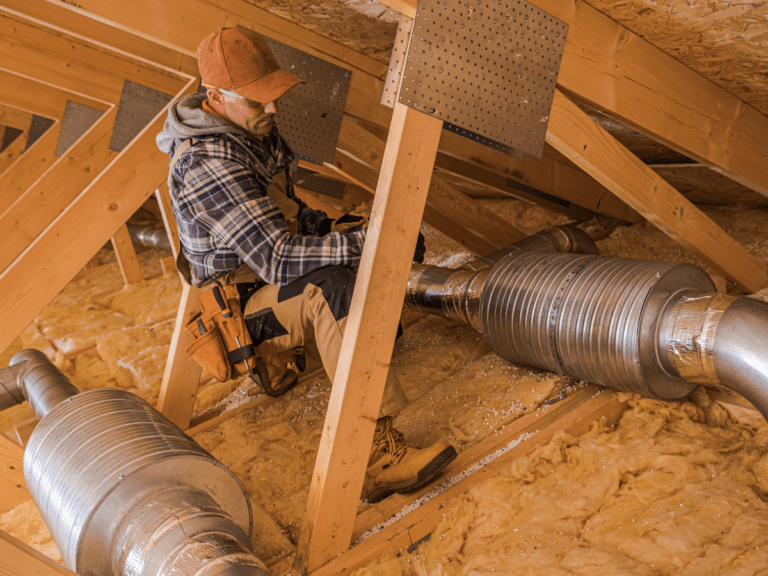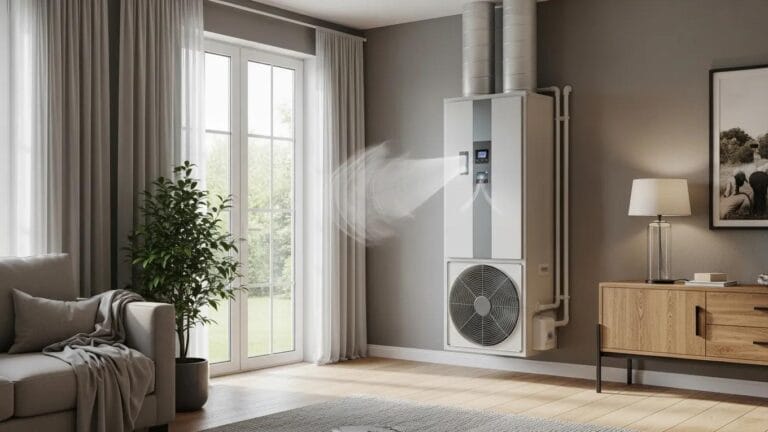




Heating and cooling costs can rise quickly without the right temperature settings in place. Many homeowners set their thermostat once and forget about it, missing opportunities to improve efficiency and maintain consistent comfort throughout the day. Small adjustments can make a noticeable difference.
Thermostat programming tips for Atlanta homeowners focus on aligning temperature settings with daily routines and seasonal weather patterns. With hot, humid summers and cooler winters, knowing when to adjust your system helps reduce energy use without sacrificing comfort.
By taking advantage of programmable or smart thermostat features, you can create a more balanced indoor environment, lower utility bills, and keep your home comfortable year-round.
Thermostat Programming Tips That Make a Real Difference
How Do Programmable Thermostats Save Energy in Atlanta Homes?
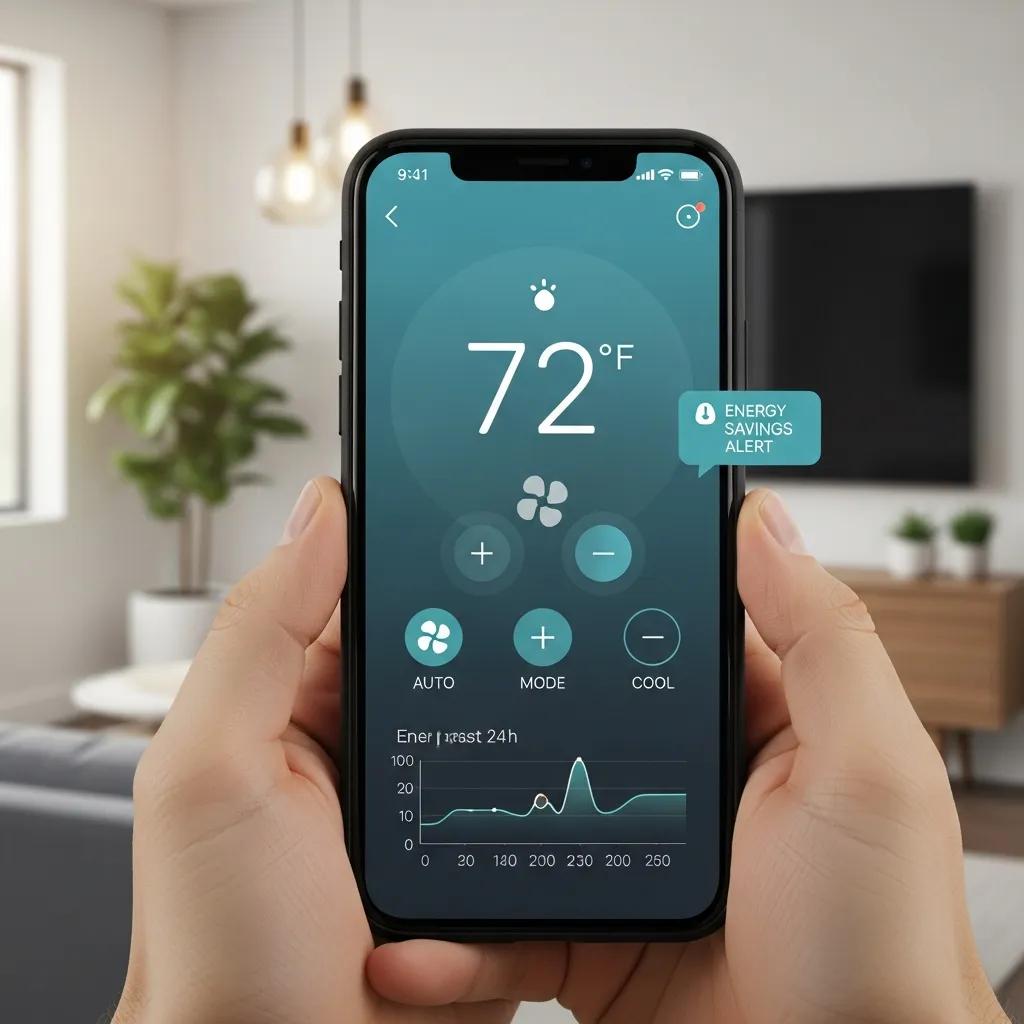
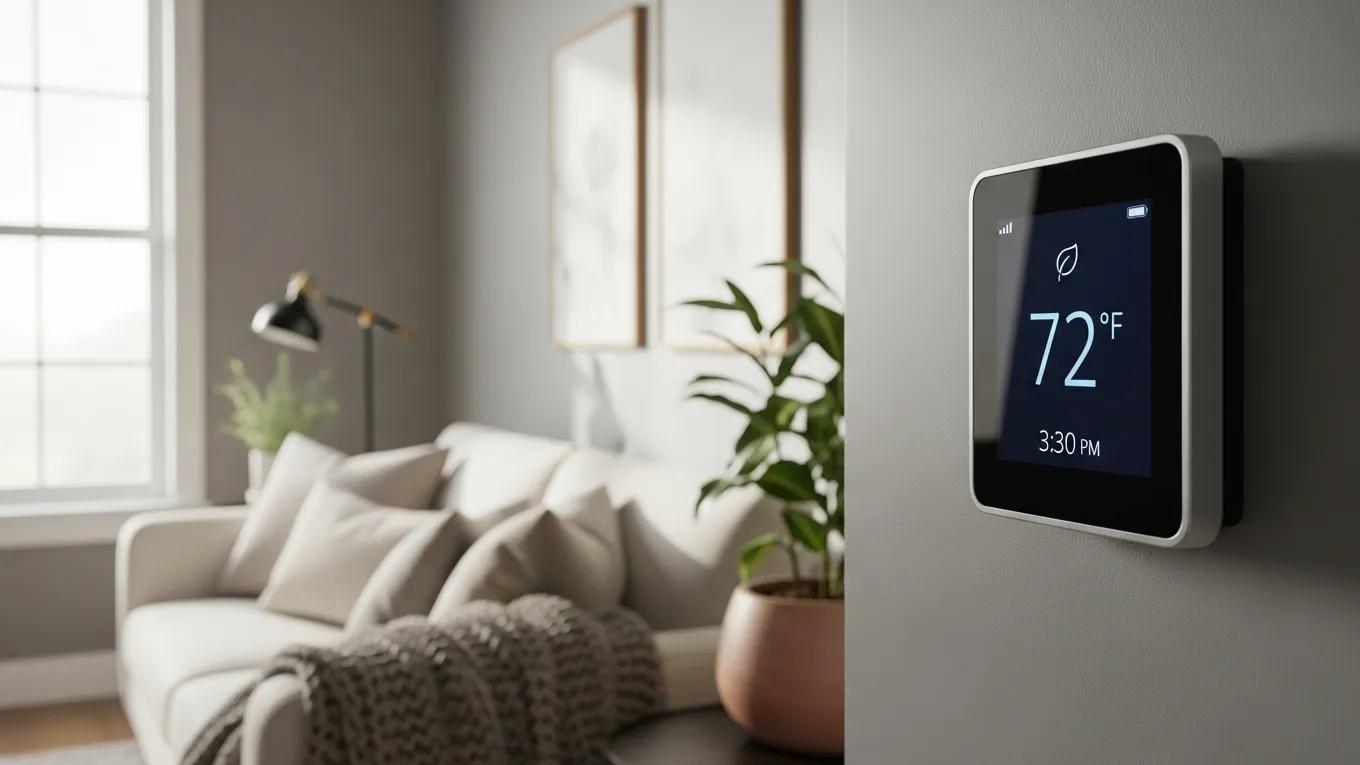
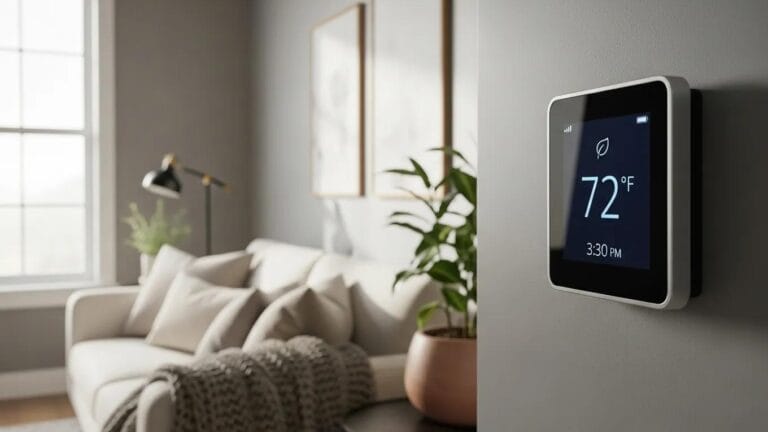
One of the simplest ways to reduce energy use at home is by adjusting how and when your system runs. That is where programmable thermostats come in. Instead of keeping your heating or cooling system running at the same level all day, these devices allow you to align temperature settings with your daily routine.
This approach is at the core of effective thermostat programming tips because it focuses on using energy only when it is actually needed. For example, when no one is home or when everyone is asleep, the system can run less frequently.
Then, it can return to a more comfortable setting before you wake up or arrive home. This balance helps reduce unnecessary energy use without sacrificing comfort.
How Learning Features Improve Efficiency Over Time
Many modern thermostats go a step further by learning from your habits. Instead of relying only on manual schedules, they observe how you adjust temperatures and begin to make those changes automatically. Over time, this creates a more personalized system that responds to your lifestyle.
This type of automation makes thermostat programming tips easier to apply in everyday life. You do not have to constantly adjust settings or remember to make changes throughout the day. The system adapts on its own, helping maintain comfort while keeping energy use in check.
These learning features also reduce the chances of overcooling or overheating your home, which can happen when settings are not adjusted regularly.
Why Remote Access Adds More Control
Another advantage of smart thermostats is the ability to control them from anywhere. Whether you are at work, running errands, or traveling, you can adjust your system through a mobile device. This flexibility makes it easier to manage energy use in real time.
If your schedule changes, you can quickly update your settings without waiting until you get home. For example, if you plan to return earlier than expected, you can cool or heat your home in advance without leaving the system running all day.
This level of control supports practical thermostat programming tips by giving you the ability to respond to real-life changes rather than relying on a fixed schedule.
How Energy Usage Insights Support Smarter Decisions
Many smart thermostats also provide feedback on how your system is being used. These insights can show patterns in energy consumption, helping you understand when your system is working hardest and where adjustments might help.
Instead of guessing which settings are most efficient, you can use this information to make more informed decisions. Small changes, such as adjusting temperatures by a few degrees during certain hours, can lead to noticeable savings over time.
This data-driven approach adds another layer to thermostat programming tips by turning everyday adjustments into long-term improvements.
The Role Of Energy Audits In Maximizing Savings
While thermostat settings play an important role, they are only part of the overall picture. An energy audit can help identify other areas where your home may be losing efficiency. This includes things like insulation, air leaks, or outdated equipment.
By understanding where energy is being wasted, you can make targeted improvements that work alongside your thermostat settings. For example, if your home retains cool air more effectively, your system does not need to run as often to maintain a comfortable temperature.
Combining these improvements with thoughtful thermostat programming tips creates a more complete strategy for managing energy use.
Bringing It All Together For Better Efficiency
Programmable and smart thermostats offer a practical way to manage comfort while reducing energy use. By aligning your system with your daily routine, using learning features, and taking advantage of remote access, you create a more responsive and efficient home environment.
When paired with insights from energy usage reports and broader improvements identified through an audit, these tools become even more effective. Over time, these adjustments help lower energy consumption while maintaining the level of comfort you expect.
What Are The Benefits Of Using Programmable Thermostats For HVAC Efficiency?
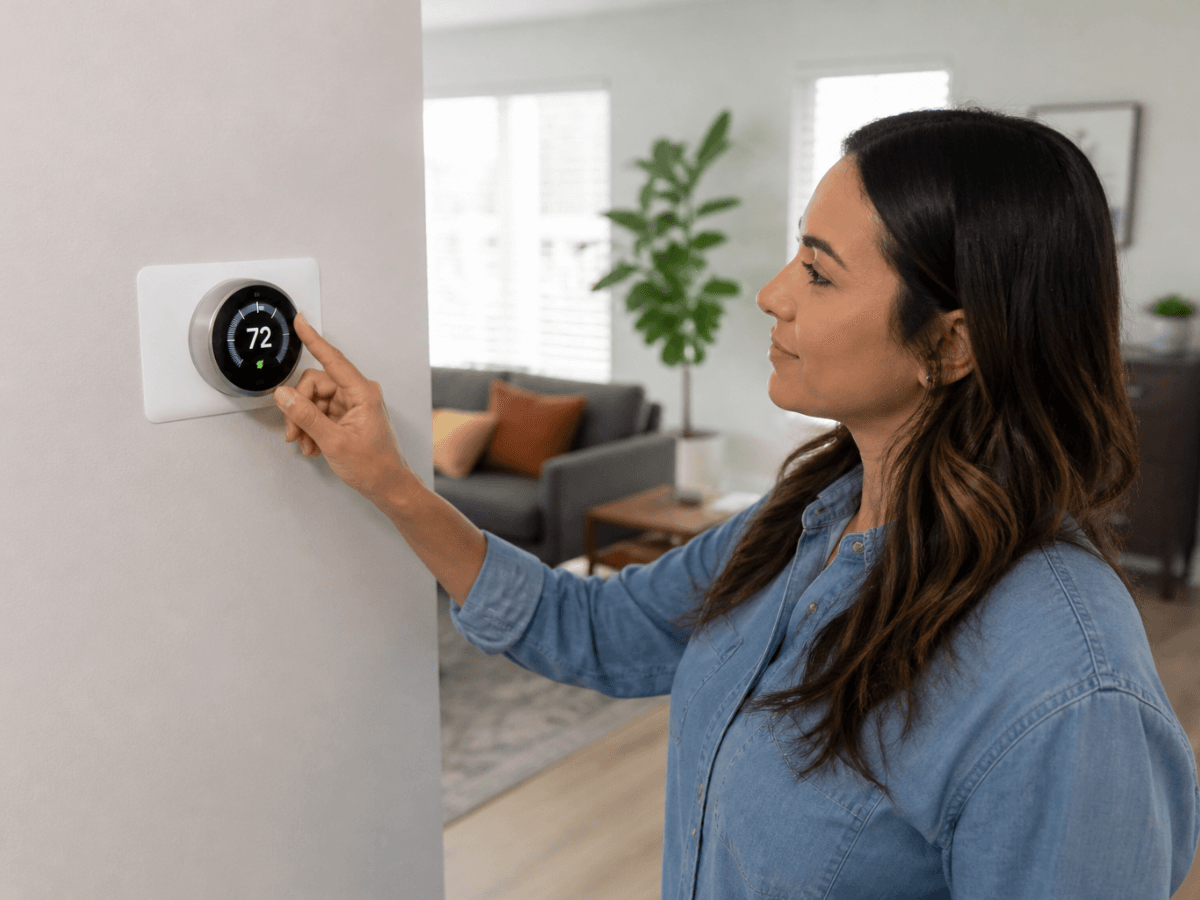
Programmable thermostats have become a practical way to manage both comfort and energy use in the home. Instead of constantly adjusting temperatures throughout the day, these systems allow you to set a schedule that matches how you actually live.
This approach is central to effective thermostat programming tips because it focuses on using energy only when it is needed. One of the most noticeable benefits is reduced energy consumption.
When your system is not working as hard during times when no one is home or while you are asleep, it naturally uses less power. Over time, this can lead to lower utility costs without sacrificing comfort.
Convenience is another key advantage. Once your schedule is set, the system adjusts automatically. You do not have to remember to raise or lower the temperature throughout the day. This consistency helps maintain a comfortable environment while also making your routine simpler.
Programmable thermostats also give you more control over your indoor climate. Instead of reacting to temperature changes, you can plan ahead. This level of control allows you to fine-tune your system so it works efficiently while still meeting your comfort preferences.
How Daily Scheduling Improves Long-Term Efficiency
Creating a daily schedule is where many of the benefits come together. By setting specific temperatures for different times of day, you can reduce unnecessary system use.
For example, allowing the temperature to rise slightly during the day when the house is empty can make a meaningful difference in overall energy use.
These types of thermostat programming tips are most effective when they reflect your actual routine. A schedule that aligns with when you are home, away, or asleep ensures that your system is not running more than it needs to.
Over time, this approach helps reduce wear on your HVAC system as well. When the system operates more efficiently, it does not have to work as hard, which can support longer-term performance.
How Atlanta’s Climate Shapes Thermostat Settings
Climate plays a major role in how you program your thermostat. In a place like Atlanta, where summers are hot and winters are relatively mild, your settings will naturally shift throughout the year. Adjusting your schedule to reflect these seasonal changes is an important part of using your system effectively.
During the summer months, slightly higher temperature settings can help reduce cooling costs while still keeping your home comfortable.
This is especially useful during peak daytime hours when outdoor temperatures are at their highest. By easing the workload on your system during these times, you can improve efficiency without a noticeable impact on comfort.
In the cooler months, the approach changes. Lowering the temperature slightly at night or when the home is unoccupied can help conserve energy. Since winters are milder, these adjustments can often be made without affecting overall comfort.
Why Seasonal Adjustments Make A Difference
Seasonal changes are an opportunity to revisit your settings and make small improvements. Even a few degrees of adjustment can have a noticeable effect on energy use over time.
These changes do not need to be drastic. The goal is to find a balance that works for both comfort and efficiency. This is where thoughtful thermostat programming tips come into play.
By reviewing your schedule as the seasons shift, you can keep your system aligned with current conditions instead of relying on a one-size-fits-all approach.
Bringing Comfort And Efficiency Together
Programmable thermostats offer a straightforward way to manage your home’s climate more effectively. By combining daily scheduling with seasonal adjustments, you create a system that works with your routine rather than against it.
Over time, this approach helps maintain consistent comfort while reducing energy use. It also makes your HVAC system easier to manage, giving you a more predictable and efficient way to control your indoor environment.
What Are The Best Thermostat Temperature Settings For Energy Efficiency In Atlanta?
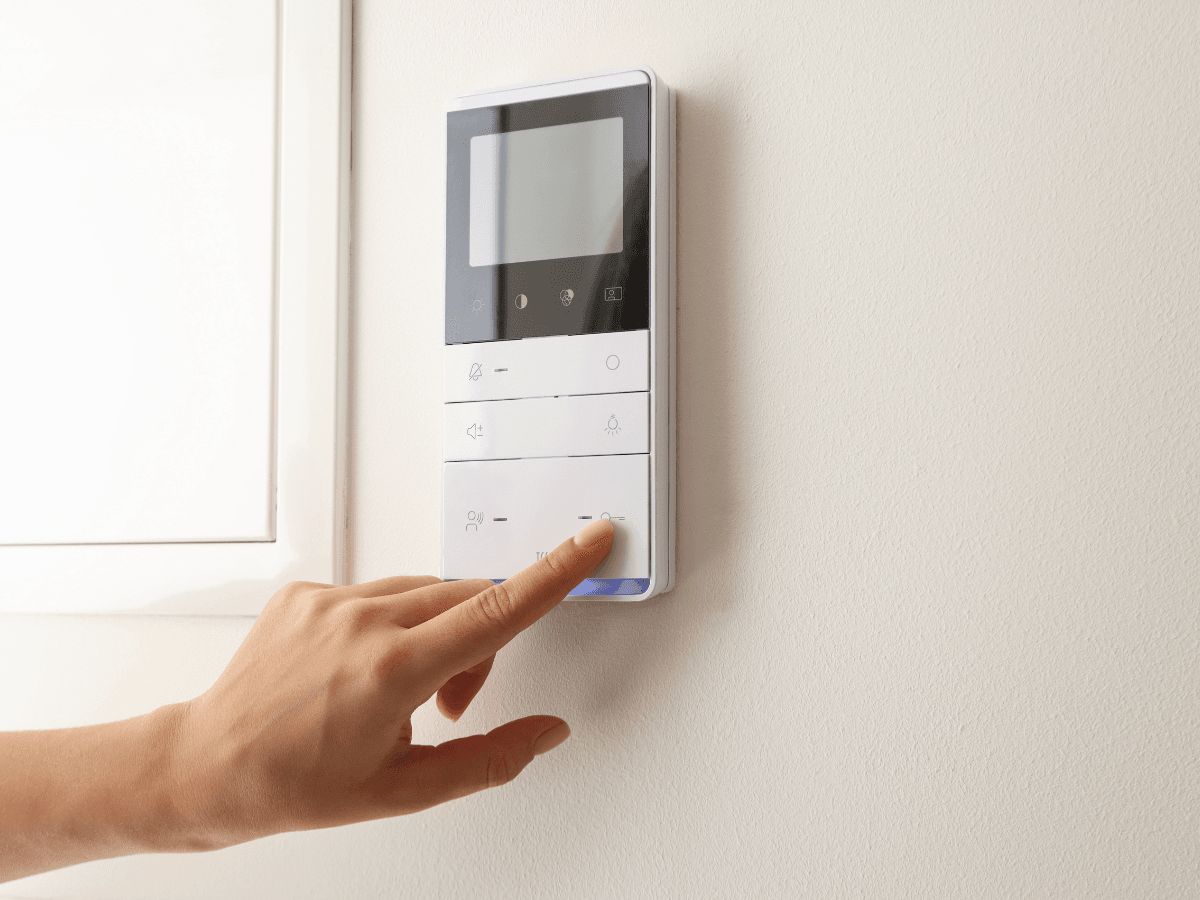
Finding the right balance between comfort and energy savings starts with setting your thermostat thoughtfully. In a climate like Atlanta’s, where summers are long and warm, and winters are relatively mild, small adjustments can make a noticeable difference.
Many thermostat programming tips focus on aligning your settings with daily habits rather than keeping one fixed temperature all day. During the winter, a setting around 68°F while you are home and awake is widely recommended.
When you are sleeping or away, lowering the temperature to around 60°F helps reduce energy use without making your home uncomfortably cold.
In the summer, keeping your thermostat near 75°F while at home offers a good balance between comfort and efficiency, while raising it to about 85°F when you are out can significantly cut cooling costs. These adjustments may seem minor, but over time, they can lead to meaningful savings while still keeping your home comfortable.
How To Adjust Settings For Daily Comfort And Savings
Rather than thinking in terms of a single temperature, it helps to think in terms of patterns. Your thermostat should reflect how your home is actually used throughout the day. This is where practical thermostat programming tips come into play.
For example, during the day when the house is empty, allowing the temperature to drift slightly higher in summer or lower in winter reduces unnecessary system use.
In the evening, when everyone is home, the system can return to a more comfortable range. At night, a modest adjustment can improve sleep while continuing to save energy.
This approach is less about strict rules and more about creating a rhythm that matches your routine. Over time, these small changes can reduce strain on your HVAC system and improve overall efficiency.
Which Temperature Settings Work Best In Winter
Atlanta winters do not usually require extreme heating, which makes it easier to manage energy use without sacrificing comfort. Keeping your thermostat at 68°F during active hours provides a comfortable indoor environment for most households.
Lowering the temperature when you are asleep or away is where the real savings happen. A drop of several degrees can reduce heating demand without affecting your day-to-day comfort. Because the climate is relatively mild, your system does not need to work as hard to bring the temperature back up when needed.
This makes winter scheduling one of the simplest ways to apply thermostat programming tips effectively.
How To Handle Thermostat Settings During Summer Heat
Summer in Atlanta brings higher temperatures and humidity, which means your cooling system works harder for longer periods. Setting your thermostat to around 75°F when you are home keeps things comfortable while avoiding excessive energy use.
When the house is empty, increasing the temperature to the mid-80s helps reduce the workload on your system. This does not mean turning the system off entirely, but rather letting it maintain a less demanding baseline.
These adjustments are especially helpful during peak afternoon hours when cooling costs tend to be highest. By planning for those periods, you can keep energy use under control without constantly adjusting your thermostat.
How To Program Your Thermostat For Seasonal Changes
Seasonal programming is where consistency really pays off. Instead of manually adjusting your thermostat every day, setting a schedule for each season ensures your system runs efficiently without constant attention.
In winter, the focus is on slightly lower temperatures during inactive hours. In summer, the strategy shifts toward higher settings during the day when the home is unoccupied. These seasonal patterns help your system adapt to changing conditions while keeping your energy use predictable.
Why Humidity Control Matters For Efficiency
Temperature is only part of the equation. Humidity also plays a big role in how comfortable your home feels. High humidity can make warm air feel even hotter, while balanced moisture levels can make higher temperatures more tolerable.
Managing humidity through proper ventilation or tools like dehumidifiers can support your thermostat settings. When moisture levels are under control, your system does not have to work as hard to maintain comfort. This adds another layer of efficiency to your overall approach.
By combining thoughtful scheduling with humidity awareness, you can get more out of your thermostat while keeping your home comfortable year-round.
What Are Step-By-Step Instructions For Winter Thermostat Programming?
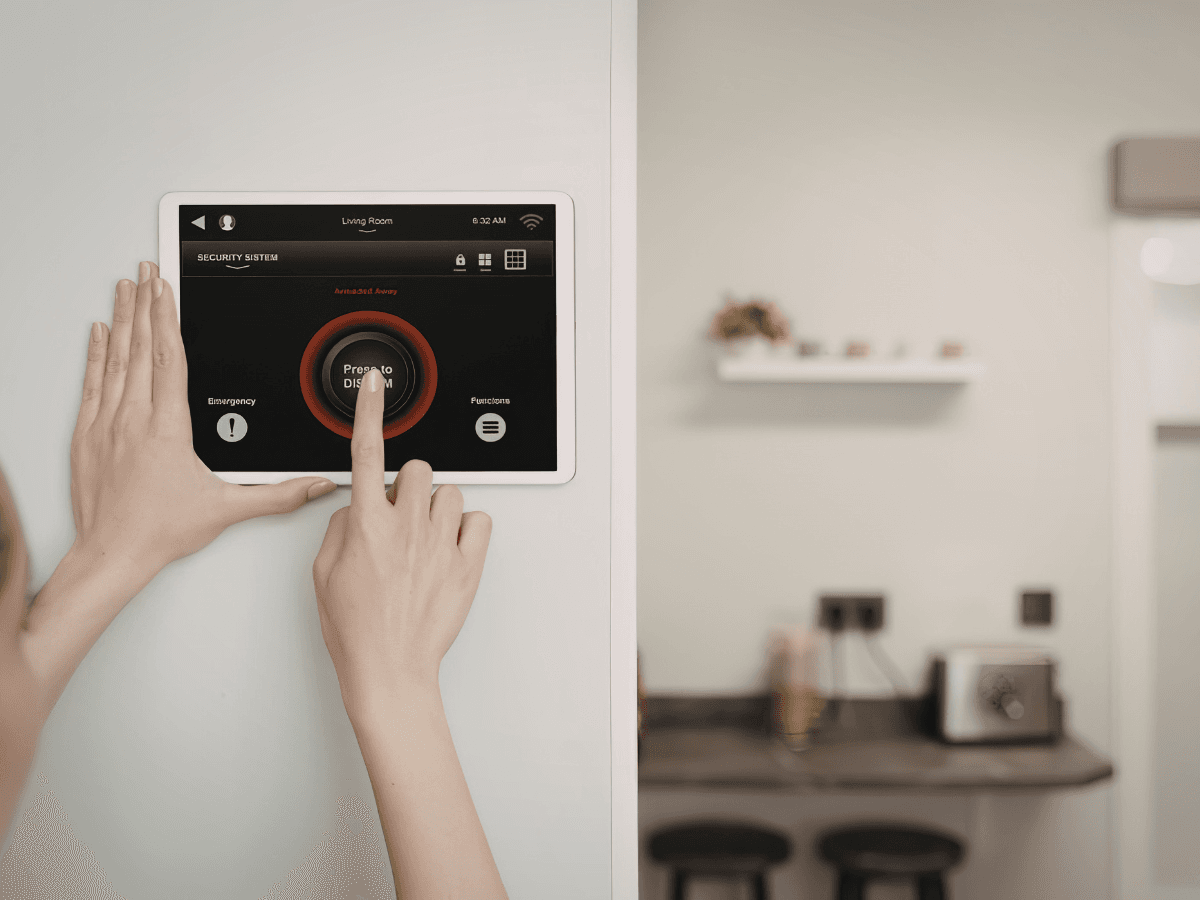
Programming your thermostat for winter is less about strict rules and more about creating a schedule that supports both comfort and efficiency.
A good starting point is to set your daytime temperature to around 68°F while you are home and active. This level typically keeps living spaces comfortable without putting unnecessary strain on your heating system.
At night, lowering the temperature to about 60°F can help reduce energy use while still maintaining a comfortable sleeping environment. When the house is empty, keeping the thermostat at that same lower setting prevents wasted energy without allowing the home to become too cold.
These simple adjustments form the foundation of effective thermostat programming tips. Once set, they create a steady routine that keeps your home comfortable while minimizing heating costs.
How To Adjust Thermostat Schedules For Summer Cooling Efficiency
Summer programming follows a different strategy, focused on reducing cooling demand during the hottest parts of the day. When you are home, setting the thermostat to around 75°F provides a good balance between comfort and energy savings.
When the house is unoccupied, raising the temperature to approximately 85°F helps reduce the workload on your air conditioning system. This approach keeps the system from running unnecessarily while still maintaining a manageable indoor environment.
At night, a slightly lower setting, around 78°F, often improves comfort for sleeping without significantly increasing energy use. These adjustments are some of the most practical thermostat programming tips for managing high summer temperatures without driving up utility bills.
How To Build A Daily Thermostat Schedule That Works
Modern thermostats make it easy to create a schedule that matches your routine. Instead of constantly adjusting the temperature manually, you can program changes throughout the day based on when your home is occupied.
During weekdays, many households benefit from lowering or raising the temperature while everyone is at work, then returning it to a comfortable level before people arrive home. Even small timing adjustments can make a noticeable difference in overall energy use.
Weekends often require a different approach. Since people tend to spend more time at home, your schedule may need fewer temperature swings. Taking a few minutes to customize both weekday and weekend settings ensures your system runs efficiently without sacrificing comfort.
Why Seasonal Adjustments Matter
As the seasons change, so should your thermostat schedule. A setup that works well in winter will not be as effective in summer, and vice versa. Updating your programming a few times a year helps your HVAC system respond to changing outdoor conditions.
For example, cooler spring and fall weather may allow for more moderate settings throughout the day. This flexibility can reduce reliance on heating and cooling altogether, which naturally lowers energy consumption.
Keeping your schedule aligned with the seasons is one of the easiest ways to get more value from your thermostat programming tips without needing constant fine-tuning.
How Monitoring Energy Use Improves Efficiency
Programming your thermostat is only part of the process. Paying attention to how your system performs over time can help you make smarter adjustments. Many modern thermostats provide insights into energy usage, making it easier to spot patterns.
If you notice higher energy use during certain times of day, it may be worth adjusting your schedule slightly to reduce demand during those periods. Over time, these small refinements can lead to meaningful savings.
By combining consistent scheduling with occasional adjustments based on real usage, you can create a system that works efficiently in the background while keeping your home comfortable year-round.
What Smart Thermostat Tips Help Atlanta Homeowners Maximize Energy Savings?
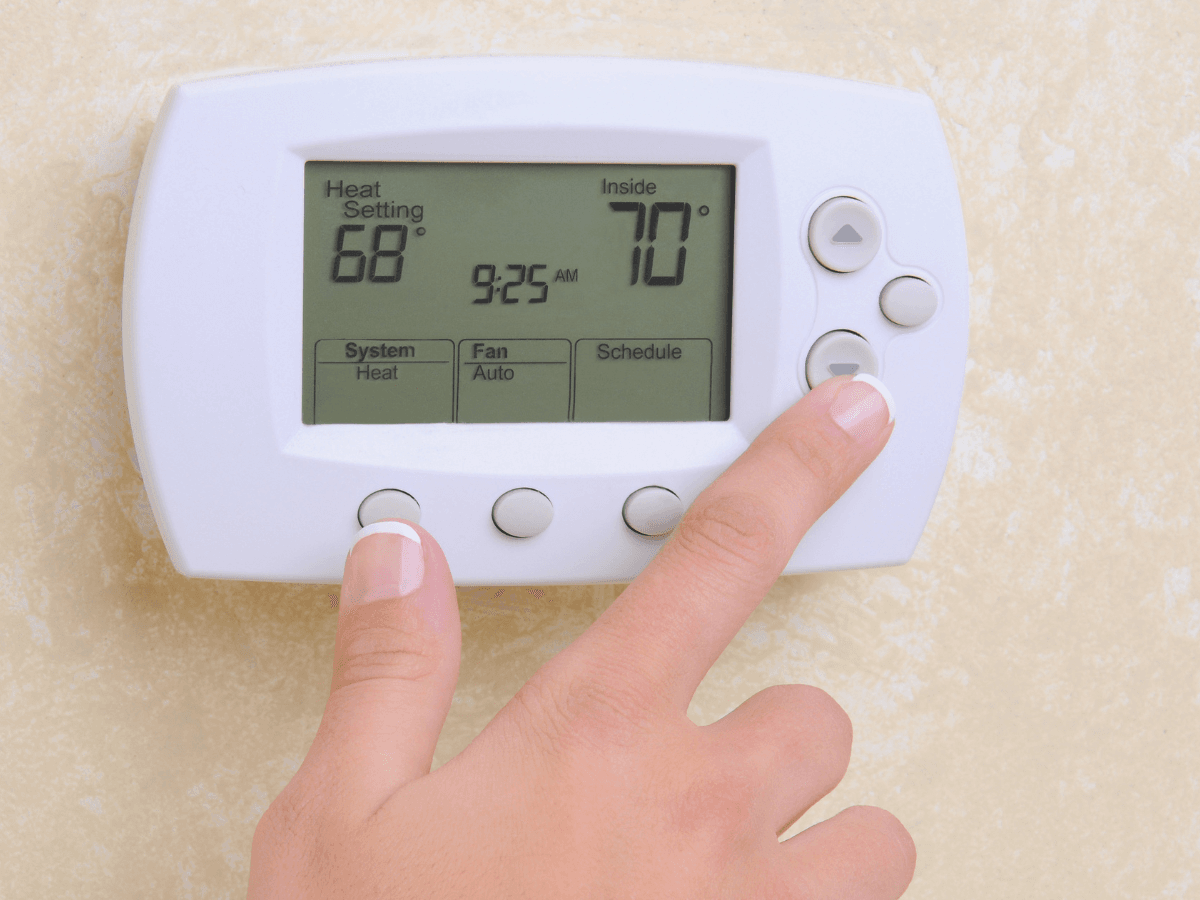
Smart thermostats can do much more than simply adjust temperature. When used well, they become a powerful tool for improving efficiency without sacrificing comfort.
One of the most effective thermostat programming tips is to let the device learn your routine. Many modern systems track when you are home, asleep, or away, then adjust temperatures automatically to match your habits.
Checking energy reports regularly also adds another layer of control. These reports show when your system is working hardest, which can help you fine-tune your schedule over time.
In a climate like Atlanta’s, where temperatures shift between seasons, updating your settings a few times a year keeps everything running efficiently. Taken together, these small adjustments help your system work smarter rather than harder, which is key to long-term energy savings.
How Zoning Systems Improve Comfort And Efficiency
In larger homes, a single thermostat often struggles to keep every room comfortable. This is where zoning systems come in. By dividing your home into separate areas, each with its own temperature control, you can avoid overcooling or overheating unused spaces.
Zoning works especially well when paired with smart thermostat programming tips. For example, you can keep living areas comfortable during the day while reducing heating or cooling in bedrooms until evening. This targeted approach reduces energy use because your system only focuses on the spaces that actually need it.
It also improves overall comfort, since different areas of the home can be adjusted based on how they are used.
How To Set Up Smart Thermostats For Automated Scheduling
Setting up a smart thermostat is usually straightforward, but taking the time to program it properly makes a noticeable difference. After installation and connecting the device to your Wi-Fi network, the most important step is building a schedule that reflects your daily routine.
Start by identifying when your home is typically occupied and when it is empty. From there, create temperature adjustments that align with those patterns. Many systems allow you to control everything through a mobile app, which makes it easy to update settings if your schedule changes.
Over time, the thermostat may begin to make its own adjustments based on your behavior. This automated approach is one of the most practical thermostat programming tips because it reduces the need for constant manual changes.
Which Smart Features Make The Biggest Impact
Not all smart features are equally important, so it helps to focus on the ones that offer the most value. Remote access is one of the most useful tools, allowing you to adjust your home’s temperature from anywhere. If your plans change, you can easily update your settings without wasting energy.
Energy tracking is another feature worth paying attention to. Seeing how your usage changes from day to day can highlight patterns you might not otherwise notice. This makes it easier to identify opportunities for improvement.
Learning algorithms also play a key role. By adapting to your habits, these systems remove much of the guesswork involved in temperature management. Instead of constantly adjusting settings yourself, the thermostat gradually refines the schedule for you.
How To Get The Most Out Of Smart Technology
To truly maximize efficiency, it helps to think of your thermostat as part of a larger system. Combining smart scheduling with zoning, seasonal adjustments, and regular monitoring creates a more complete strategy.
The goal is not to chase perfect settings, but to create a setup that works consistently over time. By applying a few well-chosen thermostat programming tips and letting your system adapt, you can maintain a comfortable home while keeping energy use under control.
How Can Regular HVAC Maintenance Improve Thermostat Programming Results?
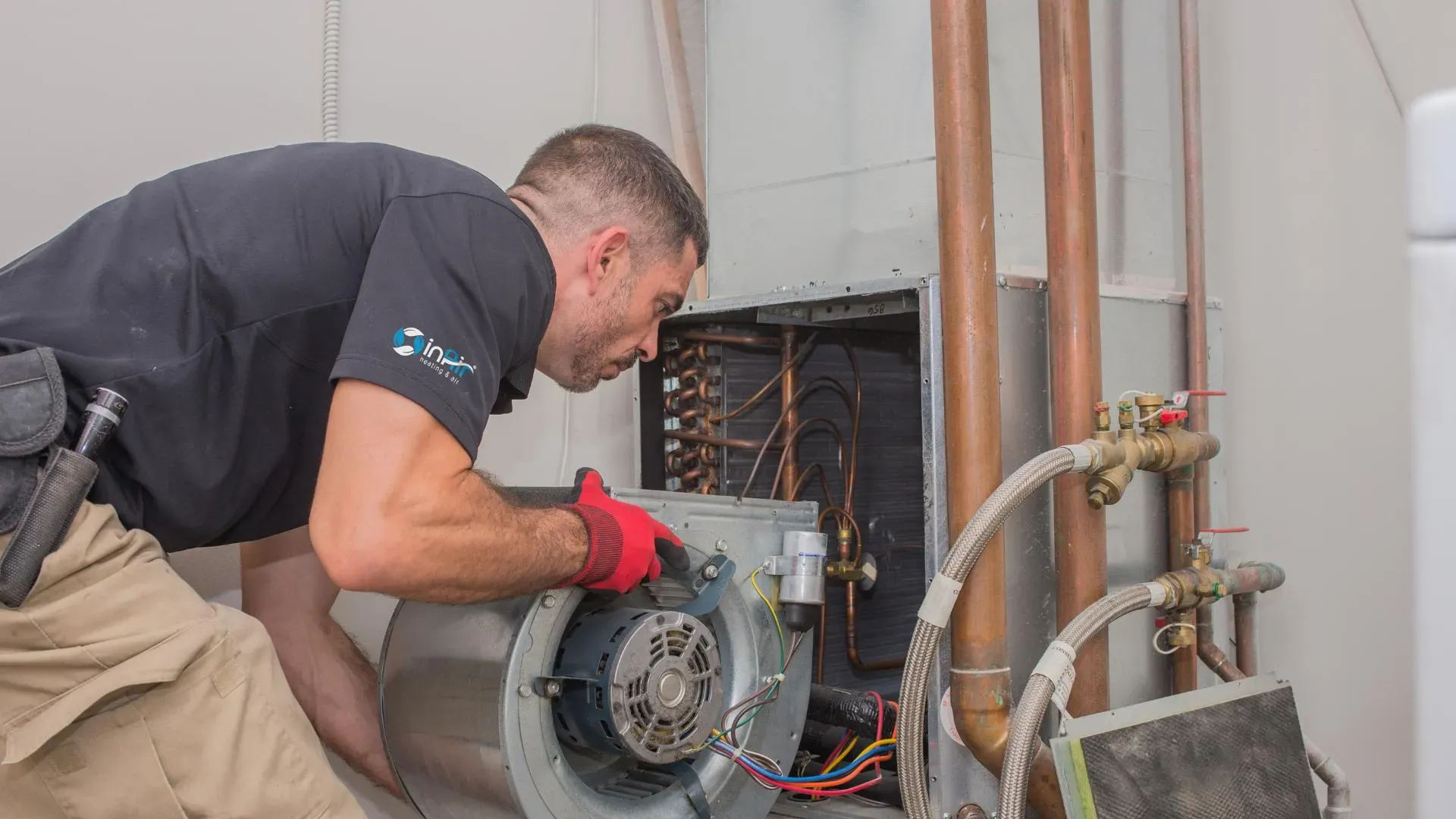
Even the best thermostat programming tips will fall short if your HVAC system is not running properly. A thermostat can only control what the system delivers, so if airflow is restricted or components are worn down, your carefully planned schedule may not produce the results you expect.
Routine maintenance helps your system respond more accurately to programmed settings. Clean filters allow air to move freely, which means your home reaches the desired temperature more efficiently.
When airflow is consistent, your thermostat does not have to compensate by running longer cycles, which can lead to higher energy use.
Regular upkeep also helps maintain stable temperature control. Instead of uneven cooling or heating from room to room, a well-maintained system supports the schedule you have set, making your thermostat programming tips more effective in day-to-day use.
Why Consistent Maintenance Supports Efficiency And Comfort
There is a direct connection between maintenance and efficiency. When your HVAC system is clean and properly adjusted, it uses less energy to achieve the same results. That translates into lower utility bills and a more predictable indoor environment.
Annual inspections play a key role here. A technician can identify small issues, such as minor leaks or worn components, before they turn into larger problems. Addressing these early keeps your system operating smoothly and prevents disruptions to your programmed schedule.
Comfort is another benefit that is often overlooked. When your system is running efficiently, it maintains temperatures more consistently throughout your home. This makes your thermostat programming feel more reliable, rather than something you constantly need to adjust.
Why Energy Efficient Maintenance Improves Thermostat Performance
Thermostats rely on accurate system performance to do their job well. If your HVAC system is struggling, even the most precise programming will not deliver the expected results. This is why energy-efficient maintenance is so important.
Simple tasks like replacing filters regularly and keeping system components clean can have a noticeable impact. When dust and debris build up, your system has to work harder, which can throw off your schedule and reduce efficiency. Keeping everything clean allows your thermostat settings to function as intended.
Well-maintained systems also cycle more efficiently. Instead of running longer than necessary, they reach target temperatures faster and shut off at the right time. This improves both energy use and overall comfort, reinforcing the value of good thermostat programming tips.
What Troubleshooting Steps Help Maintain Accurate Scheduling
Even with proper maintenance, occasional issues can affect how your thermostat performs. Knowing how to troubleshoot common problems can help you keep your schedule on track.
If your thermostat is not responding as expected, start by checking its connection. Smart thermostats rely on a stable Wi-Fi signal, so connectivity issues can interfere with scheduled adjustments. Reviewing your programmed settings is also important, especially if your routine has changed.
Power issues can sometimes be the cause as well. If the display is unresponsive or behaving inconsistently, replacing the batteries or checking the power source may resolve the problem.
How Maintenance And Programming Work Together
The most effective approach combines consistent maintenance with thoughtful scheduling. One supports the other. A clean, efficient system makes your thermostat programming tips more reliable, while a well-planned schedule reduces unnecessary strain on your equipment.
Over time, this combination leads to better performance, lower energy costs, and fewer unexpected issues. Instead of constantly adjusting your thermostat or dealing with uneven temperatures, you end up with a system that works quietly in the background, delivering consistent comfort throughout your home.
What Financing Options Are Available For Upgrading to Energy-Saving Thermostats In Atlanta?
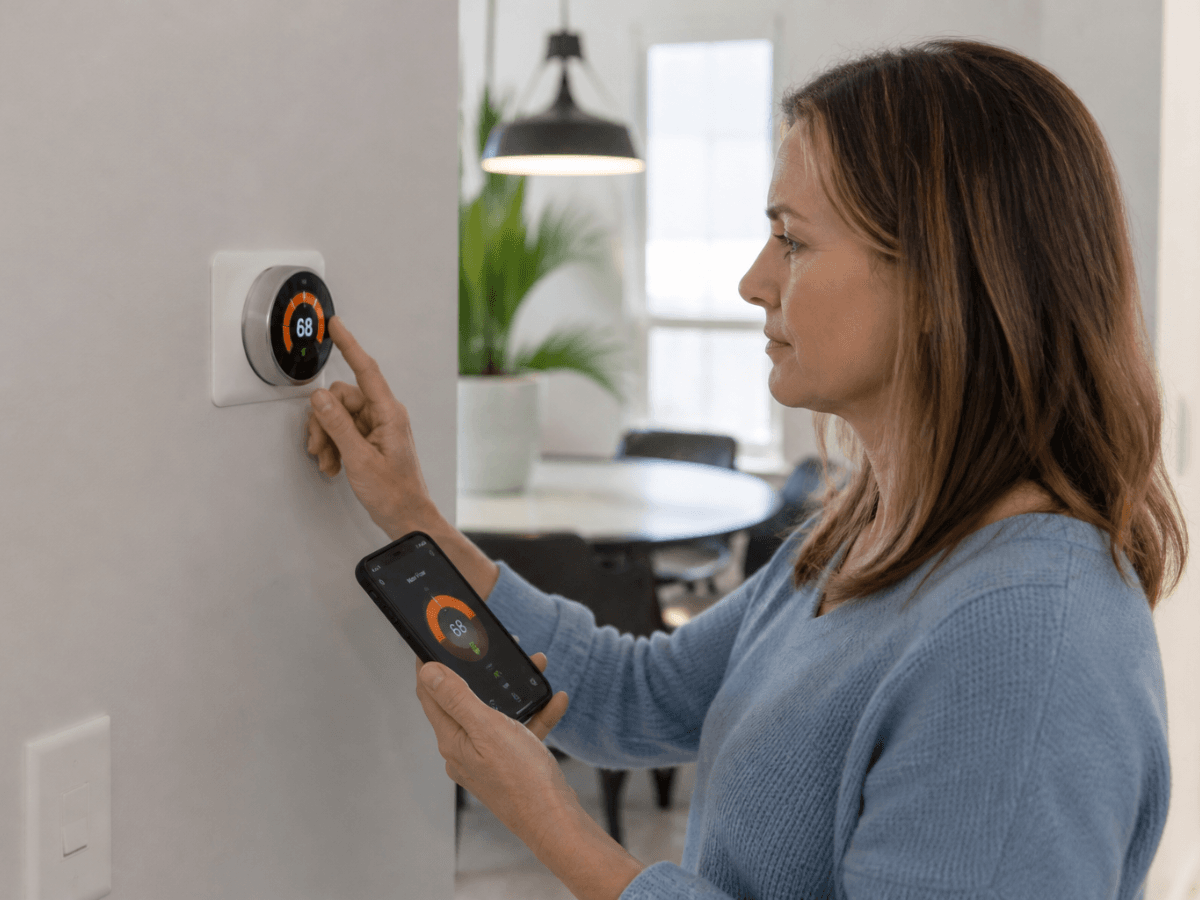
Upgrading to a smart or energy-saving thermostat does not always require paying the full cost upfront. Many homeowners explore financing options that make the investment more manageable while still benefiting from improved efficiency right away.
When paired with practical thermostat programming tips, these upgrades can quickly start paying off through lower energy use. One of the most common options is utility rebates.
Many local energy providers offer incentives for installing energy-efficient devices, including smart thermostats. These rebates can reduce the initial cost, making it easier to justify the upgrade.
Low-interest financing is another route. Some lenders and home improvement programs offer loans specifically for energy-related upgrades.
These plans allow homeowners to spread the cost over time, often with manageable monthly payments. In some cases, there may also be tax incentives available, depending on current energy efficiency programs.
How Can Homeowners Access Financing For Smart Thermostat Installation?
Finding the right financing option starts with a bit of research. Local utility companies are often the best place to begin, as they frequently promote rebates or incentive programs tied to energy efficiency. These programs are designed to encourage upgrades that reduce overall energy demand.
Once you identify available options, the next step is gathering the necessary documentation. This might include proof of homeownership, basic financial details, or information about the equipment you plan to install. While the process is usually straightforward, being prepared can help speed things along.
After submitting an application, approval timelines can vary depending on the provider. Some rebate programs are processed after installation, while financing options may be approved in advance.
Either way, taking advantage of these programs can make it easier to combine smart upgrades with effective thermostat programming tips.
Why Financing Can Support Smarter Energy Decisions
For many homeowners, the biggest barrier to upgrading is the upfront cost. Financing removes that obstacle, allowing you to focus on long-term benefits instead of immediate expense. This shift in perspective often leads to better decisions about energy use and home comfort.
With a modern thermostat in place, it becomes easier to apply consistent thermostat programming tips that reduce waste. Over time, the energy savings can offset a portion of the upgrade cost, making the investment more practical than it might seem at first.
Financing also allows you to act sooner rather than waiting. Instead of delaying improvements, you can start benefiting from better control and efficiency right away.
What Are The Long-Term Benefits Of Financing HVAC Energy Upgrades?
Beyond making upgrades more accessible, financing can have a lasting impact on your home. Energy-efficient systems, including smart thermostats, typically lead to lower monthly utility bills.
Even modest improvements in efficiency can add up over time, especially in climates with heavy heating and cooling demands. There is also the potential for increased property value.
Buyers are often drawn to homes with modern, energy-conscious features already in place. A well-designed system that uses thoughtful thermostat programming tips can be a selling point, particularly for those looking to manage long-term costs.
Finally, financing helps create a more consistent and comfortable indoor environment. With better temperature control and improved system performance, your home feels more predictable and easier to manage throughout the year.
How To Choose The Right Option For Your Home
Not every financing option will be the right fit, so it helps to compare what is available. Consider the total cost over time, including interest, as well as any immediate savings from rebates or incentives. In some cases, combining multiple options can provide the best overall value.
The goal is to make an upgrade that supports both your budget and your comfort. When paired with reliable thermostat programming tips, a smart thermostat becomes more than just a device. It becomes part of a long-term strategy for managing energy use efficiently and effectively.
What Recent Data Supports Energy Savings From Smart Thermostat Adoption?

Smart thermostats are often promoted as a simple way to cut energy costs, and recent data backs that up. Studies suggest that households using these devices can reduce energy use by as much as 10 to 15 percent, depending on how consistently the system is used and how well it is programmed.
These savings are not just about the device itself. They come from better habits and more precise control. Smart systems make it easier to apply effective thermostat programming tips, such as adjusting temperatures when the home is empty or during sleeping hours. Over time, these small changes add up.
Research also shows that thermostats designed around occupant behavior tend to perform best. By learning when people are home and how they prefer their environment, these systems can automatically make adjustments that reduce waste without sacrificing comfort.
Why Smart Technology Changes Energy Habits
One of the biggest advantages of smart thermostats is how they shift awareness. Instead of guessing how much energy your system is using, you can see patterns and trends in real time. This visibility often leads to more intentional decisions.
For example, many homeowners notice when their system runs heavily during certain hours. With that insight, they can adjust schedules or fine-tune settings. This is where thermostat programming tips become more effective, because they are based on actual usage rather than assumptions.
Behavior also plays a role. When people see the direct impact of their choices, they are more likely to stick with energy-saving routines. Over time, this leads to more consistent and meaningful reductions in energy use.
How Proper HVAC Scheduling Improves Seasonal Efficiency
Seasonal changes require different approaches to heating and cooling. A schedule that works well in winter will not be as effective in summer, which is why adjusting your thermostat throughout the year is so important.
In colder months, lowering the temperature at night and when the home is empty reduces unnecessary heating. In warmer months, raising the temperature during the day when no one is home helps limit cooling demand during peak hours.
These adjustments are a core part of practical thermostat programming tips. Instead of reacting to temperature changes throughout the day, you are planning ahead based on predictable patterns. This reduces strain on your system and keeps energy use more consistent.
How Scheduling And Smart Tools Work Together
Smart thermostats and scheduling strategies are most effective when used together. The technology provides the data and automation, while your schedule sets the overall direction. When these two elements are aligned, your system can operate with minimal effort on your part.
For instance, a smart thermostat may learn your daily routine and begin adjusting temperatures automatically. At the same time, you can refine those settings based on seasonal needs or personal comfort preferences. This combination creates a more responsive and efficient system.
Over time, the need for constant manual adjustments fades. Your thermostat begins to anticipate your needs, which is one of the key benefits highlighted in modern thermostat programming tips.
What This Means For Long-Term Energy Savings
The real value of smart thermostat adoption shows up over the long term. While the initial savings may seem modest, consistent use leads to steady reductions in energy bills. More importantly, it creates a system that adapts to your lifestyle without requiring constant attention.
By combining smart features with thoughtful scheduling, homeowners can maintain comfort while reducing unnecessary energy use. This approach not only lowers costs but also helps extend the life of your HVAC system by reducing excessive wear.
In the end, the data supports what many homeowners already experience. When used correctly, smart thermostats and well-planned thermostat programming tips work together to create a more efficient and manageable home environment.
Conclusion
Mastering your thermostat programming is one of the simplest and most effective ways for Atlanta homeowners to save energy, reduce utility bills, and maintain year-round comfort. For professional HVAC guidance, smart thermostat installation, or a full system tune-up, trust inAir Heating & Air.
Ready to take control of your home’s energy efficiency? Call (770) 233-7777 or submit an HVAC request online today to schedule a consultation. Let our experts help you program your way to savings and comfort all year long.