



When it comes to increasing your home’s value, many homeowners focus on kitchens, bathrooms, or curb appeal while overlooking one of the most important systems behind everyday comfort.
An updated HVAC system can improve energy efficiency, lower operating costs, and make your property more appealing to prospective buyers who value long-term savings and reliable performance.
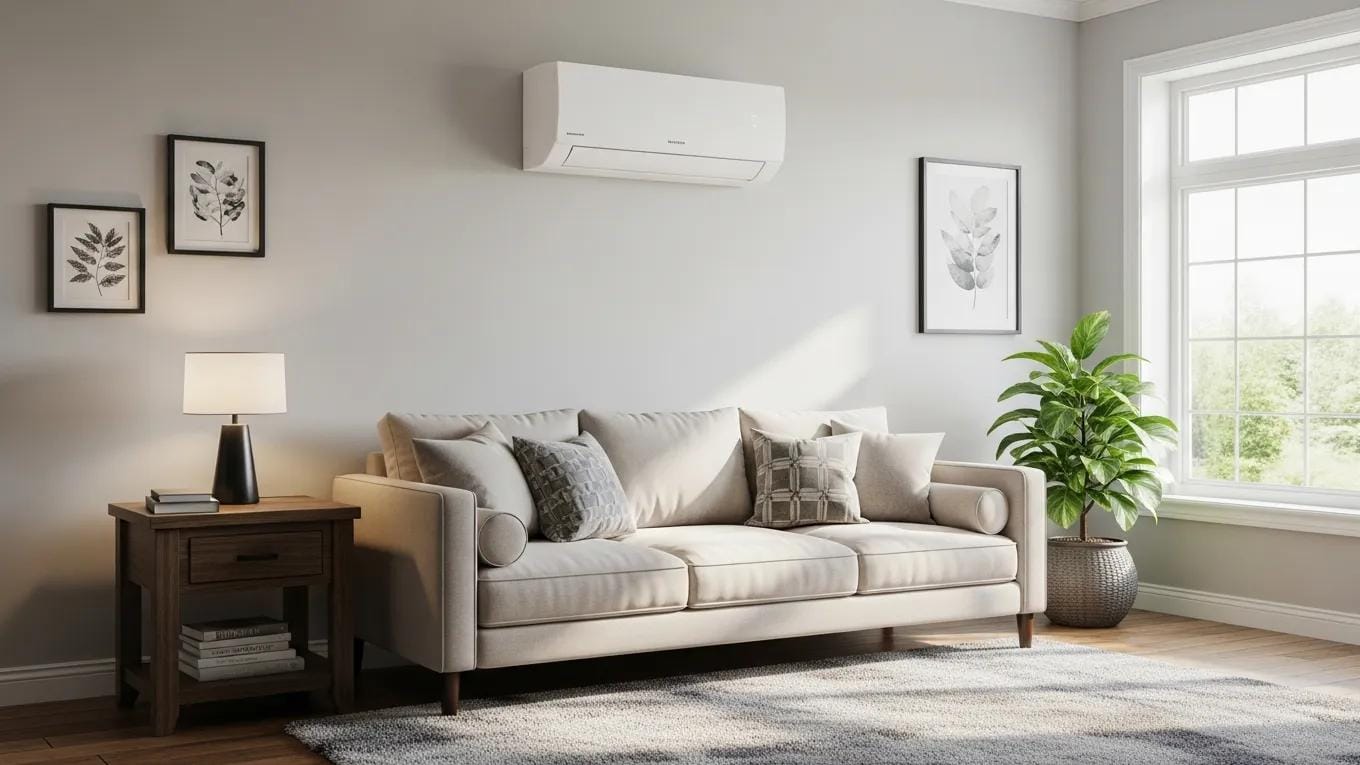
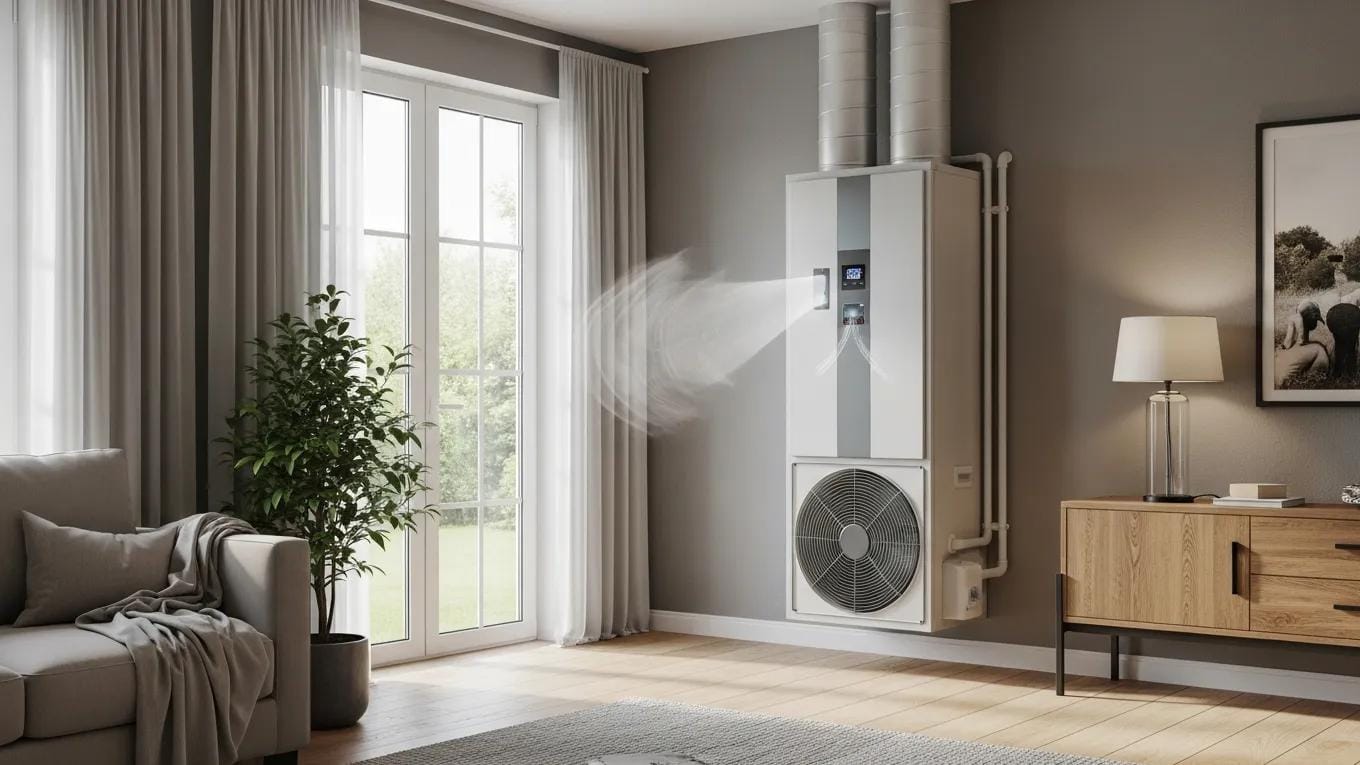
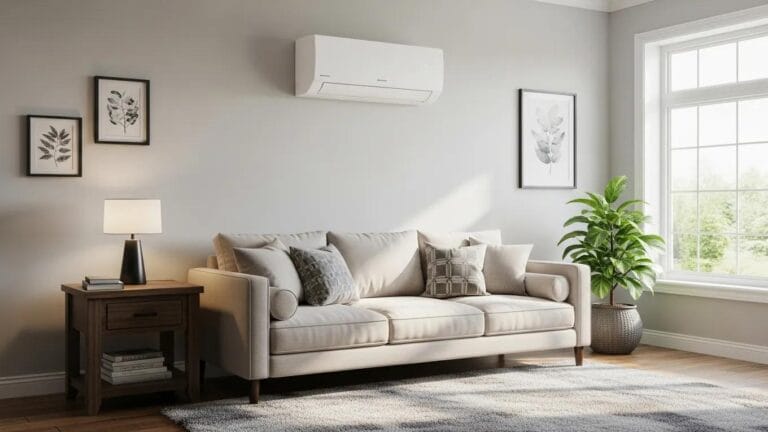
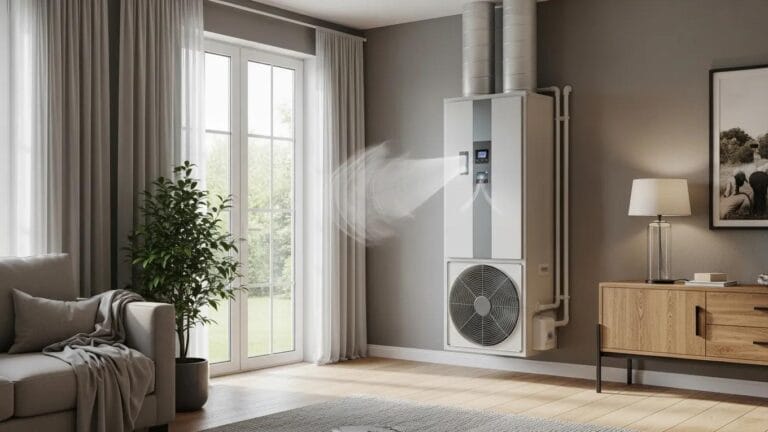
The right home value HVAC upgrades do more than replace aging equipment. Improvements such as high-efficiency systems, smart thermostats, enhanced indoor air quality solutions, and properly sealed ductwork can boost comfort while delivering a stronger return on investment.
This guide highlights the HVAC upgrades that add the most value, helping you prioritize improvements that enhance your home’s performance today while increasing its market appeal for the future.
Home Value HVAC Projects Every Homeowner Should Consider
Why HVAC Upgrades Can Increase Home Value
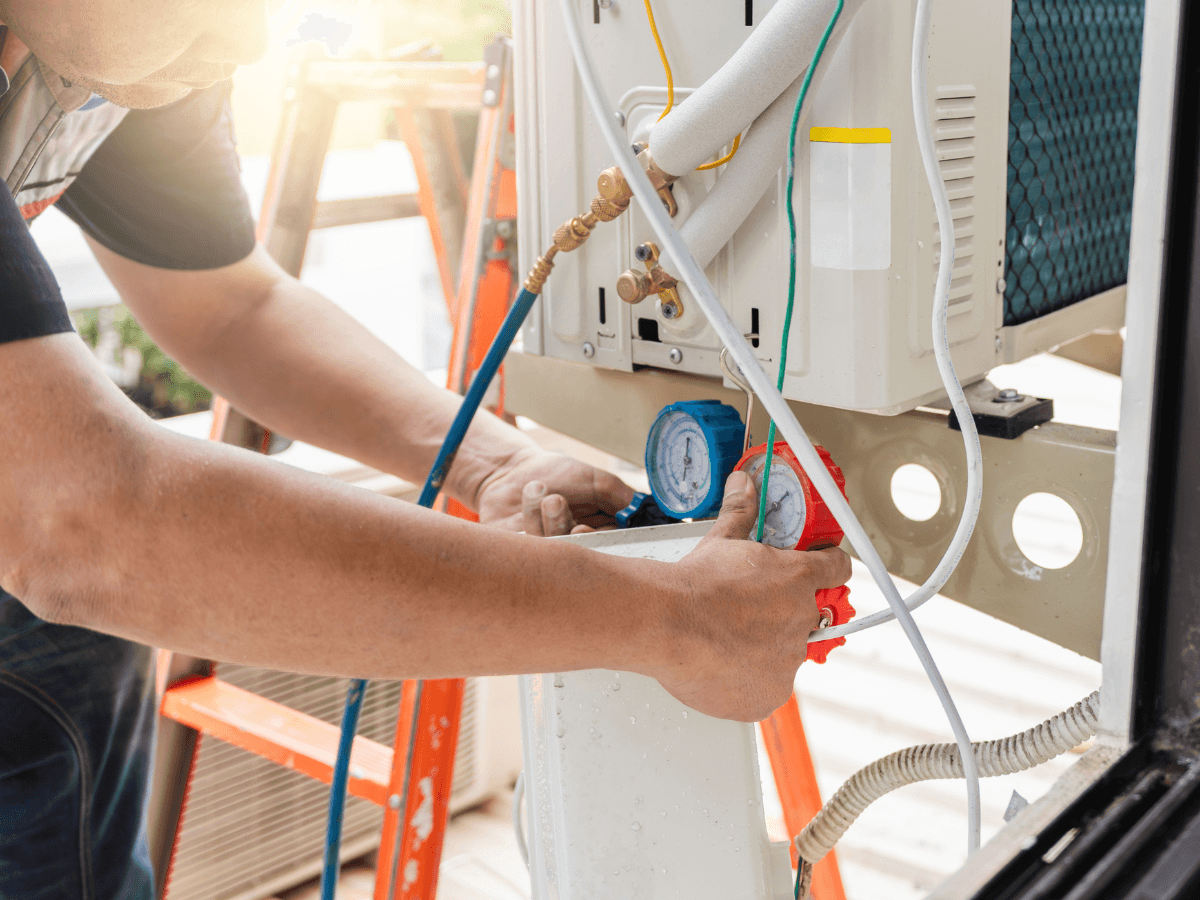
An HVAC upgrade does not automatically add its full installation cost to a home’s selling price. Its value comes from reducing concerns that often make buyers hesitate, such as high utility bills, uneven temperatures, aging equipment, and the possibility of an expensive replacement soon after closing.
For homeowners researching home value HVAC improvements, the strongest upgrades are usually those that solve an existing problem and make the property easier to own. A newer, properly sized system can improve daily comfort while presenting the home as efficient, well-maintained, and ready for its next owner.
Energy-Efficient HVAC Improves More Than Utility Costs
Lower energy use is one of the most recognizable advantages of efficient heating and cooling equipment, but it is not the only one. Modern HVAC systems can improve how the entire home feels and functions.
Depending on the equipment and installation, an upgrade may provide:
- More consistent temperatures between rooms
- Better humidity management
- Quieter heating and cooling
- Improved air filtration
- More precise thermostat control
- Fewer service concerns associated with aging equipment
These improvements matter because buyers experience a home before they study its technical specifications. Rooms that feel evenly cooled, comfortable, and quiet can create a stronger impression than a home with hot spots, excess humidity, or a noisy system cycling in the background.
An efficient system may also reduce monthly operating costs, though actual savings depend on climate, home size, insulation, ductwork, thermostat settings, and the condition of the previous equipment. Homeowners should avoid promising a specific amount unless they have documented energy data.
HVAC Upgrades Reduce a Common Buyer Concern
Aging mechanical systems often raise questions during a home sale. Buyers may worry about how soon the equipment will need to be replaced, whether it has been maintained, and what future repairs could cost.
A recently installed system can reduce that uncertainty. It signals that the buyer is less likely to face an immediate HVAC replacement after moving in, especially when the homeowner can provide permits, invoices, maintenance records, equipment specifications, and warranty information.
| HVAC Condition | Likely Buyer Perception |
|---|---|
| Newer system with service records | Lower near-term replacement risk |
| Older but well-maintained equipment | Acceptable, but remaining lifespan may be questioned |
| Uneven temperatures or frequent repairs | Possible system, ductwork, or insulation problem |
| Equipment near the end of its expected service life | Potential expense that may affect negotiations |
| New equipment without documentation | Upgrade is harder to verify or evaluate |
This does not mean every older system must be replaced before listing. If the equipment is working reliably and has been maintained, a pre-sale inspection may be more sensible than replacing it solely for marketing purposes.
The Quality of Installation Affects Long-Term Value
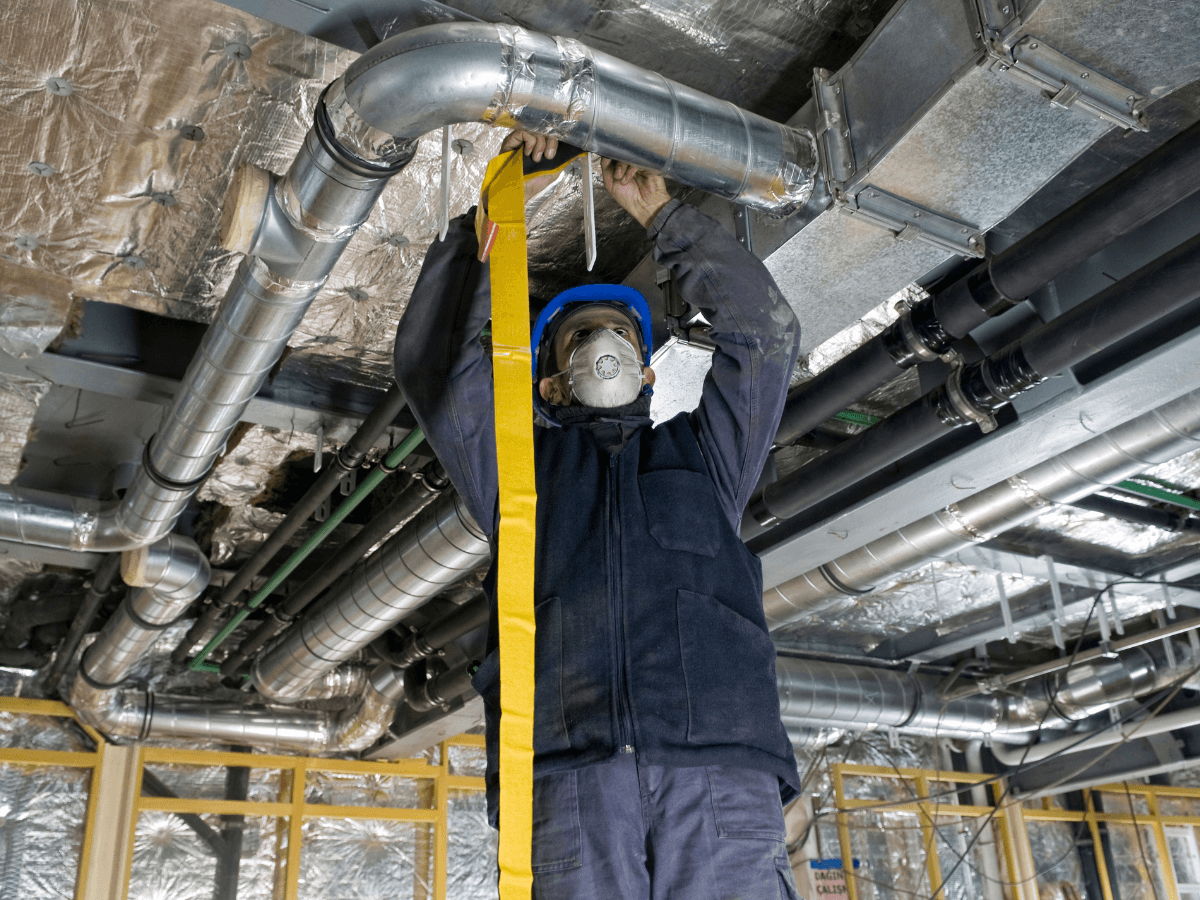
Buyers do not benefit from high-efficiency equipment if it is incorrectly sized or poorly installed. Oversized and undersized systems can both cause comfort problems, unnecessary cycling, humidity issues, and premature wear.
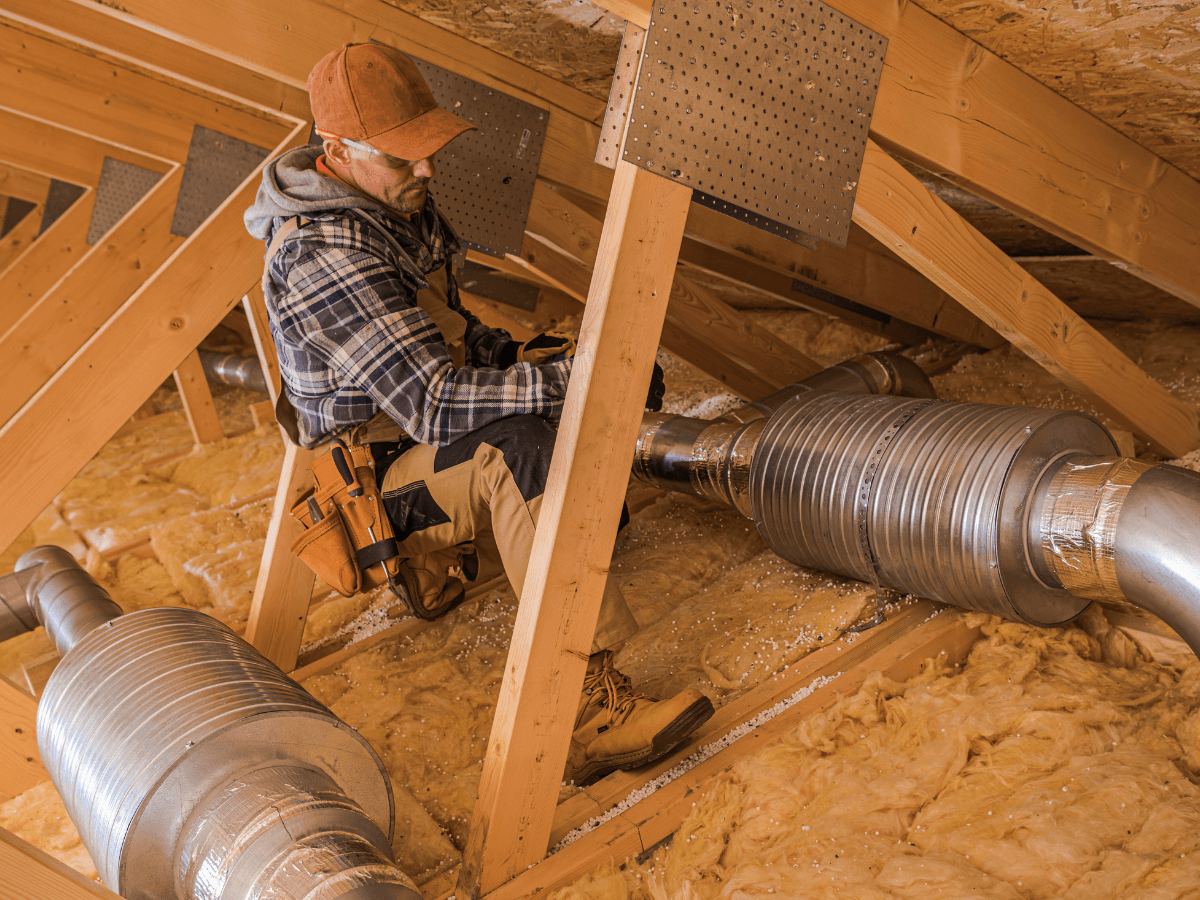
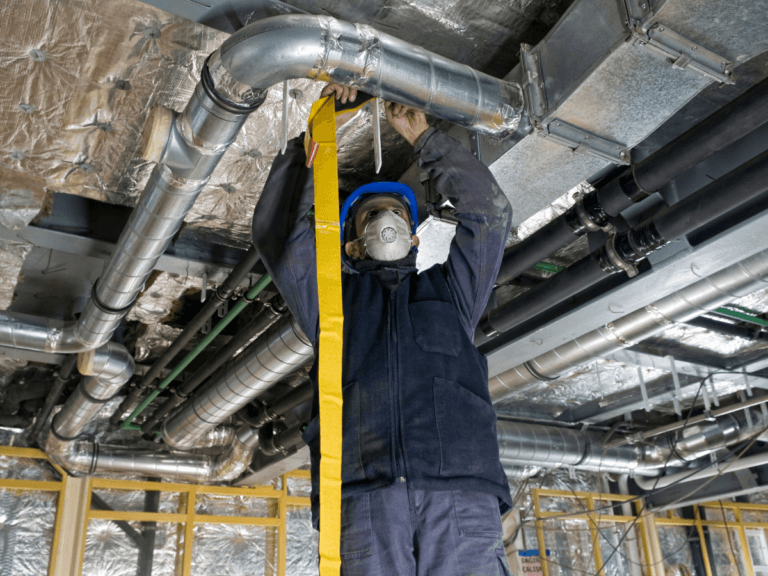
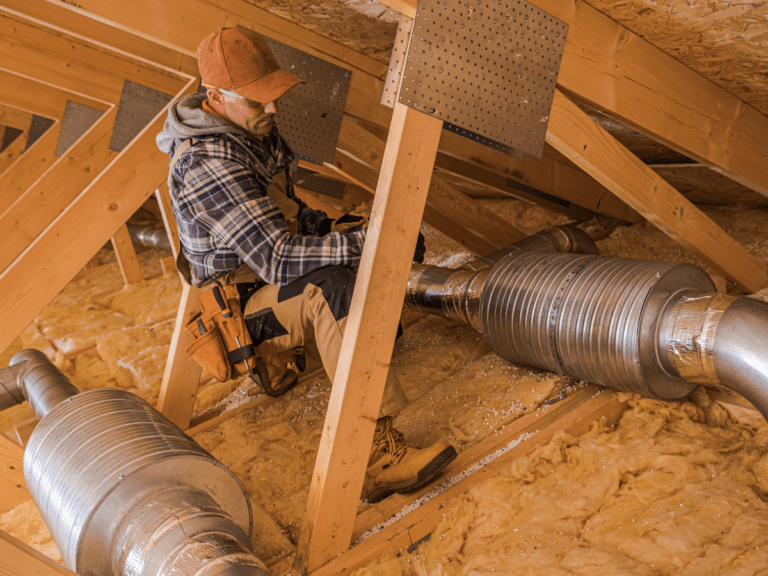
The condition of the ductwork also matters. Leaky, poorly insulated, or badly designed ducts can limit the performance of new equipment. Before investing in a replacement, homeowners should ask whether the project needs to include duct sealing, airflow adjustments, insulation improvements, or thermostat upgrades.
A complete home value HVAC plan should therefore focus on system performance rather than the efficiency rating alone. Proper sizing, professional installation, balanced airflow, and ongoing maintenance often matter as much as the equipment selected.
When an HVAC Upgrade Is Most Likely to Help Resale
An upgrade may have the greatest effect on buyer appeal when the current system:
- Requires frequent repairs
- Struggles to maintain comfortable temperatures
- Creates noticeable hot and cold spots
- Is unusually loud
- Uses outdated or inefficient equipment
- Is likely to become a negotiation issue during the sale
The value may be less clear when the existing system is relatively new, performs well, and has a documented maintenance history. In that situation, routine service and minor improvements may provide a better return than full replacement.
Homeowners should also consider how long they expect to remain in the property. Replacing an inefficient system several years before selling allows the current household to benefit from improved comfort and possible energy savings, rather than treating the project only as a resale expense.
Documentation Helps Buyers Recognize the Upgrade
Even a high-quality installation can be overlooked if buyers do not know what was completed. Keep copies of the contract, equipment model numbers, warranty terms, permits, inspection records, and maintenance history.
These records allow the listing agent and future buyer to understand the age and condition of the system without relying on vague claims such as “new HVAC.” They also support a more accurate discussion of efficiency, warranties, and expected maintenance.
The relationship between home value HVAC upgrades and resale price is not based on equipment alone. The real advantage comes from improving comfort, lowering ownership concerns, and showing buyers that one of the home’s most important systems has been professionally maintained or replaced.
What to Prioritize When Replacing Your HVAC System
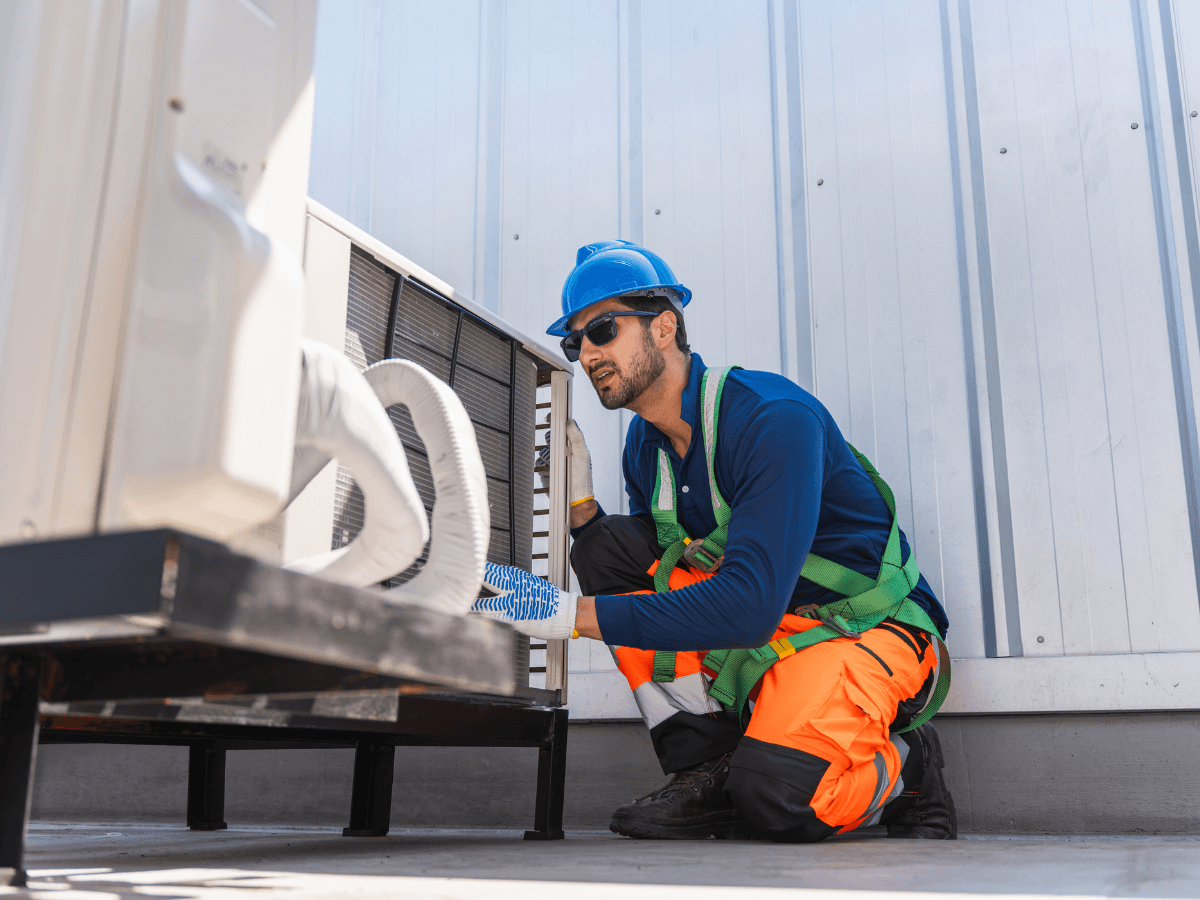
If you’re investing in a new heating and cooling system, it’s worth looking beyond the upfront price. The right equipment can lower energy costs, improve everyday comfort, and make your property more attractive to future buyers.
Since HVAC systems represent one of the home’s largest mechanical investments, choosing wisely can have a lasting impact on both performance and resale potential.
When evaluating home value HVAC improvements, focus on features that deliver measurable benefits instead of paying for technology you’ll rarely use.
| Feature | Why It Matters |
|---|---|
| High-efficiency equipment | Uses less energy while maintaining consistent indoor comfort. |
| Variable-speed compressors and fans | Adjust output as needed for quieter operation, steadier temperatures, and improved efficiency. |
| Zoned heating and cooling | Lets different areas of the home maintain separate temperatures, reducing energy waste and improving comfort. |
| Advanced air filtration | Captures more dust, allergens, and airborne particles, helping improve indoor air quality. |
| Compatible smart controls | Makes it easier to automate schedules and optimize system performance. |
It’s also important to choose equipment that is properly sized for your home. An oversized unit may cycle on and off too frequently, while an undersized system can struggle to maintain comfortable temperatures. A professional load calculation helps ensure the system operates efficiently throughout the year.
Why Smart Thermostats Deliver High Value for a Small Investment
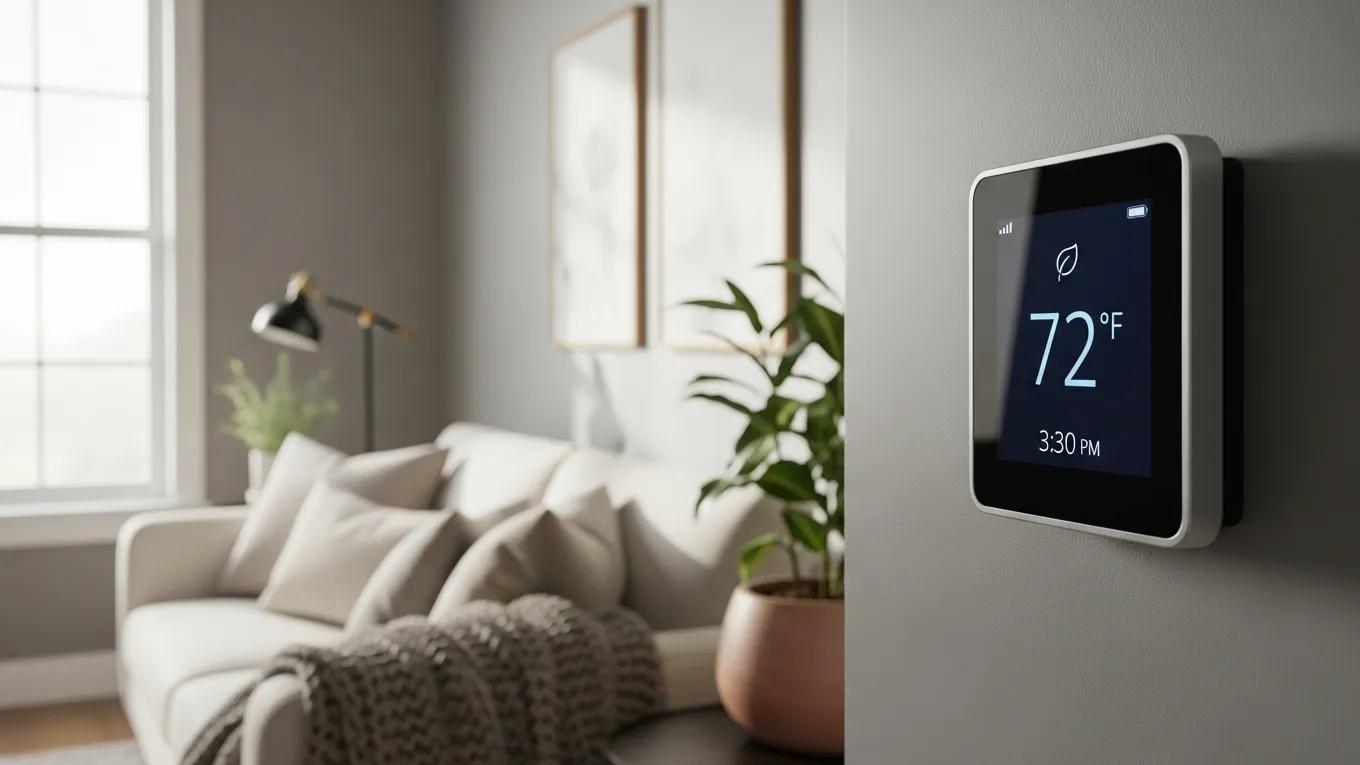
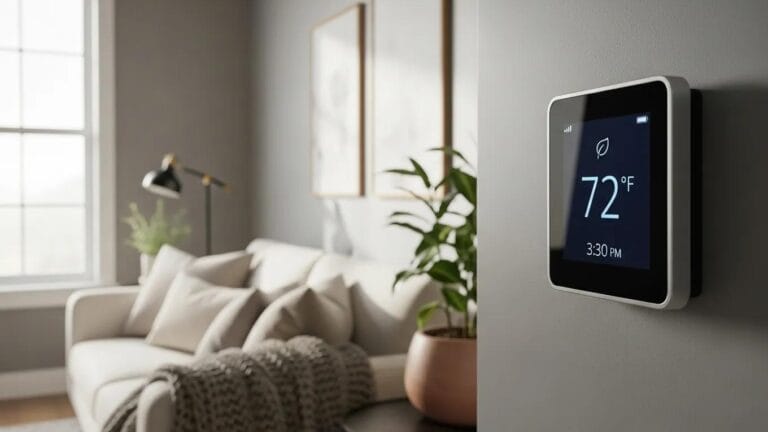
Not every upgrade requires replacing your entire HVAC system. Installing a smart thermostat is one of the simplest ways to improve efficiency while adding a feature many buyers now expect.
Unlike traditional programmable thermostats, smart models learn household routines, adjust temperatures automatically, and allow homeowners to control the system remotely through a mobile app.
Some of the biggest advantages include:
- Reduced energy use by avoiding unnecessary heating or cooling when the home is empty.
- More consistent indoor temperatures throughout the day.
- Remote access for adjusting settings while away from home.
- Energy reports that highlight usage patterns and opportunities to improve efficiency.
Many smart thermostats can also integrate with other connected home devices, making them a practical first step toward a more energy-efficient home.
For homeowners looking to increase home value HVAC performance without undertaking a full replacement, this upgrade often offers an excellent balance between cost and everyday convenience.
How to Compare HVAC Systems Before You Buy
Two systems with similar price tags can perform very differently over their lifespan. Looking beyond the initial installation cost helps you choose equipment that delivers better long-term value.
Before making a decision, compare these factors:
- Energy efficiency ratings: Higher SEER2 and HSPF2 ratings generally translate into lower operating costs for qualifying systems.
- System capacity: Proper sizing is just as important as efficiency. Equipment should match the home’s square footage, insulation, layout, and local climate.
- Climate suitability: Heat pumps, furnaces, and dual-fuel systems each perform differently depending on regional weather conditions.
- Maintenance requirements: Consider how often filters, components, and service visits will be needed over the life of the system.
- Expected operating costs: A slightly more expensive system may save significantly more in utility bills over the next 10 to 20 years.
Taking the time to compare these factors helps ensure your investment improves comfort today while supporting stronger long-term home value.
Research Spotlight: Sustainable Home Systems Create Long-Term Value
A high-performing HVAC system is only one part of an efficient home. Researchers increasingly emphasize designing residential utility systems that work together, making homes easier to maintain, upgrade, and adapt as technology evolves.
The 2023 Utilities Systems for Sustainability research highlights the value of coordinated planning across HVAC, plumbing, and other essential home systems.
Rather than treating each upgrade as an isolated project, homeowners benefit from considering how these systems interact over time. This approach can simplify future repairs, reduce resource consumption, and support more sustainable home ownership.
Thinking about improvements as part of a broader home strategy also creates a natural transition into plumbing and other infrastructure upgrades. Buyers rarely evaluate one system in isolation.
Instead, they look for homes where major mechanical systems have been thoughtfully maintained and modernized, creating confidence that the property will remain efficient, reliable, and cost-effective for years to come.
Plumbing Upgrades That Deliver Strong ROI
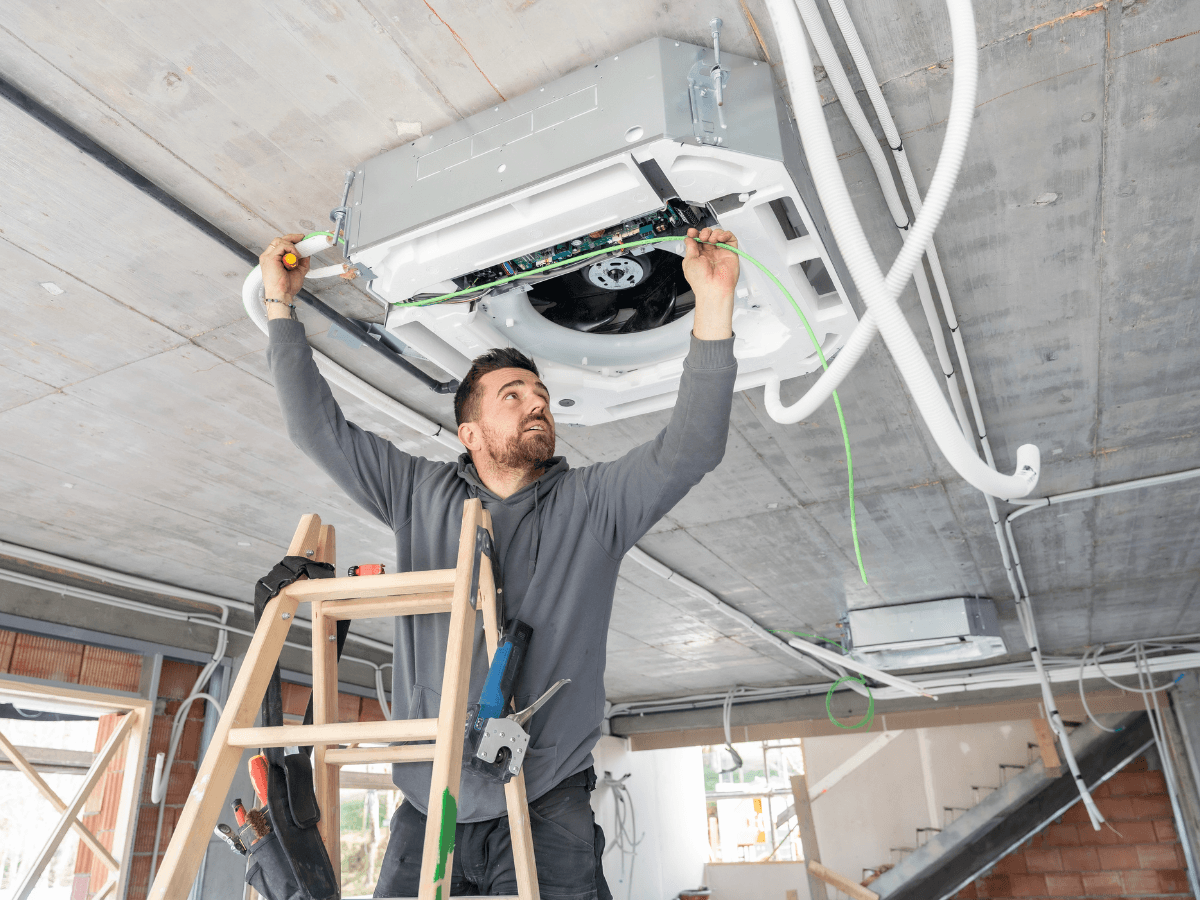
Upgrading your plumbing may not be as exciting as a kitchen remodel, but it can have a meaningful impact on your home’s efficiency, maintenance costs, and resale appeal.
Buyers increasingly appreciate homes with modern, reliable plumbing systems because they reduce the likelihood of unexpected repairs and help keep utility bills under control.
When paired with home value HVAC improvements, strategic plumbing upgrades create a home that is not only more comfortable to live in but also more attractive to future buyers.
Plumbing Improvements That Offer the Best Return on Investment
Not every plumbing project adds the same value. Cosmetic upgrades can refresh a space, but improvements that enhance efficiency, reliability, and water conservation often provide the greatest long-term return.
Consider prioritizing these upgrades:
| Plumbing Upgrade | Why It Adds Value |
|---|---|
| Low-flow faucets, showerheads, and toilets | Reduce water consumption without compromising performance, helping lower monthly utility costs. |
| Tankless water heaters | Provide hot water on demand while using less energy than traditional storage tanks in many households. |
| Updated pipes and shut-off valves | Improve reliability and reduce the risk of leaks or plumbing failures in older homes. |
| Modern fixtures | Refresh kitchens and bathrooms while improving functionality and water efficiency. |
| Smart irrigation systems | Water landscaping more efficiently by adjusting schedules based on weather conditions and soil moisture. |
Many of these upgrades also reduce ongoing maintenance, making them appealing to homeowners who want lower ownership costs over the life of the property.
Smart Plumbing Technology That Appeals to Modern Buyers
Just as smart thermostats have become a popular HVAC upgrade, connected plumbing devices are becoming increasingly common in modern homes. These technologies help homeowners monitor water usage, detect problems early, and manage plumbing systems from virtually anywhere.
Some of the most valuable smart plumbing upgrades include:
- Smart water heaters that allow remote temperature adjustments, scheduling, and energy monitoring.
- Leak detection sensors that send alerts when moisture is detected in vulnerable areas, such as under sinks, behind appliances, or near water heaters.
- Automatic water shut-off valves that can stop the water supply when a significant leak is detected, helping prevent extensive damage.
- Water monitoring systems that track household water consumption and identify unusual usage patterns that may indicate hidden leaks.
These features provide convenience, but they also demonstrate that a home has been thoughtfully updated with long-term efficiency and maintenance in mind. For buyers comparing similar properties, smart plumbing technology can become another factor that sets a home apart.
Why Leak Detection Is One of the Most Practical Plumbing Upgrades
Among today’s smart plumbing improvements, leak detection systems often deliver one of the strongest returns because they help prevent one of the most expensive and disruptive home repairs.
Small leaks frequently go unnoticed for weeks or months, especially when they occur behind walls, beneath flooring, or inside crawl spaces. By the time visible signs appear, homeowners may already be dealing with damaged drywall, warped flooring, mold growth, or structural repairs.
Installing a leak detection system helps protect your investment by:
- Detecting leaks early before they become costly emergencies.
- Reducing the risk of water damage to flooring, cabinets, drywall, insulation, and structural components.
- Lowering the likelihood of expensive restoration work and insurance claims.
- Giving prospective buyers greater confidence that the home has been proactively maintained.
For many homeowners, pairing leak detection with automatic shut-off technology provides an extra layer of protection, especially when traveling or leaving the home vacant for extended periods.
Planning HVAC and Plumbing Upgrades Together
Major home systems rarely operate in isolation. Planning plumbing improvements alongside home value HVAC upgrades can reduce labor costs, minimize disruptions, and create a more comprehensive home improvement strategy.
For example, replacing an aging water heater during an HVAC renovation may be more practical than scheduling two separate projects months apart. Likewise, updating plumbing components while walls are already open for other renovations can reduce installation costs and simplify future maintenance.
Viewing HVAC and plumbing as complementary investments helps homeowners prioritize projects that improve efficiency, reduce operating costs, and strengthen long-term resale value.
Rather than focusing on a single upgrade, taking a whole-home approach creates a property that is more reliable, more energy efficient, and better positioned to appeal to today’s buyers.
Financing Options for HVAC and Plumbing Projects
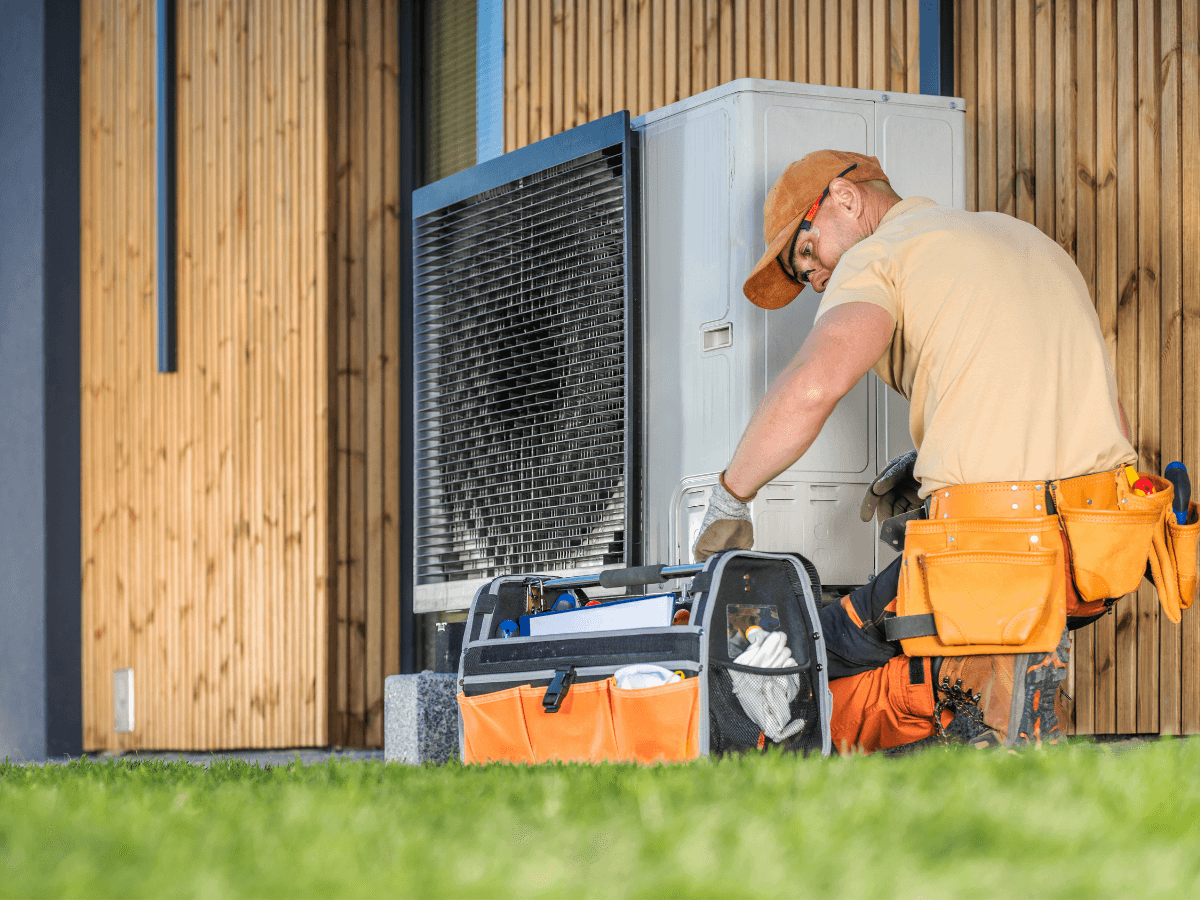
The cost of replacing an HVAC system or completing major plumbing improvements can make even worthwhile projects feel overwhelming. Fortunately, financing allows many homeowners to move forward with essential upgrades sooner rather than waiting until a system fails.
When used strategically, financing can help spread costs over time while allowing you to enjoy lower utility bills, improved comfort, and a potential increase in resale value. For homeowners planning home value HVAC improvements, understanding your financing options is just as important as choosing the right equipment.
There is no one-size-fits-all financing solution. The best choice depends on your budget, available home equity, repayment timeline, and the scope of your project.
Here’s a comparison of some of the most common financing options:
| Financing Option | Best For | Things to Consider |
|---|---|---|
| Personal loan | Medium-sized projects with fixed monthly payments | Typically doesn’t require home equity but interest rates vary based on credit. |
| Home equity loan | Large renovations with predictable costs | Often offers lower interest rates but uses your home as collateral. |
| Home equity line of credit (HELOC) | Projects completed in phases | Flexible borrowing, though interest rates may fluctuate. |
| Contractor financing | Convenient financing arranged through the installer | Compare terms carefully, including promotional rates and repayment periods. |
| Rebates and tax incentives | Energy-efficient equipment upgrades | Can significantly reduce overall project costs when available. |
Before committing to any financing option, compare the total borrowing cost rather than focusing only on the monthly payment. A lower payment spread over a longer repayment period may ultimately cost more in interest.
How Financing Can Improve Long-Term Return on Investment
Some homeowners hesitate to finance upgrades because of the added borrowing costs. However, delaying a necessary replacement can also become expensive if an aging system continues to consume excess energy or requires frequent repairs.
Financing may allow you to install higher-efficiency equipment sooner, which can begin delivering savings immediately through lower operating costs and improved reliability.
When evaluating the financial impact of a project, consider the complete picture instead of only the installation price:
- Lower monthly heating and cooling costs from energy-efficient HVAC equipment.
- Reduced repair expenses associated with aging systems.
- Potential manufacturer rebates, utility incentives, or available tax credits for qualifying upgrades.
- Improved home comfort and indoor air quality.
- Increased buyer confidence when major mechanical systems have recently been replaced.
For many homeowners, the long-term value comes from combining lower operating expenses with a property that is more competitive in the housing market. That’s why home value HVAC upgrades are often viewed as investments rather than simple maintenance expenses.
Ways to Reduce the Overall Cost of Your Upgrade
Financing is only one part of making a project affordable. Planning carefully can significantly reduce the total amount you spend over the life of the upgrade.
You may be able to lower costs by:
- Scheduling replacements before an emergency breakdown limits your options.
- Taking advantage of seasonal promotions offered by contractors or manufacturers.
- Combining HVAC and plumbing projects into a single renovation to reduce labor costs.
- Researching available utility rebates and government incentive programs for qualifying high-efficiency equipment.
- Requesting multiple estimates to compare equipment recommendations, warranties, and financing terms.
These strategies can help maximize the value of your investment while minimizing unnecessary expenses.
Research Spotlight: Financing Encourages Energy-Efficient Home Improvements
Research on residential energy-efficiency renovations suggests that financing plays an important role in helping homeowners complete projects that might otherwise be postponed.
By reducing the burden of large upfront costs, financing programs can encourage greater adoption of high-efficiency HVAC systems, water heaters, insulation improvements, and other upgrades that lower long-term energy consumption.
The 2022 study Energy Efficiency Renovation Financing Models for Homeowners and Net Present Value Analysis found that financing models and financial incentives can make energy-efficient renovations more accessible while improving the long-term financial outlook of these investments.
Rather than viewing financing as an added expense alone, homeowners can consider it as one tool for making meaningful improvements that enhance comfort, reduce operating costs, and support long-term property value.
As you evaluate financing options, remember that the goal is not simply to borrow money. It’s to choose a repayment strategy that fits your budget while allowing you to invest in upgrades that provide lasting benefits for both your home and your finances.
Protecting Your Investment With Regular Maintenance
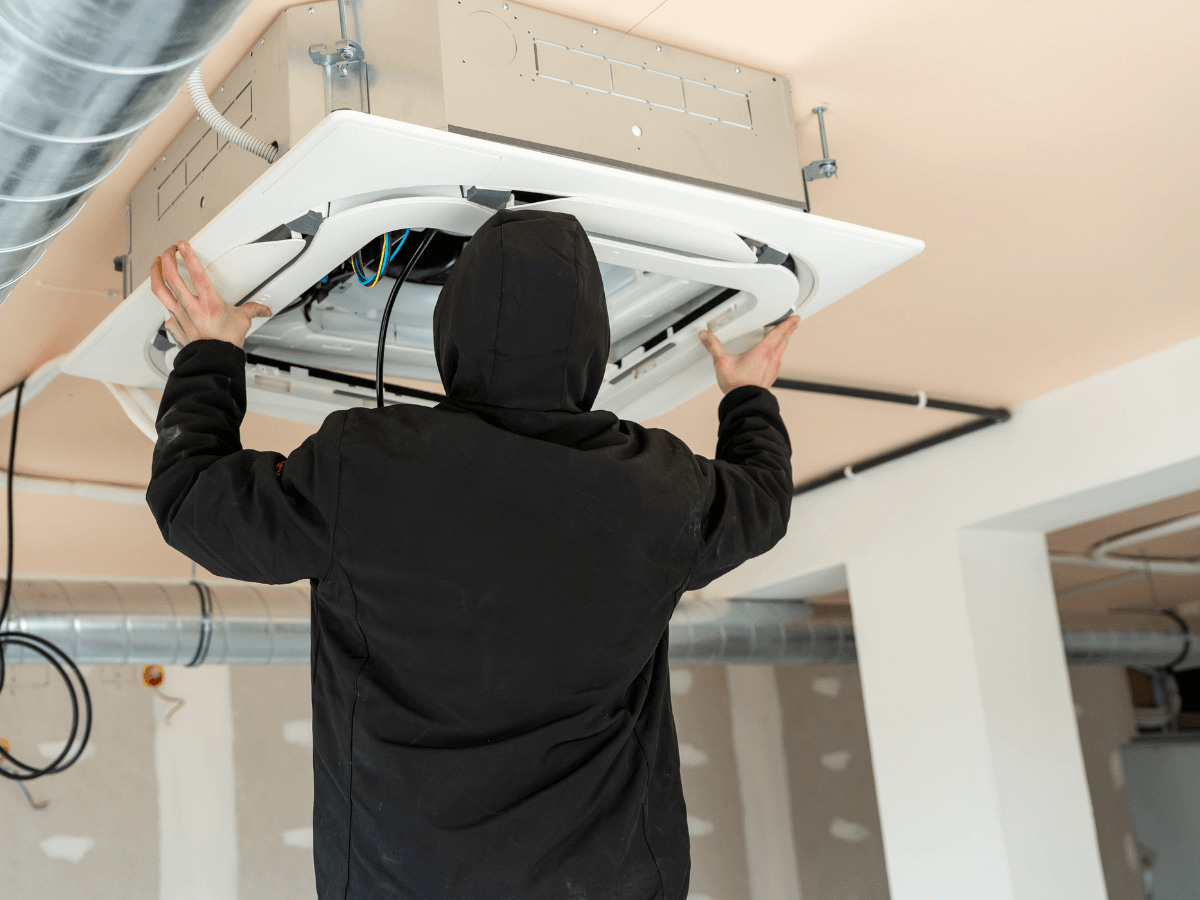
Upgrading your HVAC and plumbing systems is only part of the equation. To get the best return on those improvements, ongoing maintenance is essential.
Regular inspections, cleaning, and minor repairs help equipment operate efficiently, reduce the risk of unexpected breakdowns, and extend the lifespan of expensive components.
Whether you’ve recently completed home value HVAC upgrades or are planning future improvements, a proactive maintenance routine helps protect both your investment and your home’s long-term value.
Keep Your HVAC System Running Efficiently Year After Year
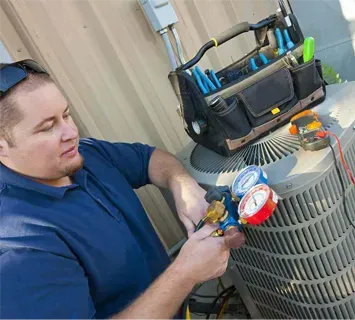
Even the most energy-efficient HVAC system can lose performance if it’s not properly maintained. Dust buildup, clogged filters, worn components, and low refrigerant levels can all force the system to work harder than necessary, increasing energy use while placing unnecessary strain on the equipment.
Most manufacturers and HVAC professionals recommend servicing heating and cooling systems at least once a year. Many homeowners schedule air conditioning maintenance in the spring and furnace or heat pump inspections before colder weather arrives to prepare for peak demand.
A typical HVAC maintenance visit may include:
| Maintenance Task | Why It Matters |
|---|---|
| Replace or inspect air filters | Improves airflow, supports indoor air quality, and helps the system run efficiently. |
| Clean evaporator and condenser coils | Removes dirt that reduces heat transfer and increases energy consumption. |
| Inspect electrical components | Identifies loose connections or worn parts before they lead to system failures. |
| Check refrigerant levels | Ensures the system cools efficiently and operates within manufacturer specifications. |
| Test thermostat and system controls | Confirms the equipment is operating safely and maintaining accurate temperatures. |
Many of these services take relatively little time but can help prevent repairs that are far more expensive than routine maintenance.
Prevent Plumbing Problems Before They Become Costly Repairs
Plumbing systems often receive attention only after something goes wrong. Unfortunately, small issues can quietly develop into major repairs if left unnoticed.
A simple maintenance routine can help reduce the risk of water damage while extending the life of your plumbing system.
Focus on these preventative tasks:
- Check faucets, toilets, and exposed pipes for signs of leaks.
- Monitor household water pressure to avoid excessive strain on plumbing fixtures and connections.
- Flush the water heater periodically if recommended by the manufacturer to reduce sediment buildup.
- Inspect supply lines connected to appliances such as washing machines, dishwashers, and refrigerators.
- Test smart leak detection sensors and automatic shut-off valves to confirm they are functioning properly.
Catching a small leak early is often the difference between a minor repair and an extensive restoration project involving flooring, drywall, cabinetry, or mold remediation.
Why Professional Maintenance Is Worth the Cost
Homeowners can handle some routine maintenance, but professional inspections provide an additional level of protection. Experienced technicians can identify early warning signs that are difficult to recognize without specialized tools and training.
Professional HVAC and plumbing maintenance can help:
- Detect worn or failing components before they cause unexpected breakdowns.
- Verify equipment is operating safely and efficiently.
- Recommend preventative repairs that extend equipment life.
- Confirm systems continue to perform according to manufacturer specifications.
- Preserve warranties that require documented maintenance for continued coverage.
Annual inspections also create a maintenance history that can reassure prospective buyers that major mechanical systems have been properly cared for over time.
Build a Simple Maintenance Schedule for Long-Term Value
The easiest way to protect your investment is to make maintenance a regular habit instead of waiting for problems to appear.
A practical annual schedule might include replacing HVAC filters every one to three months, scheduling professional HVAC service before peak heating or cooling seasons, checking for visible plumbing leaks throughout the year, and flushing the water heater according to the manufacturer’s recommendations.
Staying consistent with routine care helps maximize the lifespan of your equipment while reducing operating costs and unexpected repairs.
More importantly, it protects the value of your home. Buyers often place greater confidence in properties with well-maintained mechanical systems, making regular maintenance an important part of any home value HVAC strategy.
Choosing the Best HVAC and Plumbing Improvements
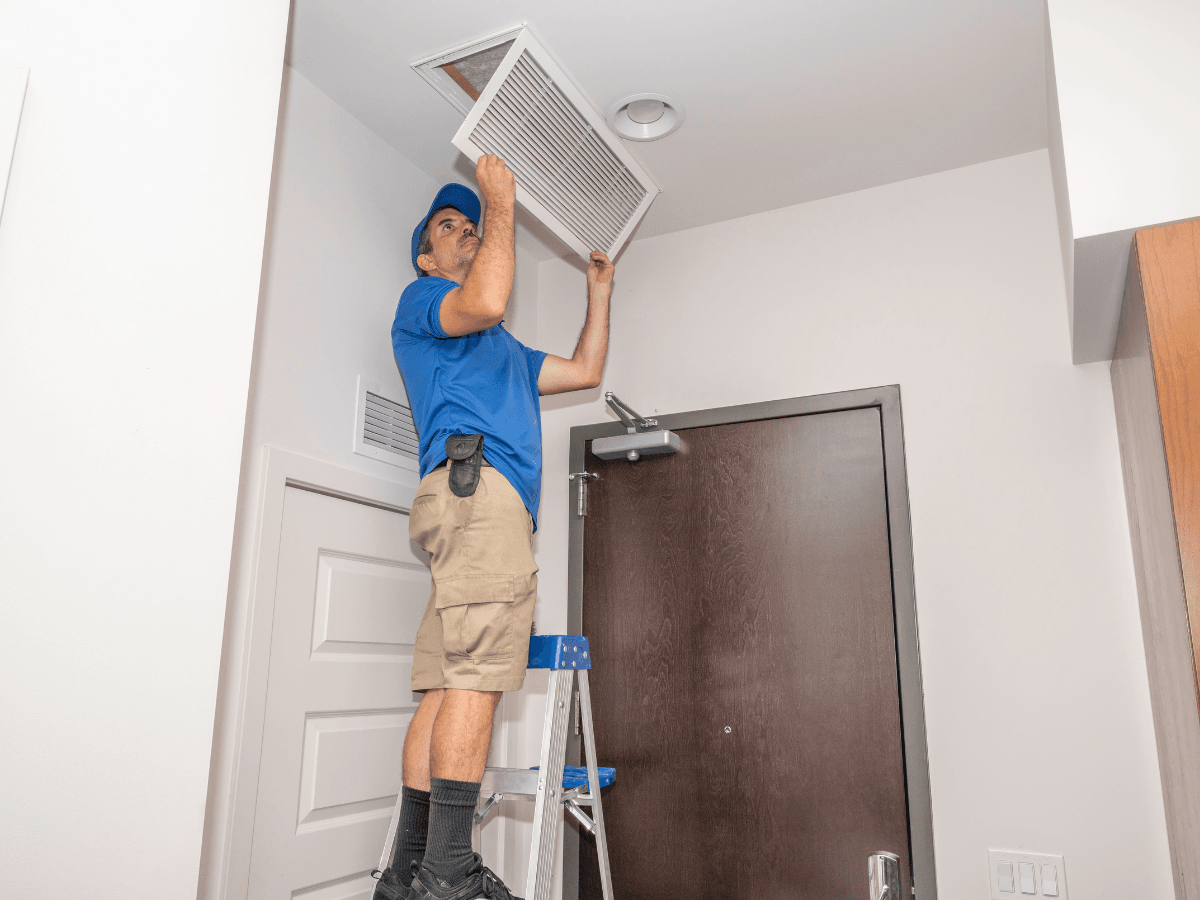
Not every upgrade offers the same value, and the right investment depends on your home’s age, condition, budget, and long-term plans. Before replacing equipment or starting a renovation, take time to evaluate which improvements will have the greatest impact on comfort, efficiency, and resale potential.
A thoughtful approach helps you prioritize projects that support both your daily needs and your long-term goals. Whether you’re planning immediate home value HVAC upgrades or creating a multi-year improvement plan, making informed decisions can help you maximize your return on investment.
Evaluate Your Home Before Choosing an Upgrade
It’s tempting to replace aging equipment with the newest model available, but the best solution isn’t always the most expensive one. Start by assessing how well your current systems are performing and where they may be falling short.
Ask yourself the following questions before investing in HVAC or plumbing improvements:
| Consideration | Why It Matters |
|---|---|
| Current system condition | Older systems nearing the end of their lifespan may justify replacement, while newer equipment may only require repairs or maintenance. |
| Energy efficiency | High-efficiency equipment can reduce utility costs over time, particularly if existing systems are outdated. |
| Household needs | Growing families, home additions, or remote work may require larger or more flexible systems than your current setup. |
| Budget | Consider both the installation cost and the long-term operating expenses when comparing options. |
| Return on investment | Prioritize upgrades that improve comfort, efficiency, and buyer appeal if you expect to sell within the next several years. |
Looking at the whole picture helps ensure you’re solving the right problem rather than simply replacing equipment because it’s old.
Decide Which Upgrades Will Deliver the Greatest Value
If your renovation budget is limited, focus first on improvements that address essential systems before moving on to cosmetic updates.
For many homeowners, these priorities provide the strongest long-term value:
- Replace aging or inefficient HVAC equipment that is driving up energy bills or requiring frequent repairs.
- Address plumbing issues that could lead to leaks, water damage, or costly emergency repairs.
- Add smart technology, such as programmable thermostats or leak detection systems, to improve efficiency and convenience.
- Upgrade water heaters, fixtures, or other components that reduce energy or water consumption.
Approaching improvements in this order helps protect the home’s major mechanical systems while creating benefits you’ll notice every day.
How to Choose the Right HVAC and Plumbing Contractor
Even the highest-quality equipment won’t perform as expected if it isn’t installed correctly. Choosing an experienced contractor is one of the most important decisions you’ll make during any home improvement project.
When comparing companies, look beyond the quoted price and evaluate factors such as:
- Proper licensing and insurance required by your state or local jurisdiction.
- Experience installing the type of HVAC or plumbing system you’re considering.
- Familiarity with energy-efficient equipment and smart home technology.
- Clear, detailed estimates that explain the scope of work, equipment, warranties, and timeline.
- Positive customer reviews and a history of completing similar projects successfully.
It’s also a good idea to obtain multiple estimates before making a decision. Comparing recommendations from different contractors can help you understand whether one company is suggesting unnecessary upgrades or overlooking important considerations.
Ask These Questions Before Hiring a Contractor
Meeting with a contractor is also an opportunity to gather information that will help you make a confident decision.
Consider asking questions such as:
- Is repair or replacement the better long-term investment?
- How will this equipment improve energy efficiency compared to my current system?
- What maintenance will be required to keep the system operating efficiently?
- Are there rebates, tax incentives, or manufacturer promotions available for this equipment?
- What warranties are included for both the equipment and the installation?
A reputable contractor should be able to answer these questions clearly and explain the reasoning behind their recommendations.
Choosing the right equipment is important, but choosing the right professional is equally valuable. Together, thoughtful planning and expert installation help ensure your home value HVAC improvements deliver reliable performance, lower operating costs, and lasting value for years to come.
Frequently Asked Questions
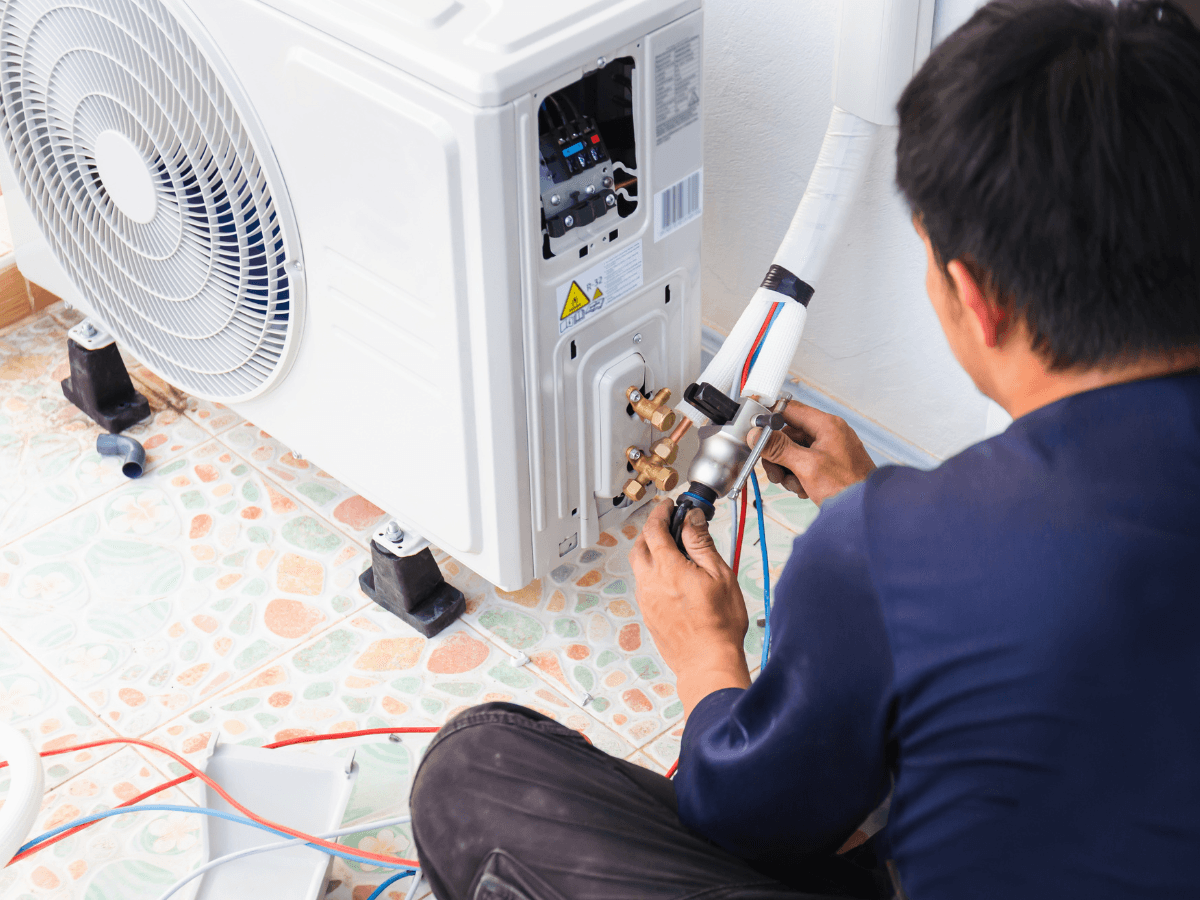
Which HVAC and Plumbing Upgrades Add the Most Value to a Home?
The upgrades that typically provide the strongest return are those that improve efficiency, reliability, and everyday comfort.
High-efficiency HVAC systems, smart thermostats, duct sealing, tankless water heaters, water-saving plumbing fixtures, and smart leak detection systems are all popular improvements because they can reduce operating costs while making a home more appealing to buyers.
Rather than focusing on cosmetic changes alone, prioritize upgrades that modernize your home’s essential mechanical systems.
Are Smart Home Upgrades Worth the Investment?
In many cases, yes. Smart home technology offers benefits that extend beyond convenience. Smart thermostats help optimize heating and cooling schedules, while connected plumbing devices can detect leaks before they cause significant damage.
These features can lower energy and water consumption, simplify home management, and demonstrate to prospective buyers that the property has been updated with modern technology.
Should I Replace My HVAC System Before Selling My Home?
It depends on the age and condition of your existing system. If your HVAC equipment is nearing the end of its lifespan, requires frequent repairs, or has noticeably high operating costs, replacing it before listing your home may improve buyer confidence and reduce objections during negotiations.
A newer, energy-efficient system can also become a selling point, particularly in competitive real estate markets where buyers are looking for move-in-ready homes.
If your current system is functioning well, a professional inspection and documented maintenance may be enough to reassure potential buyers without the expense of a full replacement.
How Much Can Home Value HVAC Upgrades Increase Resale Appeal?
While every housing market is different, home value HVAC improvements often make a property more attractive because buyers recognize the value of updated mechanical systems.
A newer HVAC system can signal lower maintenance costs, improved energy efficiency, and fewer immediate expenses after purchase. Combined with modern plumbing upgrades and regular maintenance records, these improvements can strengthen your home’s overall marketability.
Is It Better to Repair or Replace an Older HVAC System?
The answer depends on the system’s age, condition, and repair history. If the equipment is relatively new and the issue is minor, a repair is often the most cost-effective solution.
However, if your system is more than 10 to 15 years old, requires frequent repairs, or no longer operates efficiently, replacement may provide greater long-term value through lower utility bills, improved comfort, and increased reliability.
A qualified HVAC professional can help evaluate whether continued repairs or a replacement offers the better return on investment.
Can Financing Make Major Home Upgrades More Affordable?
Yes. Financing allows homeowners to complete important HVAC and plumbing improvements without paying the full project cost upfront. Depending on your financial situation, options such as personal loans, home equity financing, or contractor financing may make larger projects easier to manage.
Some high-efficiency systems may also qualify for manufacturer rebates, utility incentives, or tax credits, helping reduce the overall cost of the investment.
Before choosing a financing option, compare interest rates, repayment terms, and the total cost of borrowing to determine which solution best fits your budget.
Increase Your Home’s Value With Professional HVAC and Plumbing Upgrades
Investing in the right HVAC upgrades can improve your home’s comfort, increase energy efficiency, and add long-term value when it’s time to sell.
From high-efficiency systems and smart thermostats to improved indoor air quality solutions, strategic improvements can deliver both immediate savings and a stronger return on investment.
Working with experienced HVAC professionals ensures your system is tailored to your home’s needs and installed for lasting performance.
For reliable HVAC installation, maintenance, and upgrade services, choose inAir Heating & Air. If you’re ready to boost your home’s value with smart HVAC improvements, call (770) 233-7777 to speak with the team at inAir Heating & Air or fill out the website form to submit your HVAC service request today.